Ancient tree · Medieval
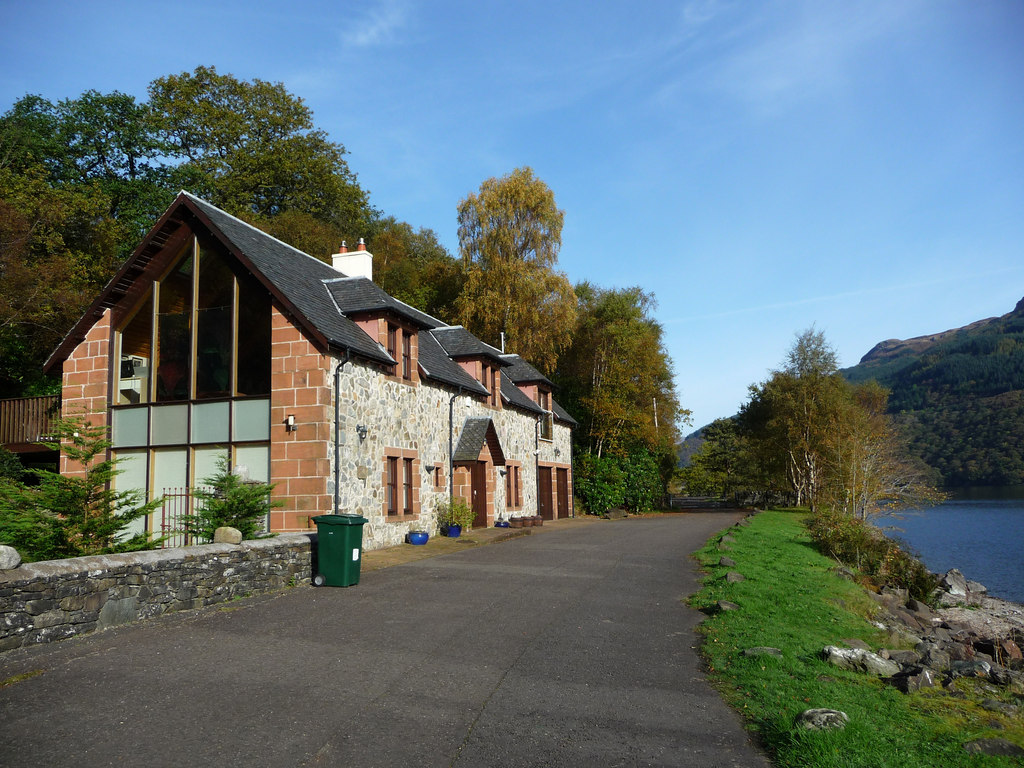
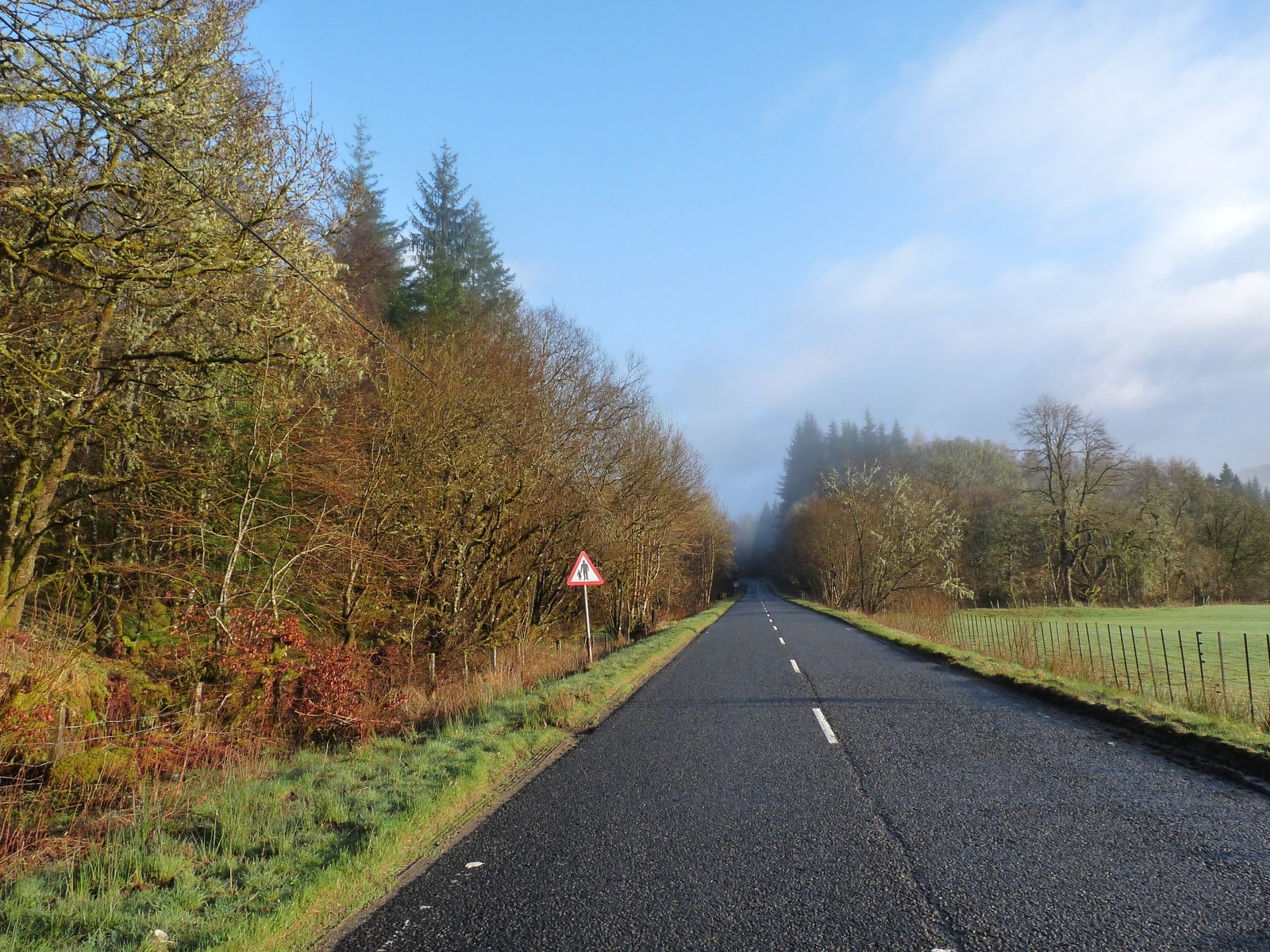
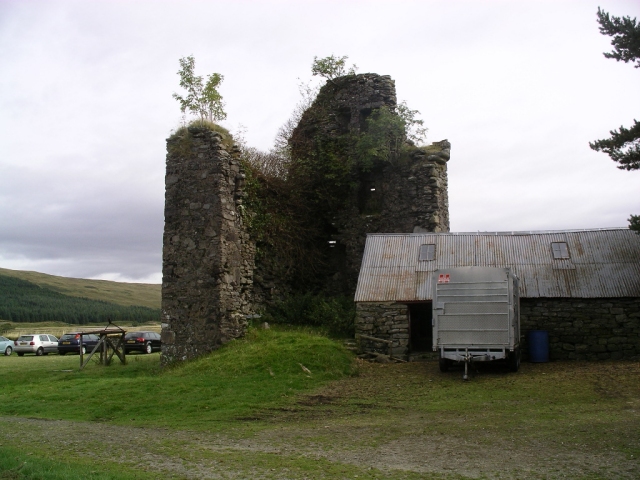
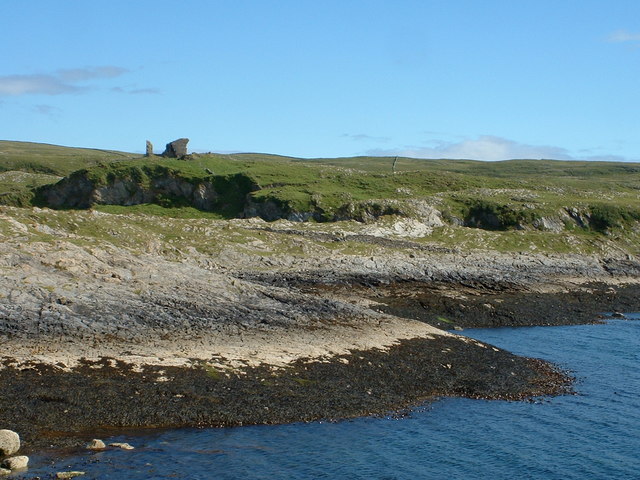
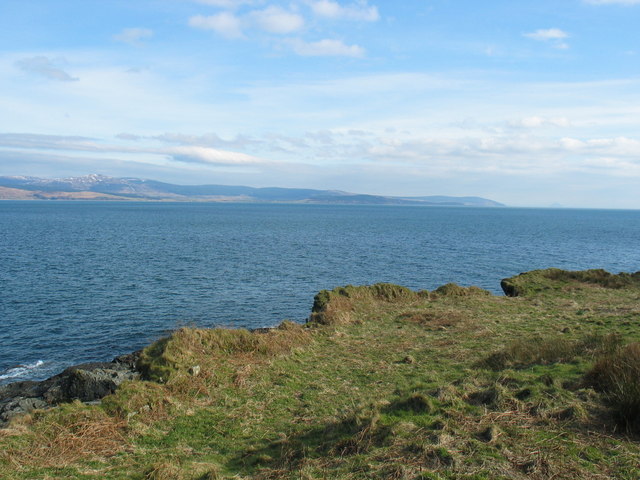
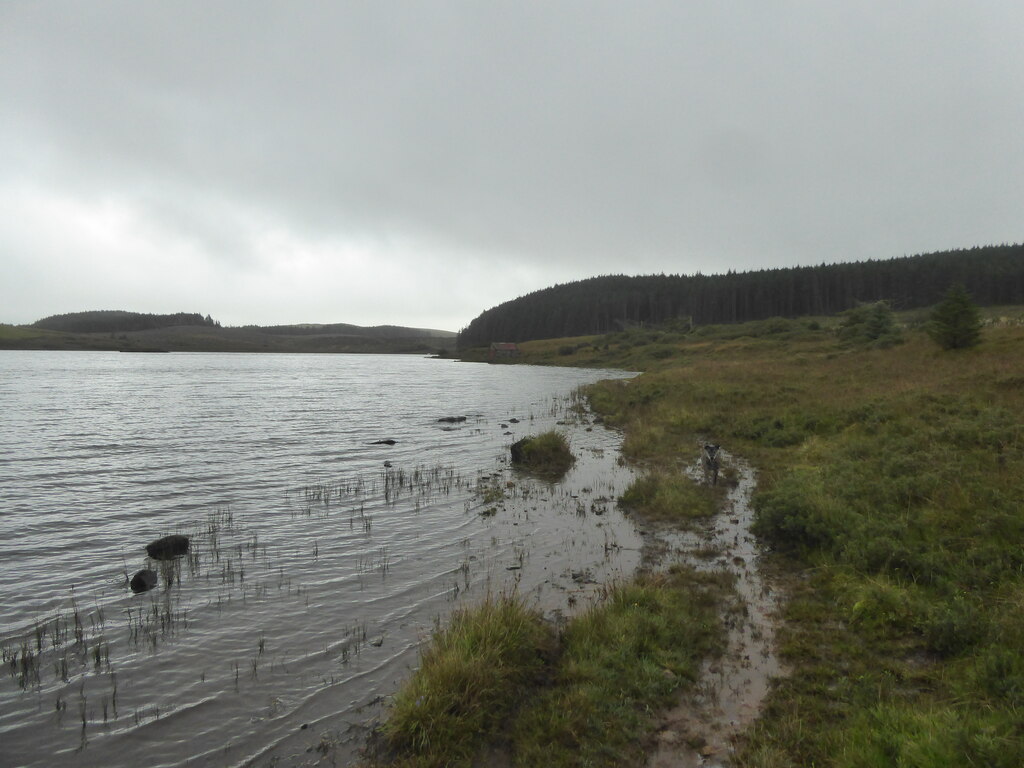
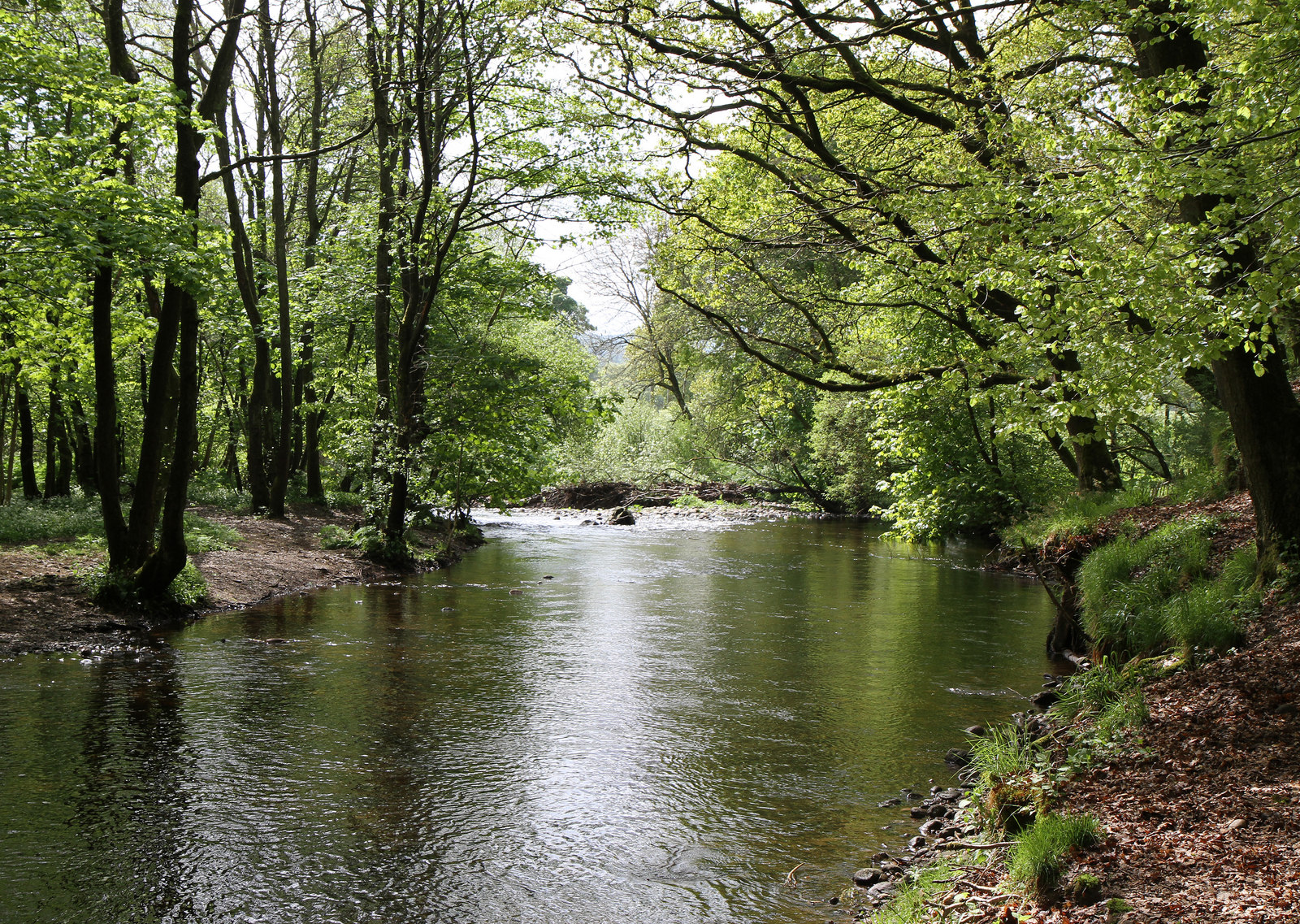
Eppie Callum's Oak
Argyll and Bute
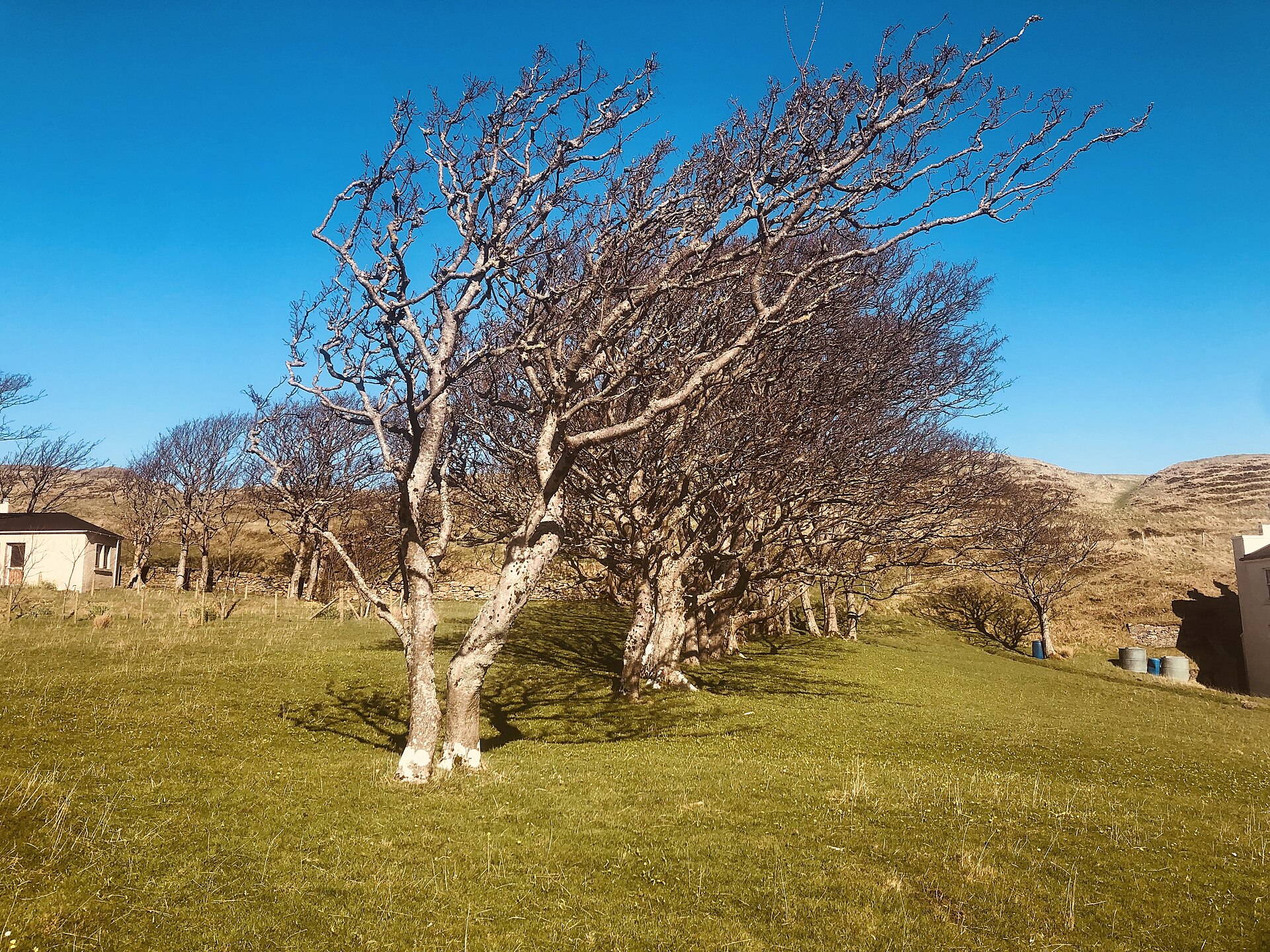
A named, long-standing tree carried in local memory as a landmark — included for its place in the landscape, with age and superlative claims held f…
- Near Argyll and Bute
Scotland · Region
90 places in Argyll and Bute, from the deepest prehistory to the medieval world.
Ancient tree · Medieval
Argyll and Bute
A named, long-standing tree carried in local memory as a landmark — included for its place in the landscape, with age and superlative claims held f…
Ancient tree · Medieval
Argyll and Bute
A named, long-standing tree carried in local memory as a landmark — included for its place in the landscape, with age and superlative claims held f…
Carved stone · Prehistoric
Argyll and Bute
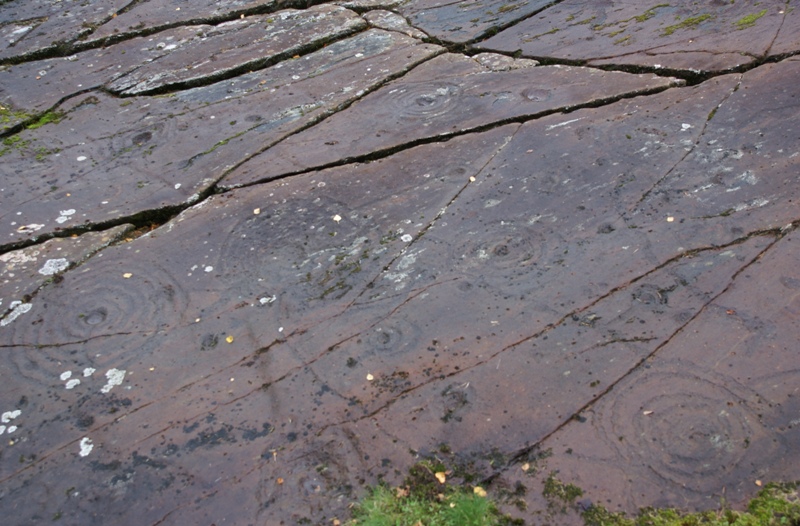
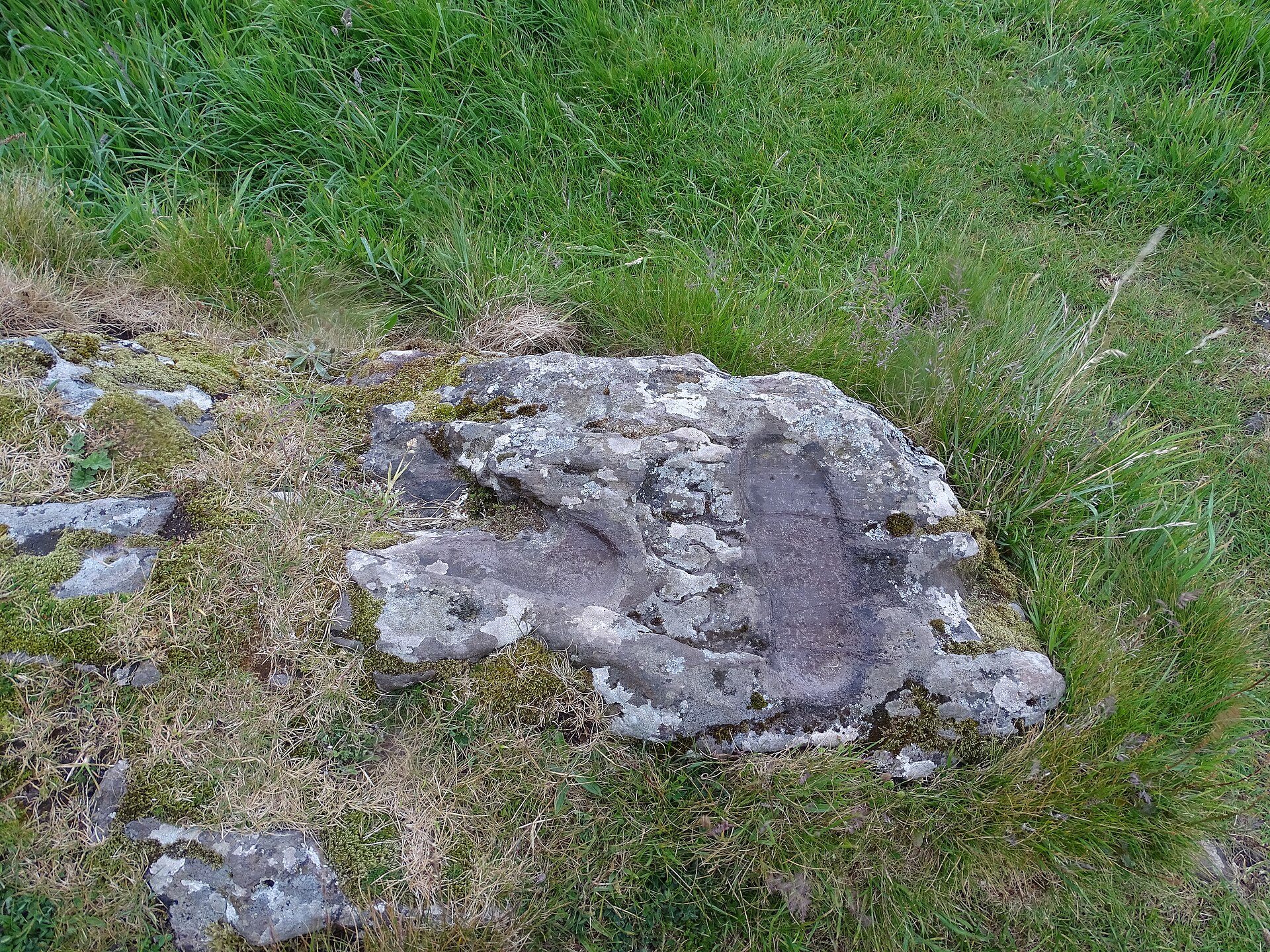
Achnabreck's rock surfaces were carved with cup and ring marks in prehistory — the purpose, and even the precise date, of the markings is uncertain…
Tomb or burial place · Prehistoric
Argyll and Bute
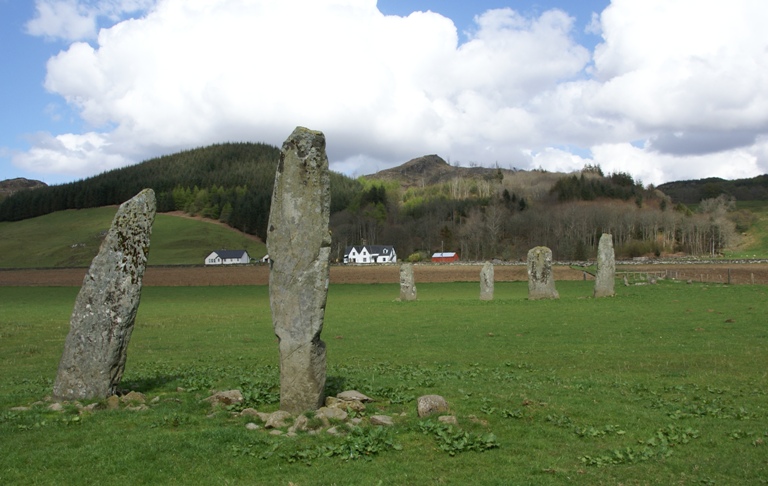
Ballymeanoch is a complex of Neolithic structures in Kilmartin Glen: an avenue of two rows of standing stones (of four and two stones), a stone cir…
Fortified place · Medieval
Argyll and Bute
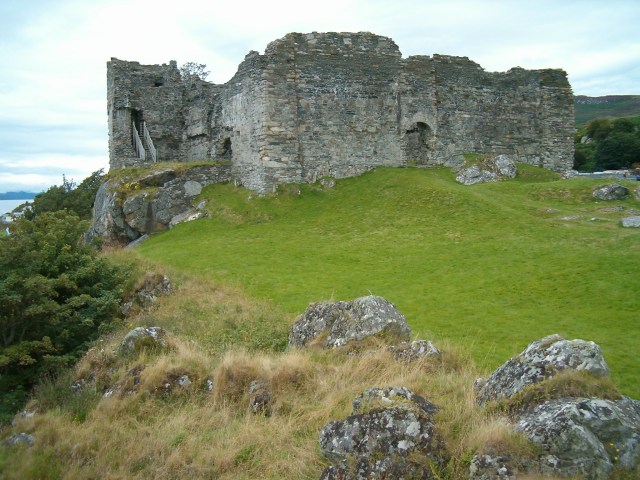
Castle Sween, on the eastern shore of Loch Sween in Knapdale, Argyll, is thought to be one of the earliest stone castles built in Scotland — and is…
Fortified place · Iron Age
Argyll and Bute
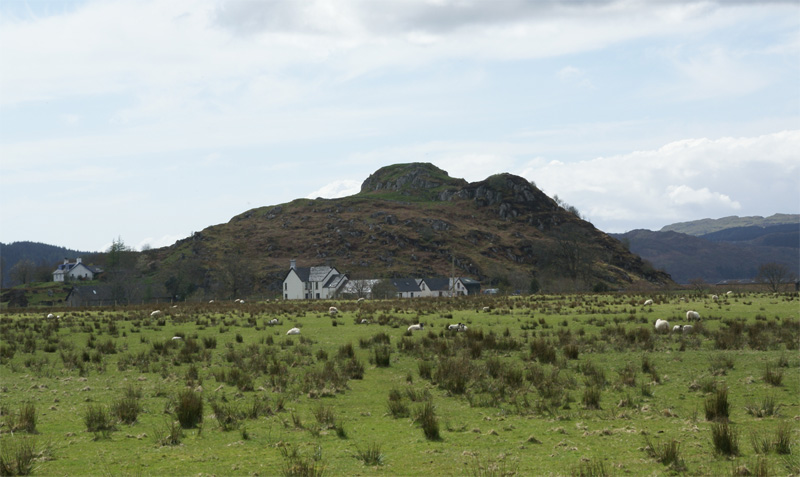
Dunadd is a hillfort in Argyll and Bute, occupied from the Iron Age and into the early medieval period, and believed to have been the capital of th…
Tomb or burial place · Prehistoric
Argyll and Bute
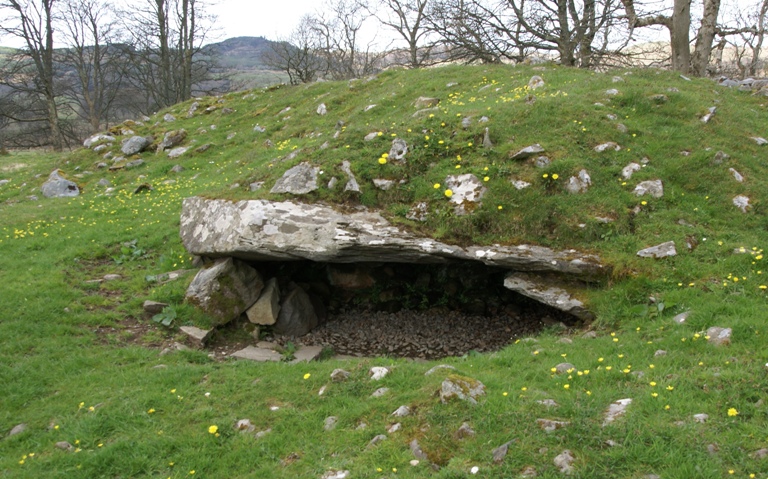
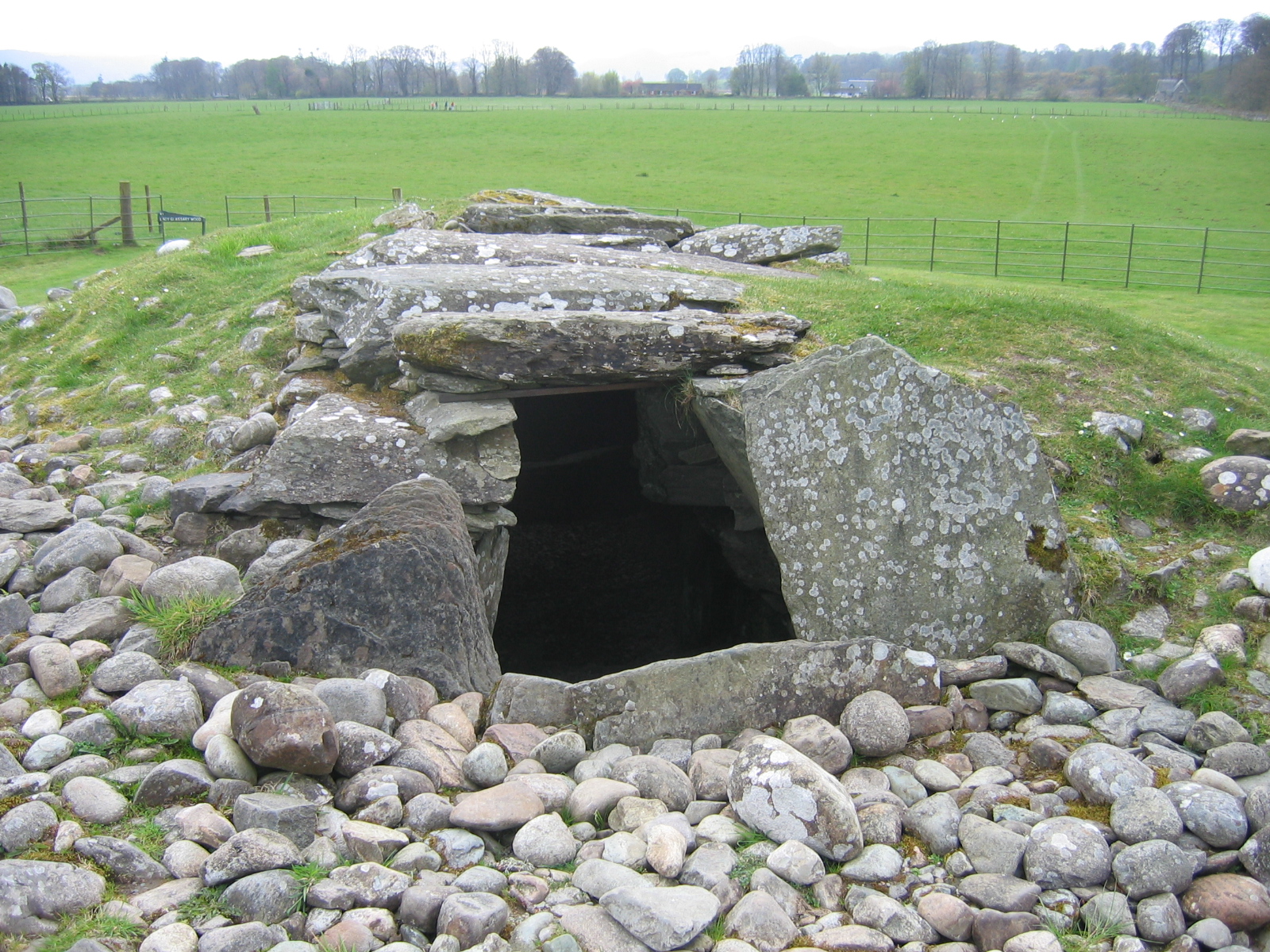
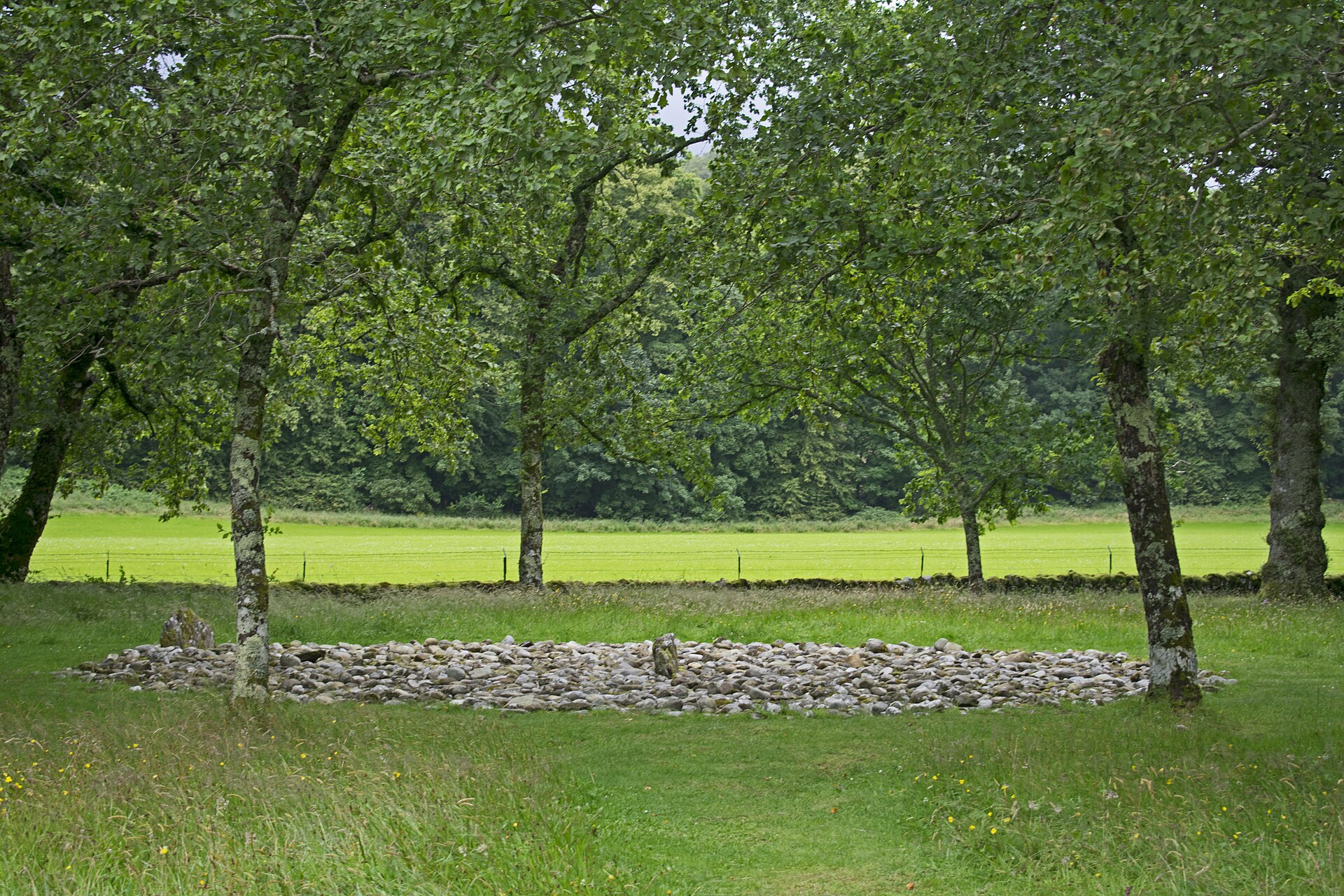
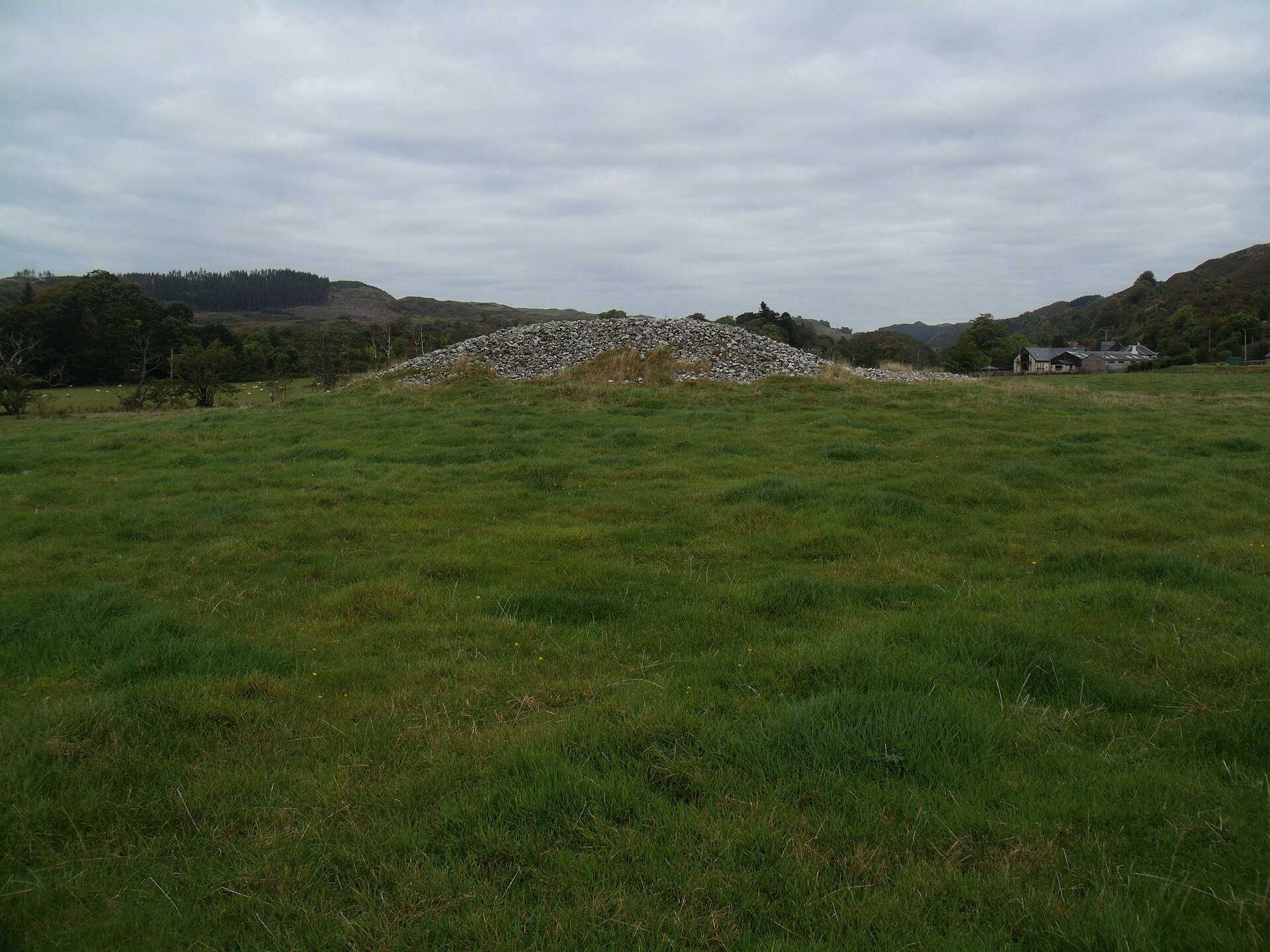
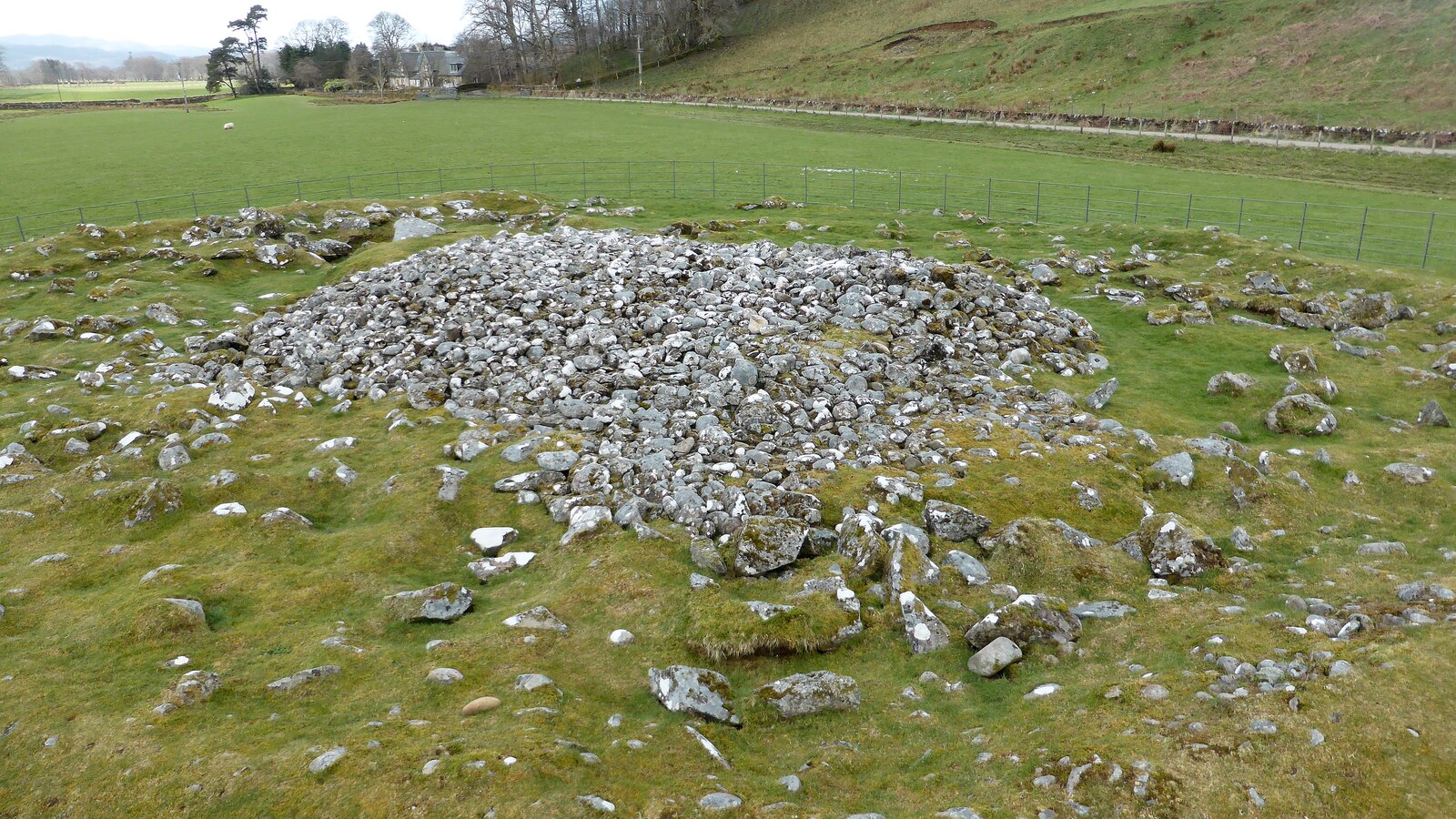
Dunchraigaig is an Early Bronze Age round cairn, about 30 m across, set a little apart to the south-east of the famous 2 km linear cemetery of cair…
Building or ruin · Medieval
Argyll and Bute
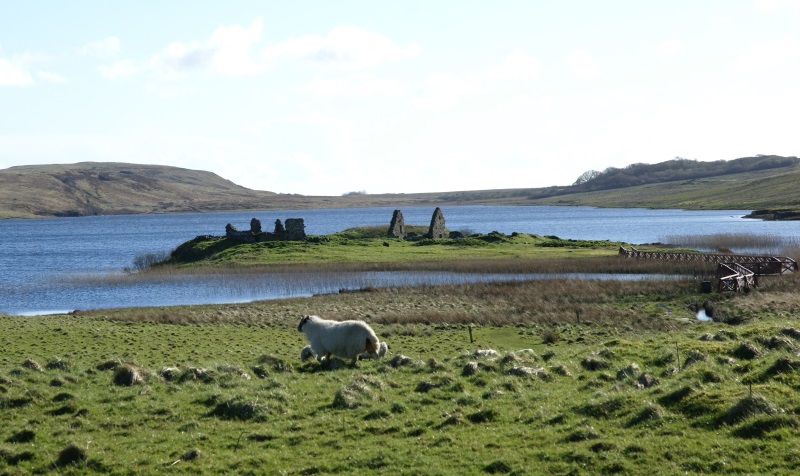
In the first half of the 7th century a monastic community was established on Eilean Mor, the largest of the three islands in Loch Finlaggan — eithe…
Building or ruin · Pictish & early medieval
Argyll and Bute
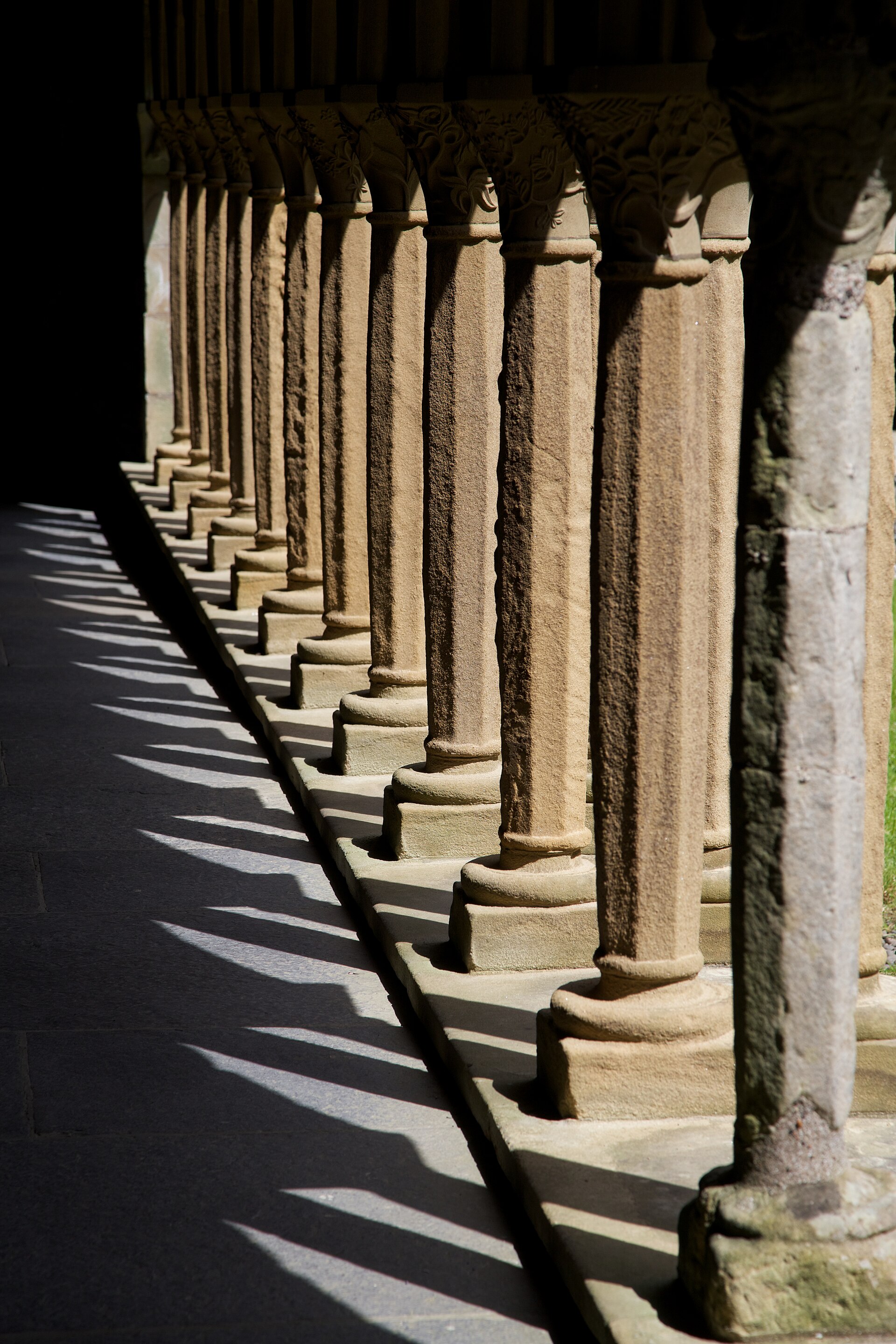
Saint Columba came to Iona from Ireland with twelve companions in 563, founding a monastery when Iona was part of the Kingdom of Dál Riata. It beca…
Tomb or burial place · Pictish & early medieval
Argyll and Bute
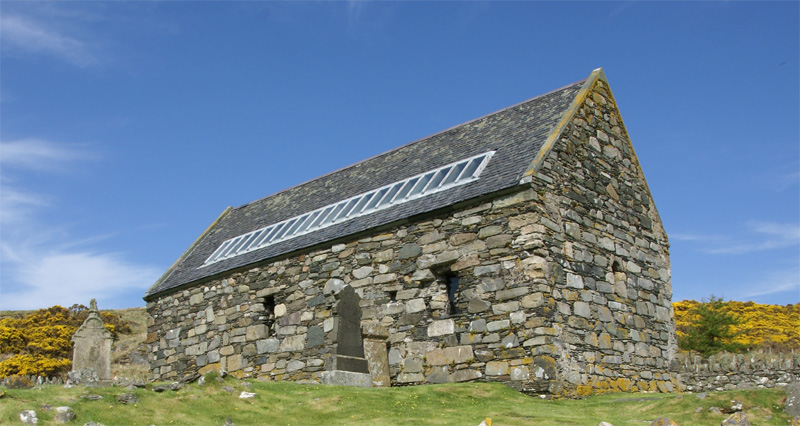
The chapel dates from the 11th century. Its now re-roofed structure houses an important collection of early stone sculpture, and the original Keill…
Tomb or burial place · Pictish & early medieval
Argyll and Bute
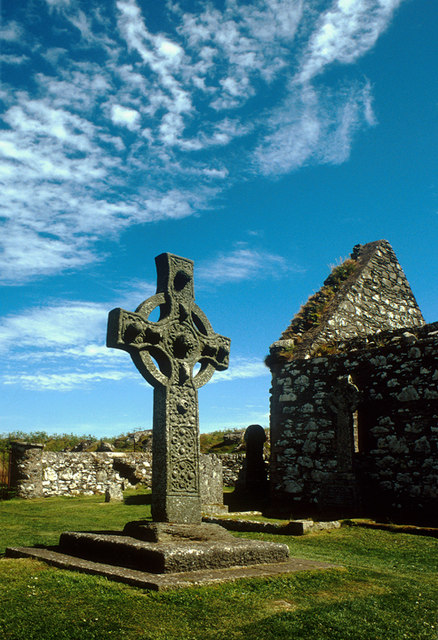
The high cross was carved probably in the second half of the 8th century AD, in a workshop tradition closely related to the contemporary crosses on…
Tomb or burial place · Pictish & early medieval
Argyll and Bute
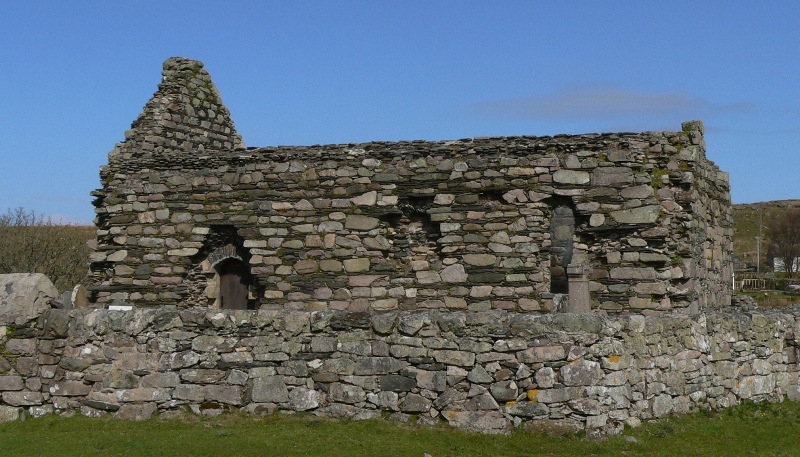
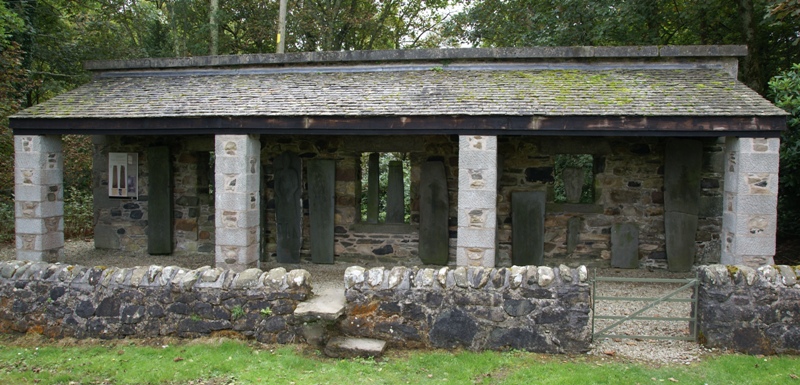
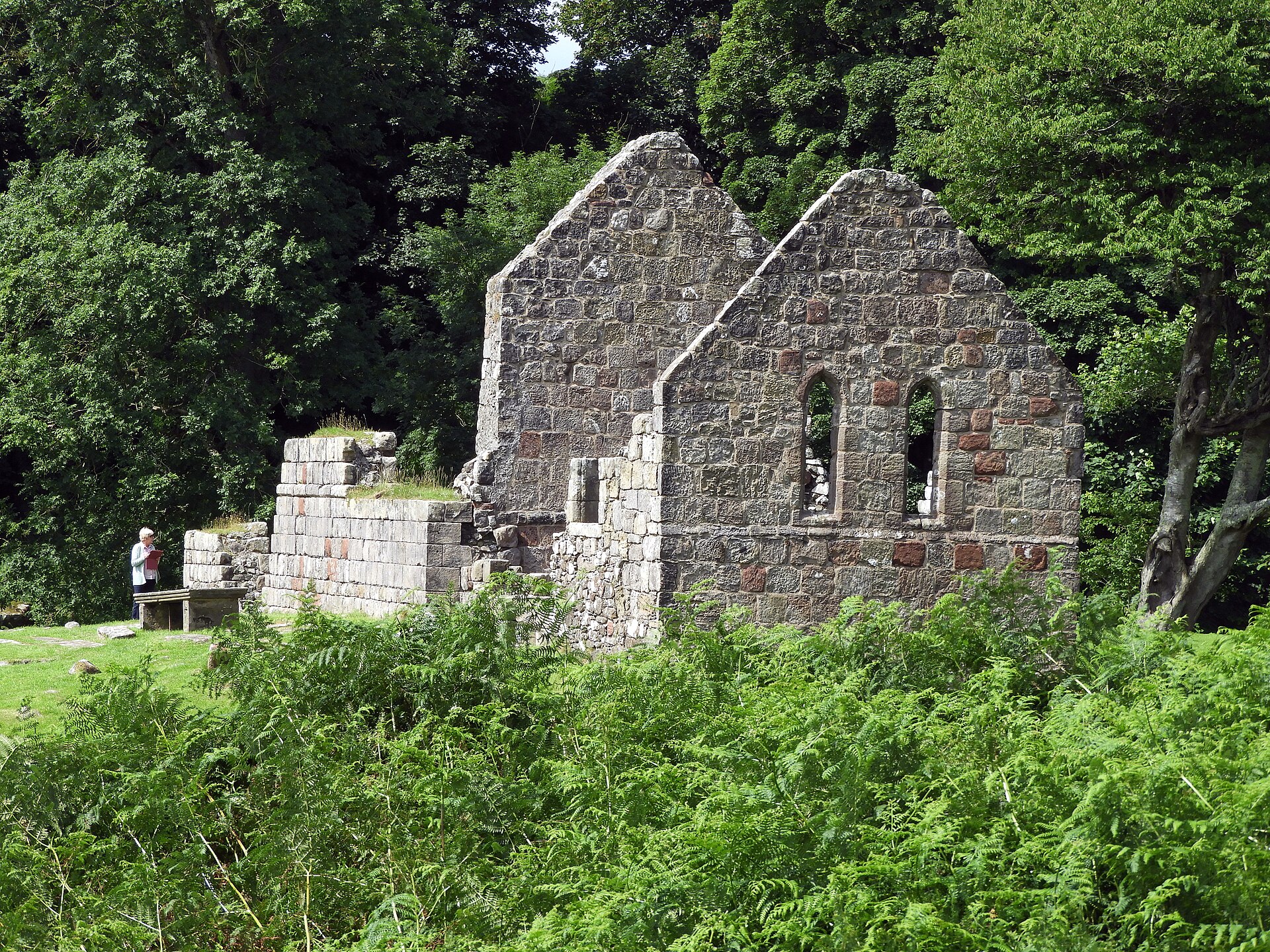
The chapel was built in the 13th century. After its roof was lost the building was used as a burial enclosure, and it was re-roofed in 1934 to shel…
Tomb or burial place · Prehistoric
Argyll and Bute
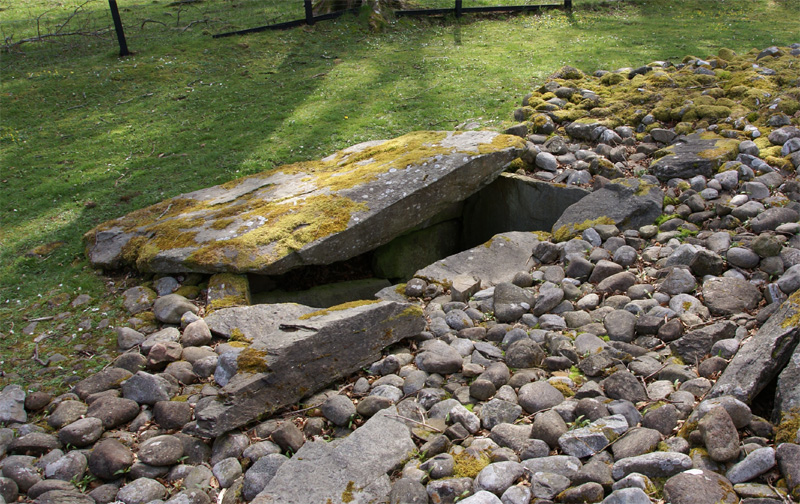
Nether Largie South is a Neolithic Clyde-type chambered cairn and the earliest monument in the Kilmartin Glen linear cemetery — the line of cairns…
Tomb or burial place · Prehistoric
Argyll and Bute
Ri Cruin is the most southerly cairn in the Kilmartin Glen linear cemetery, a Bronze Age burial cairn built between roughly 2200 BC and 1950 BC.
Tomb or burial place · Prehistoric
Argyll and Bute
Temple Wood, in Kilmartin Glen, comprises two stone circles - a northern and a southern circle. The southern circle's first incarnation may have be…
Fortified place · Medieval
Argyll and Bute
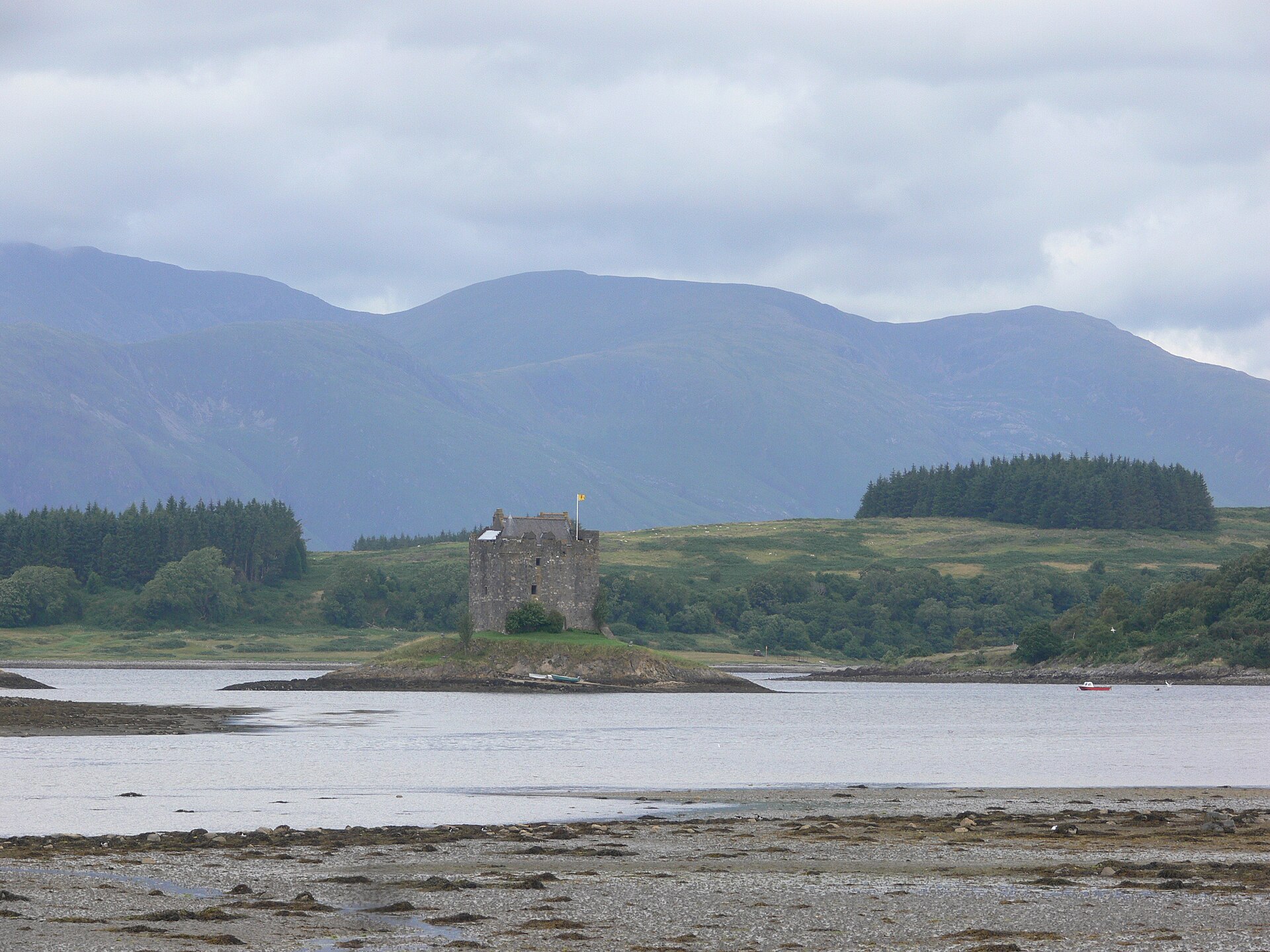
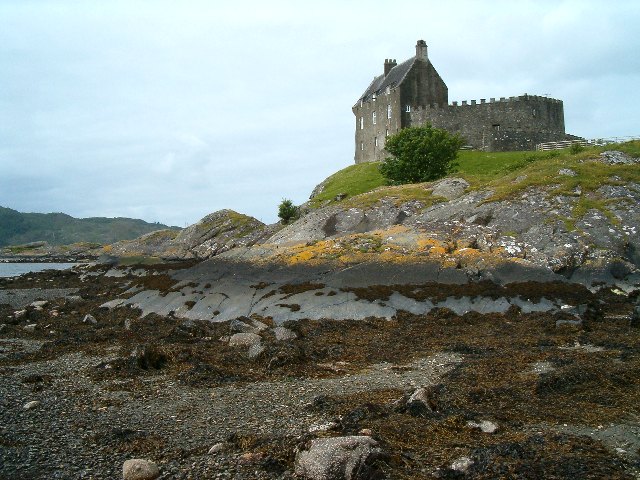
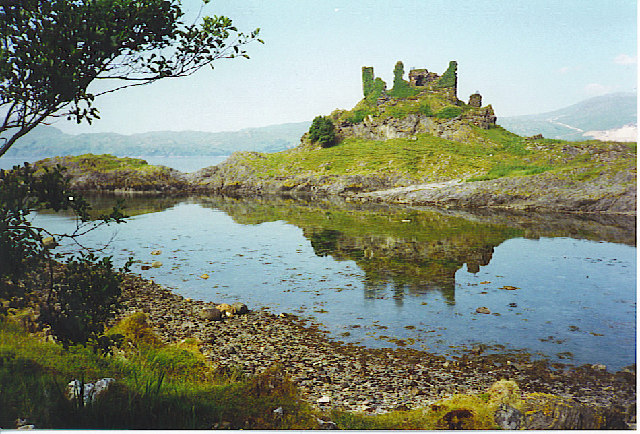
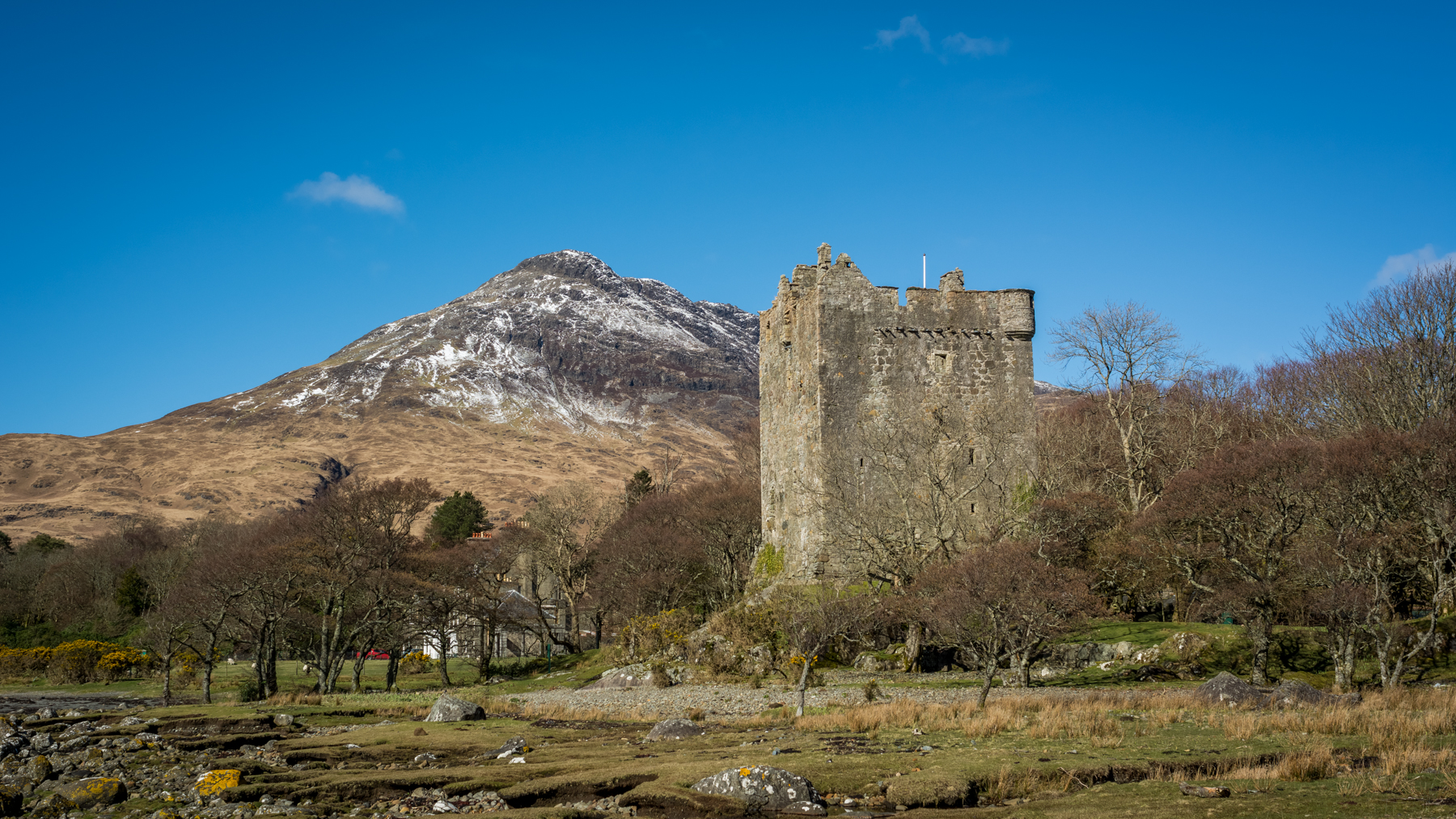
A rare surviving west-Highland tower house set on its own tidal islet, whose ownership passed between the Stewarts of Appin and the Campbells befor…
Fortified place · Medieval
Argyll and Bute
The medieval stronghold and ancestral seat of Clan MacLean, reclaimed and restored by the clan's chief in 1911 after more than a century as a ruin.
Fortified place · Medieval
Argyll and Bute
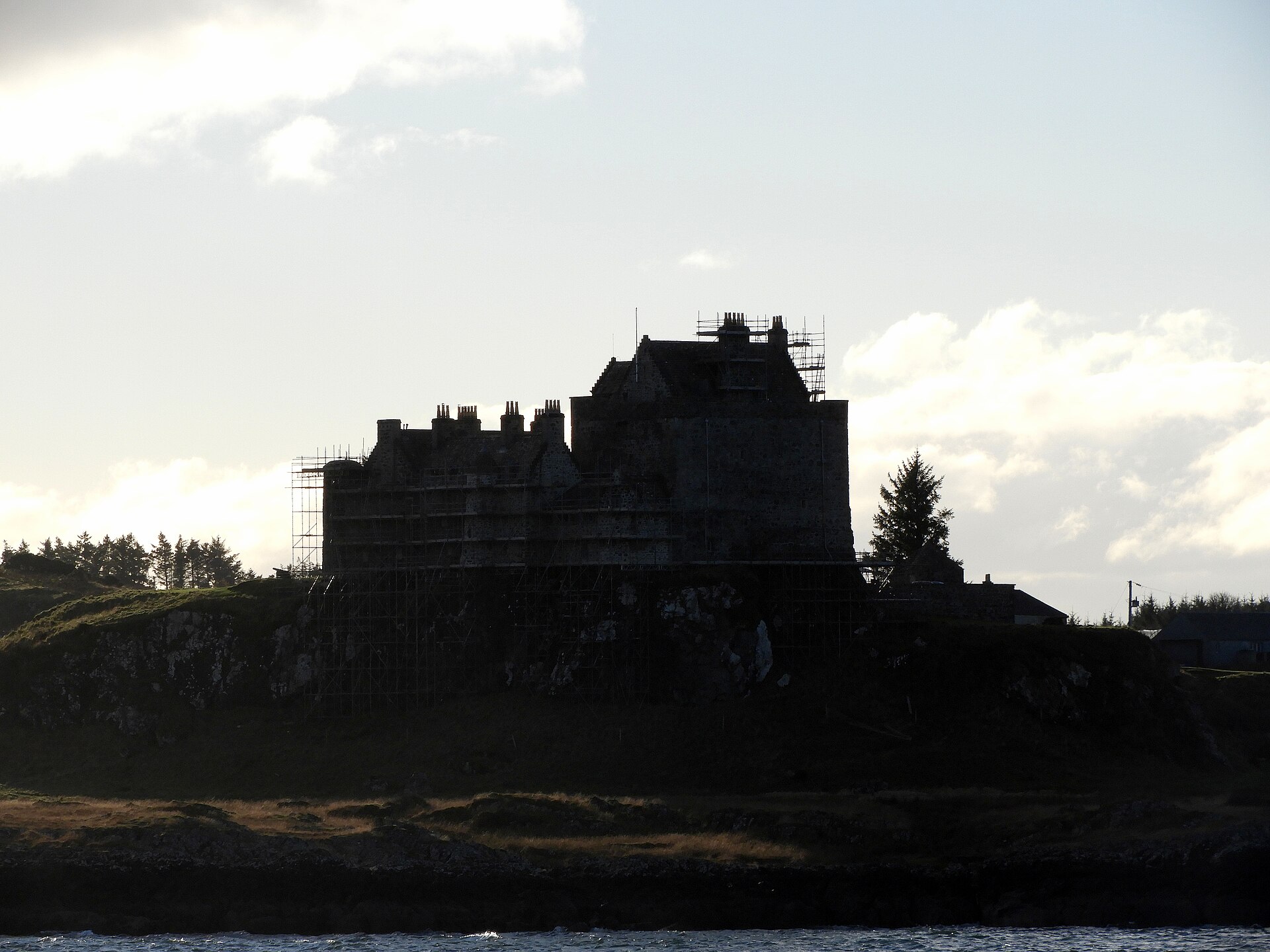
By tradition the oldest continuously occupied castle on mainland Scotland, Duntrune joins thirteenth-century MacDougall walls to a seventeenth-cent…
Tomb or burial place · Prehistoric
Argyll and Bute
The northernmost cairn in Kilmartin Glen's Bronze Age linear cemetery, one of the richest concentrations of prehistoric ritual and burial monuments…
Fortified place · Medieval
Argyll and Bute
One of the earliest and most complete expressions of Gothic Revival architecture in Scotland, and the continuous seat of the Dukes of Argyll and Cl…
Carved stone · Medieval
Argyll and Bute
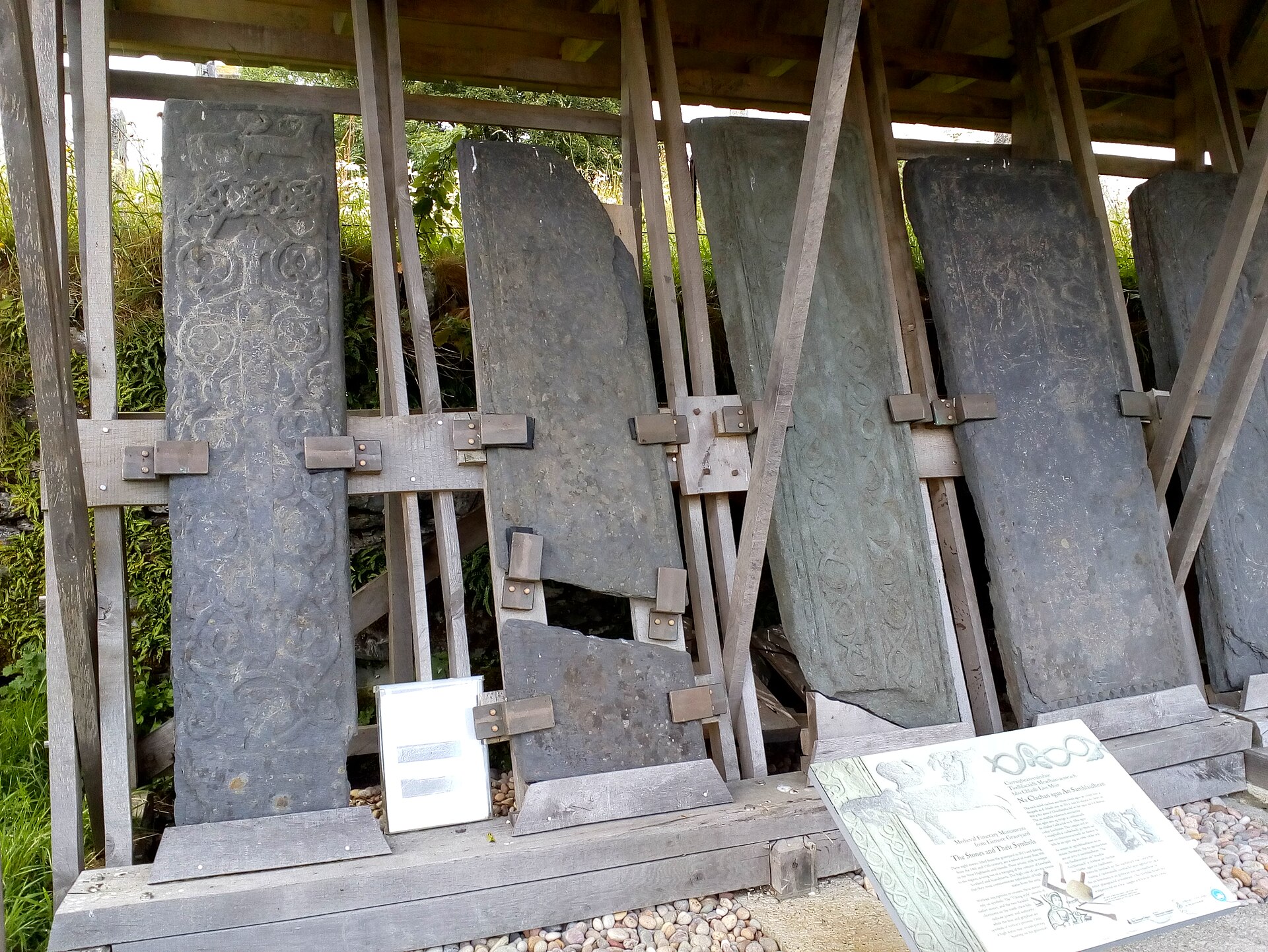
A surviving group of late medieval cross-slabs and grave markers rescued from a lost parish church, now protected as a scheduled monument in the gr…
Tomb or burial place · Prehistoric
Argyll and Bute
It forms a central link in the Kilmartin Glen linear cemetery, one of Scotland's most concentrated groupings of prehistoric burial monuments.
Tomb or burial place · Prehistoric
Argyll and Bute
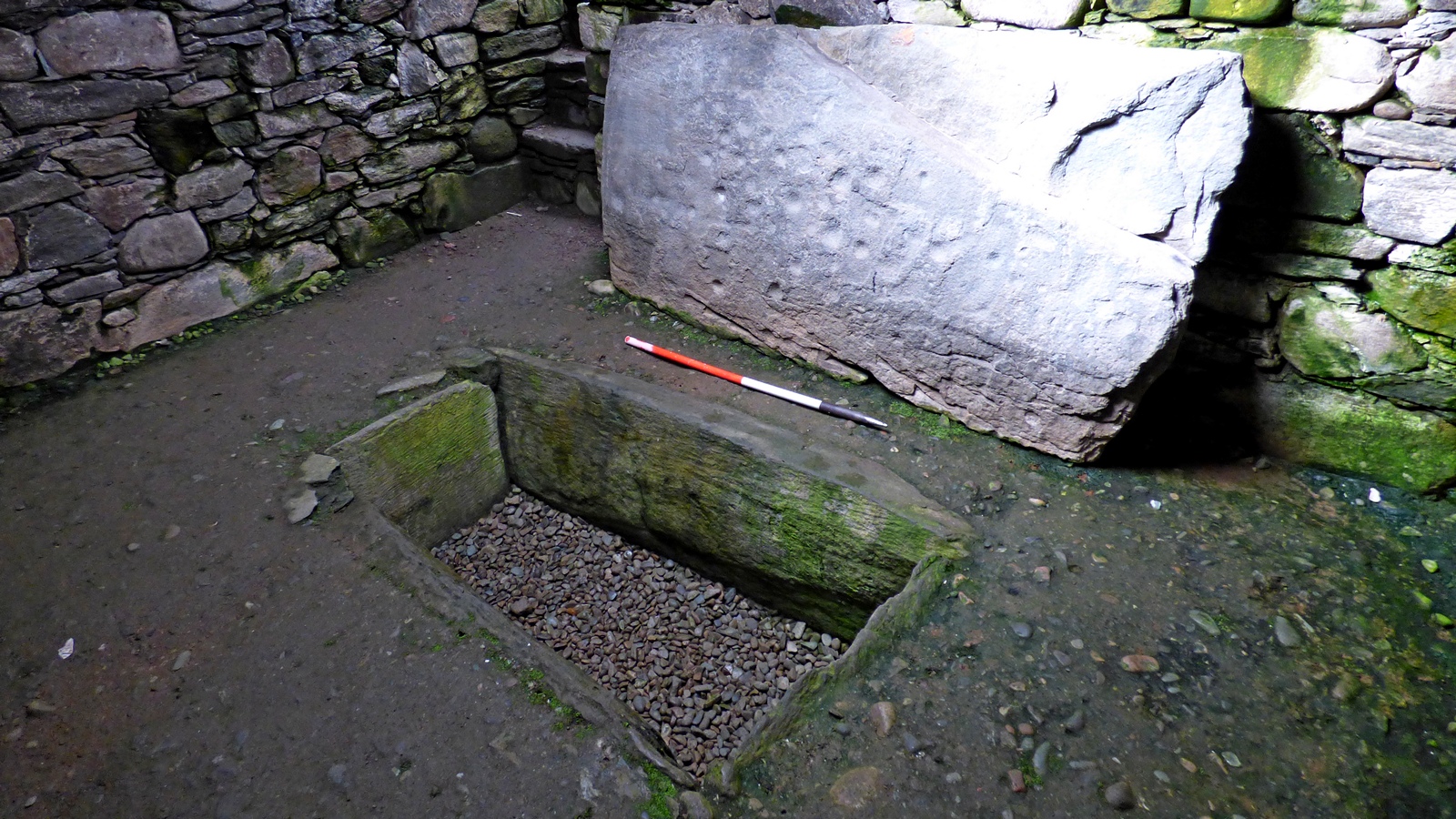
Its carved capstone, marked with dozens of cup-marks and ten axe-head symbols, makes it one of the most vividly decorated Bronze Age burial monumen…
Building or ruin · Medieval
Argyll and Bute
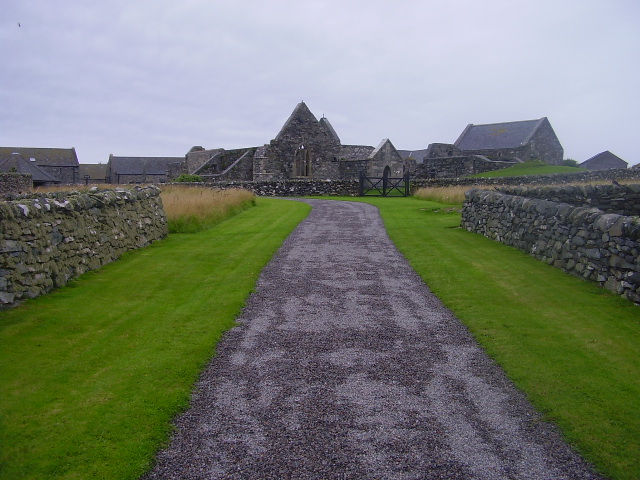
One of Scotland's more complete early monastic sites, it preserves a sequence running from a sixth-century Celtic foundation through a Norse-era ru…
Sacred place · Medieval
Argyll and Bute
It preserves the much-reduced remains of the cathedral of the medieval diocese of Argyll, rooted in a monastery traced to the sixth-century saint M…
Briefer entries — recorded and worth knowing, with fuller pages to come.
Minor monument · Medieval
Argyll and Bute
Dovecote with HES-listed pre-1800 evidence (1747).
No places match those filters.