
Castle Sween, on the eastern shore of Loch Sween in Knapdale, Argyll, is thought to be one of the earliest stone castles built in Scotland — and is described as the oldest stone castle in Scotland…
On the eastern shore of Loch Sween in Knapdale stands Castle Sween, described as the oldest stone castle in Scotland. It was raised in the late 11th century by Suibhne, son of Hugh Anrahan and brother of the King of Ulster, with towers added later to timber structures that have since vanished.
What follows is drawn from published sources, with each claim labelled by how firmly it is established.
The name
Castle Sween (Scottish Gaelic 'Caisteal Suibhne' / 'Caistéal Suibhne') takes its name from Suibhne, son of Hugh Anrahan, who is said to have built it in the late 11th century.
History
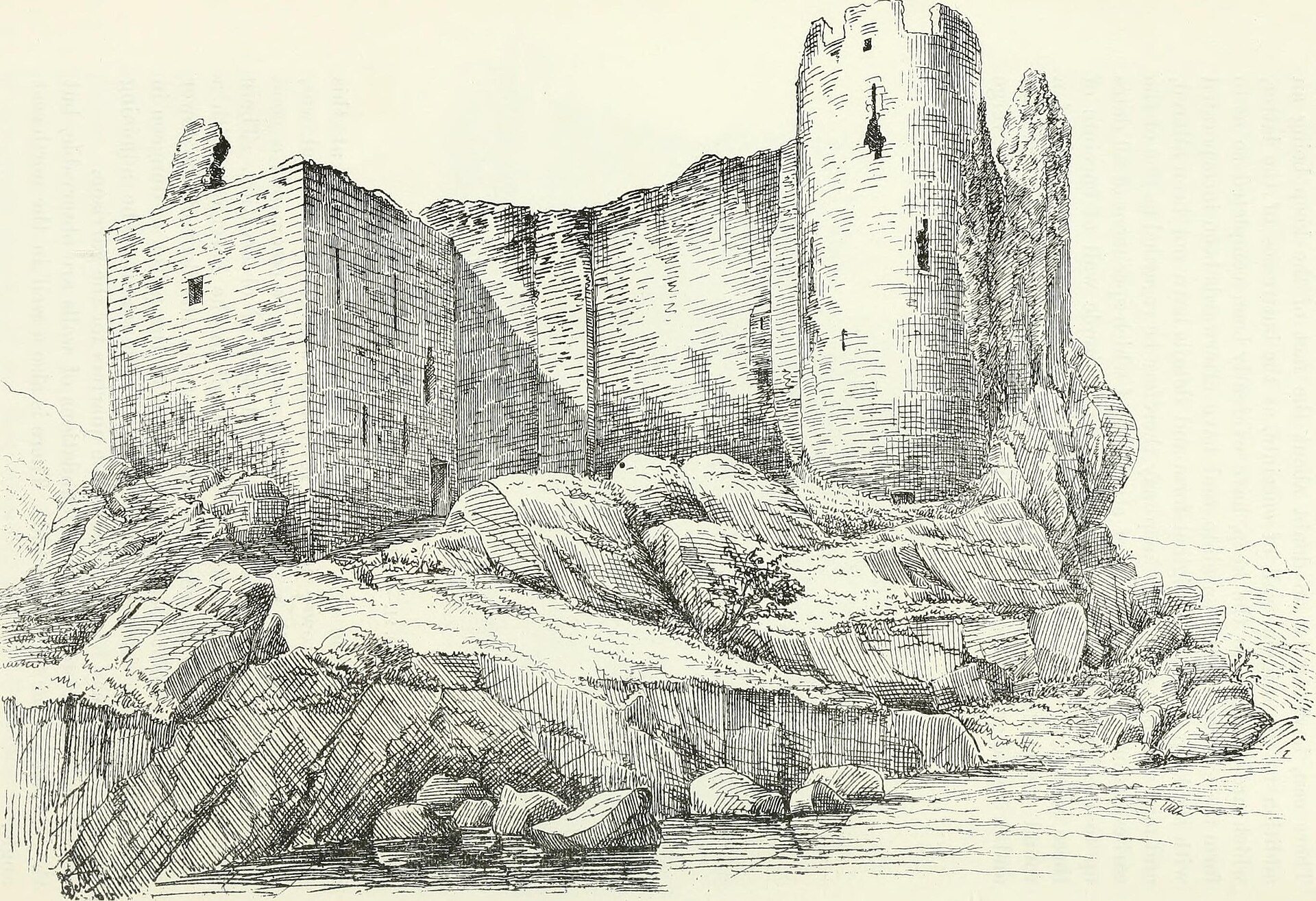
Castle Sween, on the eastern shore of Loch Sween in Knapdale, Argyll, is thought to be one of the earliest stone castles built in Scotland — and is described as the oldest stone castle in Scotland — built in the late 11th century by Suibhne, son of Hugh Anrahan, brother of the king of Ulster and High King of Ireland. Its towers were later additions to wooden structures that have since vanished.
The MacSweens held the surrounding lands of Knapdale as late as the 13th century, after which the territories passed to the Stewart/Menteith family. In 1310 Edward II of England granted John MacSween and his brothers their ancestral lands of Knapdale provided they ousted John Menteith — possibly the subject of the Gaelic poem 'Dál chabhlaigh ar Chaistéal Suibhne', which may refer to a MacSween expedition to retake the castle around 1310.
In 1376 half of Knapdale, including the castle, passed to John MacDonald I, Lord of the Isles, by grant from his father-in-law Robert II; under the MacDonalds the castellans were first MacNeils and later MacMillans. In 1490 Castle Sween was granted to Colin Campbell, 1st Earl of Argyll, by James IV.
In 1647, during the Wars of the Three Kingdoms, Castle Sween was attacked and burnt by Alasdair MacColla and his Irish Confederate followers. The castle was placed in the care of the Historic Building and Monuments Directorate in 1933 and is now protected by Historic Environment Scotland.
People
-
Suibhne (son of Hugh Anrahan)
Builder of the castle in the late 11th century, from whom it takes its name; brother of the king of Ulster and High King of Ireland
-
John MacSween
Granted the MacSween ancestral lands of Knapdale by Edward II in 1310, conditional on ousting John Menteith
-
John MacDonald I, Lord of the Isles
Acquired half of Knapdale including the castle in 1376 by grant from Robert II
-
Colin Campbell, 1st Earl of Argyll
Granted the castle by James IV in 1490
-
Alasdair MacColla
Attacked and burnt the castle in 1647 with his Irish Confederate followers during the Wars of the Three Kingdoms
-
Aithbhreac Inghean Coirceadal
Poet (fl. 1460) whose lament — for the rosary of her late husband, a former constable of Castle Sween — survives in The Book of the Dean of Lismore
Cultural influences
-
Built by Suibhne, of a family connected to the kings of Ulster, the castle reflects the cross-channel Gaelic world linking Argyll and Ireland in the late 11th century.
-
Successive ownership by the MacSweens, Menteiths, MacDonald Lords of the Isles (with MacNeil and MacMillan castellans) and finally the Campbells traces the shifting lordship of medieval Knapdale.
Connections
-
The Book of the Dean of Lismore
16th-century manuscript that preserves Aithbhreac Inghean Coirceadal's lament connected to a former constable of the castle
-
Lordship of the Isles (Clan Donald)
Held the castle from 1376, appointing MacNeil then MacMillan castellans
-
Clan Campbell (Earls of Argyll)
Granted the castle in 1490, bringing it into Campbell hands
Discovery & excavation
Archaeological excavations were carried out at Castle Sween, Knapdale, in 1989-90, published by Ewart and others in the Proceedings of the Society of Antiquaries of Scotland (vol. 126).
In culture
-
Castle Sween featured in the 2021 Starz TV series 'Men in Kilts: A Roadtrip With Sam and Graham' (from Outlander), episode 7 'Clans and Tartans'.
-
It may be the subject of the medieval Gaelic poem 'Dál chabhlaigh ar Chaistéal Suibhne', possibly referring to a MacSween expedition to retake the castle around 1310.
What to look for
-
The early stone curtain of one of Scotland's oldest stone castles, with towers that were later additions to now-vanished wooden structures.
-
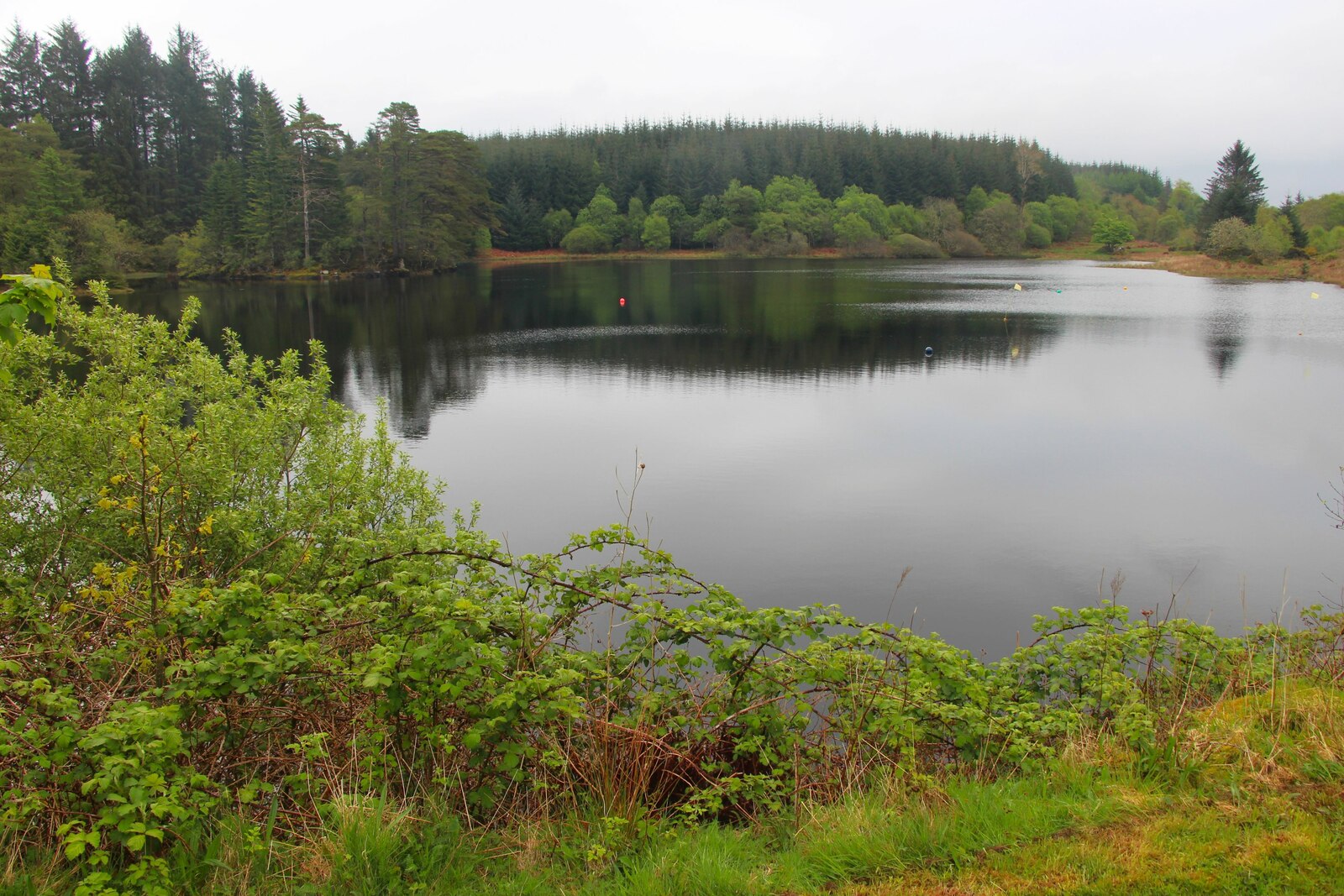
The setting on the eastern shore of Loch Sween in Knapdale — a site that a 2018 Historic Environment Scotland report noted is at 'very high risk' of coastal erosion due to climate change.
Plan your visit
- Location
- 55.9479°N · 5.6654°W
- Nearest settlement
- Achnamara
- Access
- Open access
- Parking
- Parking available nearby — see the official getting-here page.
- Start point
- On the east shore of Loch Sween, in Knapdale off the B8025. · Strong footwear is recommended. · There is no parking for visitors to the castle within the caravan park. There is a 20-30 minute walk downhill from the parking area.
- Start point
- Castle Sween visitor parking — HES: 'no parking for visitors to the castle within the caravan park' and 'a 20-30 minute walk downhill from the parking area.' Strong footwear recommended.
Opening & admission
Free entry
Nearby places
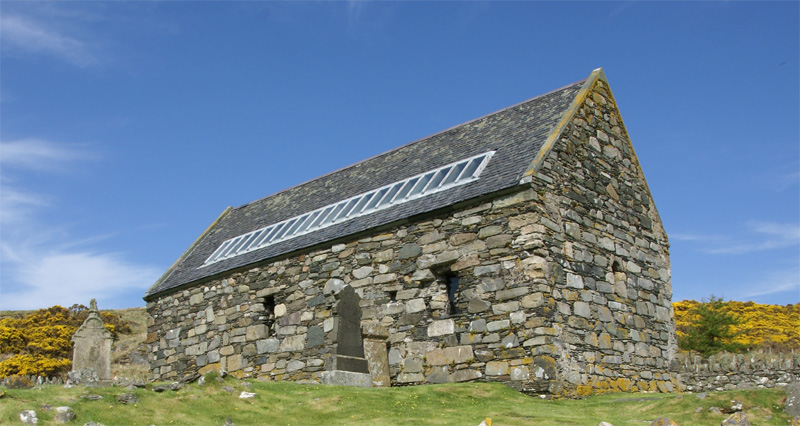
Tomb or burial place · Pictish & early medieval
Keills Chapel and Cross
Argyll and Bute
The chapel dates from the 11th century. Its now re-roofed structure houses an important collection of early stone sculpture, and the original Keill…
- Near Tayvallich
- 73 metres from car park
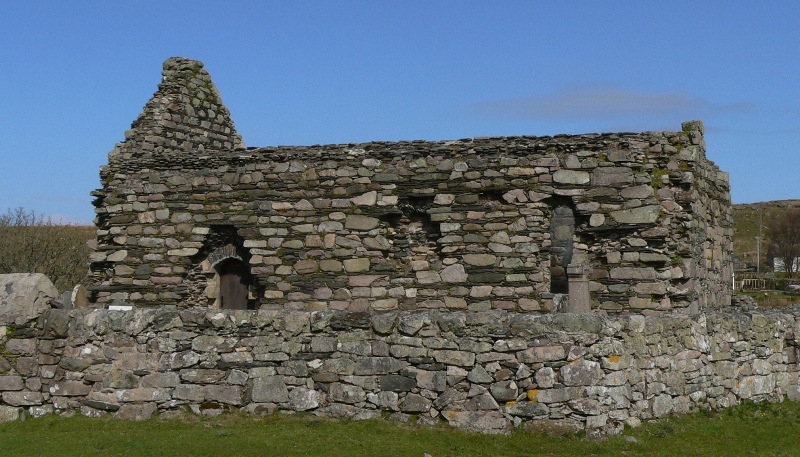
Tomb or burial place · Pictish & early medieval
Kilmory Knap Chapel
Argyll and Bute
The chapel was built in the 13th century. After its roof was lost the building was used as a burial enclosure, and it was re-roofed in 1934 to shel…
- Near Kilmory, Knapdale
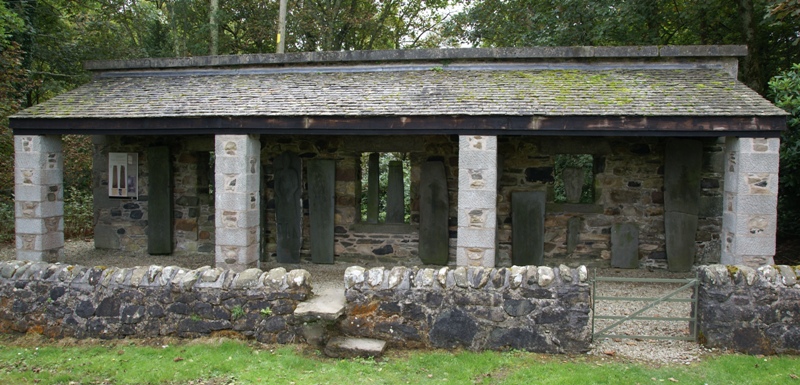
Carved stone · Medieval
Kilberry Sculptured Stones
Argyll and Bute
A surviving group of late medieval cross-slabs and grave markers rescued from a lost parish church, now protected as a scheduled monument in the gr…
- Easy path
Sources
- Canmore site record 39029 (accessed 2026-06-13)
- Trove (HES) record (accessed 2026-06-13)
- Wikipedia: Castle Sween (accessed 2026-06-13)
- Wikidata Q3174 (accessed 2026-06-13)
Explore more: Fortified places · Medieval · Argyll and Bute
The Ancient Codex, in your pocket
Get the Pocket Codex app
Carry the directory with you — Castle Sween and thousands of ancient places across Britain and Ireland, offline, wherever you roam.