
Nettles, carved slabs and fragments of chapel wall mark St Fyndoca’s old burial ground on Inishail in Loch Awe. The Chapel of St Fyndoca was a medieval parish church, meaning the local church serving a defined parish, before worship moved away in the 18th century.
Its documentary trail runs from a 13th-century gift to Inchaffray Abbey through Campbell patronage and parish union. The surviving stones preserve a dense record of medieval devotion, clan burial and local craftsmanship.
What follows is drawn from published sources, with each claim labelled by how firmly it is established.
History
The church of St Findoc of Inchealt was gifted to Inchaffray Abbey in 1257. The chapel remained in Inchaffray Abbey's possession until the Reformation.
John of Fordun mentioned the church around 1400. In 1529 Archibald Campbell, 4th Earl of Argyll, granted lands to Duncan Makcaus on condition that he maintain the chapel and have masses said for James V and the Earl's family.
Queen Mary confirmed the 1529 grant in 1556. Inishail parish was united with Glen Orchy Parish in 1618.
Services were discontinued in the ruinous chapel in 1736, after a new church was built at Cladich. The chapel and burial ground are scheduled monuments.
The 12th Duke of Argyll was buried in the graveyard after his death in April 2001.
People
-
Athe son of Malcolm Macnauchtan
Gave St Findoc's church to Inchaffray Abbey in 1257 with his brother's assent.
-
Sir Gilbert Macnauchtan
Assented to the 1257 gift of the church.
-
Archibald Campbell, 4th Earl of Argyll
Made the 1529 grant requiring maintenance of the chapel and masses.
-
Duncan Makcaus
Received lands in 1529 on condition of maintaining the chapel.
-
Queen Mary
Confirmed the 1529 Campbell grant in 1556.
-
12th Duke of Argyll
Buried in the graveyard after his death in 2001.
Connections
-
Inishail
The chapel stands on this island in Loch Awe.
-
Loch Awe
The island and chapel lie within the loch.
-
Inchaffray Abbey
Owned the church from the 13th century until the Reformation.
-
Glenorchy Parish Church
Later served the united parish after worship left Inishail.
-
MacArthur clan
The graveyard includes MacArthur burials.
What to look for
-
Chapel wall fragments
Only fragments of the small chapel walls survive.
-
Medieval carved slabs
Several 14th- and 15th-century stones survive within the fenced burial ground.
-
Early cross
A weathered early cross stands in the wall area.
-
Campbell heraldry stone
One notable carved stone includes armed figures, a crucifixion scene, a chalice figure and heraldic imagery.
-
Interlaced decoration
Another slab preserves traces of an interlaced-circle cross.
Plan your visit
- Location
- 56.3742°N · 5.0814°W
- Terrain
- Rough ground — reasonable boots advised
Opening & admission
Check boat and local access before travelling
- The chapel is on Inishail in Loch Awe.
- The source describes a ruined chapel and fenced burial ground but gives no visitor access terms.
Nearby places
Minor monument · Medieval
Dovecot, Carloonan, Inveraray Castle Estate
Argyll and Bute
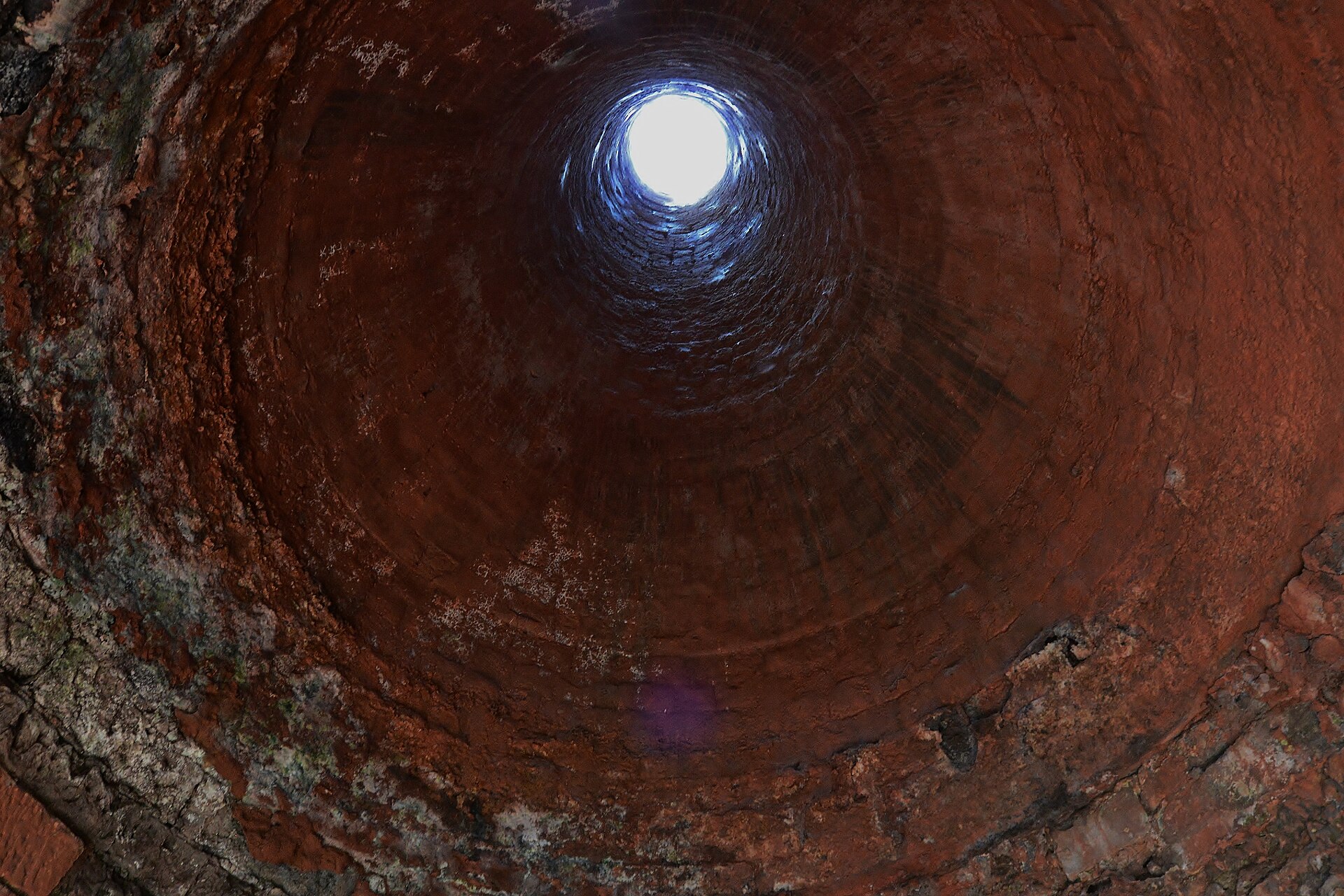
Dovecote with HES-listed pre-1800 evidence (1747).
Fortified place · Medieval
Inveraray Castle
Argyll and Bute
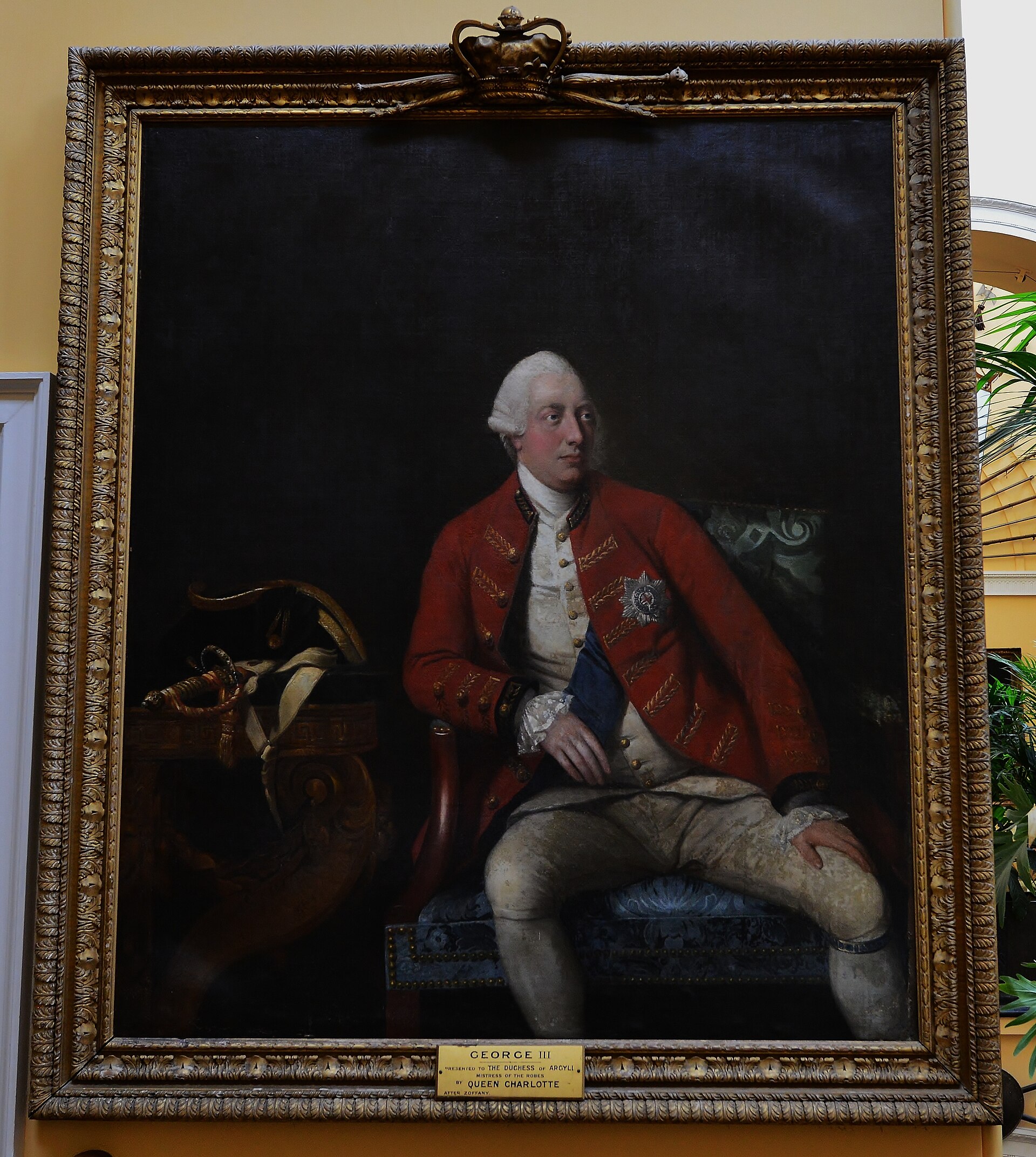
One of the earliest and most complete expressions of Gothic Revival architecture in Scotland, and the continuous seat of the Dukes of Argyll and Cl…
Questions people ask
- What is the Chapel of St Fyndoca?
- It is a ruined medieval parish church and burial ground on Inishail in Loch Awe.
- When is it first recorded?
- It appears in a 1257 gift of the church of St Findoc of Inchealt to Inchaffray Abbey.
- When did worship stop there?
- Services were discontinued in 1736 after a new church had been built at Cladich.
- What survives at the chapel?
- Fragments of chapel wall, a burial ground, medieval carved slabs, an early cross and later gravestones survive.
Sources
Explore more: Building or ruins · Medieval · Argyll and Bute
The Ancient Codex, in your pocket
Get the Pocket Codex app
Carry the directory with you — Chapel of St Fyndoca and thousands of ancient places across Britain and Ireland, offline, wherever you roam.