
Stone stores, a furnace house and waterworks survive at Bonawe, where timber from Argyll once fed a charcoal-fired blast furnace. Bonawe Iron Furnace, also called Lorn Furnace, is an 18th-century industrial complex for making pig iron, the raw iron cast from a furnace before further working.
Built by the Newland Company in 1753, it linked local woodland and river power with Cumbrian capital, ore and markets. Its closure in 1876 reflects the shift from charcoal ironmaking to coke-fuelled industry.
What follows is drawn from published sources, with each claim labelled by how firmly it is established.
History
Bonawe Iron Furnace was built in 1753 by Richard Ford's Newland Company.
The site was chosen for local wood for charcoal and river water to power a water wheel.
Most building materials came from Cumbria, where the company was based.
The furnace could be run almost continuously for nine months at a time after being brought up to temperature.
At its height the operation employed up to 600 people, most involved in timber collection and charcoal production.
Most pig iron was taken to the Newland Company offices in Cumbria for shipping or further processing.
The rise of coke-fuelled ironmaking made Bonawe less profitable in the 19th century.
The furnace closed in 1876 and is now a scheduled monument managed by Historic Environment Scotland.
People
-
Richard Ford
Associated with the Newland Company that built Bonawe Iron Furnace.
Connections
-
River Awe
Water from the river fed the wheel that powered the furnace bellows.
-
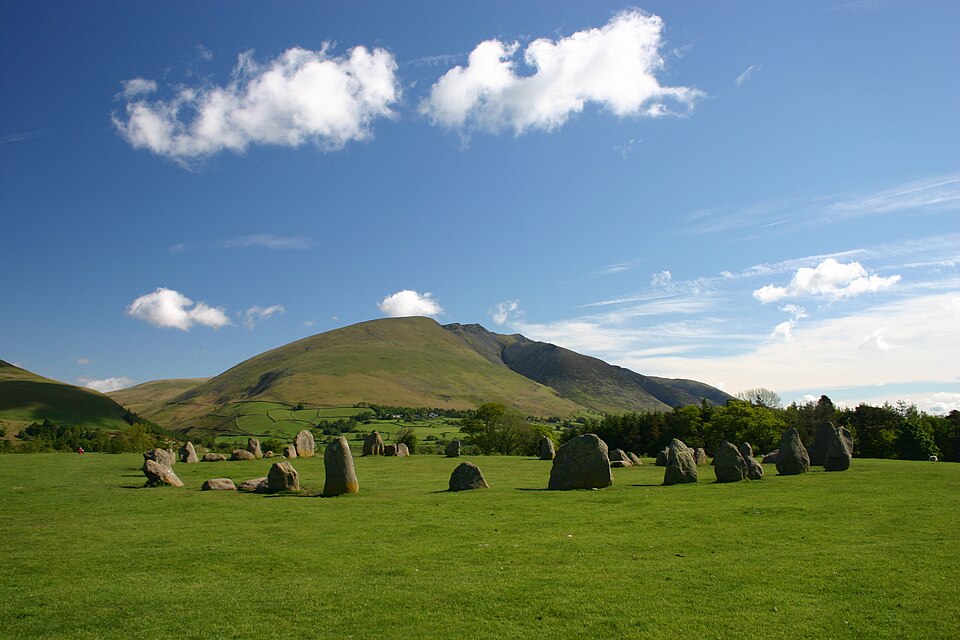
Photo: Rob Bendall (Highfields) / Wikimedia Commons / Attribution Cumbria
The owning company was based there, and pig iron was taken there for processing or shipping.
-
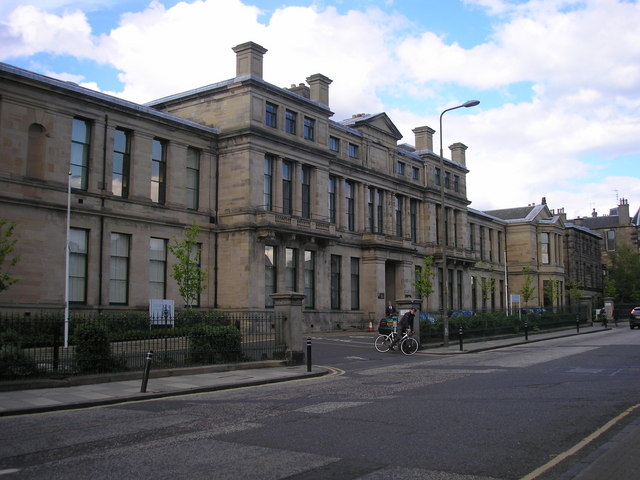
Photo: Sandy Gemmill / Wikimedia Commons / CC BY-SA 2.0 Historic Environment Scotland
Manages the surviving furnace complex.
What to look for
-
Blast furnace building
The furnace complex included charging, blowing and casting areas.
-
Charcoal stores
Two large stores were dug into a bank for upper loading and lower removal.
-
Ore store
The store held hematite and limestone for furnace use.
-
Aqueduct and water wheel position
Water power drove the bellows through a wheel on the furnace building's east side.
-
Pier and accommodation
The wider complex included a pier, worker accommodation and the local representative's house.
Plan your visit
- Location
- 56.4370°N · 5.2299°W
- Terrain
- Easy going
Opening & admission
Check Historic Environment Scotland before travelling
- The surviving furnace complex is managed by Historic Environment Scotland.
- The source does not include opening hours or admission terms.
Nearby places

Questions people ask
- What was Bonawe Iron Furnace?
- It was an 18th-century charcoal-fired blast furnace complex that produced pig iron.
- Why was Bonawe chosen?
- The Newland Company chose it for local wood that could be turned into charcoal and river water that could power a water wheel.
- What did Bonawe produce?
- It mainly produced pig iron, with no forge for finished products apart from simple items such as cannonballs.
- Why did it close?
- Charcoal ironmaking became less competitive as coke-fuelled furnaces spread, and Bonawe closed in 1876.
Sources
Explore more: Building or ruins · Medieval · Argyll and Bute
The Ancient Codex, in your pocket
Get the Pocket Codex app
Carry the directory with you — Bonawe Iron Furnace and thousands of ancient places across Britain and Ireland, offline, wherever you roam.