
Ruined church walls, carved stones and old garden ground survive beside Loch Etive at Ardchattan Priory. The site began as a priory, a small religious house led by a prior, for the Valliscaulian order in the 13th century.
Its later life was layered rather than simple. The Campbell family adapted part of the monastic buildings as a private dwelling, the choir served parish worship, and the surrounding gardens developed into a historic landscape overlooking Ben Cruachan and the hills of Mull.
What follows is drawn from published sources, with each claim labelled by how firmly it is established.
History
Ardchattan Priory was founded in 1230 by Duncan MacDougall, Lord of Argyll.
The priory belonged to the Valliscaulian order.
Tradition links the origins of Clan Chattan to the protection of Ardchattan's priory lands.
In 1308 Robert Bruce's campaign included a council of local chiefs at Ardchattan, often described as the last Gaelic-speaking parliament in Scotland.
In April 1510 the priory was incorporated as a cell of Beauly Priory.
In the 16th century the site passed to Clan Campbell, who converted the south range into a private dwelling.
The monastic church fell out of use after a new parish church was built in 1731-2 and was later quarried for stone.
The priory structures, burial ground and carved stones are scheduled, and the gardens are separately listed for historical, horticultural and scenic value.
People
-
Duncan MacDougall, Lord of Argyll
Founded Ardchattan Priory in 1230.
-
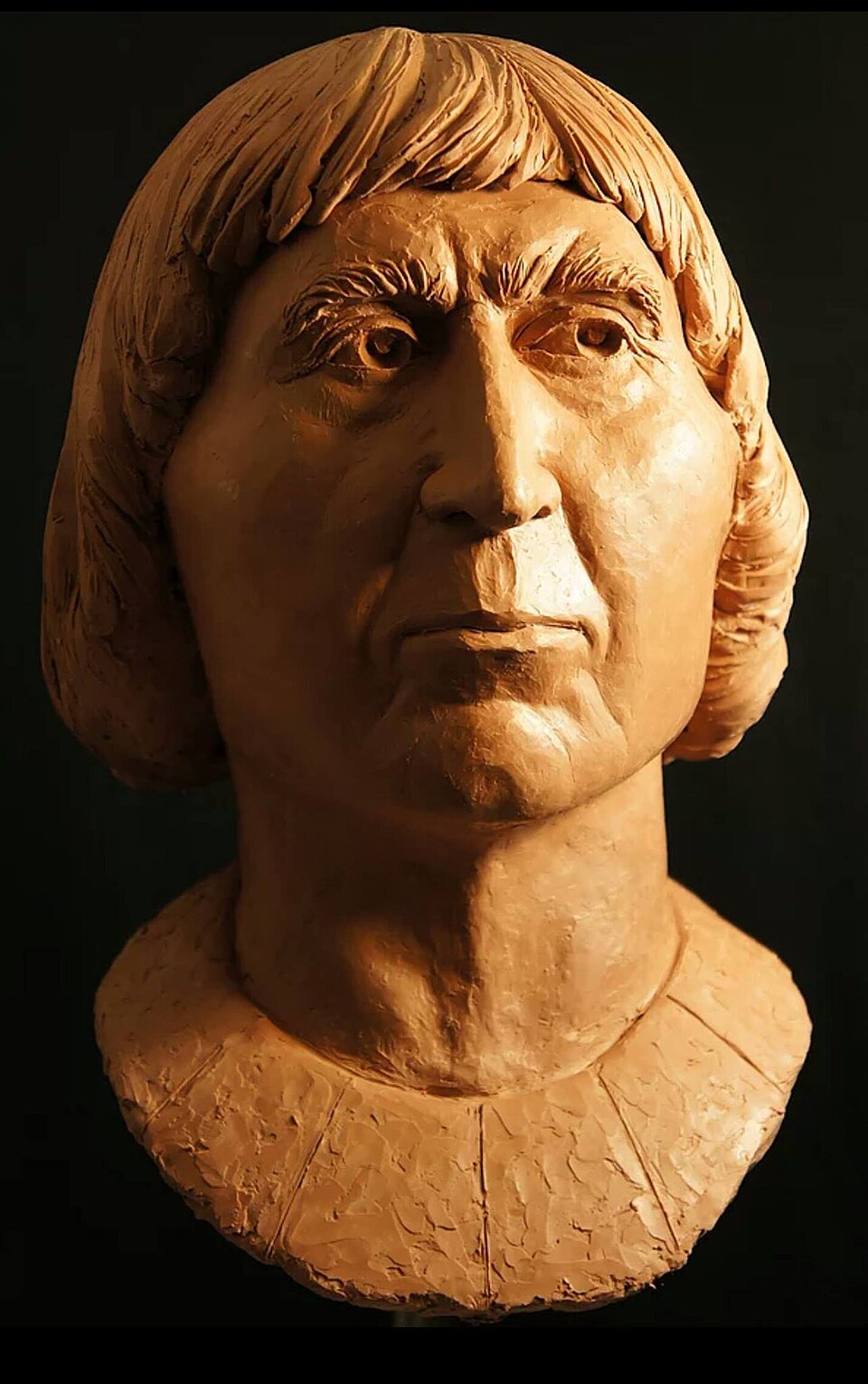
Portrait: S.A.Farabi / Wikimedia Commons / CC BY-SA 4.0 Robert Bruce
His 1308 campaign included a council of local chiefs at Ardchattan.
-
Séon Carsuel
Buried at Ardchattan Priory.
Connections
-
Loch Etive
The priory and gardens overlook the loch.
-
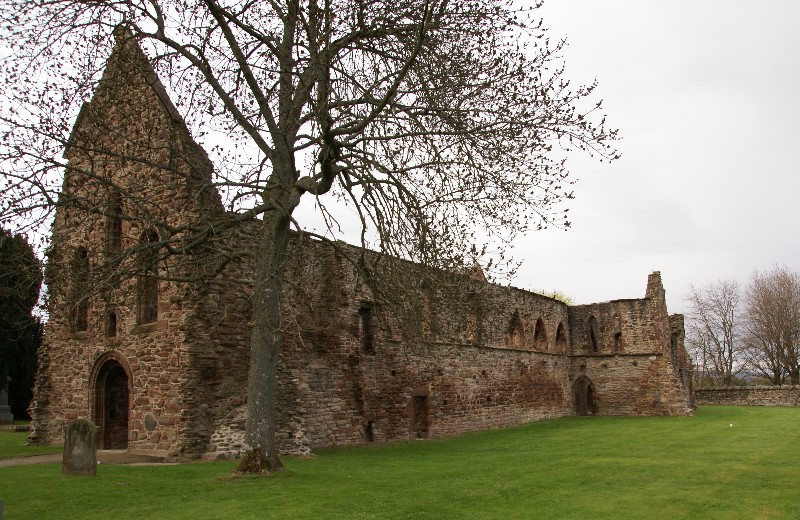
Photo: Bubobubo2 / Wikimedia Commons / CC BY-SA 3.0 Beauly Priory
Ardchattan was incorporated as a cell of Beauly in 1510.
-
Clan Campbell
The family took possession in the 16th century and adapted the monastic ranges.
-
Clan Chattan
Clan tradition connects its early protector role with the priory lands.
What to look for
-
Stone screen
A stone screen separating the choir from the rest of the church survives.
-
Tomb chest and piscina
These liturgical and funerary features remain toward the east of the church.
-
Refectory pulpit
The vaulted refectory pulpit survives and was restored in 1960.
-
Carved stones
Carved stones are sheltered at the site.
-
Historic gardens
Formal, woodland and kitchen-garden areas reflect later estate development.
What is said
Folklore and tradition, recorded as what is said — not as established fact.
-
Bruce's yews
A garden tradition says Robert Bruce inspected yew trees at Ardchattan and that wood was cut for longbows used at Bannockburn. (tradition)
Plan your visit
- Location
- 56.4626°N · 5.2944°W
- Terrain
- Moderate walking
Opening & admission
Check current garden and priory information before travelling
- The source identifies historic gardens and a priory landscape but does not give opening terms.
- Carved stones, burial ground and later garden areas may have separate access constraints.
Nearby places
Questions people ask
- What was Ardchattan Priory?
- It was a Valliscaulian priory founded in 1230 by Duncan MacDougall, Lord of Argyll.
- What happened at Ardchattan in 1308?
- Robert Bruce's campaign included a council of local chiefs at the priory, often described as the last Gaelic-speaking parliament in Scotland.
- What survives today?
- Ruined church fabric, carved stones, burial enclosures, a refectory and historic gardens survive.
- How did the Campbells change the site?
- After the priory passed to Clan Campbell in the 16th century, the south range was converted into a private dwelling and the choir and transepts served parish worship.
Sources
Explore more: Building or ruins · Medieval · Argyll and Bute
The Ancient Codex, in your pocket
Get the Pocket Codex app
Carry the directory with you — Ardchattan Priory and thousands of ancient places across Britain and Ireland, offline, wherever you roam.