
The high cross was carved probably in the second half of the 8th century AD, in a workshop tradition closely related to the contemporary crosses on Iona to the north.
Kildalton takes its name from the Gaelic Cill Daltain, “church of the foster son”, understood to refer to St John the Evangelist. Its high cross was carved probably in the second half of the 8th century, in a workshop tradition closely related to the crosses of Iona to the north.
What follows is drawn from published sources, with each claim labelled by how firmly it is established.
The name
Kildalton comes from the Scottish Gaelic Cill Daltain, 'Church of the Foster Son' — taken to refer to St John the Evangelist, the disciple traditionally regarded as Christ's foster brother or beloved 'son'.
History
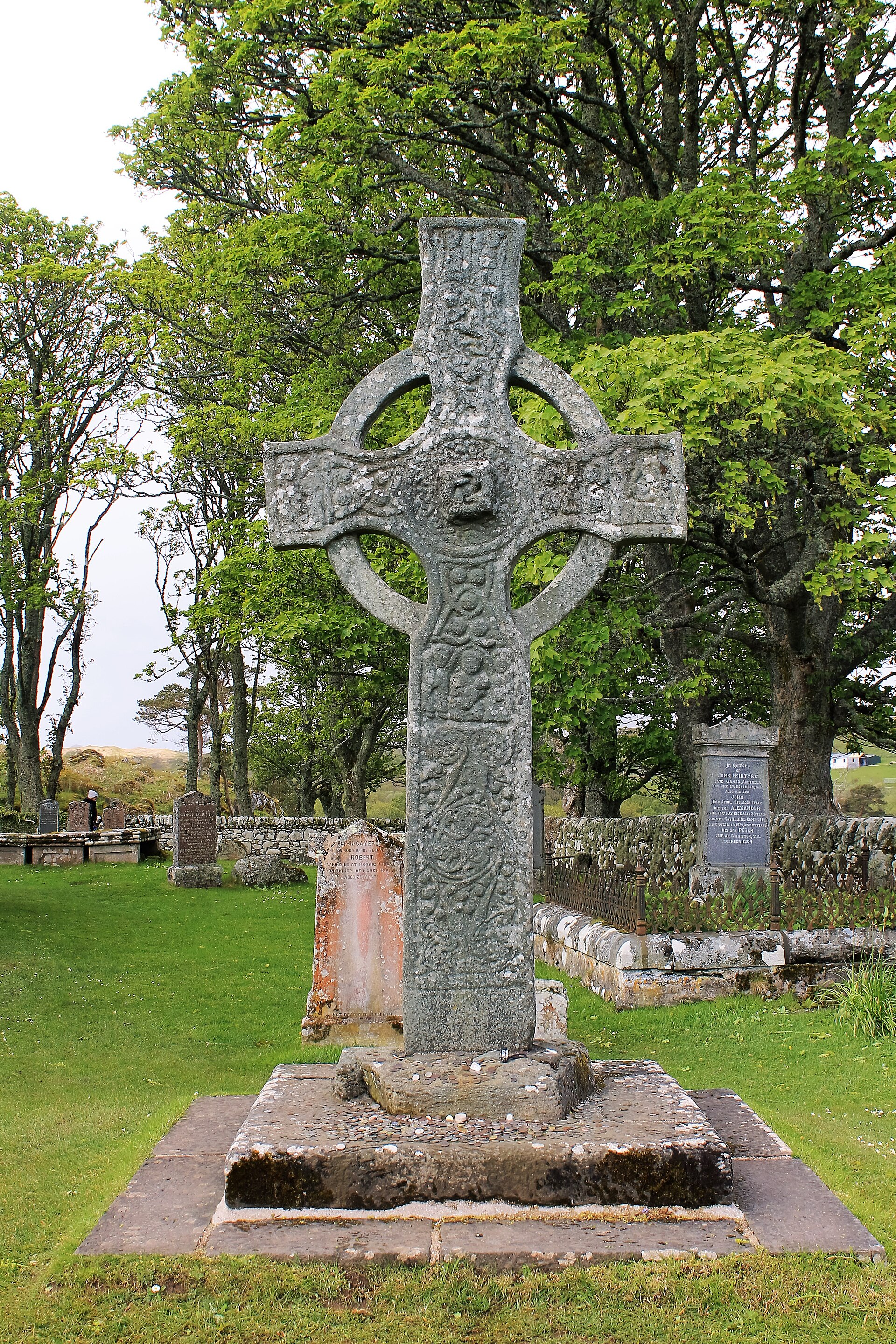
The high cross was carved probably in the second half of the 8th century AD, in a workshop tradition closely related to the contemporary crosses on Iona to the north.
People
-
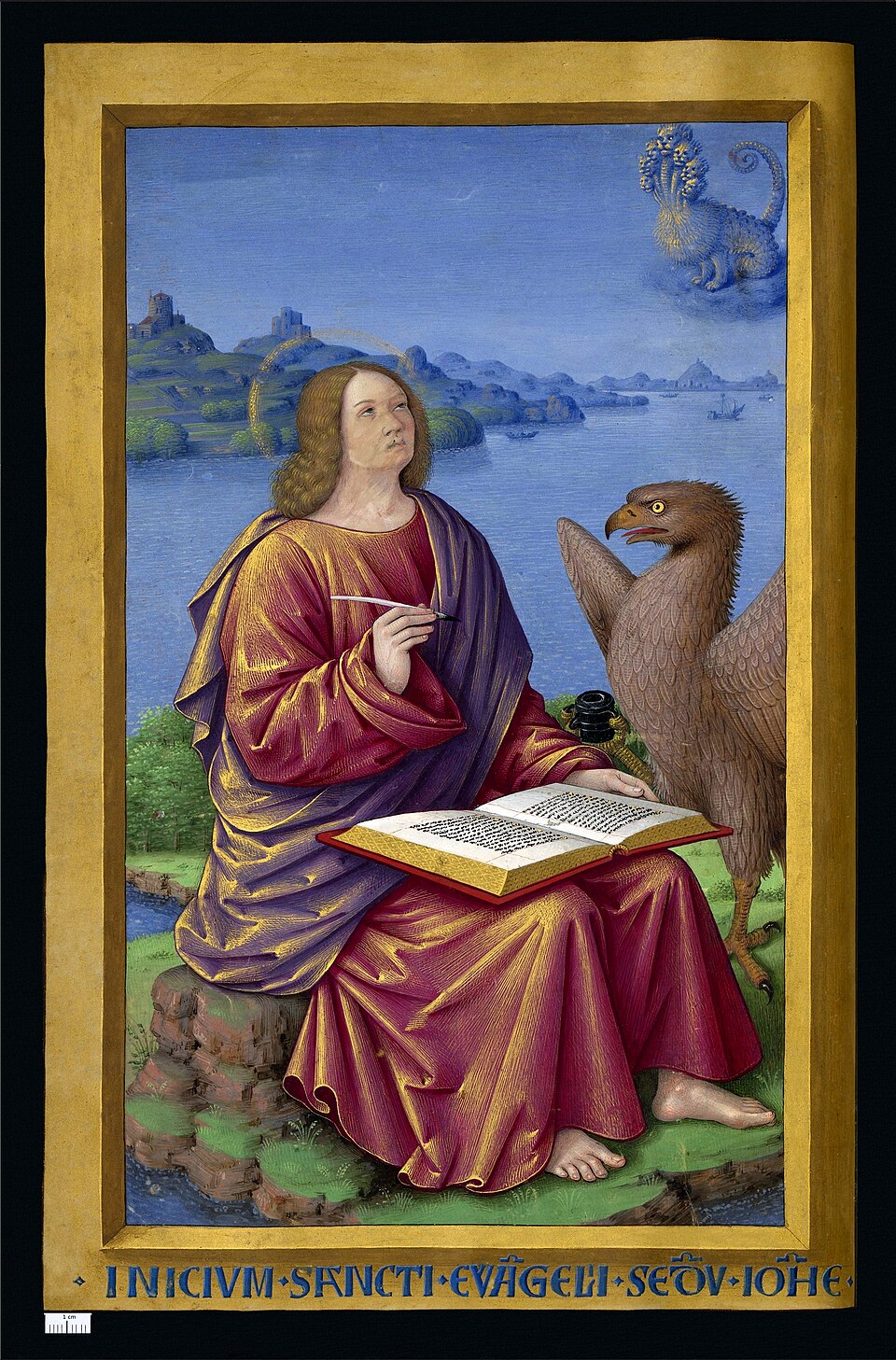
Portrait: Jean Bourdichon / Wikimedia Commons / Public domain St John the Evangelist
Saint to whom the church's Gaelic name Cill Daltain ('Church of the Foster Son') is understood to refer
Cultural influences
-
The Iona school of high-cross carving — the Kildalton Cross is closely related to crosses of similar date on Iona, including St Martin's Cross and St Oran's Cross.
-
Insular manuscript art — the Virgin and Child panel shows similarities with folio 7v of the Book of Kells.
-
Mediterranean Marian iconography — the Virgin and Child imagery may relate to the contemporary Maria Regina type used in Rome to refute iconoclasm.
Connections
-
St Martin's Cross, Iona
Closely related Iona high cross sharing Virgin and Child iconography
-
St Oran's Cross, Iona
Closely related Iona high cross sharing Virgin and Child iconography
-
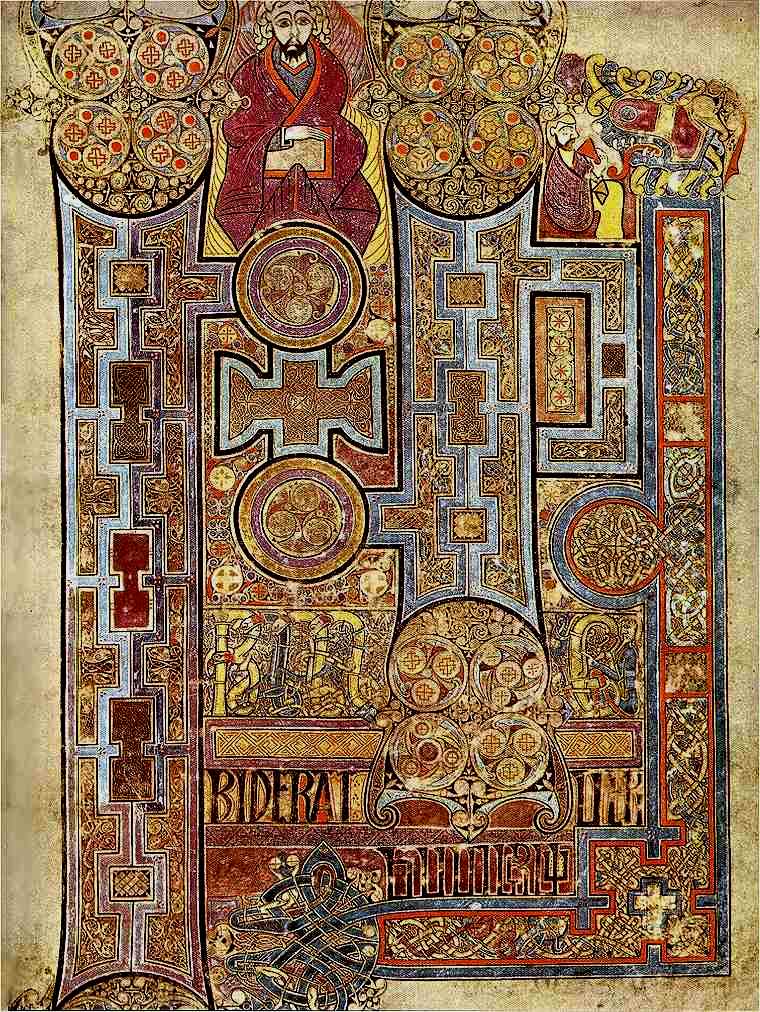
Photo: Unknown authorUnknown author / Wikimedia Commons / Public domain Book of Kells (folio 7v)
Manuscript parallel for the Virgin and Child panel
In culture
-
Often considered the finest surviving Celtic cross in Scotland, and one of the most perfect monuments of its date to survive in western Europe.
What to look for
-
The monolithic ringed Celtic cross itself — carved from a single block of stone in the churchyard of the former parish church.
-
The Virgin and Child panel, closely echoing the Iona crosses and the Book of Kells.
-
The adjacent roofless medieval parish church, scheduled jointly with the cross.
-
A simpler cross of late medieval date standing nearby.
Plan your visit
- Location
- 55.6842°N · 6.0455°W
- Nearest settlement
- Port Ellen
- Access
- Open access
- Terrain
- Easy going
- Start point
- Kildalton Cross · West of Ardmore on Islay.
- Best time
- Open year-round.
- Start point
- Kildalton Cross car park (gravel) — Small gravel parking area immediately beside the chapel and cross, west of Ardmore on Islay.
Opening & admission
Free entry
- Open year-round.
Nearby places
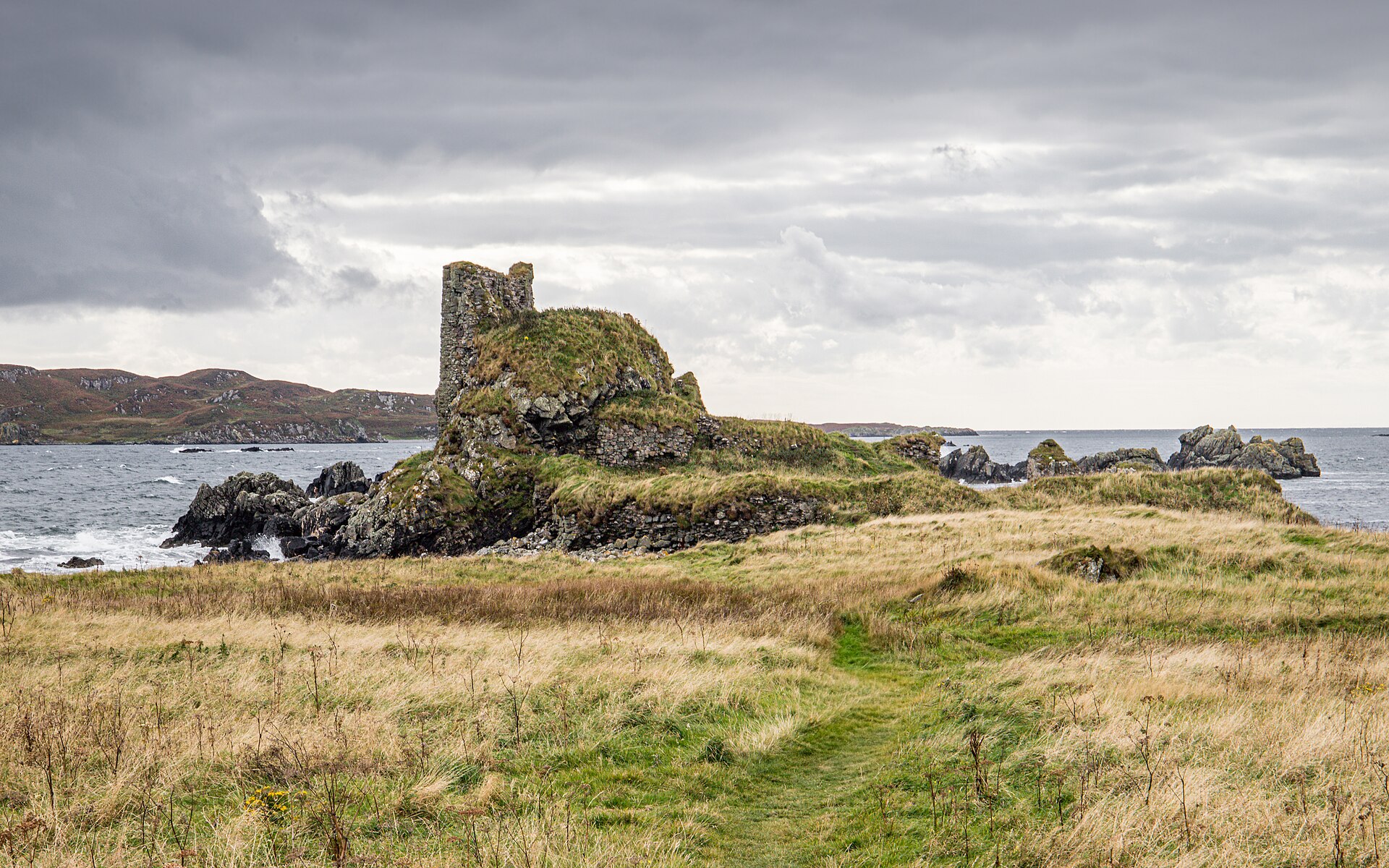
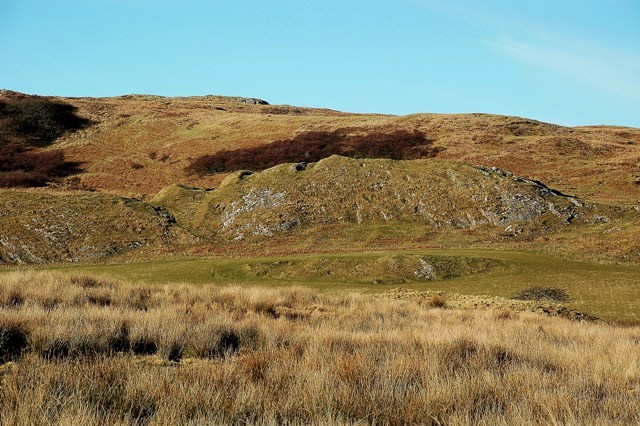
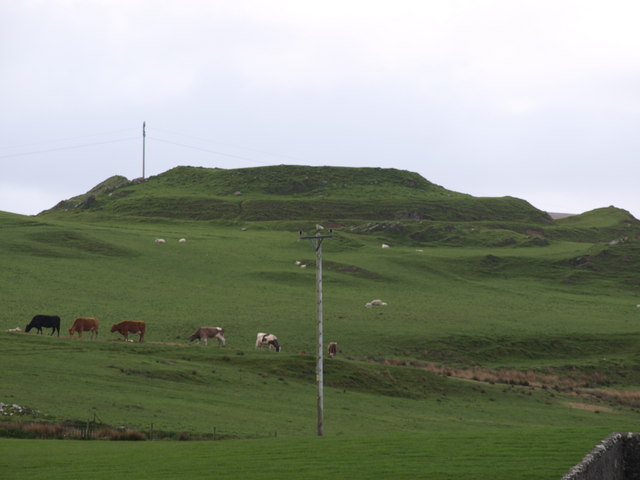
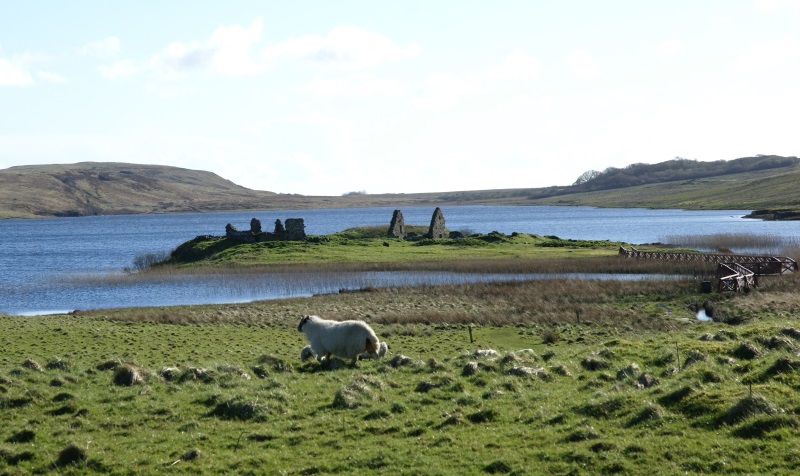
Building or ruin · Medieval
Finlaggan, Eilean Mor
Argyll and Bute
In the first half of the 7th century a monastic community was established on Eilean Mor, the largest of the three islands in Loch Finlaggan — eithe…
- Near Port Askaig
- 520 metres from car park
- Some walking
Questions people ask
- What is Kildalton Cross?
- It is a monolithic ringed high cross carved from a single block of stone, standing in the churchyard of the former parish church on Islay.
- How old is Kildalton Cross?
- It was probably carved in the second half of the 8th century AD, in a workshop tradition related to the crosses on Iona.
- What does the Virgin and Child panel show?
- An image closely echoing the Iona crosses and folio 7v of the Book of Kells, possibly also drawing on Mediterranean Marian iconography.
- Can you visit Kildalton Cross?
- Yes — Historic Environment Scotland lists free entry and year-round access, with a small gravel car park immediately beside the chapel and cross.
Sources
- Canmore site record 251204 (accessed 2026-06-13)
- Trove (HES) record (accessed 2026-06-13)
- Wikipedia: Kildalton Cross (accessed 2026-06-13)
- Wikidata Q1641077 (accessed 2026-06-13)
Explore more: Tomb or burial places · Pictish & early medieval · Argyll and Bute
The Ancient Codex, in your pocket
Get the Pocket Codex app
Carry the directory with you — Kildalton Cross and Chapel and thousands of ancient places across Britain and Ireland, offline, wherever you roam.