
A named, long-standing tree carried in local memory as a landmark — included for its place in the landscape, with age and superlative claims held for verified sourcing.
A tree still standing under its own remembered name, Eppie Callum’s Oak, gives its identity to this record ahead of the fuller history.
What follows is drawn from published sources, with each claim labelled by how firmly it is established.
What to look for
-
A living tree: admire it without climbing, scarring the bark or compacting the ground around the roots.
What is said
Folklore and tradition, recorded as what is said — not as established fact.
-
No single written record fixes when the oak was named, or by whom — the story is kept alive locally, and this page treats it as remembered tradition rather than documented fact.
Plan your visit
- Location
- General area near Argyll and Bute, Argyll and Bute
- Nearest settlement
- Argyll and Bute
- Access
- Reached on a public path
- What survives
- Living-tree condition and access should be checked against current local guidance before any visit copy is expanded.
This is a sensitive or fragile site, so we show only its general area. Please check official heritage sources for access before visiting, and take care not to disturb it.
Nearby places
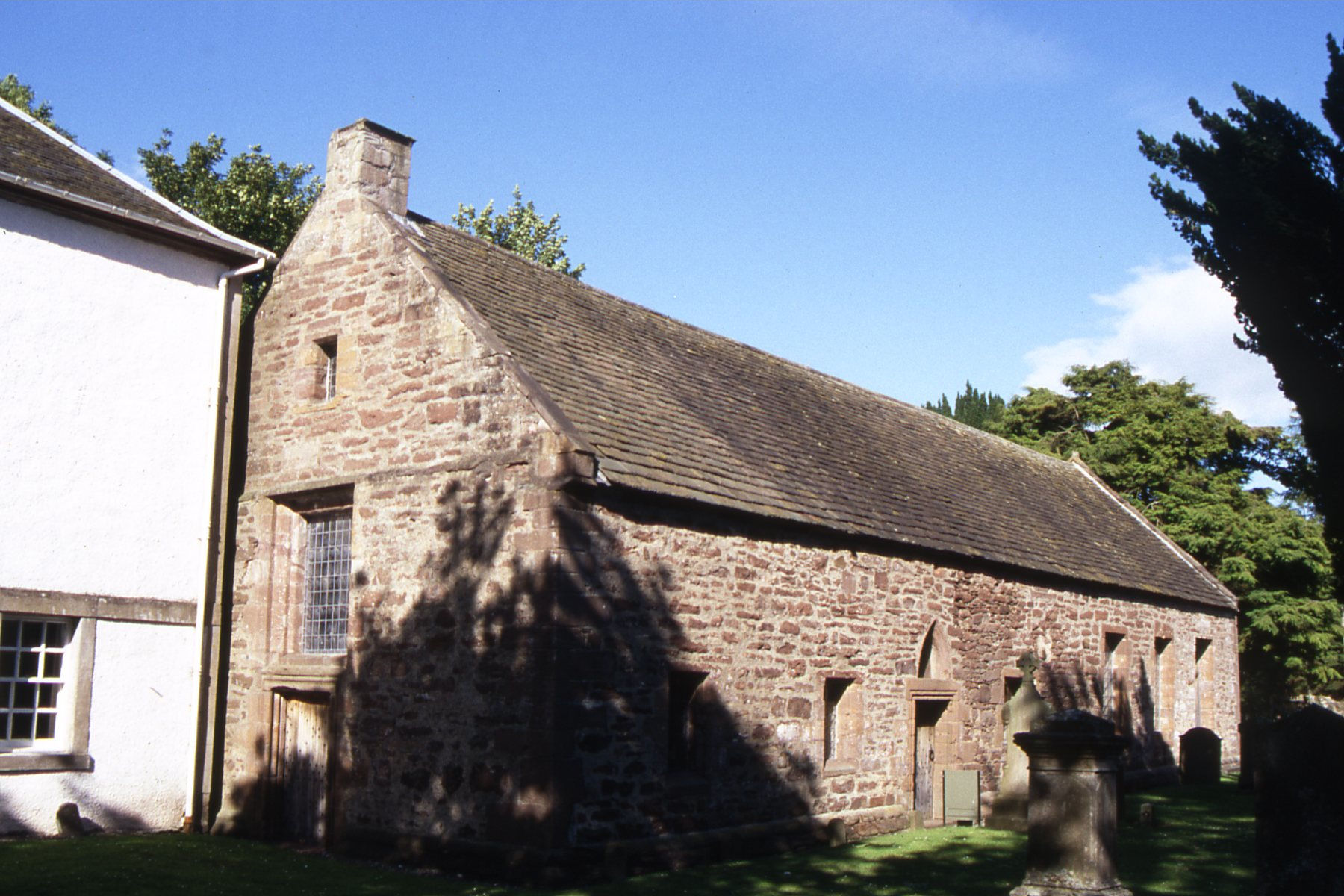
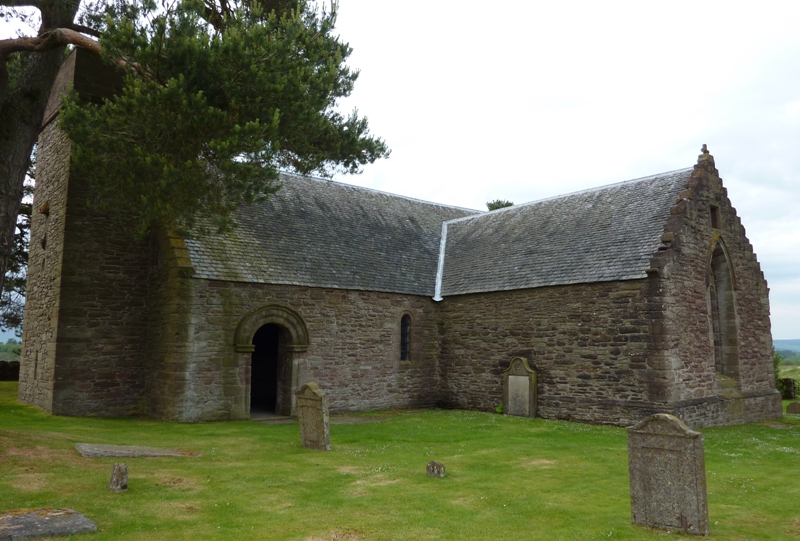
Building or ruin · Medieval
Tullibardine Chapel
Perth and Kinross
A large part of the chapel dates to 1446, when it was built by Sir David Murray, Baron of Tullibardine, of Tullibardine Castle, as a family chapel…
- Near Auchterarder
- 1 min walk from car park
Sources
- Wikidata entity (accessed 2026-07-11)
Explore more: Ancient trees · Medieval · Argyll and Bute
The Ancient Codex, in your pocket
Get the Pocket Codex app
Carry the directory with you — Eppie Callum's Oak and thousands of ancient places across Britain and Ireland, offline, wherever you roam.