
The medieval stronghold and ancestral seat of Clan MacLean, reclaimed and restored by the clan's chief in 1911 after more than a century as a ruin.
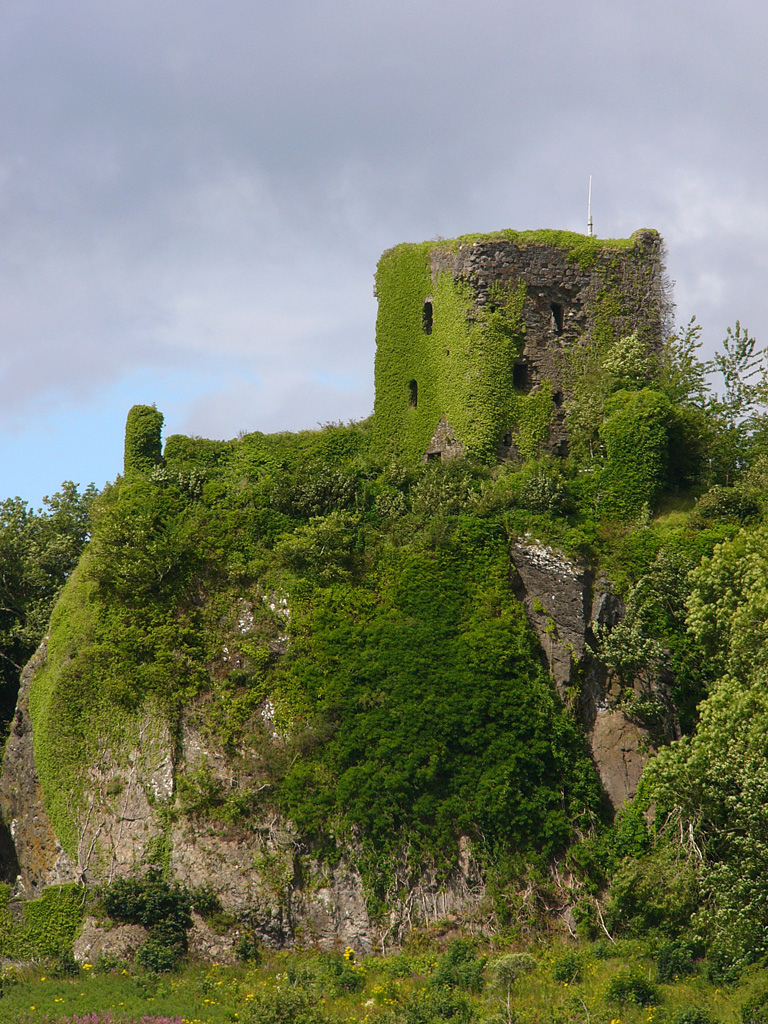
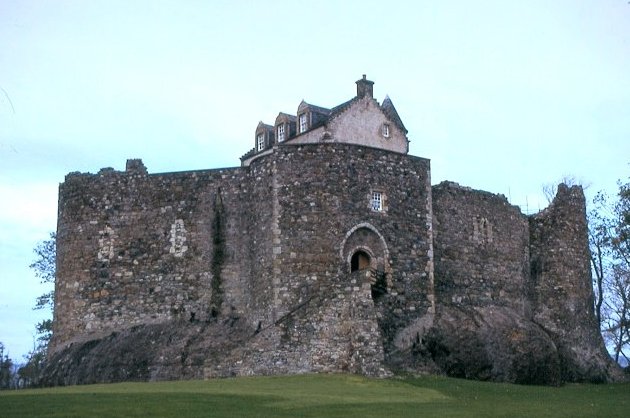
Duart Castle stands on a rocky crag on the Isle of Mull, commanding the approaches to the Sound of Mull. Probably raised by Clan MacDougall in the 13th century, it passed within a century into the hands of Clan MacLean, who would hold it as their principal seat for generations. The link was sealed in 1350, when Lachlan Lubanach Maclean married Mary Macdonald, daughter of the Lord of the Isles, and the castle came to him as part of her dowry. From here the MacLeans defended their territory through the turbulence of clan warfare; in 1647 the stronghold held out against a besieging Campbell force. Their fortunes turned later that century. After the Campbells took control, the castle was surrendered in 1691 to the Earl of Argyll, who had part of it pulled down. By 1751 the buildings lay abandoned, and the ruin was left derelict for well over a century. Its revival came in 1911, when Sir Fitzroy Donald Maclean, 26th Chief of Clan MacLean, bought back the ancestral seat and restored it. Now once more the clan’s home, Duart has also drawn film-makers, appearing in productions from I Know Where I’m Going! (1945) to Entrapment (1999).
What follows is drawn from published sources, with each claim labelled by how firmly it is established.
What to look for
-
The commanding position on a crag above the Sound of Mull, chosen to watch the sea approaches
-
Medieval fabric surviving from the castle's likely 13th-century origins
-
Traces of the partial demolition ordered after the 1691 surrender to the Earl of Argyll
-
The restoration begun in 1911 that returned the castle to Clan MacLean use
Plan your visit
- Location
- 56.4562°N · 5.6549°W
Nearby places
The Ancient Codex, in your pocket
Get the Pocket Codex app
Carry the directory with you — Duart Castle and thousands of ancient places across Britain and Ireland, offline, wherever you roam.