
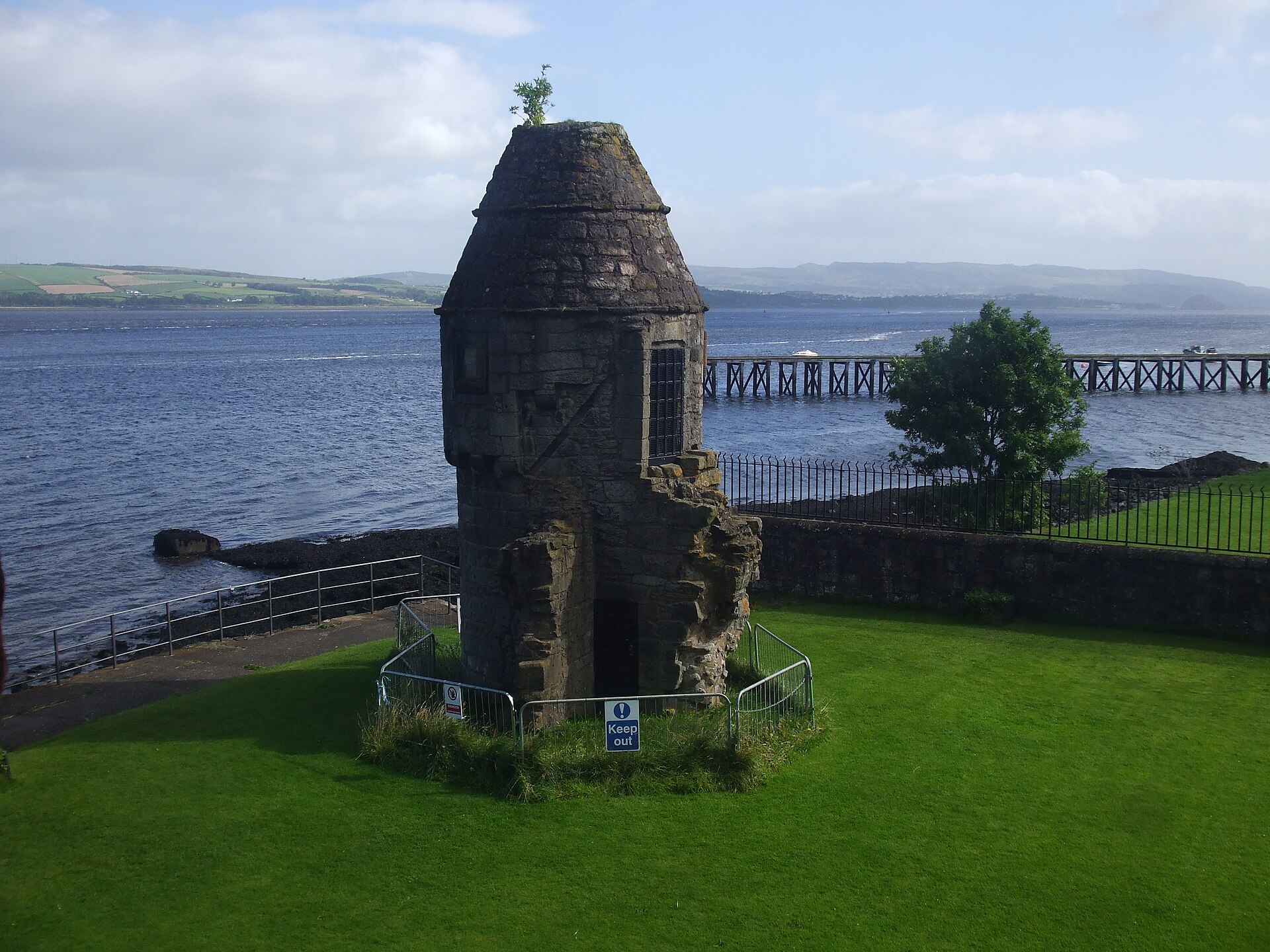
Kilmahew Castle’s ruined tower stands north of Cardross near St Peter’s Seminary and the Kilmahew Burn. The castle began as a 16th-century tower house, a fortified multi-storey residence, on lands associated with the Napier family.
Its later story is one of inheritance, engineering lineage, estate sales and institutional ownership. In 2020 the Kilmahew Education Trust acquired the wider estate, including the castle, seminary and John Fleming’s Walled Gardens.
What follows is drawn from published sources, with each claim labelled by how firmly it is established.
History
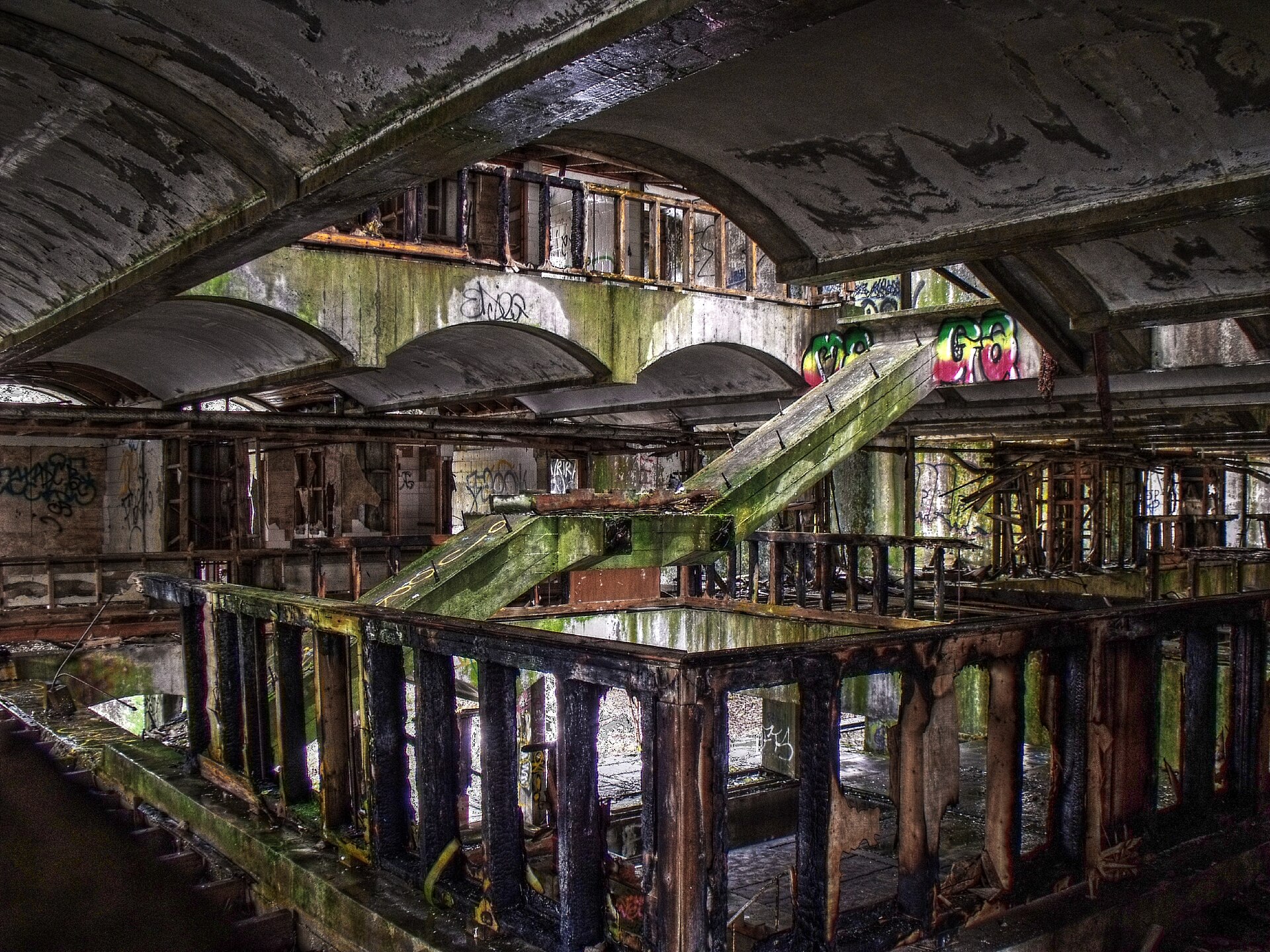
Kilmahew Castle stands just north of Cardross in Argyll and Bute. The castle is close to the ruins of St Peter's Seminary and Kilmahew Burn.
Kilmahew is named after its patron saint, Mochta, also called Mahew. The lands were granted to the Napiers by Malcolm, Earl of Lennox, around 1290.
The castle was built in the 16th century by the Napier family. The Napiers owned Kilmahew for 18 generations.
Members of the Napier line included engineers such as Robert Napier, David Napier, James Napier and Montague Napier. George Maxwell inherited the estate in 1694 and assumed the Napier name.
The estate was sold to Alexander Sharp in 1820 in repayment of gambling debts. James Burns of Bloomhill acquired the estate in 1839 and died in the castle in 1871.
The Archdiocese of Glasgow acquired the ruins and surrounding estate in 1948. The Kilmahew Education Trust acquired Kilmahew Castle in 2020 as part of the 140-acre Kilmahew Estate.
The castle was originally a four-storey 16th-century tower house. Modifications in 1744 are attributed to John Douglas, with later Gothic changes by Alexander Sharp.
People
-
Malcolm, Earl of Lennox
Granted the Kilmahew lands to the Napiers around 1290.
-
Robert Napier
Engineer described in the source as the Father of Clyde Shipbuilding and part of the Napier lineage.
-
George Maxwell of Newark and Tealing
Inherited the estate in 1694 and assumed the Napier name.
-
Alexander Sharp
Bought the estate in 1820 and made 19th-century Gothic modifications.
-
James Burns of Bloomhill
Acquired the estate in 1839 and died in the castle in 1871.
-
John Douglas
Architect credited with 1744 modifications.
Connections
-
Cardross
Nearby settlement south of the castle.
-
St Peter's Seminary
Nearby ruin within the wider Kilmahew Estate.
-
Kilmahew Education Trust
Acquired the castle and estate in 2020.
-
John Fleming's Walled Gardens
Part of the estate acquired with the castle.
-
Archdiocese of Glasgow
Owned the ruins and estate from 1948.
What to look for
-
Tower-house remains
The castle began as a four-storey 16th-century tower house.
-
18th-century alterations
Modifications made in 1744 are attributed to John Douglas.
-
19th-century Gothic changes
Alexander Sharp made visible Gothic alterations.
-
Estate context
The castle sits within a larger landscape including St Peter's Seminary and walled gardens.
Plan your visit
- Location
- 55.9725°N · 4.6428°W
- Terrain
- Moderate walking
Opening & admission
Check Kilmahew Estate information before travelling
- The castle is part of the Kilmahew Estate, acquired by the Kilmahew Education Trust in 2020.
- The source gives ownership history but no public access terms.
Nearby places
Ancient tree · Medieval
Bruce Tree
West Dunbartonshire
A named, long-standing tree carried in local memory as a landmark — included for its place in the landscape, with age and superlative claims held f…
- Near West Dunbartonshire
Ancient tree · Medieval
Wallace Oak (Port Glasgow)
Inverclyde
A named, long-standing tree carried in local memory as a landmark — included for its place in the landscape, with age and superlative claims held f…
- Near Inverclyde
Questions people ask
- What is Kilmahew Castle?
- It is a ruined 16th-century tower house north of Cardross in Argyll and Bute.
- Who built Kilmahew Castle?
- The Napier family built it in the 16th century and owned it for 18 generations.
- What does Kilmahew mean?
- The name comes from its patron saint, Mochta or Mahew.
- Who owns the estate now?
- The Kilmahew Education Trust acquired Kilmahew Castle in 2020 as part of the Kilmahew Estate.
Sources
Explore more: Building or ruins · Medieval · Argyll and Bute
The Ancient Codex, in your pocket
Get the Pocket Codex app
Carry the directory with you — Kilmahew Castle and thousands of ancient places across Britain and Ireland, offline, wherever you roam.