
Norse and Clan Macfie history gather around Dùn Eibhinn on Colonsay. Also called Dun Evan, Dun Eivan or Fort of Eyvind, it is a hillfort, a defended high place.
The source describes it as an early-11th-century royal residence and a seat of Viking power. It later passed to Clan Macfie and became ruinous after a 1623 feud.
What follows is drawn from published sources, with each claim labelled by how firmly it is established.
History
Dùn Eibhinn is also known as Dun Evan, Dun Eivan or Fort of Eyvind.
It is believed to have been built as a royal residence in the early 11th century.
The fort was a seat of Viking power in the Hebrides.
Clan Macfie held it from the early 13th century.
After Malcolm Macfie of Colonsay was killed by Coll Mac Gillespick MacDonald in 1623, the fort was abandoned.
People
-
Malcolm Macfie of Colonsay
Clan Macfie chief killed in the 1623 feud.
-
Coll Mac Gillespick MacDonald
Killed Malcolm Macfie, after which the fort was abandoned.
Connections
-
Clan Macfie
Later holders of the fort.
-
Hebrides
Region where the fort is described as a Viking power centre.
What to look for
-
Hillfort position
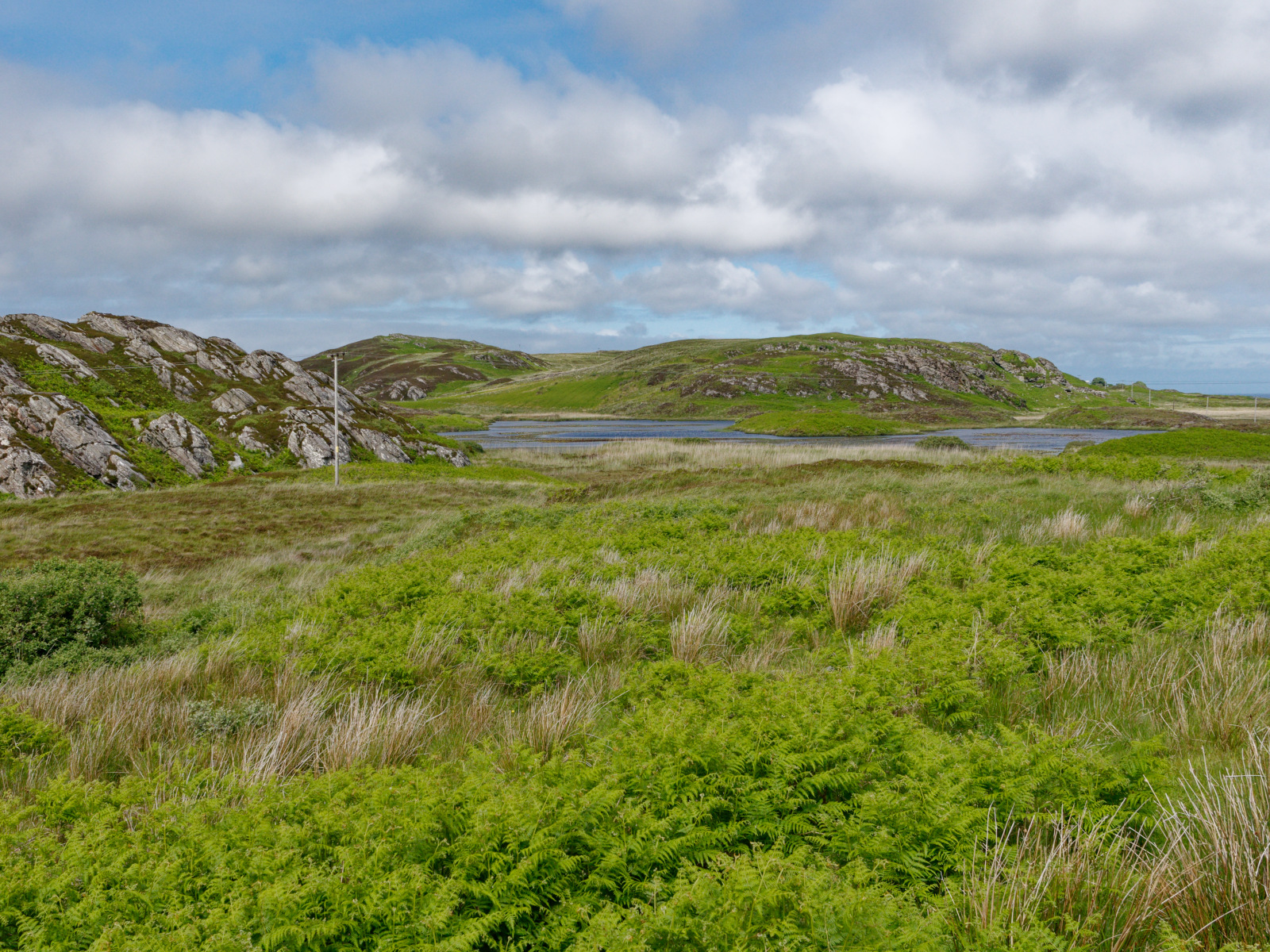
The source identifies the site as a defended high place on Colonsay.
Plan your visit
- Location
- 56.0706°N · 6.2078°W
- Terrain
- Rough ground — reasonable boots advised
Opening & admission
Check locally before travelling
- The source identifies the fort but does not state public access terms.
- Local route checks are advisable before any visit.
Nearby places
Questions people ask
- What is Dùn Eibhinn?
- It is a Colonsay hillfort also known as Dun Evan, Dun Eivan or Fort of Eyvind.
- What was its early role?
- The source says it was an early-11th-century royal residence and seat of Viking power.
- Why was it abandoned?
- It was abandoned after Malcolm Macfie was killed by Coll Mac Gillespick MacDonald in 1623.
Sources
Explore more: Building or ruins · Medieval · Argyll and Bute
The Ancient Codex, in your pocket
Get the Pocket Codex app
Carry the directory with you — Dùn Eibhinn and thousands of ancient places across Britain and Ireland, offline, wherever you roam.