
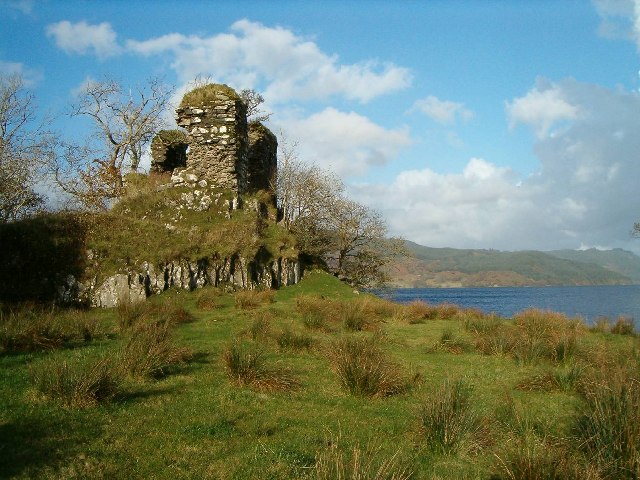
Ruined walls above Loch Fyne mark Old Castle Lachlan, long the seat of Clan Maclachlan on the Cowal peninsula. Built as a 15th-century stronghold, it now stands protected as a scheduled monument.
Its history reaches from medieval clan landholding to Jacobite defeat. After Lachlan MacLachlan died at Culloden, the castle was bombarded from the sea in 1746 and has remained uninhabited ever since.
What follows is drawn from published sources, with each claim labelled by how firmly it is established.
History
Old Castle Lachlan stands on the shore of Loch Fyne on the Cowal Peninsula. It was probably built by Clan Maclachlan on lands first recorded in 1314 as Castlelachlan.
No visible remains of the earlier 14th-century castle survive. The enclosure appears to date to the early 15th century and the internal buildings to the later 15th century.
The castle remained a residence of the clan chiefs until New Castle Lachlan replaced it in 1790. Old Castle Lachlan is protected as a scheduled monument.
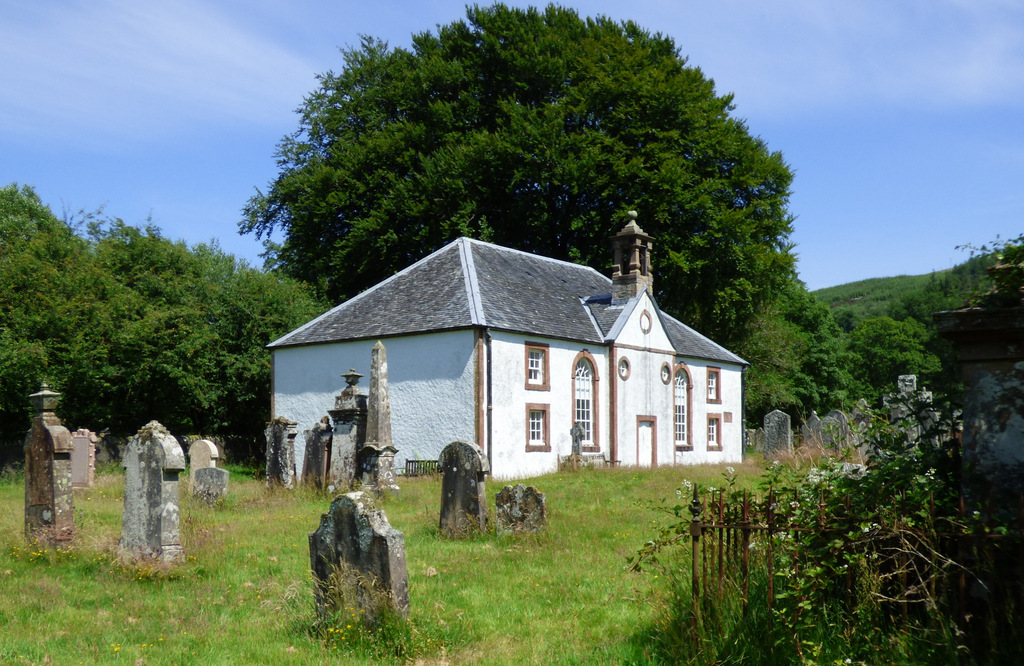
Kilmorie Chapel nearby is the resting place of Maclachlan clan chiefs and one of the few remaining medieval church buildings in the west of Scotland. Lachlan MacLachlan led MacLachlans and MacLeans at Culloden on 16 April 1746 and was killed by a cannonball.
After Culloden the MacLachlans fled the castle, which was bombarded from the sea in 1746 on the Duke of Cumberland's orders. The castle has remained uninhabited since 1746.
Since 2011 Clan MacLachlan conservation efforts have sought to prevent erosion and collapse using traditional masonry techniques.
People
-
Lachlan Mór
Powerful 13th-century chieftain from whom the clan is descended.
-
Archibald MacLachlan, 15th Chief
Received a 1574 Crown charter confirming his lands.
-
Lachlan MacLachlan, 17th Chief
Jacobite chief killed at Culloden in 1746.
-
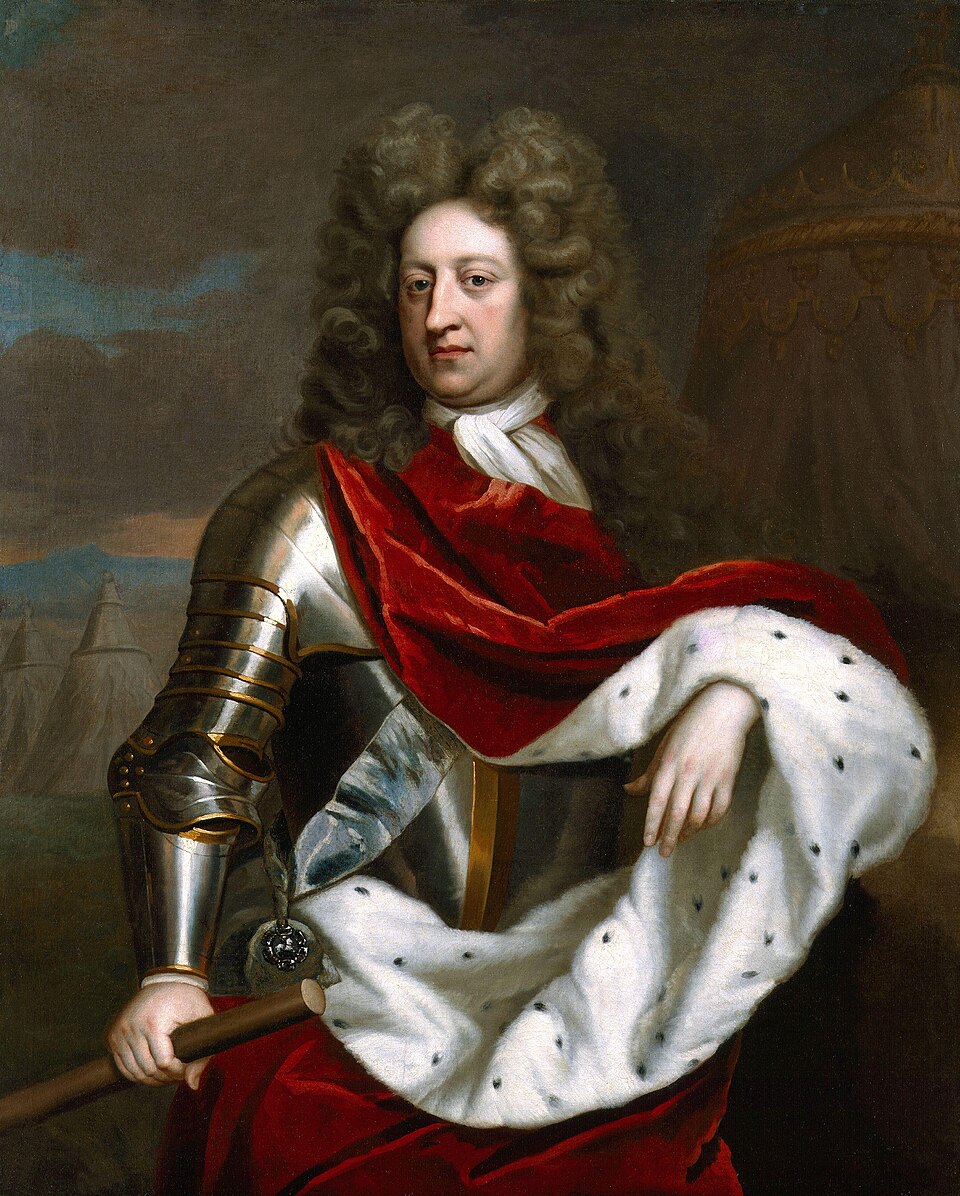
Portrait: After Michael Dahl / Wikimedia Commons / Public domain Duke of Cumberland
Ordered the castle bombarded after Culloden.
-
Robert MacLachlan, 18th Chief
Had the lands returned through the Duke of Argyll's intervention in 1749.
Connections
-
Loch Fyne
Shore setting of the castle.
-
Clan Maclachlan
Built and occupied the castle as the chiefs' residence.
-
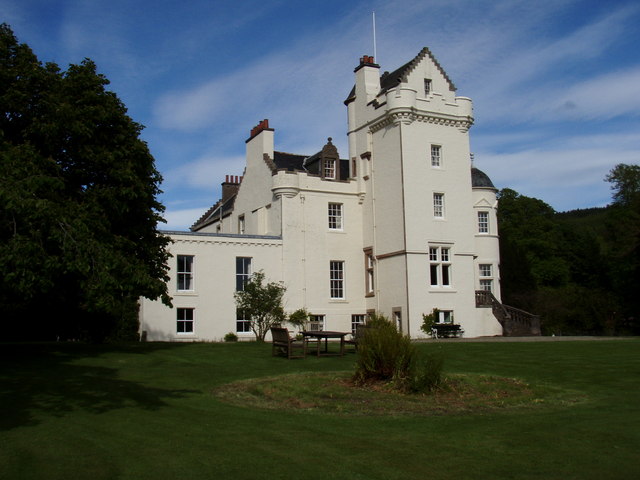
Photo: Roger McLachlan / Wikimedia Commons / CC BY-SA 2.0 New Castle Lachlan
Replacement residence built in 1790.
-
Kilmorie Chapel
Nearby burial place of Maclachlan chiefs.
-
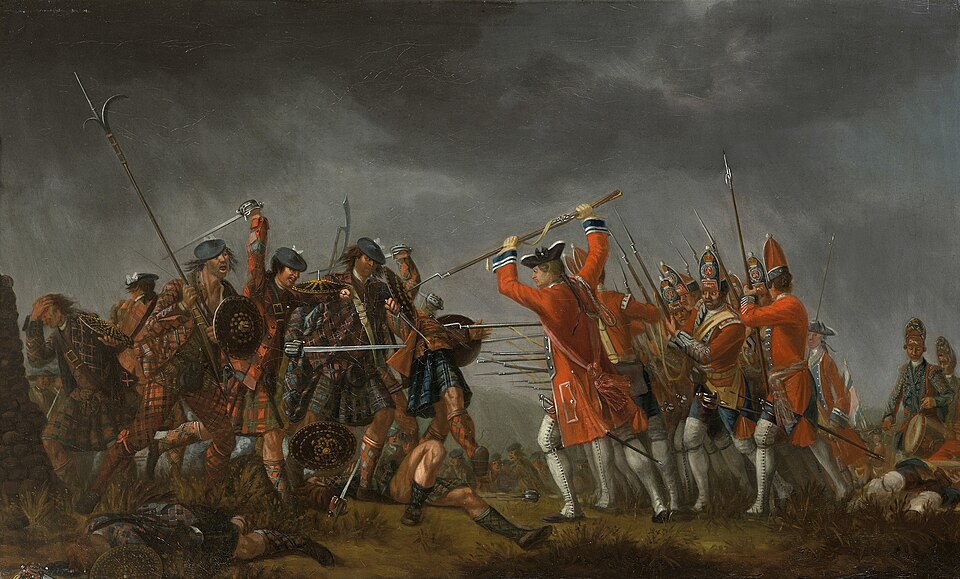
Photo: David Morier / Wikimedia Commons / Public domain Battle of Culloden
The clan chief died there, leading to the castle's abandonment and bombardment.
What to look for
-
Loch-side ruin
The castle stands directly by Loch Fyne.
-
15th-century enclosure
The surviving enclosure appears to date to the early 15th century.
-
Conservation masonry
Modern clan-backed conservation uses traditional techniques to slow decay.
-
Nearby chapel
Kilmorie Chapel holds Maclachlan chief burials.
Plan your visit
- Location
- 56.1085°N · 5.2095°W
- Access
- Open access
- Terrain
- Moderate walking
Opening & admission
No admission information in source
- The source describes the castle as an attraction drawing passersby and fellow MacLachlans.
- Conservation works have been under way since 2011.
Nearby places
Carved stone · Prehistoric
Achnabreck Cup and Ring Marks
Argyll and Bute
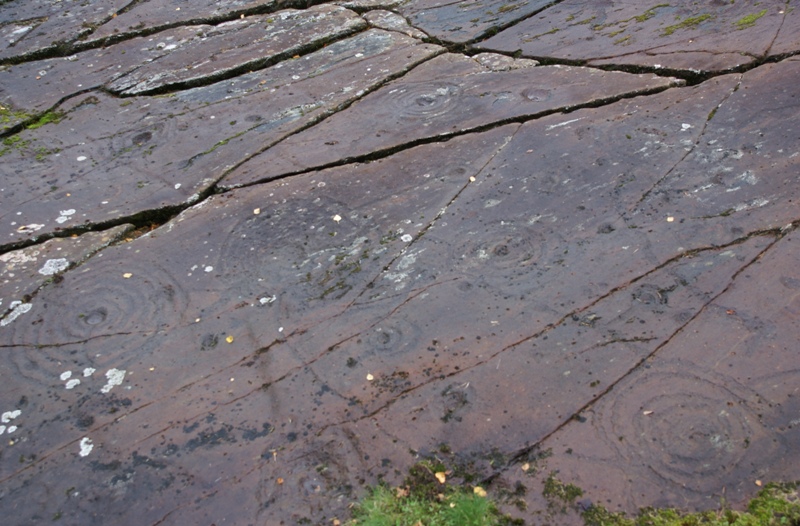
Achnabreck's rock surfaces were carved with cup and ring marks in prehistory — the purpose, and even the precise date, of the markings is uncertain…
- Near Lochgilphead
- 6 min walk from car park
- Easy path
Fortified place · Medieval
Inveraray Castle
Argyll and Bute
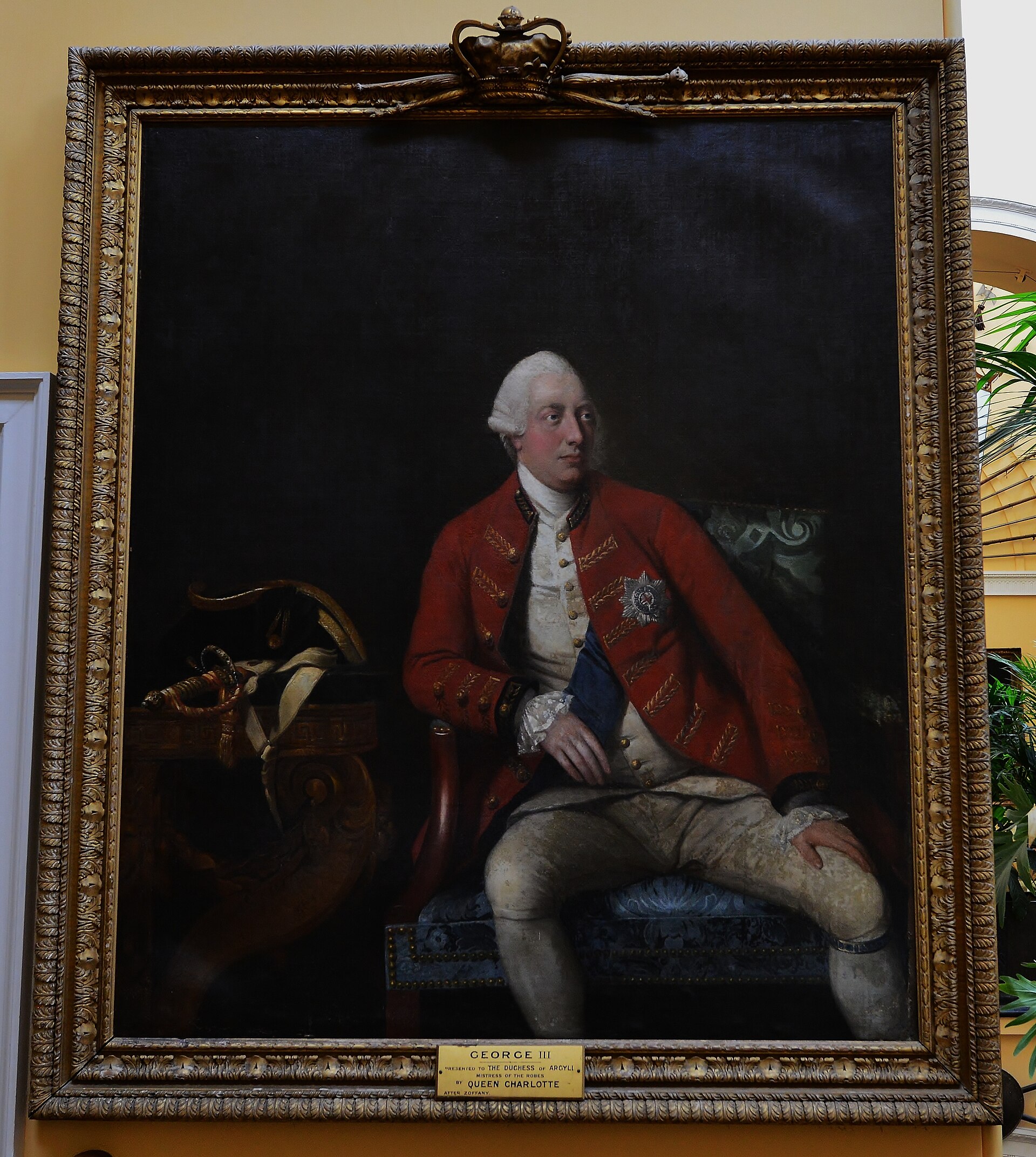
One of the earliest and most complete expressions of Gothic Revival architecture in Scotland, and the continuous seat of the Dukes of Argyll and Cl…
Questions people ask
- What is Old Castle Lachlan?
- It is a ruined 15th-century Clan Maclachlan castle on Loch Fyne.
- Why was it abandoned?
- After Culloden, the MacLachlans fled and the castle was bombarded from the sea in 1746.
- What is nearby?
- Kilmorie Chapel, the burial place of Maclachlan clan chiefs, stands near the castle.
- Is the castle being conserved?
- Yes. Since 2011, Clan MacLachlan conservation efforts have aimed to prevent erosion and collapse.
Sources
Explore more: Building or ruins · Medieval · Argyll and Bute
The Ancient Codex, in your pocket
Get the Pocket Codex app
Carry the directory with you — Old Castle Lachlan and thousands of ancient places across Britain and Ireland, offline, wherever you roam.