
Achnabreck's rock surfaces were carved with cup and ring marks in prehistory — the purpose, and even the precise date, of the markings is uncertain. They sit within Kilmartin Glen, described as…
Cup and ring marks are pecked into the rock surfaces at Achnabreck — spirals and concentric rings whose purpose, and even precise date, remain unknown. The carvings are part of a wider group in and around Kilmartin Glen, alongside panels at Cairnbaan, Ballygowan and Baluachraig near Kilmichael Glassary.
What follows is drawn from published sources, with each claim labelled by how firmly it is established.
History
Achnabreck's rock surfaces were carved with cup and ring marks in prehistory — the purpose, and even the precise date, of the markings is uncertain. They sit within Kilmartin Glen, described as holding the most important concentration of Neolithic and Bronze Age remains in mainland Scotland.
Achnabreck is one of several Kilmartin Glen locations where cup and ring marks survive on natural rock surfaces, alongside Cairnbaan, Ballygowan and Baluachraig near Kilmichael Glassary.
Cultural influences
-
Part of the Kilmartin Glen prehistoric tradition — the glen contains more than 800 ancient monuments within a six-mile radius of Kilmartin village, around 150 of them prehistoric, including standing stones, a henge, cists and burial cairns, many decorated with cup and ring marks.
-
Kilmartin Glen is noted for 'a remarkable concentration of some of the most impressive cup and ring decorated rock surfaces in Scotland' — a tradition of which Achnabreck is a part.
Connections
-
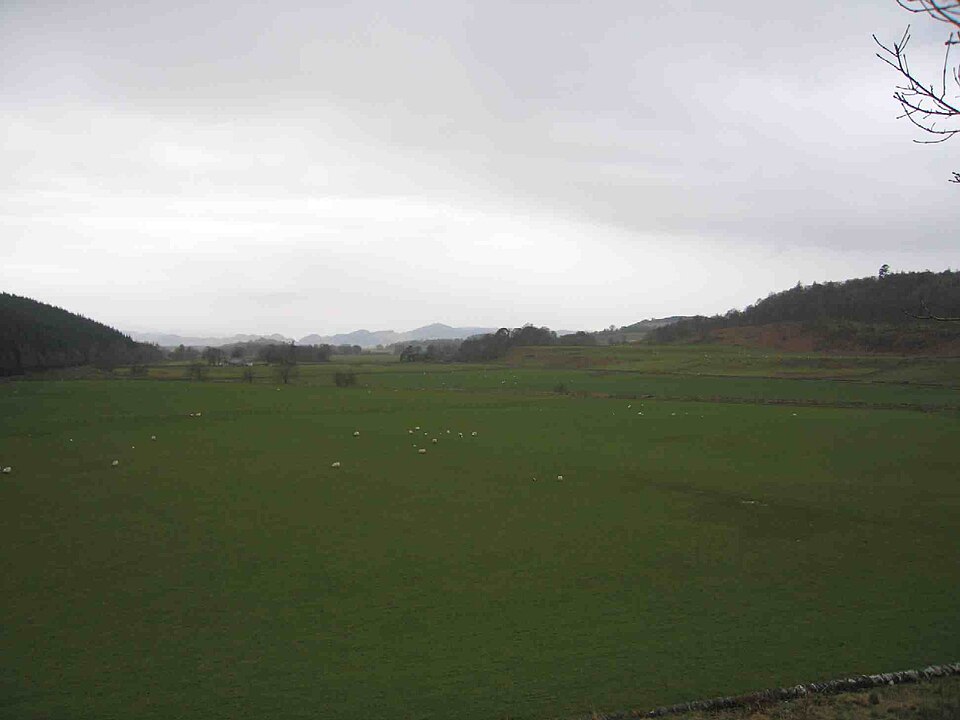
Photo: Laurence Nolan, aka User:Lnolan / Wikimedia Commons / CC BY 2.5 Kilmartin Glen
The wider prehistoric ritual landscape Achnabreck belongs to, between Oban and Lochgilphead
-
Cairnbaan, Ballygowan and Baluachraig
Other Kilmartin Glen rock surfaces bearing cup and ring marks
-
Kilmartin Museum
Interprets and conserves the Kilmartin Glen archaeological landscape, in Kilmartin village
What to look for
-
Cup and ring marks pecked into natural rock surfaces — the characteristic prehistoric rock art of Kilmartin Glen.
Plan your visit
- Location
- 56.0609°N · 5.4456°W
- Nearest settlement
- Lochgilphead
- Access
- Reached on a public path
- Terrain
- Easy going
- Start point
- Achnabreck Rocks car park — Straight-line distance floor; the waymarked forest trail to the carvings is longer and climbs.
Nearby places
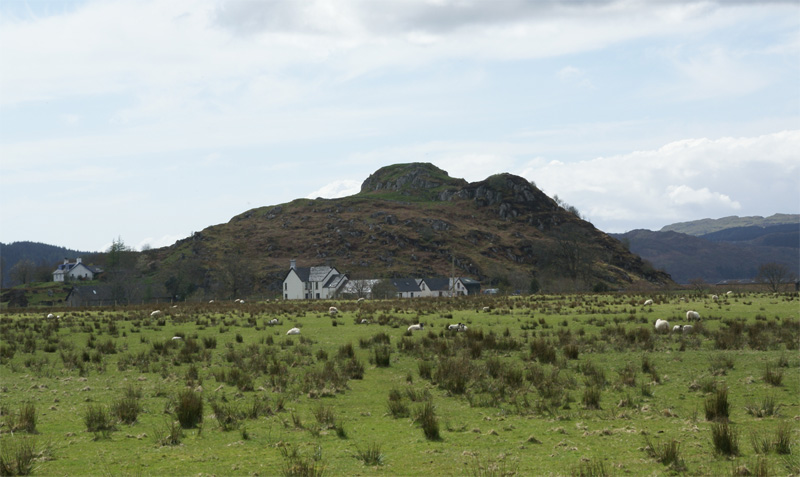
Fortified place · Iron Age
Dunadd Fort
Argyll and Bute
Dunadd is a hillfort in Argyll and Bute, occupied from the Iron Age and into the early medieval period, and believed to have been the capital of th…
- Near Kilmartin
- 237 metres from car park
- Some walking
Tomb or burial place · Prehistoric
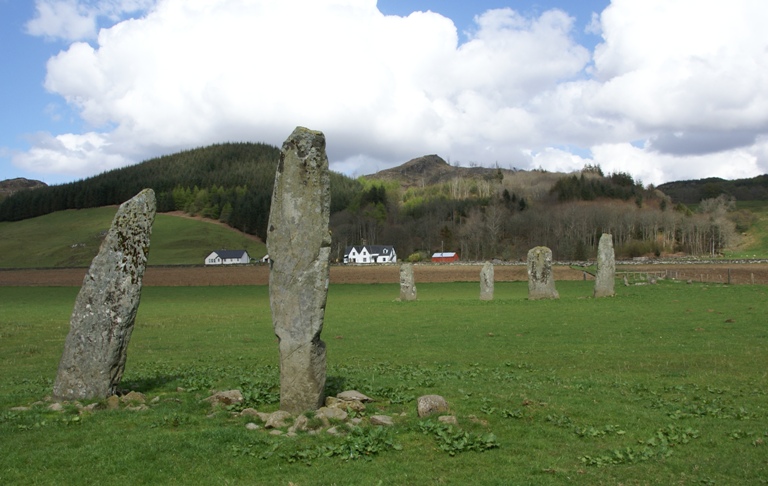
Ballymeanoch Standing Stones and Henge
Argyll and Bute
Ballymeanoch is a complex of Neolithic structures in Kilmartin Glen: an avenue of two rows of standing stones (of four and two stones), a stone cir…
- Near Kilmartin
- 6 min walk from car park
- Easy path
Tomb or burial place · Prehistoric
Dunchraigaig Cairn
Argyll and Bute
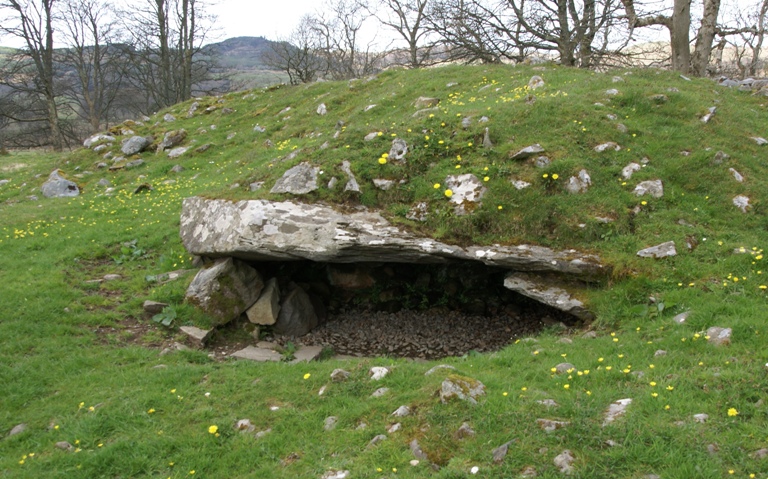
Dunchraigaig is an Early Bronze Age round cairn, about 30 m across, set a little apart to the south-east of the famous 2 km linear cemetery of cair…
- Near Kilmartin
- 1 min walk from car park
- Easy path
Sources
- Canmore site record 39552 (accessed 2026-06-13)
- Trove (HES) record (accessed 2026-06-13)
- Wikipedia: Kilmartin Glen (accessed 2026-06-13)
- Wikidata Q340567 (accessed 2026-06-13)
Explore more: Carved stones · Prehistoric · Argyll and Bute
The Ancient Codex, in your pocket
Get the Pocket Codex app
Carry the directory with you — Achnabreck Cup and Ring Marks and thousands of ancient places across Britain and Ireland, offline, wherever you roam.