
Ballymeanoch is a complex of Neolithic structures in Kilmartin Glen: an avenue of two rows of standing stones (of four and two stones), a stone circle, and a henge enclosing a small burial cairn.
Two rows of standing stones lead into a henge and stone circle at Ballymeanoch, a Neolithic monument complex whose tallest upright stands four metres high. Two of the stones carry heavily carved cup and ring marks, and the henge itself encloses a small burial cairn.
What follows is drawn from published sources, with each claim labelled by how firmly it is established.
The name
Ballymeanoch is from the Scottish Gaelic Baile Meadhonach, 'the middle settlement'.
History
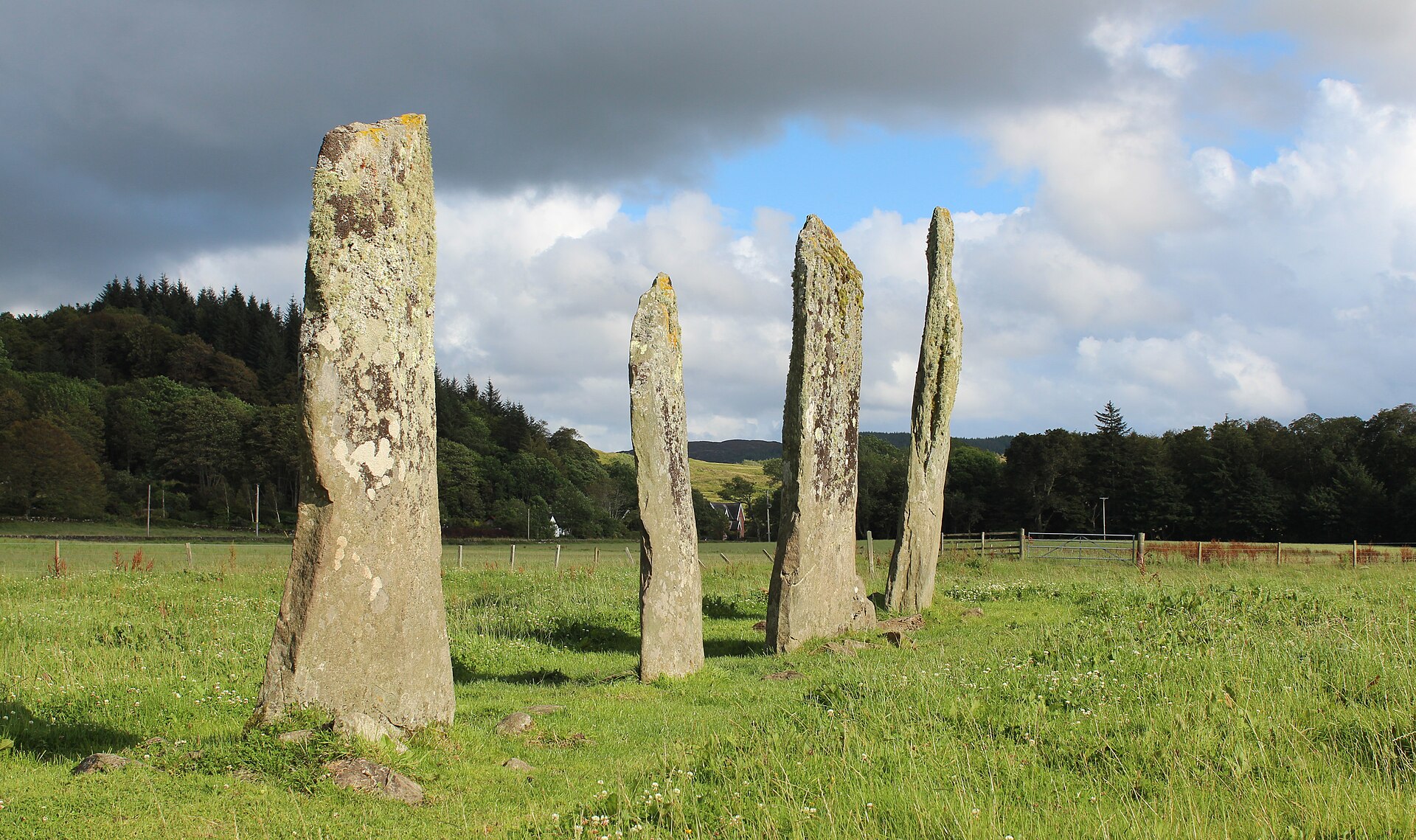
Ballymeanoch is a complex of Neolithic structures in Kilmartin Glen: an avenue of two rows of standing stones (of four and two stones), a stone circle, and a henge enclosing a small burial cairn.
According to the Historic Environment Scotland marker at the site, the circle and standing stones are the older structures, with construction dating back over 4,000 years.
Cultural influences
-
Part of the Kilmartin Glen ritual and monumental landscape of standing stones, circles, henges and cairns.
Connections
-
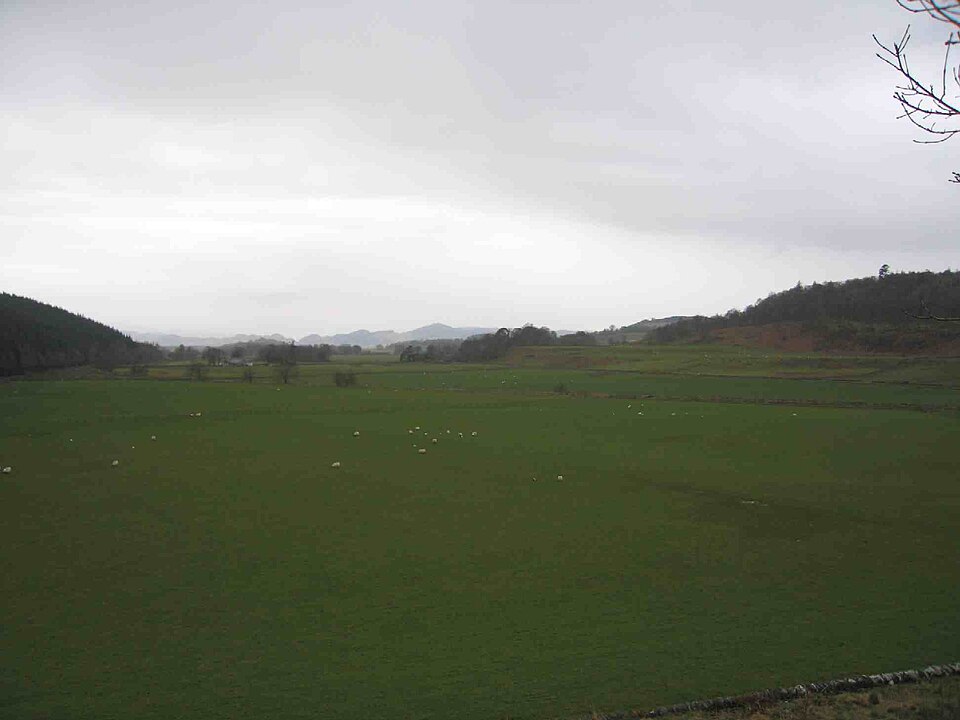
Photo: Laurence Nolan, aka User:Lnolan / Wikimedia Commons / CC BY 2.5 Kilmartin Glen
The wider Neolithic / Bronze Age landscape the complex belongs to
-
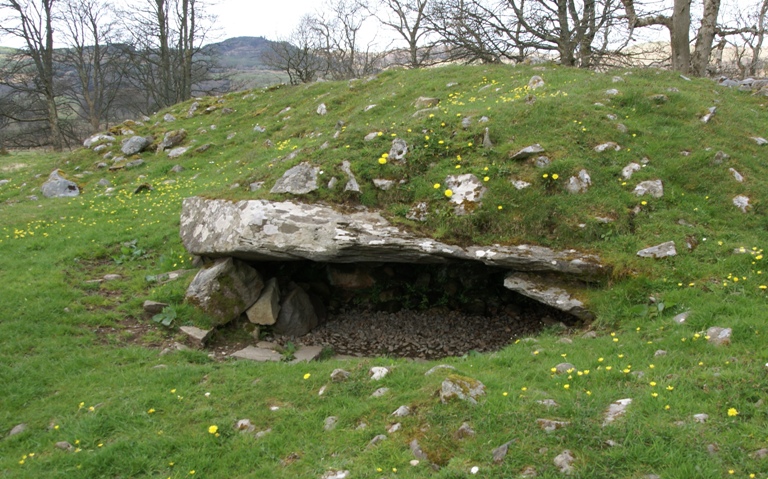
Photo: Otter / Wikimedia Commons / CC BY-SA 3.0 Dunchraigaig Cairn
Adjacent monument with a roadside car park serving the site
What to look for
-
The avenue of standing stones — two rows of four and two stones; the tallest stone is 4 metres (12 feet) high.
-
Cup and ring marks heavily carved on the two middle stones of the four-stone line.
-
The henge with its small burial cairn, and the separate stone circle.
Plan your visit
- Location
- 56.1110°N · 5.4868°W
- Nearest settlement
- Kilmartin
- Access
- Reached on a public path
- Terrain
- Easy going
- Start point
- Dunchraigaig Cairn car park — Straight-line distance floor. The record notes the adjacent Dunchraigaig Cairn roadside car park serves the site.
Nearby places
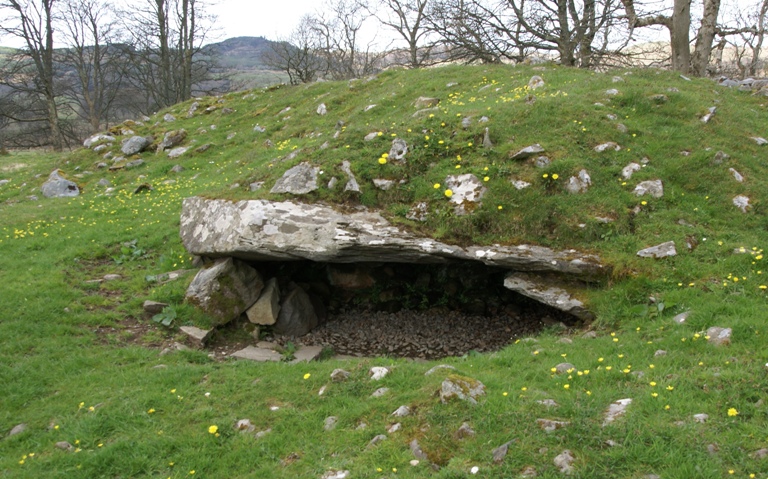
Tomb or burial place · Prehistoric
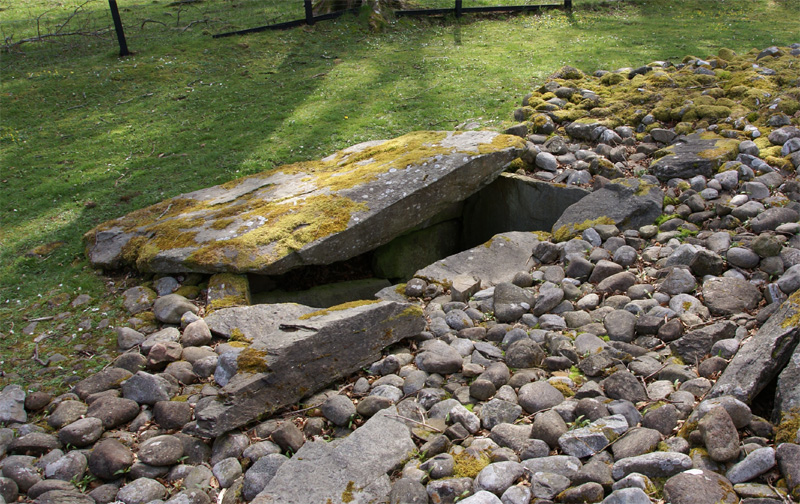
Dunchraigaig Cairn
Argyll and Bute
Dunchraigaig is an Early Bronze Age round cairn, about 30 m across, set a little apart to the south-east of the famous 2 km linear cemetery of cair…
- Near Kilmartin
- 1 min walk from car park
- Easy path
Tomb or burial place · Prehistoric
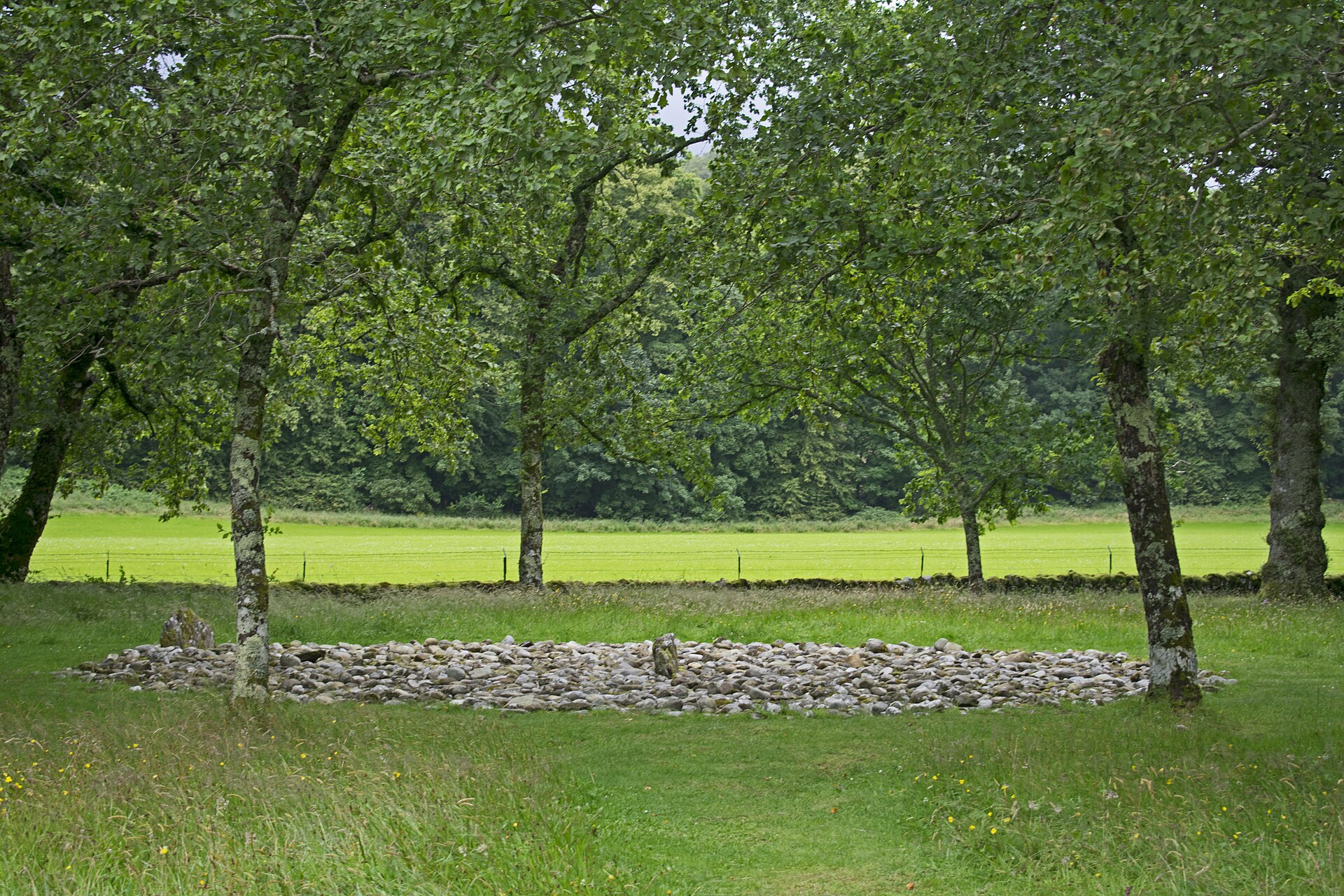
Ri Cruin Cairn
Argyll and Bute
Ri Cruin is the most southerly cairn in the Kilmartin Glen linear cemetery, a Bronze Age burial cairn built between roughly 2200 BC and 1950 BC.
- Near Kilmartin
- 8 min walk from car park
- Easy path
Tomb or burial place · Prehistoric
Temple Wood Stone Circles
Argyll and Bute
Temple Wood, in Kilmartin Glen, comprises two stone circles - a northern and a southern circle. The southern circle's first incarnation may have be…
- Near Kilmartin
- 8 min walk from car park
- Easy path
Tomb or burial place · Prehistoric
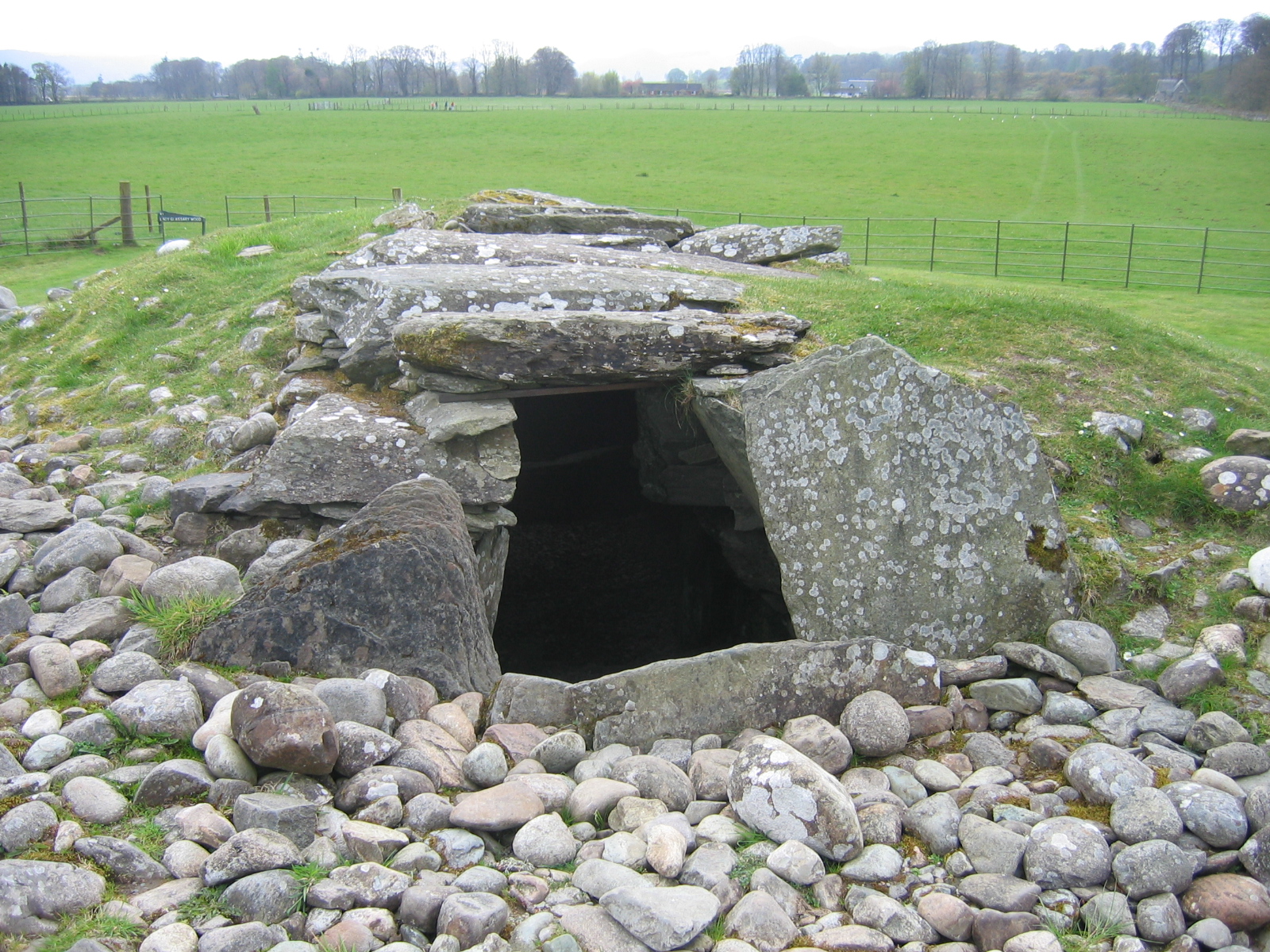
Nether Largie South Chambered Cairn
Argyll and Bute
Nether Largie South is a Neolithic Clyde-type chambered cairn and the earliest monument in the Kilmartin Glen linear cemetery — the line of cairns…
- Near Kilmartin
- 7 min walk from car park
- Easy path
Questions people ask
- What is Ballymeanoch?
- It is a Neolithic monument complex in Kilmartin Glen combining an avenue of standing stones, a stone circle and a henge with a small burial cairn.
- What does Ballymeanoch mean?
- The Scottish Gaelic Baile Meadhonach means "the middle settlement".
- How old are the stones?
- The Historic Environment Scotland marker at the site dates the circle and standing stones to over 4,000 years ago.
- Can you visit Ballymeanoch?
- Yes — it sits on a working sheep farm reached by paths between fences, with the adjacent Dunchraigaig Cairn roadside car park serving the site.
Sources
- Canmore site record 39463 (accessed 2026-06-13)
- Wikipedia: Ballymeanoch (accessed 2026-06-13)
- Wikidata Q805420 (accessed 2026-06-13)
Explore more: Tomb or burial places · Prehistoric · Argyll and Bute
The Ancient Codex, in your pocket
Get the Pocket Codex app
Carry the directory with you — Ballymeanoch Standing Stones and Henge and thousands of ancient places across Britain and Ireland, offline, wherever you roam.