
Ri Cruin is the most southerly cairn in the Kilmartin Glen linear cemetery, a Bronze Age burial cairn built between roughly 2200 BC and 1950 BC.
Ri Cruin marks the southern end of Kilmartin Glen’s linear cemetery, a Bronze Age burial cairn raised between roughly 2200 and 1950 BC. It was excavated three times — by the Reverend Mapleton in 1870, by Craw in 1929, and by V. Gordon Childe in 1936 — and later reused as a lime kiln before reconstruction removed the kiln’s traces.
What follows is drawn from published sources, with each claim labelled by how firmly it is established.
History
Ri Cruin is the most southerly cairn in the Kilmartin Glen linear cemetery, a Bronze Age burial cairn built between roughly 2200 BC and 1950 BC.
The cairn was excavated three times: by the Reverend Mapleton in 1870, by Craw in 1929, and by V. Gordon Childe in 1936.
In its later history the cairn was reused as a lime kiln; all traces of the kiln were removed when the site was reconstructed.
People
-
Reverend Mapleton
Antiquarian who carried out the first excavation of the cairn in 1870
-
Craw
Excavator of the cairn in 1929
-
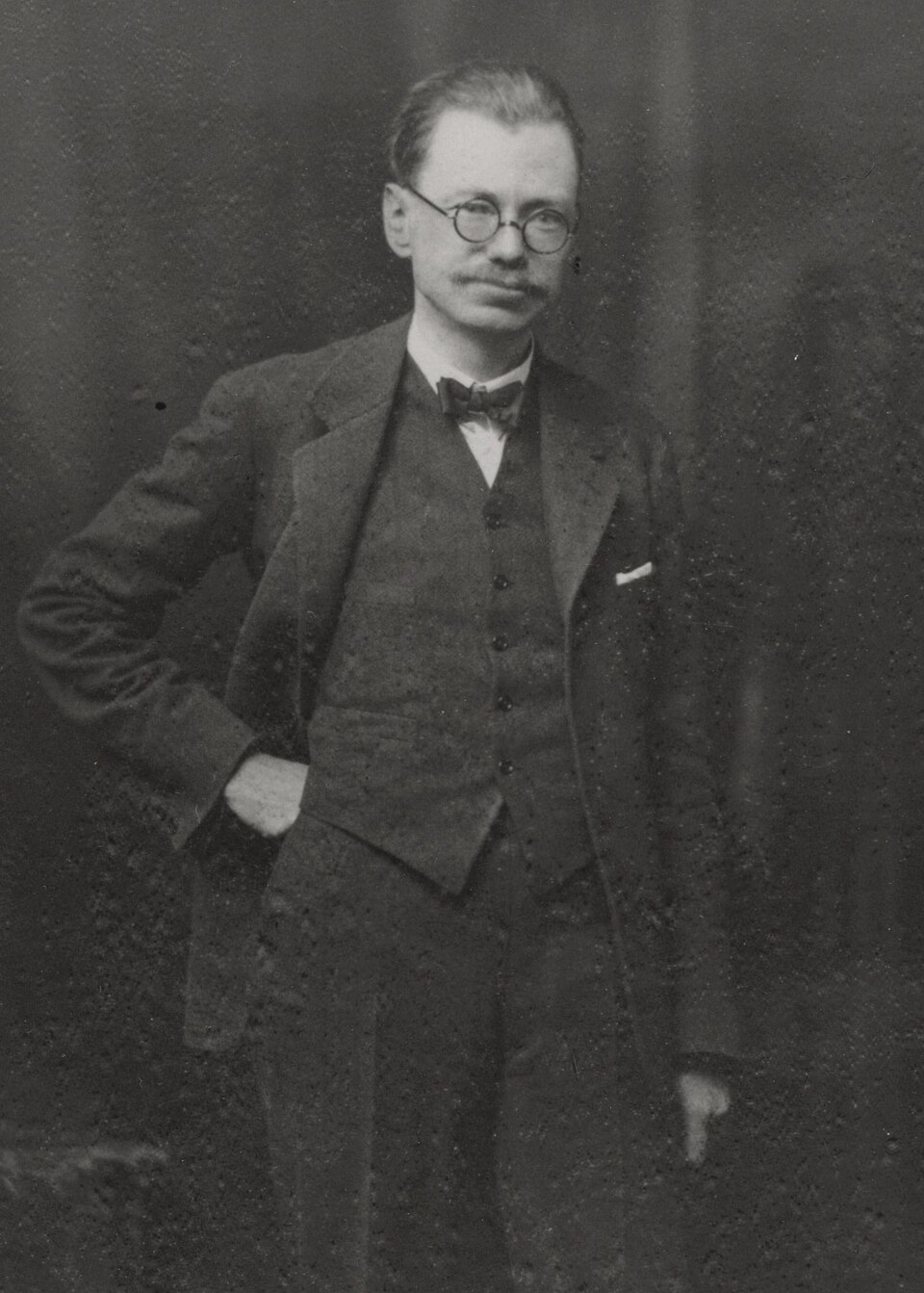
Portrait: Swan Watson, Andrew / Wikimedia Commons / Public domain V. Gordon Childe
Archaeologist who excavated the cairn in 1936
Cultural influences
-
The cairn belongs to the Bronze Age burial tradition of the Kilmartin Glen linear cemetery, the line of cairns running south-by-southwest of Kilmartin village that forms part of what is generally reckoned mainland Scotland's densest surviving cluster of Neolithic and Bronze Age monuments.
Connections
-
Kilmartin Glen linear cemetery
Ri Cruin is the southernmost of the five surviving cairns in this alignment
-
Nether Largie South Cairn
Oldest monument of the same linear cemetery — a Neolithic Clyde-type chambered cairn
-
Glebe Cairn
Northernmost cairn of the same linear cemetery, by Kilmartin village
-
Kilmartin Museum
Museum in Kilmartin village interpreting the glen's monuments
Discovery & excavation
The cairn was investigated in three separate excavations — by the Reverend Mapleton in 1870, by Craw in 1929, and by V. Gordon Childe in 1936. The site had been reused as a lime kiln, and all traces of the kiln were removed during a later reconstruction of the monument.
What to look for
-
The cist (burial chamber) at the heart of the cairn; one of the stones at Ri Cruin bears carvings.
What is said
Folklore and tradition, recorded as what is said — not as established fact.
-
Local tradition holds that a king may lie buried at Ri Cruin, though this is not archaeologically established. (local tradition, not archaeologically established)
Plan your visit
- Location
- 56.1171°N · 5.4996°W
- Nearest settlement
- Kilmartin
- Access
- Open access
- Terrain
- Easy going
- Parking
- Parking available nearby — see the official getting-here page.
- Start point
- Ri Cruin Cairn, Kilmartin Glen · Parking can be found at Lady Glassary Wood car park, which is a 550m walk from the Ri Cruin Cairn entrance. The walk is along a single track road with no pavement. · There is no parking at the monument itself. · Please note that the walk to the site includes walking on grass and a stile. · National grid reference - NR 825 971
- Best time
- Open year-round.
- Start point
- Lady Glassary Wood car park — There is no parking at the monument itself. HES states it is a 550m walk from Lady Glassary Wood car park.
Opening & admission
Free entry
- Open year-round.
Nearby places
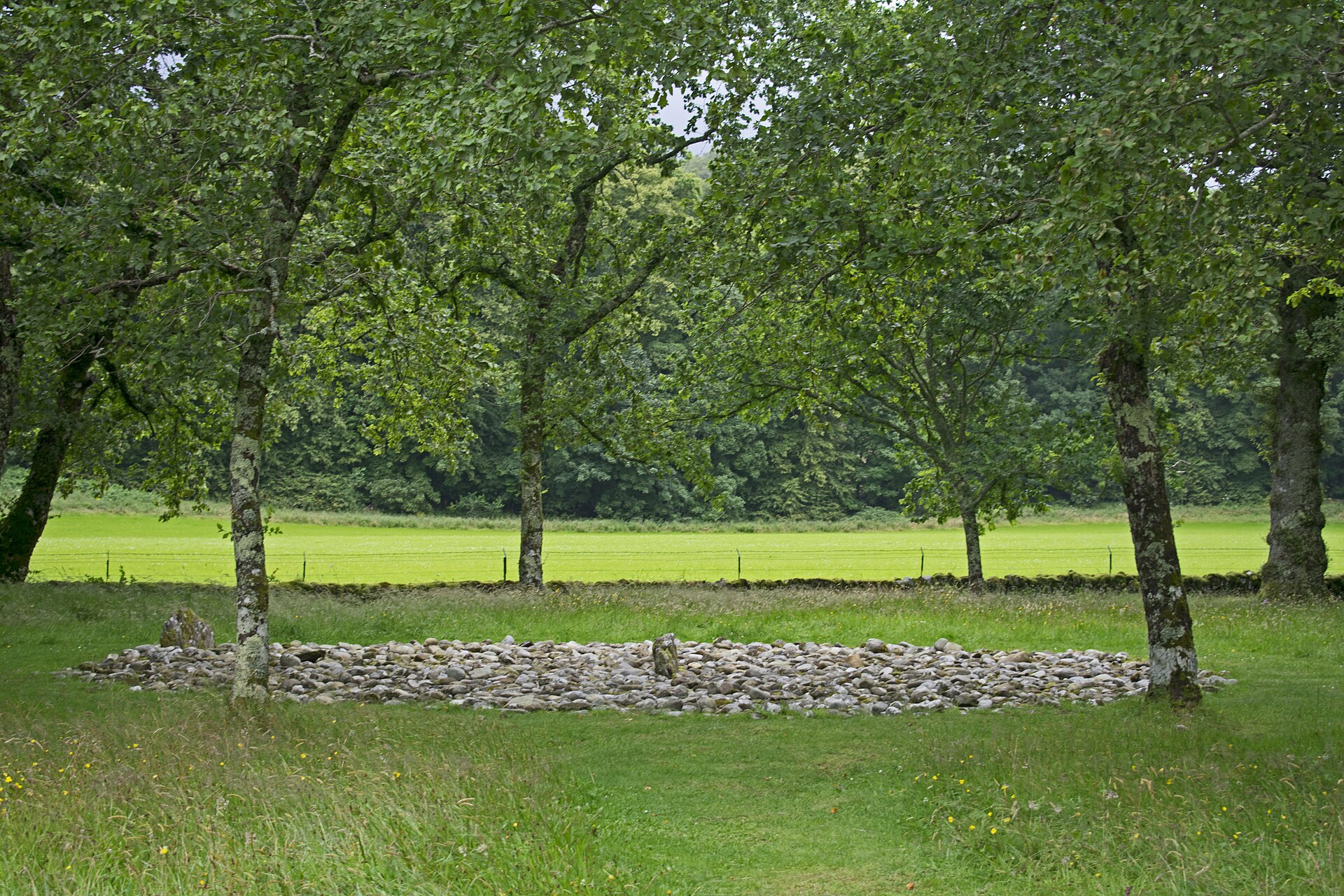
Tomb or burial place · Prehistoric
Temple Wood Stone Circles
Argyll and Bute
Temple Wood, in Kilmartin Glen, comprises two stone circles - a northern and a southern circle. The southern circle's first incarnation may have be…
- Near Kilmartin
- 8 min walk from car park
- Easy path
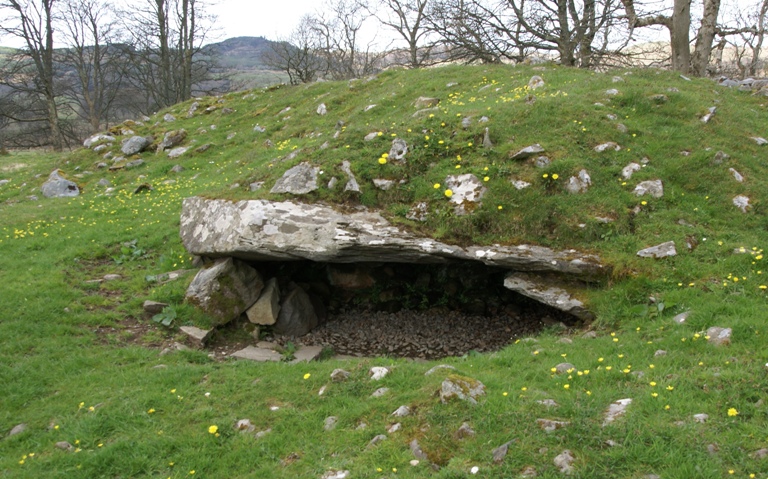
Tomb or burial place · Prehistoric
Dunchraigaig Cairn
Argyll and Bute
Dunchraigaig is an Early Bronze Age round cairn, about 30 m across, set a little apart to the south-east of the famous 2 km linear cemetery of cair…
- Near Kilmartin
- 1 min walk from car park
- Easy path
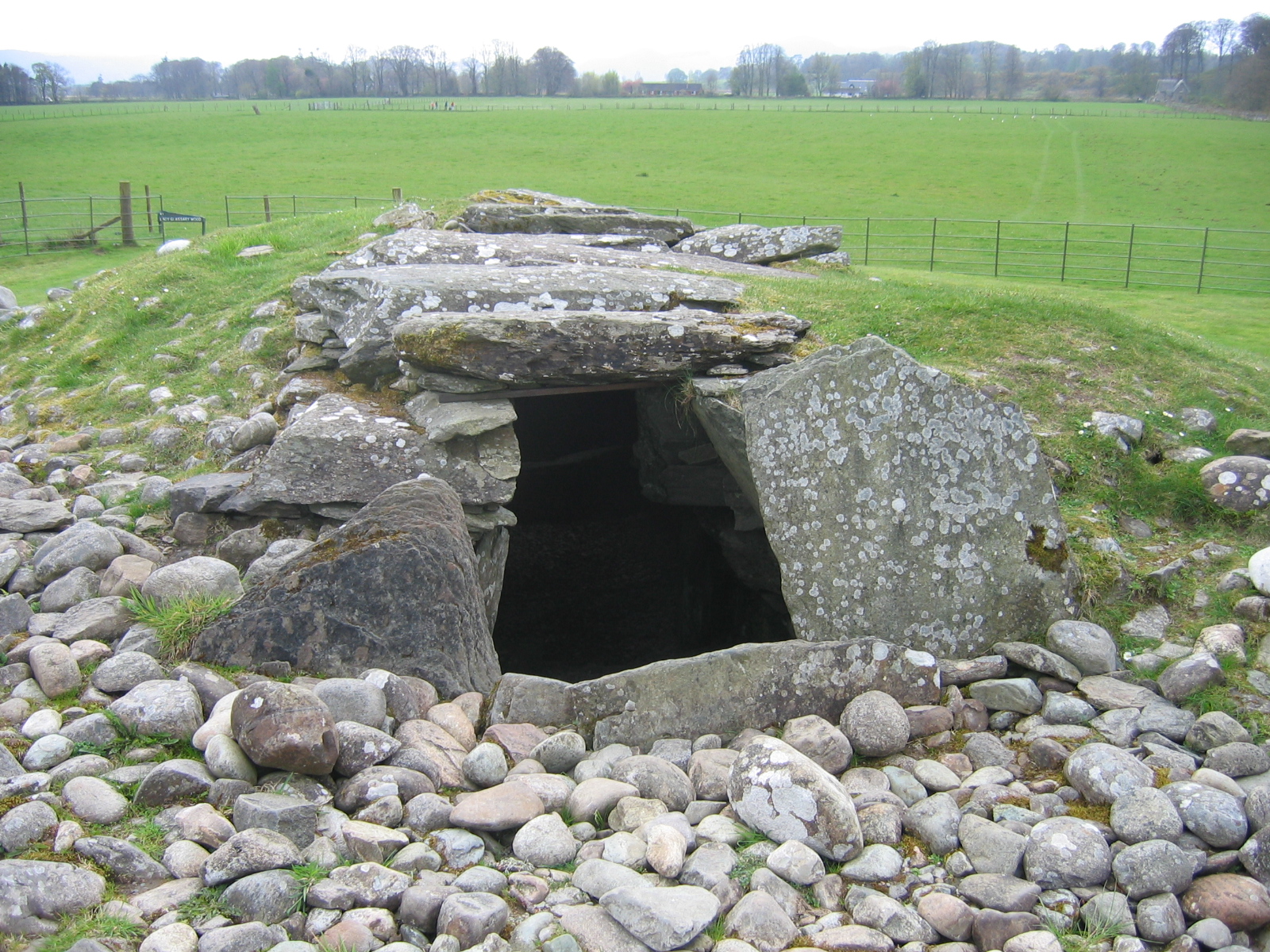
Tomb or burial place · Prehistoric
Nether Largie South Chambered Cairn
Argyll and Bute
Nether Largie South is a Neolithic Clyde-type chambered cairn and the earliest monument in the Kilmartin Glen linear cemetery — the line of cairns…
- Near Kilmartin
- 7 min walk from car park
- Easy path
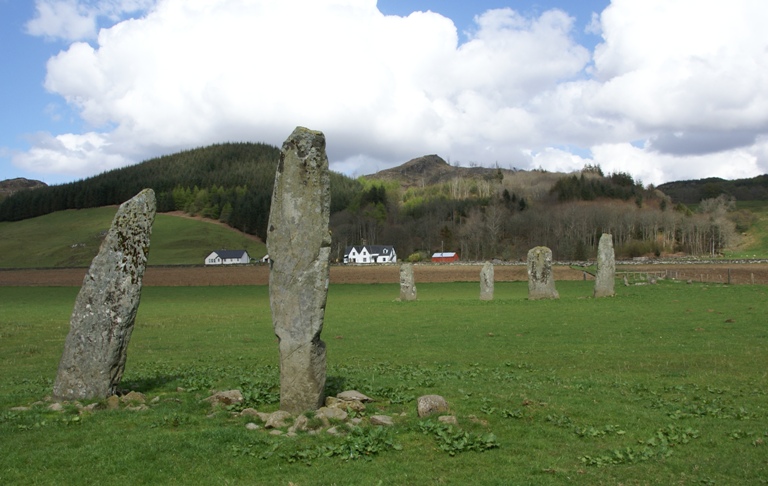
Tomb or burial place · Prehistoric
Ballymeanoch Standing Stones and Henge
Argyll and Bute
Ballymeanoch is a complex of Neolithic structures in Kilmartin Glen: an avenue of two rows of standing stones (of four and two stones), a stone cir…
- Near Kilmartin
- 6 min walk from car park
- Easy path
Sources
- Canmore site record 39456 (accessed 2026-06-13)
- Trove (HES) record (accessed 2026-06-13)
- Wikipedia: Kilmartin Glen (accessed 2026-06-13)
- Wikidata Q1969530 (accessed 2026-06-13)
Explore more: Tomb or burial places · Prehistoric · Argyll and Bute
The Ancient Codex, in your pocket
Get the Pocket Codex app
Carry the directory with you — Ri Cruin Cairn and thousands of ancient places across Britain and Ireland, offline, wherever you roam.