
A narrow path leads onto the sea-wrapped headland of Dunaverty Castle at Southend in Kintyre. The ruined stronghold, once linked to Clan Donald, was protected by sea on three sides and a drawbridge approach from the north.
Its history moves through Norwegian campaigns, Robert Bruce’s flight, royal garrisons and civil-war violence. The site is now mostly ruin, remembered especially for the 1647 Dunaverty Massacre.
What follows is drawn from published sources, with each claim labelled by how firmly it is established.
History
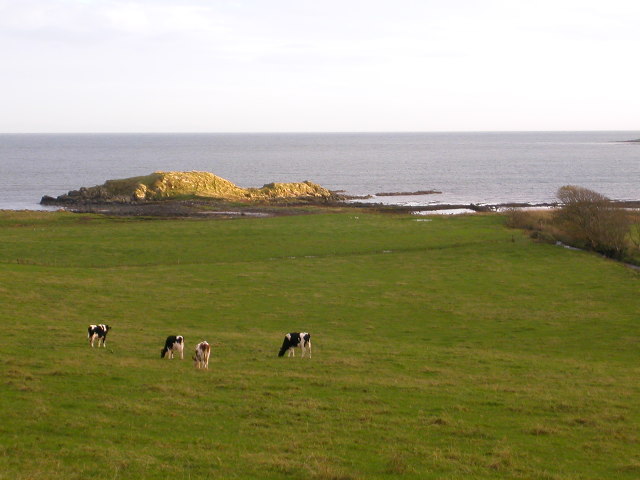
Dunaverty Castle stands at Southend on the southern end of the Kintyre peninsula. The headland forms a natural stronghold with the sea on three sides and approach only from the north.
Walter Byset seized and fortified Dunaverty in 1248, but Allan, son of the Earl of Atholl, took the castle in the same year. Alexander III garrisoned Dunaverty in 1263 during the Norwegian campaign of Hákon Hákonarson.
The castle was surrendered to Hákon, who granted it to Dubhghall mac Ruaidhrí. Robert I seems to have fled to Dunaverty late in 1306 and was harboured by Aonghus Óg Mac Domhnaill before going to Rathlin Island.
James IV had the castle garrisoned and provisioned by 1494. The Crown repaired Dunaverty between 1539 and 1542.
The Earl of Sussex burned Dunaverty during English raids on Kintyre in October 1588. In 1647 General David Leslie besieged Dunaverty; after surrender, about 300 MacDonalds were massacred.
The site is protected as a scheduled monument.
People
-
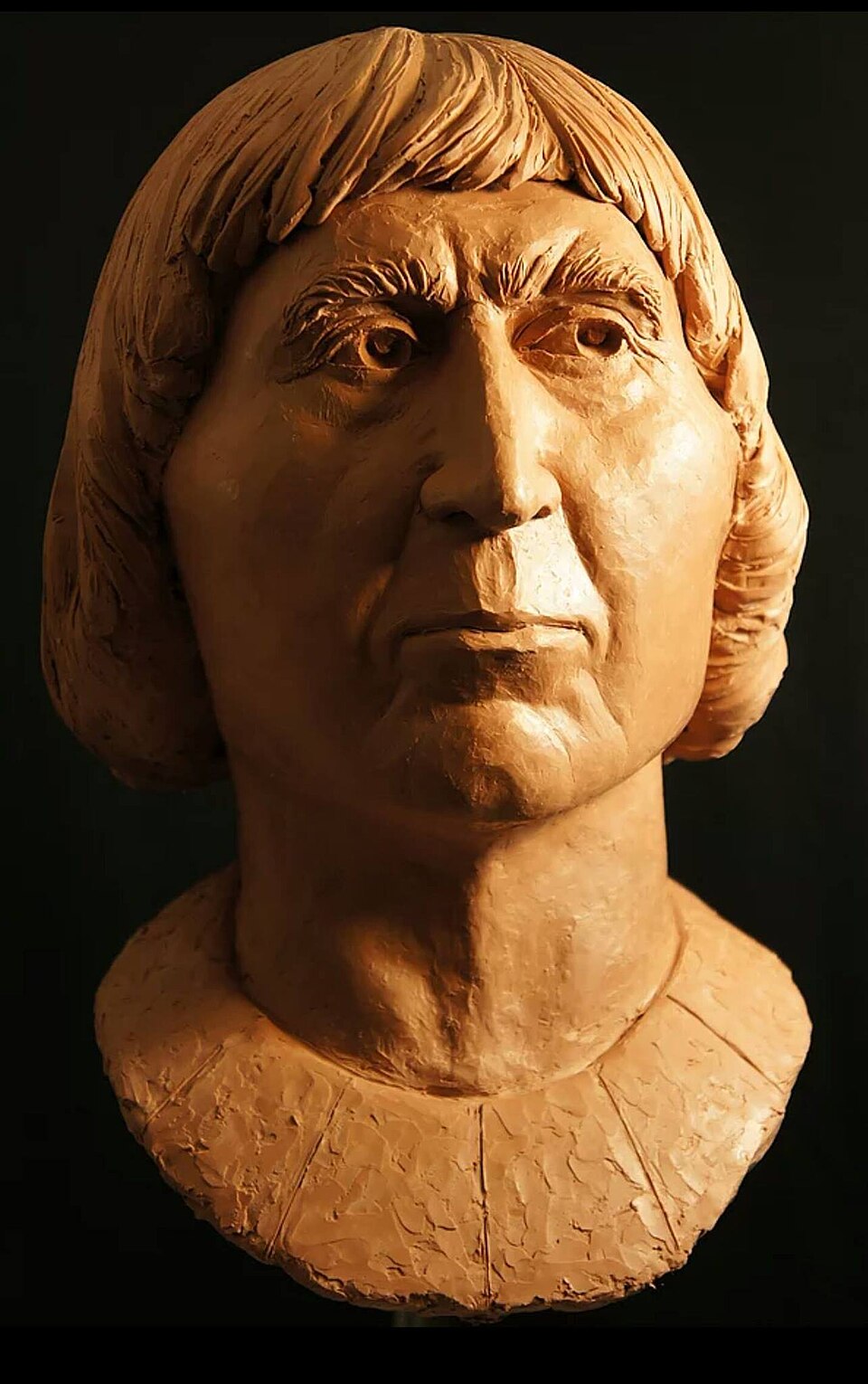
Portrait: S.A.Farabi / Wikimedia Commons / CC BY-SA 4.0 Robert I
Sought safety at Dunaverty in 1306 before being taken to Rathlin Island.
-
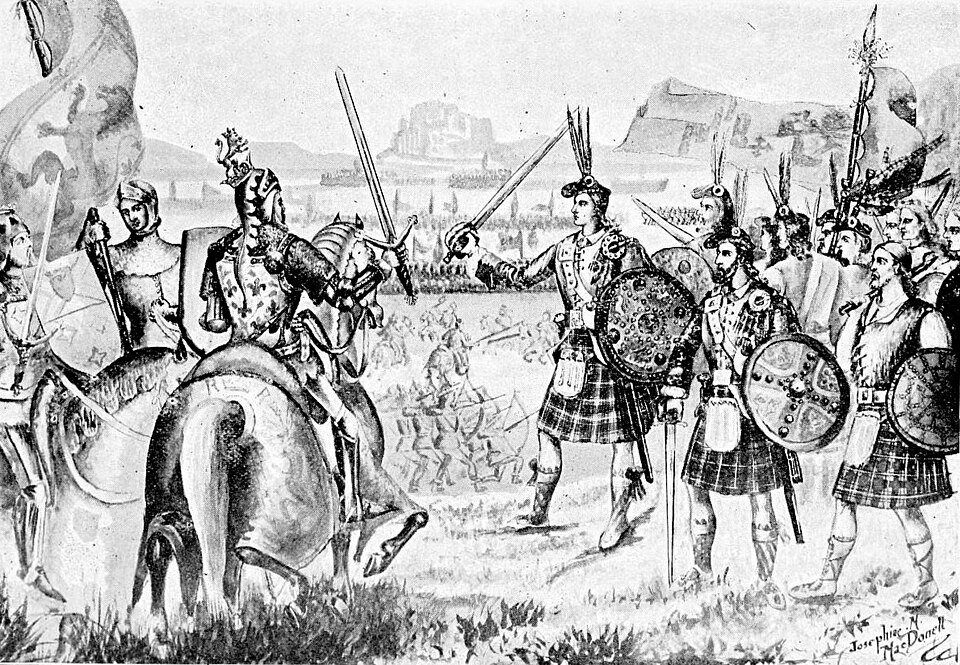
Portrait: Josephine M. MacDonell / Wikimedia Commons / Public domain Aonghus Óg Mac Domhnaill
Harboured Robert I and took him onward to Rathlin.
-
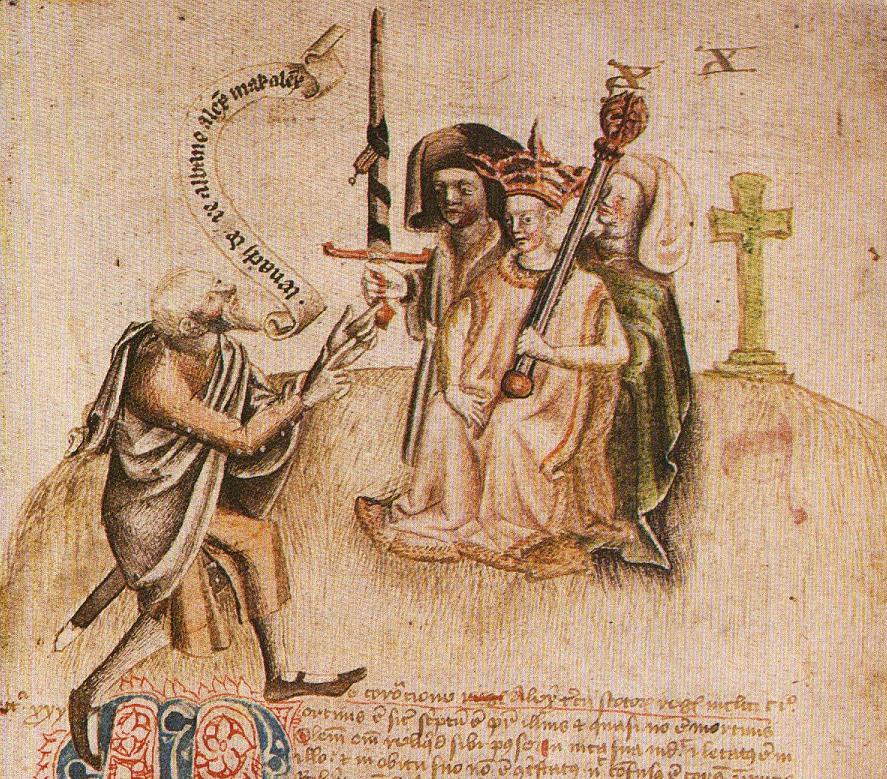
Portrait: Unknown authorUnknown author / Wikimedia Commons / Public domain Alexander III
Garrisoned Dunaverty during the 1263 Norwegian campaign.
-
Hákon Hákonarson
Norwegian king to whom the castle was surrendered in 1263.
-
General David Leslie
Led the 1647 siege associated with the Dunaverty Massacre.
Connections
-
Southend
Settlement at the southern end of Kintyre where the castle stands.
-
Clan Donald
The site was once a fort belonging to Clan Donald.
-
Rathlin Island
Robert I was taken there after sheltering at Dunaverty.
-
Blood Rock
Later name associated with the 1647 massacre.
What to look for
-
Rocky headland
The castle site is naturally defended by sea on three sides.
-
Northern approach
The headland is attached to the mainland by a narrow path and was once reached by drawbridge.
-
Ruined remains
Little of the castle itself remains above the scheduled headland.
Plan your visit
- Location
- 55.3075°N · 5.6447°W
- Terrain
- Rough ground — reasonable boots advised
Opening & admission
Check locally before travelling
- The castle site is a rocky headland attached to the mainland by a narrow path.
- The source does not provide current public access terms.
Nearby places
Questions people ask
- What is Dunaverty Castle?
- It is a ruined castle and former Clan Donald stronghold at Southend in Kintyre.
- Why was the site defensible?
- The headland has sea on three sides and was approachable only from the north by a narrow route once controlled by a drawbridge.
- What is the Dunaverty Massacre?
- After General David Leslie's 1647 siege, surrendered MacDonalds were massacred at the site.
- Did Robert Bruce stay there?
- The source says Robert I seems to have sheltered at Dunaverty in 1306 before Aonghus Óg Mac Domhnaill took him to Rathlin Island.
Sources
Explore more: Building or ruins · Medieval · Argyll and Bute
The Ancient Codex, in your pocket
Get the Pocket Codex app
Carry the directory with you — Dunaverty Castle and thousands of ancient places across Britain and Ireland, offline, wherever you roam.