
A huge circular curtain wall, some 42 metres in diameter and originally around 7.9 metres high, still stands on a low mound above the town of Rothesay on the Isle of Bute, ringed by a broad moat that was once connected to the sea. This unusual round plan, rare among Scottish castles, is what makes the ruin remarkable, along with a history reaching back to the beginning of the 13th century.
Built by the Stewart family, the castle survived repeated Norse assaults before becoming a favoured royal residence. It fell into ruin after the 17th century, was partially dismantled and burned, and was later cleared and repaired by the Marquesses of Bute before passing into state care. A 16th-century forework, an L-plan gatehouse that jutted into the moat, still bears the royal coat of arms above its door.
What follows is drawn from published sources, with each claim labelled by how firmly it is established.
History
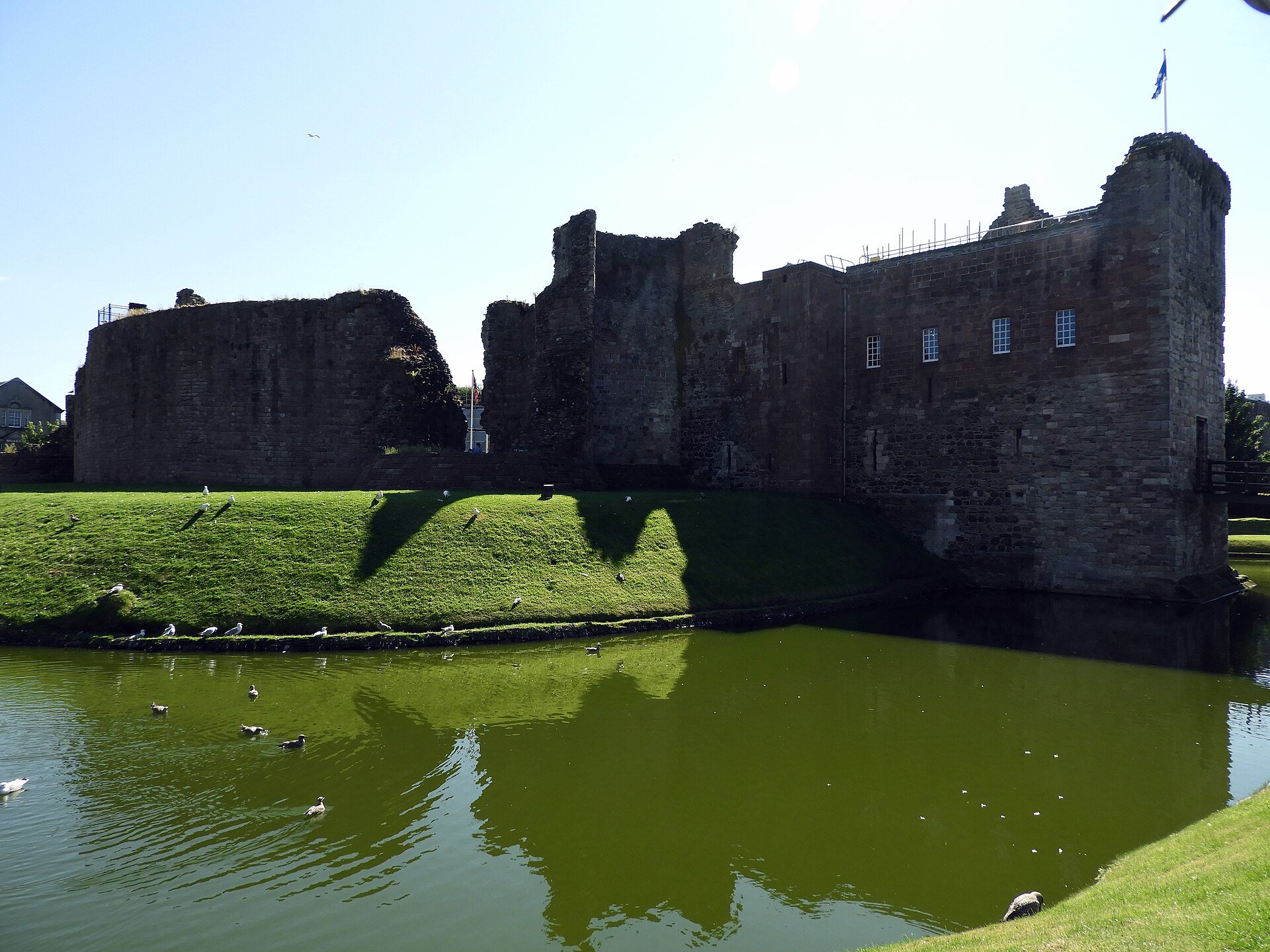
In the 1230s the Norwegian-backed fleet of Óspakr-Hákon, King of the Isles, attacked the newly completed stone curtain wall. According to Hákonar saga Hákonarsonar, his forces fought for three days, breaking down part of the eastern wall by hewing the stone with their axes. The saga is the earliest recorded account of an assault on a Scottish castle.
In 1263 Rothesay was taken again by Norwegian forces under Hákon Hákonarson, King of Norway, shortly before the Battle of Largs. Though Largs is called indecisive, Hákon's campaign failed and the Norse retreat effectively ended Norwegian authority in western Scotland.
During the Wars of Scottish Independence the castle was held by the English until taken by Robert the Bruce in 1311. It returned to English hands in 1334 before being retaken by the Scots.
In 1406 King Robert III died at the castle, which had become a favourite residence of the Stewart kings following their accession to the throne in 1371.
In 1462 the castle survived a siege by the forces of John of Islay, Earl of Ross, the last Lord of the Isles.
In 1527 the castle withstood a siege by the Master of Ruthven, during which much of the burgh of Rothesay was destroyed. In 1544 it fell to the Earl of Lennox, acting for the English during the 'Rough Wooing'.
Garrisoned for Oliver Cromwell's occupying forces in the 1650s, the castle was partially dismantled by the departing troops in 1660. What remained was burned in 1685 by supporters of Archibald Campbell, 9th Earl of Argyll, during his rising in support of the Monmouth Rebellion.
People
-
Alan fitz Walter, Steward of Scotland
Steward (died 1204) credited, along with his son Walter, with building the castle; during his tenure the family added the Isle of Bute to their lordship
-
Óspakr-Hákon, King of the Isles
Led the Norwegian-backed fleet that took the castle in the 1230s after a three-day assault
-
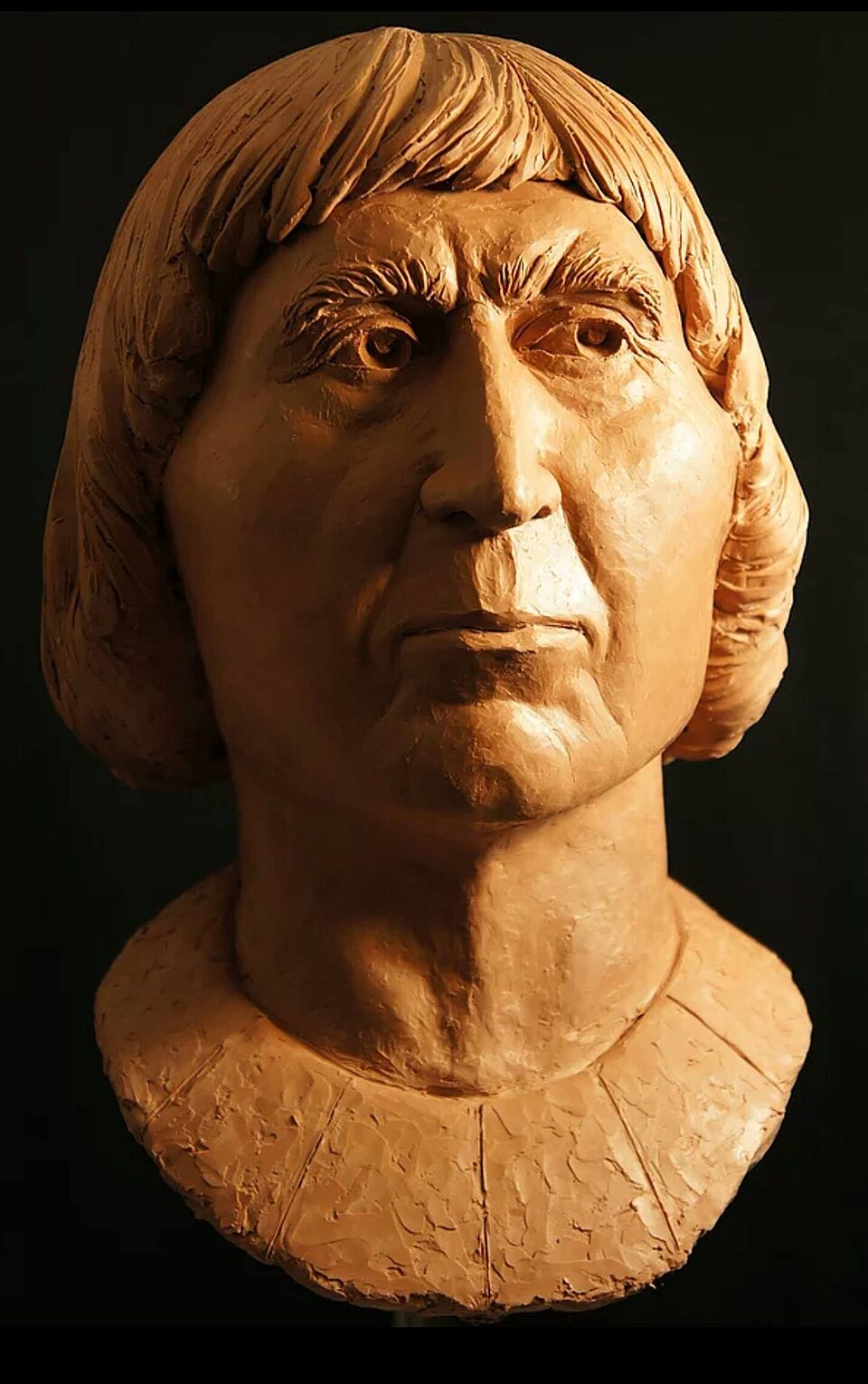
Portrait: S.A.Farabi / Wikimedia Commons / CC BY-SA 4.0 Robert the Bruce
Took the castle from the English in 1311 during the Wars of Scottish Independence
-
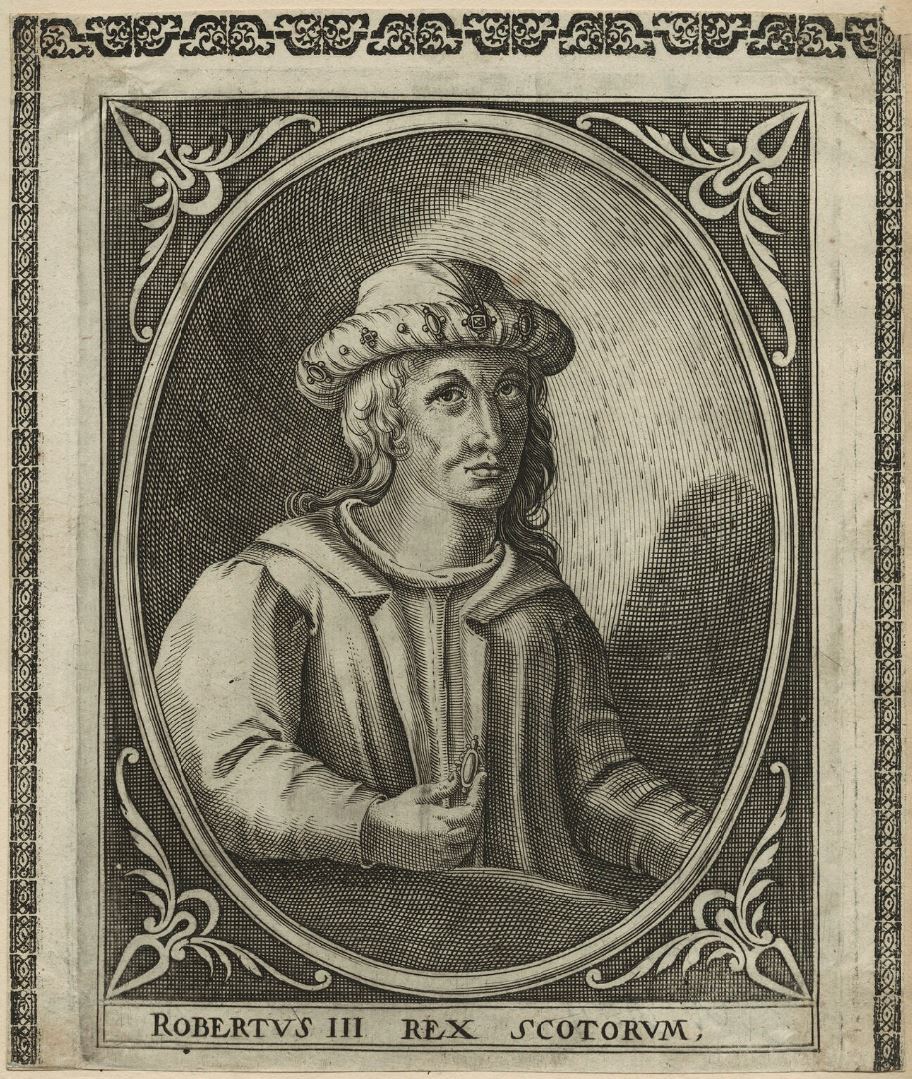
Portrait: AnonymousUnknown author / Wikimedia Commons / Public domain Robert III
Stewart king for whom the castle was a favourite residence; died here in 1406
-
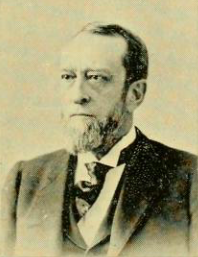
Portrait: Unknown authorUnknown author / Wikimedia Commons / Public domain William Burges
Architect who surveyed and advised the 3rd Marquess of Bute on the restorations continuing until 1900
Cultural influences
-
Rare circular plan
The castle's roughly circular curtain wall, around 42 metres in diameter and 2.7 metres thick, is an unusual plan among Scottish castles and a defining feature of the ruin.
-
Saga-recorded warfare
The 1230s assault is preserved in Hákonar saga Hákonarsonar, making Rothesay the subject of the earliest recorded account of an attack on a Scottish castle.
Connections
-
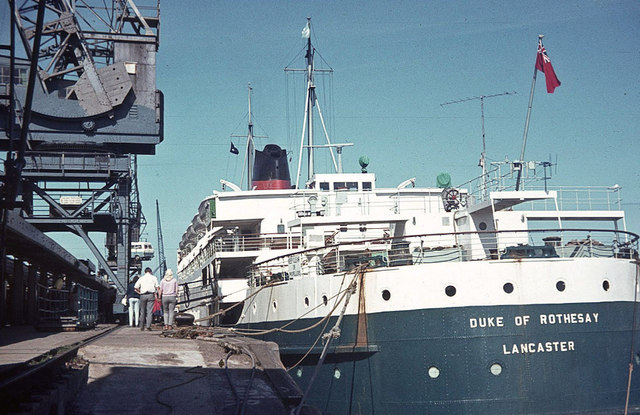
Photo: Stephen McKay / Wikimedia Commons / CC BY-SA 2.0 Duke of Rothesay
Robert III made his eldest son David Duke of Rothesay in 1401, beginning the tradition of honouring the heir to the Scottish throne with this title
-
Battle of Largs (1263)
Hákon's capture of Rothesay preceded this battle, after which the Norse retreated from western Scotland
-
PS Rothesay Castle
A paddle steamer named after the castle was constructed in 1816
-
Earls and Marquesses of Bute
Descend from John, son of Robert II, who was granted the hereditary keepership of the castle
Discovery & excavation
Following a long period of neglect, the 2nd Marquess of Bute employed 70 men to excavate the ruins and clear large amounts of rubbish from the castle in 1816–17. Work resumed in 1871 when the ruins were stabilised, and the 3rd Marquess undertook a series of repairs until 1900, including clearing and shaping the moat and adding red sandstone work to the forework.
What to look for
-
The circular curtain wall
The huge roughly circular wall of coursed ashlar, built on a low mound, with broad early crenellations still discernible within the later raised walls.
-
The Pigeon Tower
The north-west round tower, the only one to survive intact, was converted into a doocot and is known as the 'Pigeon Tower' for the nest boxes built into its outer wall.
-
The 16th-century forework
An L-plan gatehouse jutting into the moat, once reached by a drawbridge, with a vaulted entrance tunnel below and four-storey royal lodgings above; the royal coat of arms still sits over its door.
-
The chapel
A simple early-16th-century chapel, around 7 by 14 metres, the only surviving structure standing within the curtain wall.
-
The broad moat
The wide water-filled moat surrounding the castle, once connected to the sea and later cleared and shaped during the 3rd Marquess's restorations.
-
Views from the walls
From the top of the walls there are views over the town of Rothesay and back towards the mainland.
Plan your visit
- Location
- 55.8365°N · 5.0550°W
Nearby places
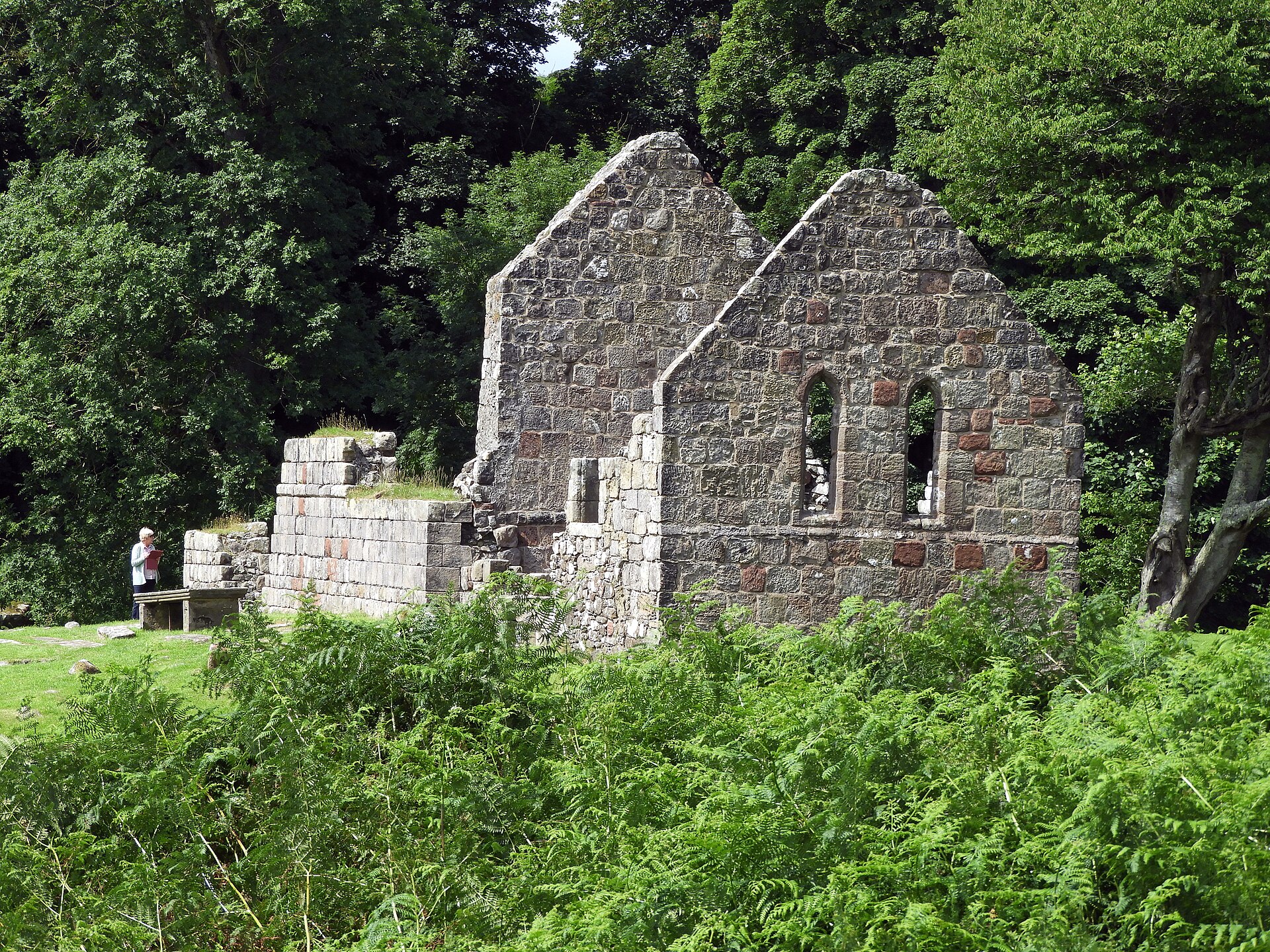
Building or ruin · Medieval
St Blane's Church
Argyll and Bute
One of Scotland's more complete early monastic sites, it preserves a sequence running from a sixth-century Celtic foundation through a Norse-era ru…
Questions people ask
- Who built Rothesay Castle?
- The castle was built by the Stewart family, either by Alan fitz Walter, Steward of Scotland (died 1204), or his son Walter (died 1246). A wooden castle came first, with the stone circular curtain wall in place by the 1230s.
- Why is the castle's shape unusual?
- Rothesay has a rare roughly circular plan, around 42 metres in diameter, uncommon among Scottish castles, which is part of why it has been described as one of the most remarkable in Scotland.
- What is the connection to the Duke of Rothesay title?
- Robert III made his eldest son David the first Duke of Rothesay in 1401, beginning the tradition of granting this title to the heir to the Scottish throne.
- What happened during the Norse attacks?
- In the 1230s Óspakr-Hákon's forces took the castle after a three-day assault, breaking through the eastern wall with axes. In 1263 Hákon of Norway took it again before the Battle of Largs, after which Norse power in western Scotland collapsed.
- Can the castle be visited?
- Yes. Rothesay Castle is a Scheduled Ancient Monument in the care of Historic Environment Scotland and is open to visitors year round.
Sources
- Wikipedia: Rothesay Castle (accessed 2026-07-18)
- Historic Environment Scotland – Rothesay Castle (accessed 2026-07-18)
- National Monuments Record of Scotland, Site Reference NS06SE 3 (accessed 2026-07-18)
Explore more: Building or ruins · Medieval · Argyll and Bute
The Ancient Codex, in your pocket
Get the Pocket Codex app
Carry the directory with you — Rothesay Castle and thousands of ancient places across Britain and Ireland, offline, wherever you roam.