
Castle walls above Tarbert harbour command the water approaches at the north end of Kintyre. Tarbert Castle is a medieval royal stronghold, one of three castles at Tarbert, with later tower remains linked to James IV’s western campaign.
The site held strategic value from early medieval conflict through Bruce, the Lords of the Isles and Campbell rebellion. Today the community-owned ruins form part of a volunteer-maintained heritage park.
What follows is drawn from published sources, with each claim labelled by how firmly it is established.
History
Tarbert Castle stands on the southern shore of East Loch Tarbert at the north end of Kintyre. It was a strategic royal stronghold during the Middle Ages and one of three castles at Tarbert.
Tarbert was burned in 712 by Selbach mac Ferchair of Cenél Loairn and Dál Riata, and in 731 by his son Dúngal mac Selbaig. Edward I handed control of the castle to John Balliol in 1292.
A fortified structure was built at Tarbert during the 13th century. Robert the Bruce reinforced the castle in the 1320s with an outer bailey and towers.
The most noticeable surviving tower dates to 1494 and James IV's visit to the Western Highlands. James IV captured the castle from John MacDonald of Islay, Lord of the Isles, in 1494 as part of his campaign against the Lords of the Isles.
In 1687 Walter Campbell of Skipness seized the castle for Archibald Campbell, 9th Earl of Argyll, during actions linked to the Monmouth Rebellion. Only a couple of standing walls remain.
The castle is now community owned and part of a volunteer-maintained heritage park.
People
-
Selbach mac Ferchair
Burned Tarbert in 712.
-
Dúngal mac Selbaig
Burned Tarbert in 731.
-
Edward I
Handed control of the castle to John Balliol in 1292.
-
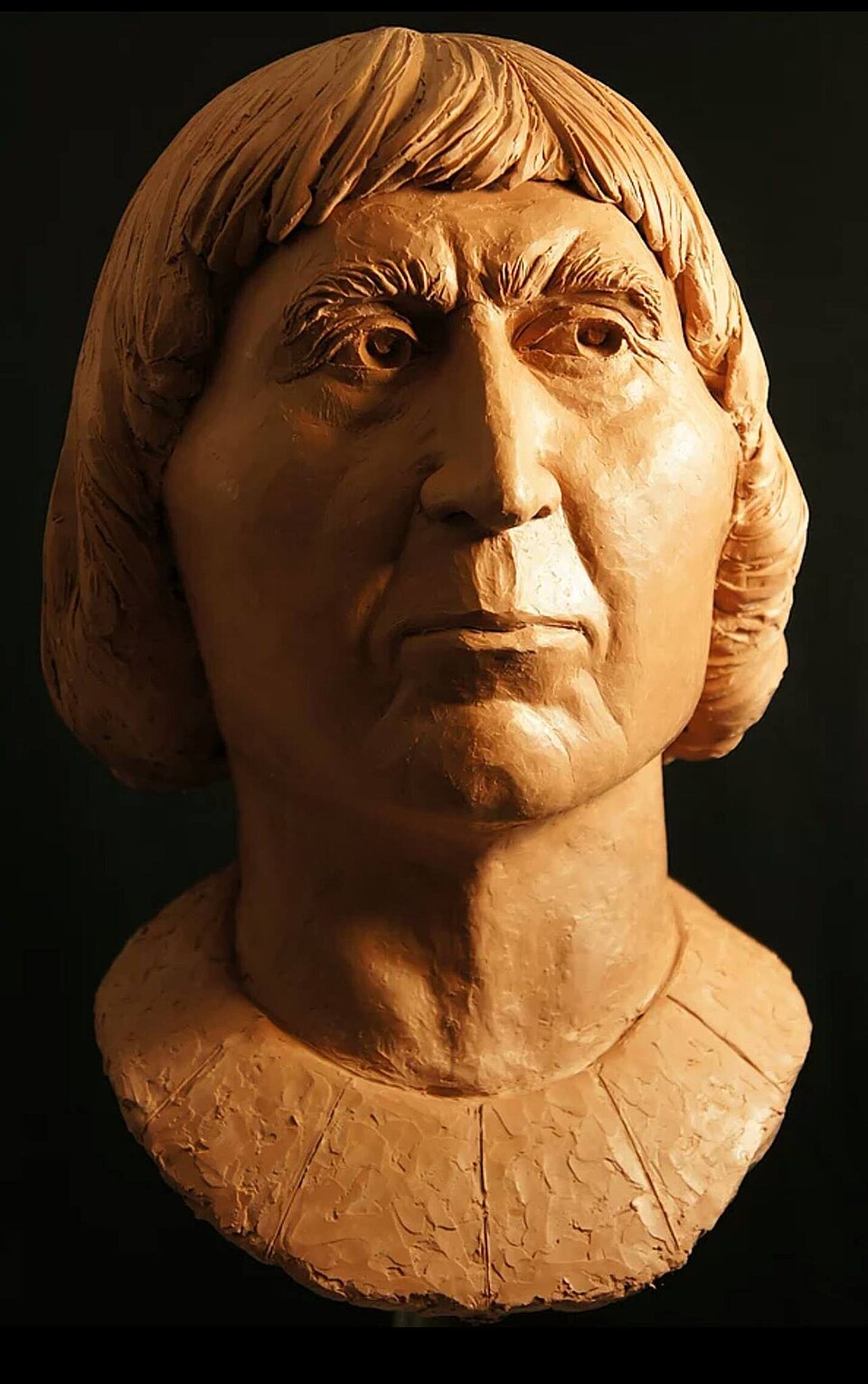
Portrait: S.A.Farabi / Wikimedia Commons / CC BY-SA 4.0 Robert the Bruce
Reinforced the castle in the 1320s.
-
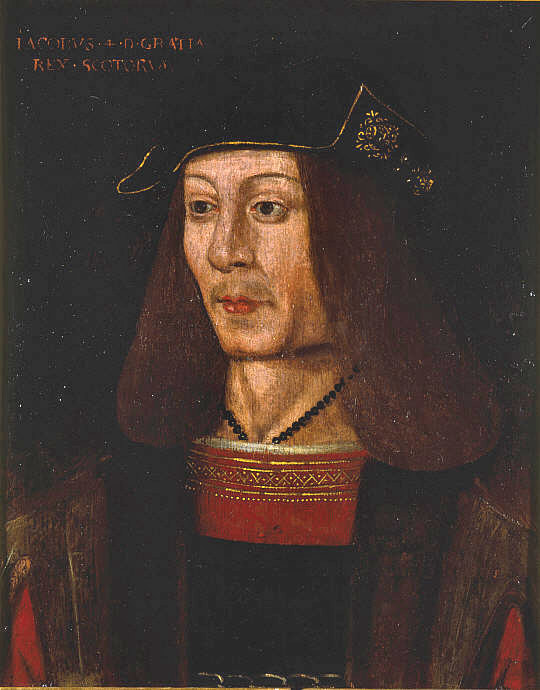
Portrait: Unknown authorUnknown author / Wikimedia Commons / Public domain James IV
Captured the castle from the Lord of the Isles in 1494.
-
John MacDonald of Islay
Lord of the Isles from whom James IV captured the castle.
-
Walter Campbell of Skipness
Seized the castle in 1687 for the 9th Earl of Argyll.
Connections
-
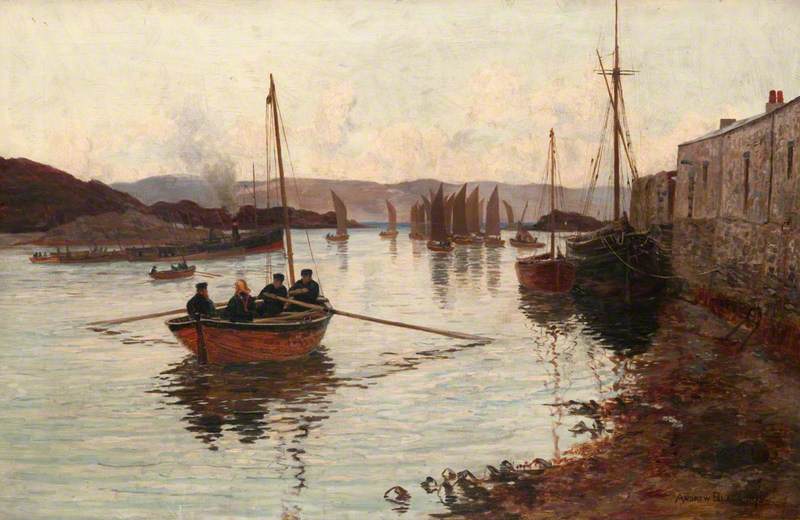
Photo: Andrew Black / Wikimedia Commons / Public domain Tarbert harbour
The castle overlooks the harbour.
-
East Loch Tarbert
Water approach overlooked by the castle.
-
Kintyre
Peninsula setting at its north end.
-
Lords of the Isles
Power challenged by James IV's capture of the castle.
What to look for
-
Harbour view
The castle occupies high ground above Tarbert's water approaches.
-
Standing walls
Only a couple of standing walls remain.
-
1494 tower
The most noticeable tower dates to James IV's western campaign.
-
Heritage park setting
The ruin is community owned and volunteer maintained.
Plan your visit
- Location
- 55.8636°N · 5.4086°W
- Access
- Open access
- Terrain
- Moderate walking
Opening & admission
No admission information in source
- The source says the castle is community owned and part of a volunteer-maintained heritage park.
- Expect a climb to high ground above the harbour.
Nearby places
Questions people ask
- What is Tarbert Castle?
- It is a medieval royal stronghold above Tarbert harbour at the north end of Kintyre.
- Who reinforced it?
- Robert the Bruce reinforced the castle in the 1320s with an outer bailey and towers.
- What happened in 1494?
- James IV captured the castle from John MacDonald of Islay during his campaign against the Lords of the Isles.
- Who owns it now?
- The source says it is community owned and part of a volunteer-maintained heritage park.
Sources
Explore more: Building or ruins · Medieval · Argyll and Bute
The Ancient Codex, in your pocket
Get the Pocket Codex app
Carry the directory with you — Tarbert Castle and thousands of ancient places across Britain and Ireland, offline, wherever you roam.