
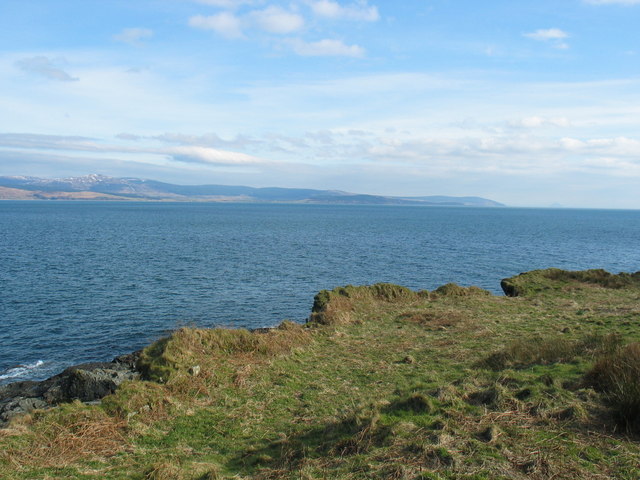
Three mica-schist stones stand side by side in Kintyre, their line drawing the eye beyond the field toward distant hills and islands. Ballochroy is a prehistoric standing-stone alignment, meaning upright stones set in a deliberate row.
Alexander Thom argued that the stones used distant landforms to mark solstice sunsets, though such astronomical interpretations should be treated carefully. Even without accepting every claim, Ballochroy remains one of the most striking megalithic groups in South Argyll.
What follows is drawn from published sources, with each claim labelled by how firmly it is established.
History
Ballochroy consists of three vertical stones standing side by side on the Argyll peninsula.
The stones form part of a wider South Argyll megalithic cluster.
Alexander Thom argued that the stones and distant landforms created a precise astronomical calendar for midsummer and winter solstices.
The central stone's flat face points toward Cora Bheinn on Jura.
The shortest stone points toward Beinn a' Chaolais, the southernmost of the Paps of Jura.
The smallest stone may be broken at the top.
People
-
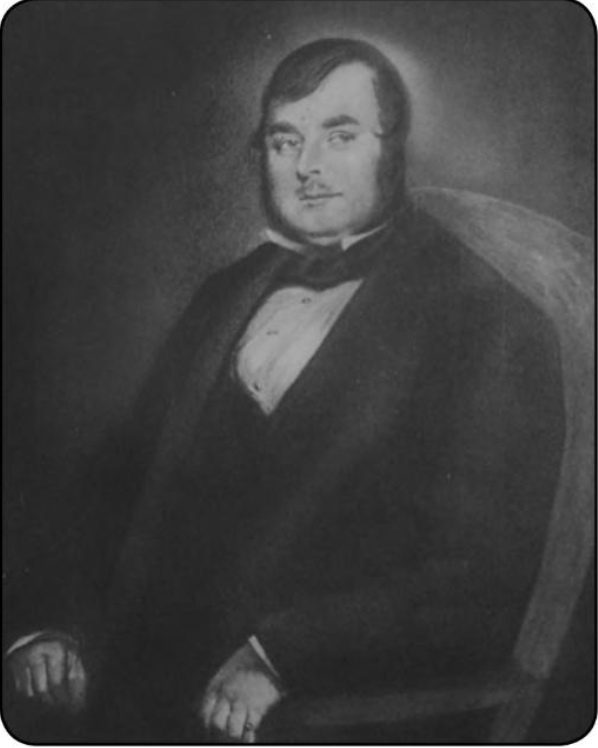
Portrait: Charles Grey (1808-1892) / Wikimedia Commons / Public domain Alexander Thom
Argued that Ballochroy's alignment used distant landforms for solstice observations.
Connections
-
Jura
Distant Jura landforms feature in Thom's interpretation of the alignment.
-
Cora Bheinn
The central stone is said to indicate this mountain on Jura.
-
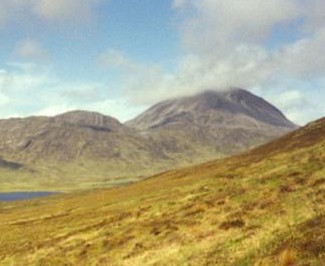
Photo: Mick Garratt Original uploader was Grinner at en.wikipedia / Wikimedia Commons / CC BY-SA 2.0 Beinn a' Chaolais
The shortest stone points toward this southern Pap of Jura.
-
South Argyll megalithic cluster
Ballochroy is described as one of the most spectacular groups in the cluster.
What to look for
-
Three standing stones
The monument is formed by three upright mica-schist stones.
-
North-east to south-west line
The stones stand in a line on this general orientation.
-
Distant hill sightlines
The stones have been interpreted in relation to hills on Jura.
Plan your visit
- Location
- 55.7120°N · 5.6140°W
- Access
- Open access
- Terrain
- Moderate walking
Opening & admission
Check locally before travelling
- The stones are described as part of the Kintyre landscape, but the source gives no access terms.
- Expect open ground conditions if visiting.
Nearby places
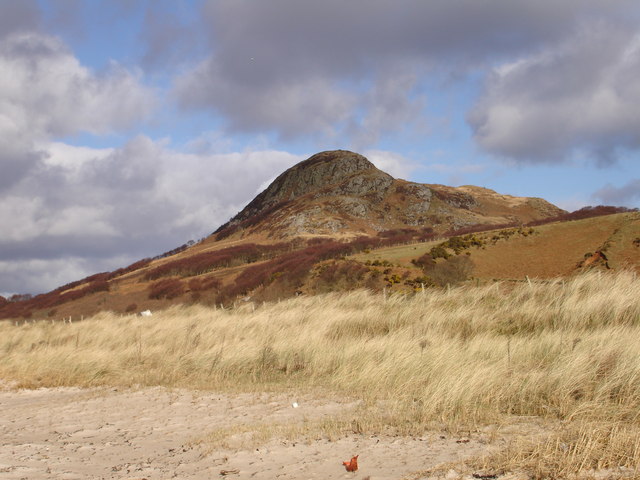
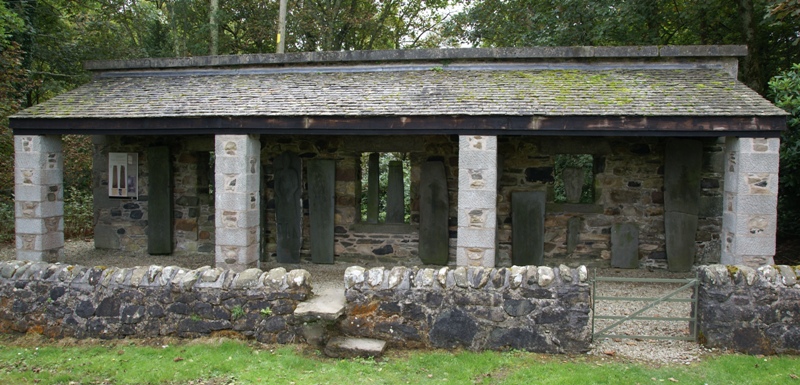
Carved stone · Medieval
Kilberry Sculptured Stones
Argyll and Bute
A surviving group of late medieval cross-slabs and grave markers rescued from a lost parish church, now protected as a scheduled monument in the gr…
- Easy path
Questions people ask
- What is Ballochroy?
- It is a prehistoric standing-stone alignment of three upright stones in Kintyre.
- Why is Ballochroy famous?
- Alexander Thom argued that the stones used distant hills to mark solstice events, making the site important in discussions of prehistoric astronomy.
- Are the astronomical claims certain?
- They are best treated as interpretation rather than settled fact; the source presents Thom's argument, not proof accepted beyond dispute.
- What should you look for?
- Look for the three mica-schist stones and how their line relates visually to the distant Jura hills.
Sources
The Ancient Codex, in your pocket
Get the Pocket Codex app
Carry the directory with you — Ballochroy and thousands of ancient places across Britain and Ireland, offline, wherever you roam.