
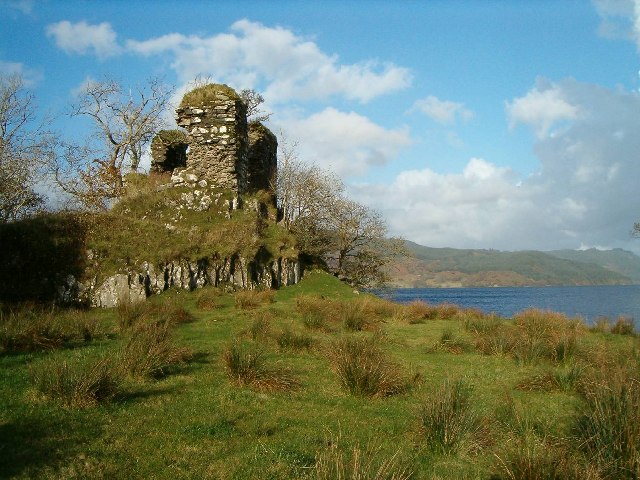
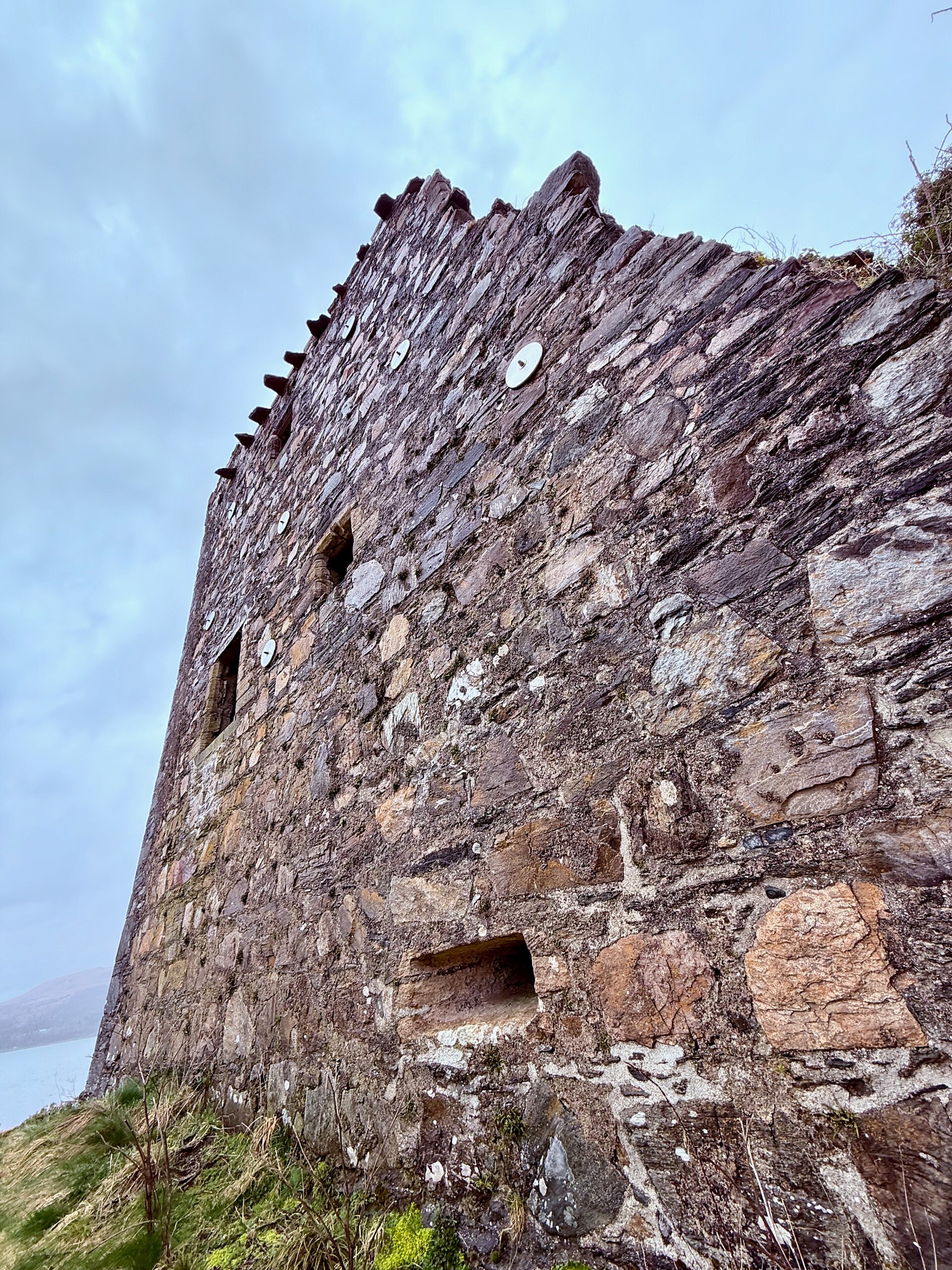
A wooded island in Loch Awe holds the thick-walled ruin of Innes Chonnel Castle. Also called Ardchonnel Castle, it is a 13th-century castle and former stronghold of Clan Campbell.
The castle’s history reaches into Campbell origins, Bruce-era conflict and later imprisonment. Though abandoned as a Campbell residence in the 15th century, it continued to serve as a prison before falling ruinous by the 19th century.
What follows is drawn from published sources, with each claim labelled by how firmly it is established.
History
Innes Chonnel Castle stands on Innis Chonnell, an island on Loch Awe near Dalavich. The castle is a ruined 13th-century fortress.
It was once a stronghold of Clan Campbell. The castle may have been the original Campbell stronghold from the 11th century or earlier.
It was the seat of Cailean Mór, Sir Colin Campbell, who was killed at the Battle of Red Ford in 1296. John MacDougall held the castle against Robert the Bruce in 1308.
Sir Neil Campbell married Bruce's sister Mary and fought for Bruce at Bannockburn in 1314. The Campbells abandoned Innes Chonnel as a residence in the 15th century, though it remained in use as a prison.
Domhnall Dubh, heir to the Lordship of the Isles, was imprisoned there after the Battle of Bloody Bay in 1484. The castle was in ruins by the 19th century.
The castle and island are jointly a scheduled monument.
People
-
Cailean Mór, Sir Colin Campbell
Campbell chief whose seat was Innes Chonnel and who died at the Battle of Red Ford.
-
John MacDougall
Held the castle against Robert the Bruce in 1308.
-
Sir Neil Campbell
Married Bruce's sister Mary and fought at Bannockburn.
-
Domhnall Dubh
Heir to the Lordship of the Isles imprisoned at Innes Chonnel after Bloody Bay.
Connections
-
Loch Awe
The castle stands on an island in the loch.
-
Clan Campbell
Innes Chonnel was a major early Campbell stronghold.
-
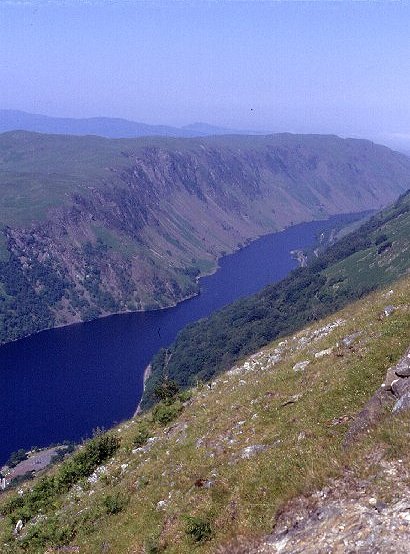
Photo: Chris Heaton / Wikimedia Commons / CC BY-SA 2.0 Battle of Red Ford
Battle in which Cailean Mór was killed.
-
Battle of Bloody Bay
After this battle, Domhnall Dubh was imprisoned at the castle.
What to look for
-
Wooded island
The castle stands on Innis Chonnell in Loch Awe.
-
Thick outer walls
The source highlights the castle's substantial outer walling.
-
Prison history
Later use as a prison connects the ruin with Lordship of the Isles politics.
Plan your visit
- Location
- 56.2568°N · 5.2675°W
- Terrain
- Rough ground — reasonable boots advised
Opening & admission
Check local boat and land access before travelling
- The castle stands on Innis Chonnell, an island in Loch Awe.
- The source gives no public landing or access terms.
Nearby places
Minor monument · Medieval
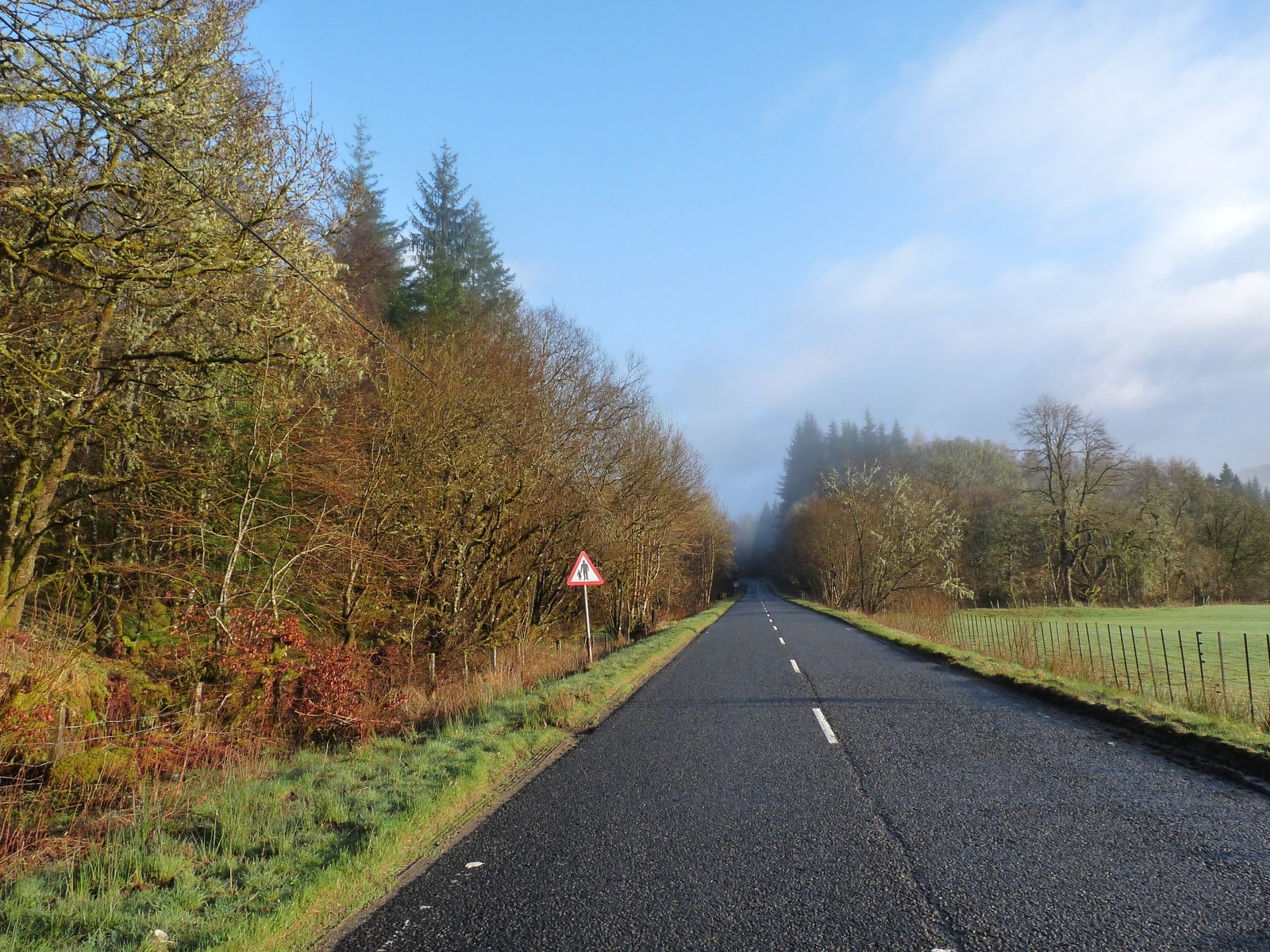
Dovecot, Carloonan, Inveraray Castle Estate
Argyll and Bute
Dovecote with HES-listed pre-1800 evidence (1747).
Fortified place · Medieval
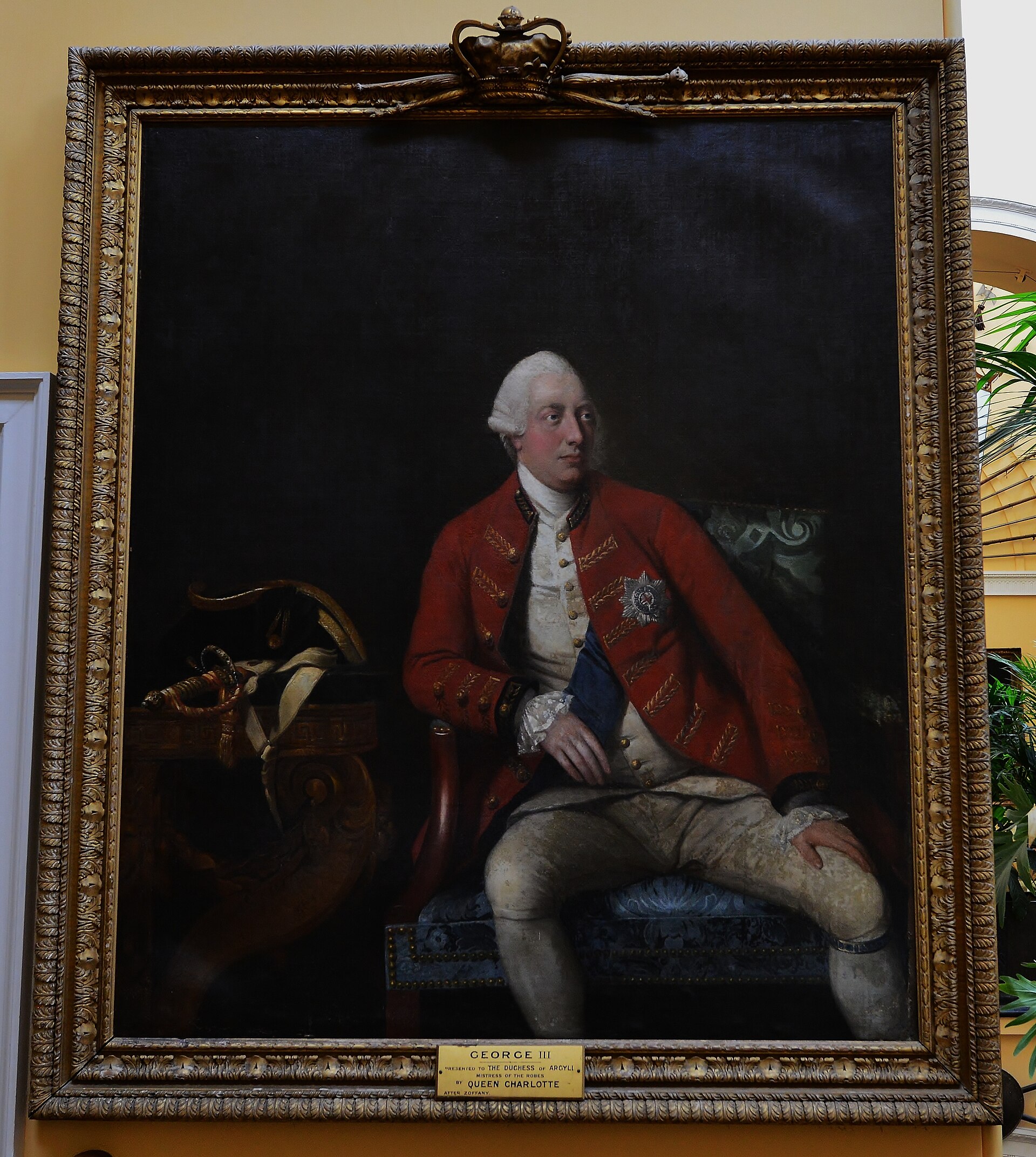
Inveraray Castle
Argyll and Bute
One of the earliest and most complete expressions of Gothic Revival architecture in Scotland, and the continuous seat of the Dukes of Argyll and Cl…
Questions people ask
- What is Innes Chonnel Castle?
- It is a ruined 13th-century castle on Innis Chonnell in Loch Awe.
- Which clan is linked with it?
- It was a stronghold of Clan Campbell and may have been their original stronghold.
- Who was imprisoned there?
- Domhnall Dubh, heir to the Lordship of the Isles, was imprisoned there after the Battle of Bloody Bay.
- Is the island protected?
- Yes. The castle and island are jointly a scheduled monument.
Sources
Explore more: Building or ruins · Medieval · Argyll and Bute
The Ancient Codex, in your pocket
Get the Pocket Codex app
Carry the directory with you — Innes Chonnel Castle and thousands of ancient places across Britain and Ireland, offline, wherever you roam.