
The northernmost cairn in Kilmartin Glen's Bronze Age linear cemetery, one of the richest concentrations of prehistoric ritual and burial monuments in Scotland.
Glebe Cairn marks the northern end of a linear cemetery of Bronze Age burial cairns that runs south down the glen from Kilmartin village. Raised around 1700 to 1500 BC, the roughly 30-metre mound was built as two concentric rings of stone around a pair of burial cists, which William Greenwell opened in 1864 and found furnished with pottery — part of the funerary record that makes this glen one of the richest prehistoric landscapes in Scotland. The monument sits close to Kilmartin’s parish church, home to the carved Kilmartin Sculptured Stones, and forms one link in a chain that also includes the Nether Largie cairns, Ri Cruin and the Temple Wood stone circles. Its exact type is recorded as uncertain, but its scale and central cists mark it clearly as a place of ceremony and burial. Scheduled as an ancient monument in 1933 and now in the care of Historic Environment Scotland, Glebe Cairn rewards a visit as the gateway to a valley crowded with cairns, standing stones and rock carvings.
What follows is drawn from published sources, with each claim labelled by how firmly it is established.
What to look for
-
A large mound, roughly 30 metres across and 3 metres high
-
Two concentric rings of stone forming the cairn's structure
-
A pair of central stone cists, opened by William Greenwell in 1864
-
The line of monuments south along the glen — the Nether Largie cairns, Ri Cruin and Temple Wood
-
Kilmartin's parish church nearby, housing the carved Kilmartin Sculptured Stones
Plan your visit
- Location
- General area near Argyll and Bute, Argyll and Bute
- Access
- Open access
- Terrain
- Easy going
This is a sensitive or fragile site, so we show only its general area. Please check official heritage sources for access before visiting, and take care not to disturb it.
Nearby places
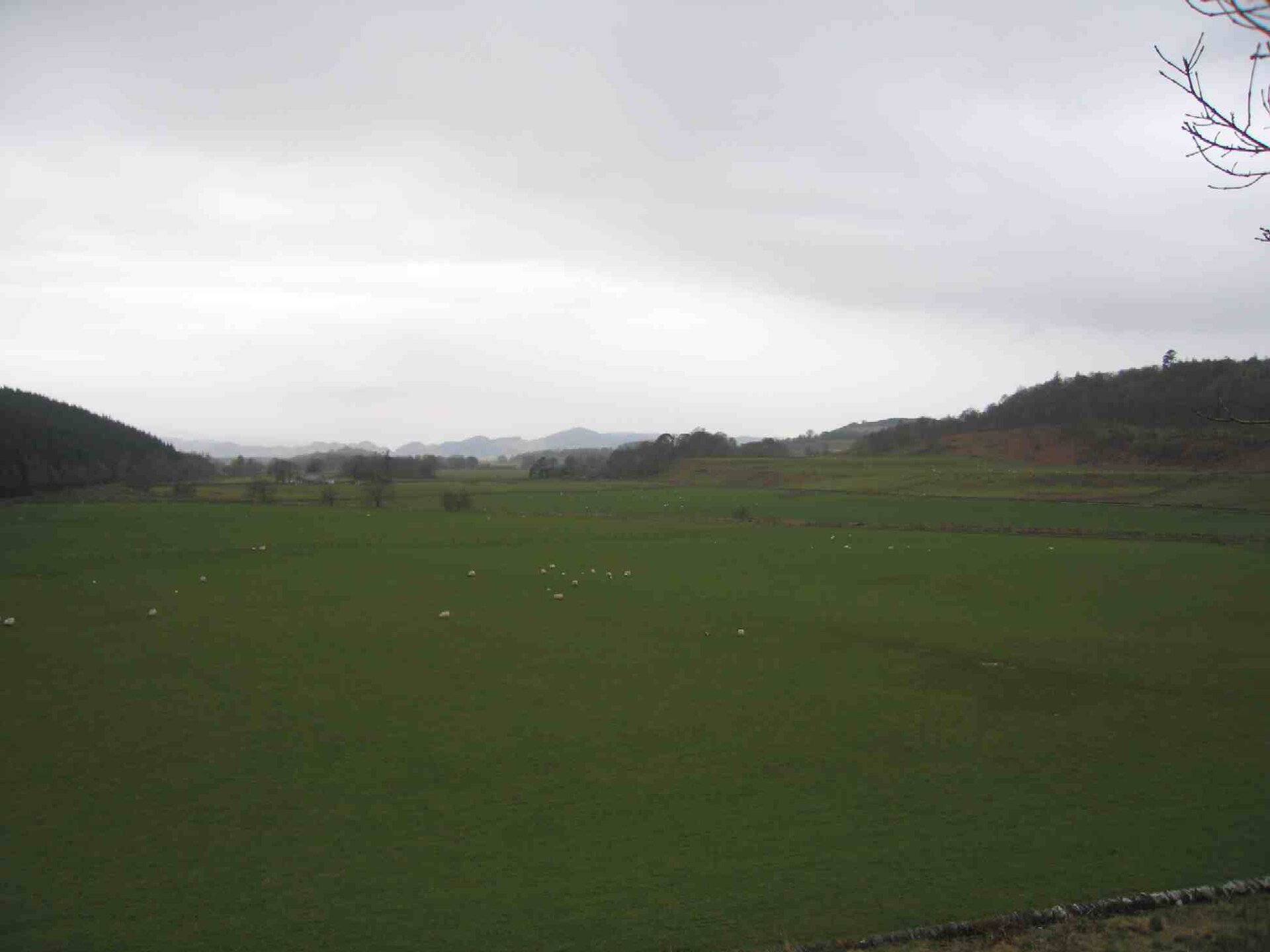
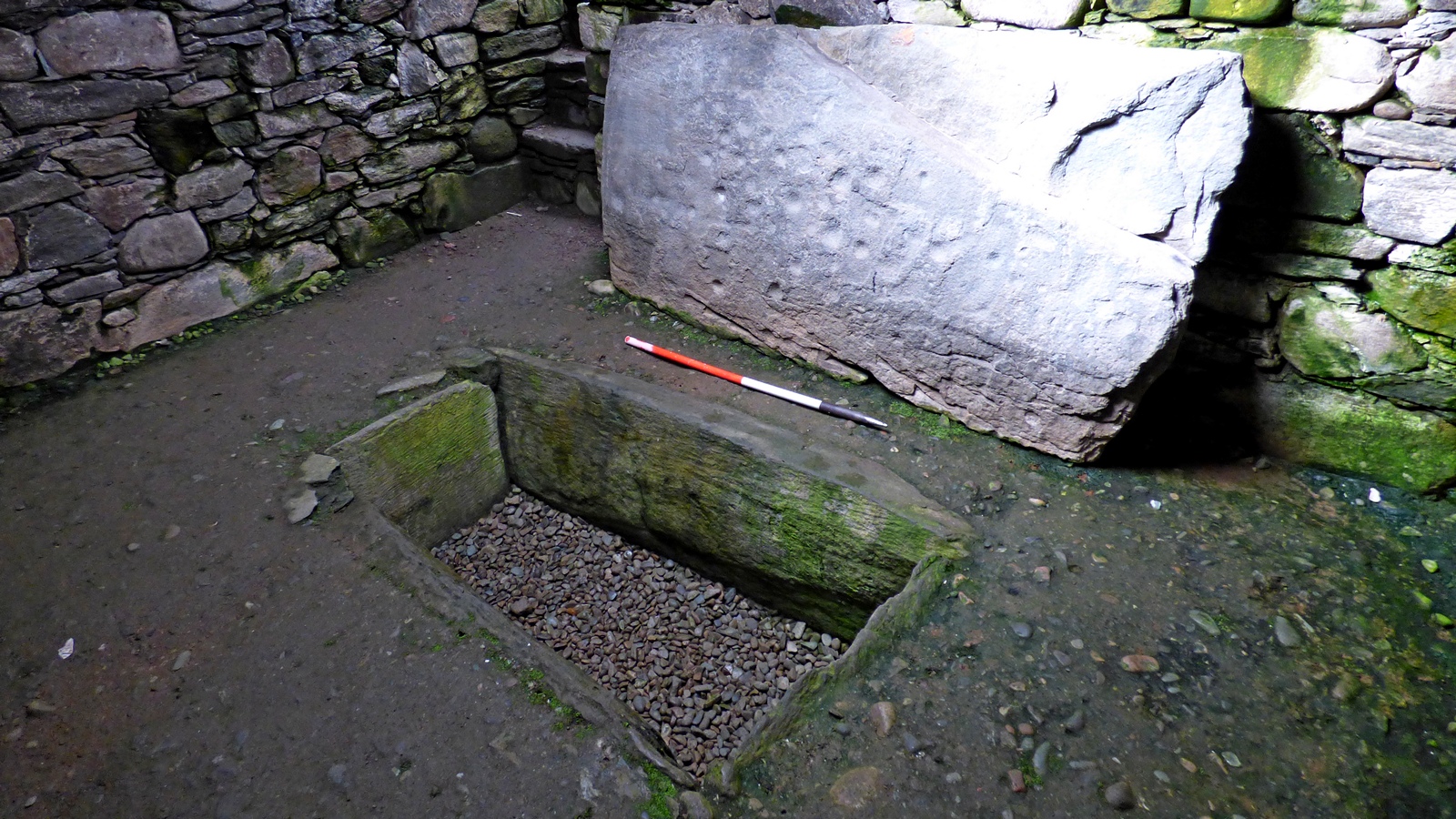
Tomb or burial place · Prehistoric
Nether Largie North Cairn
Argyll and Bute
Its carved capstone, marked with dozens of cup-marks and ten axe-head symbols, makes it one of the most vividly decorated Bronze Age burial monumen…
- Easy path
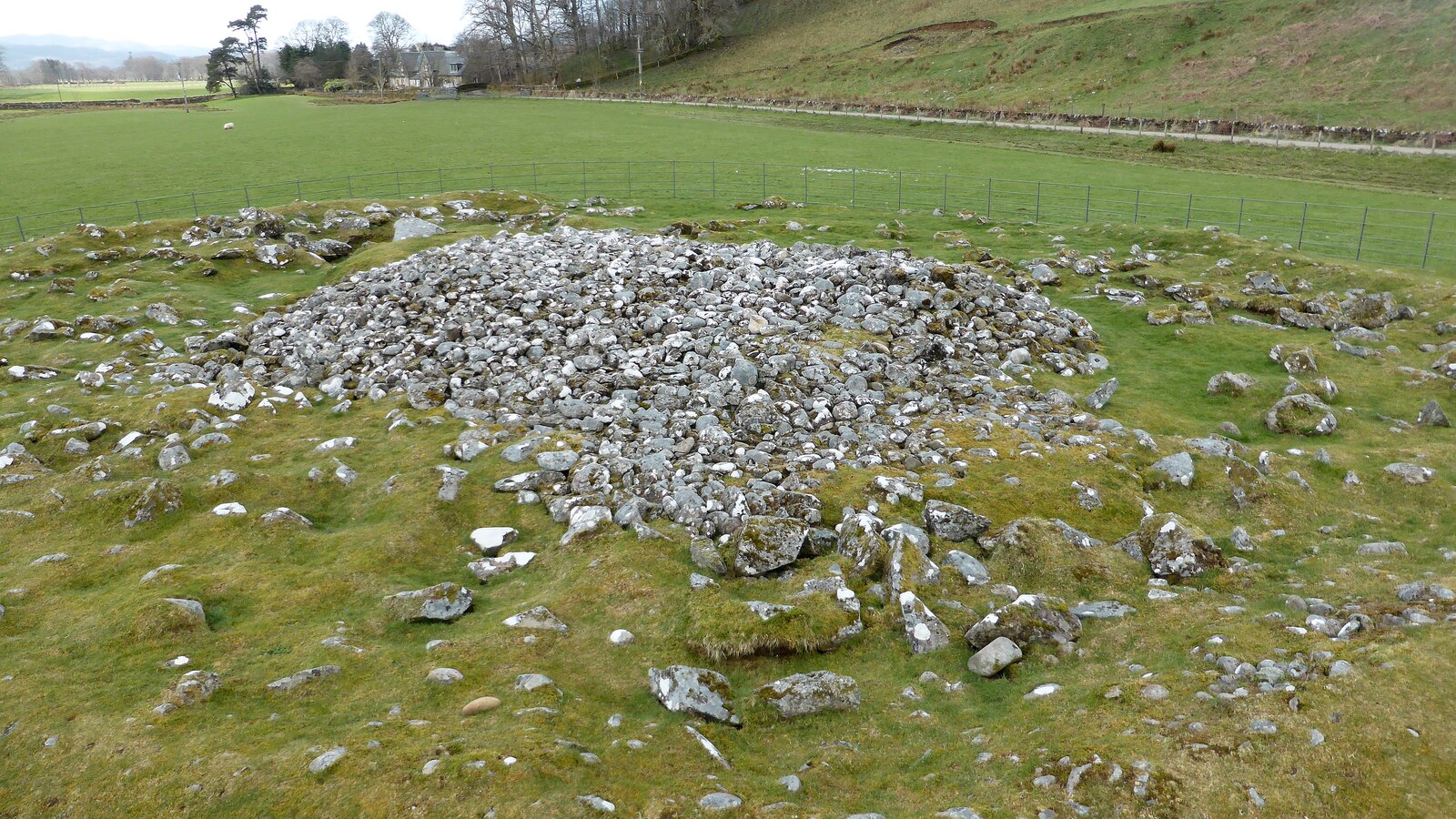
Tomb or burial place · Prehistoric
Nether Largie Mid Cairn
Argyll and Bute
It forms a central link in the Kilmartin Glen linear cemetery, one of Scotland's most concentrated groupings of prehistoric burial monuments.
- Easy path
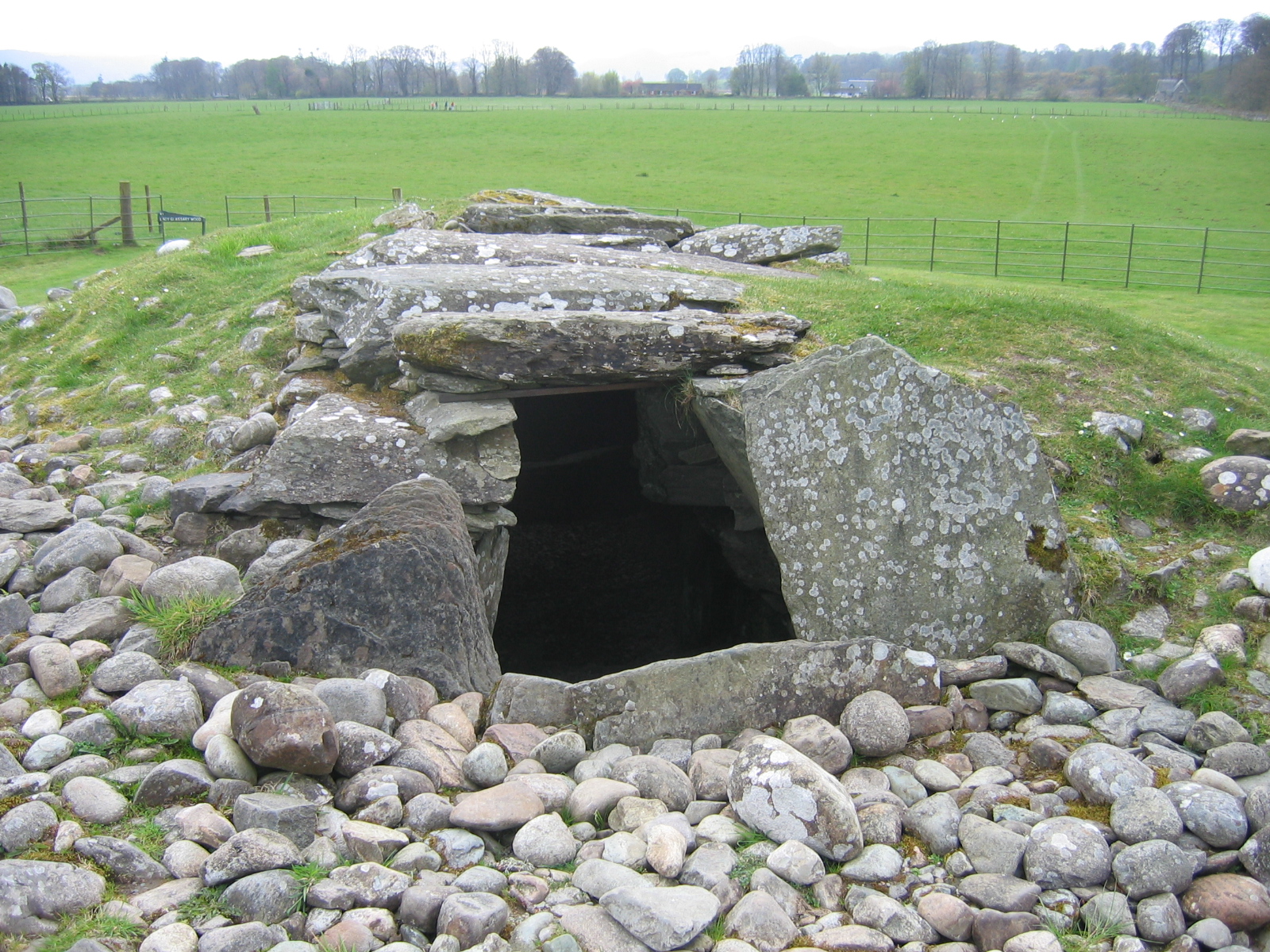
Tomb or burial place · Prehistoric
Nether Largie South Chambered Cairn
Argyll and Bute
Nether Largie South is a Neolithic Clyde-type chambered cairn and the earliest monument in the Kilmartin Glen linear cemetery — the line of cairns…
- Near Kilmartin
- 7 min walk from car park
- Easy path
The Ancient Codex, in your pocket
Get the Pocket Codex app
Carry the directory with you — Glebe Cairn and thousands of ancient places across Britain and Ireland, offline, wherever you roam.