
Smailholm Tower is a peel tower atop the crag of Lady Hill, around five miles west of Kelso in the Scottish Borders. It was built in the 15th or early 16th century by the Pringle family (originally…
Smailholm Tower is a fortified place near Smailholm, Scottish Borders, Scotland.
What follows is drawn from published sources, with each claim labelled by how firmly it is established.
History
Smailholm Tower is a peel tower atop the crag of Lady Hill, around five miles west of Kelso in the Scottish Borders. It was built in the 15th or early 16th century by the Pringle family (originally Hoppringle), followers of the Earl of Douglas who held the lands of Smailholm from the early 15th century.
Like all Scottish peel towers it was built for protection against sporadic English raids. It was attacked by English soldiers in 1543, 1544 and again in 1546, when the garrison of Wark Castle sacked the tower and carried off prisoners and cattle. It was successfully defended against the English in 1640 by Sir Andrew Ker of Greenhead.
The tower passed to the Scotts of Harden — ancestors of Sir Walter Scott — who rebuilt parts of the tower and barmkin. It decayed in the 18th century after the family moved to nearby Sandyknowe. The last owner, the Earl of Ellesmere, placed it into state care in 1950; it was restored in the 1980s and now operates as a museum.
In June 2007 it was awarded the maximum 'five-star' tourist-attraction rating by VisitScotland, a rating then held by only eight other sites in Scotland. A 2010/11 restoration reinstated a turf roof over the structure following roofing experiments begun in 2006.
People
-
The Pringle (Hoppringle) family
Original builders and early holders of Smailholm, followers of the Earl of Douglas
-
Sir Andrew Ker of Greenhead
Successfully defended the tower against the English in 1640
-
The Scotts of Harden
Later owners (ancestors of Sir Walter Scott) who rebuilt parts of the tower and barmkin
-
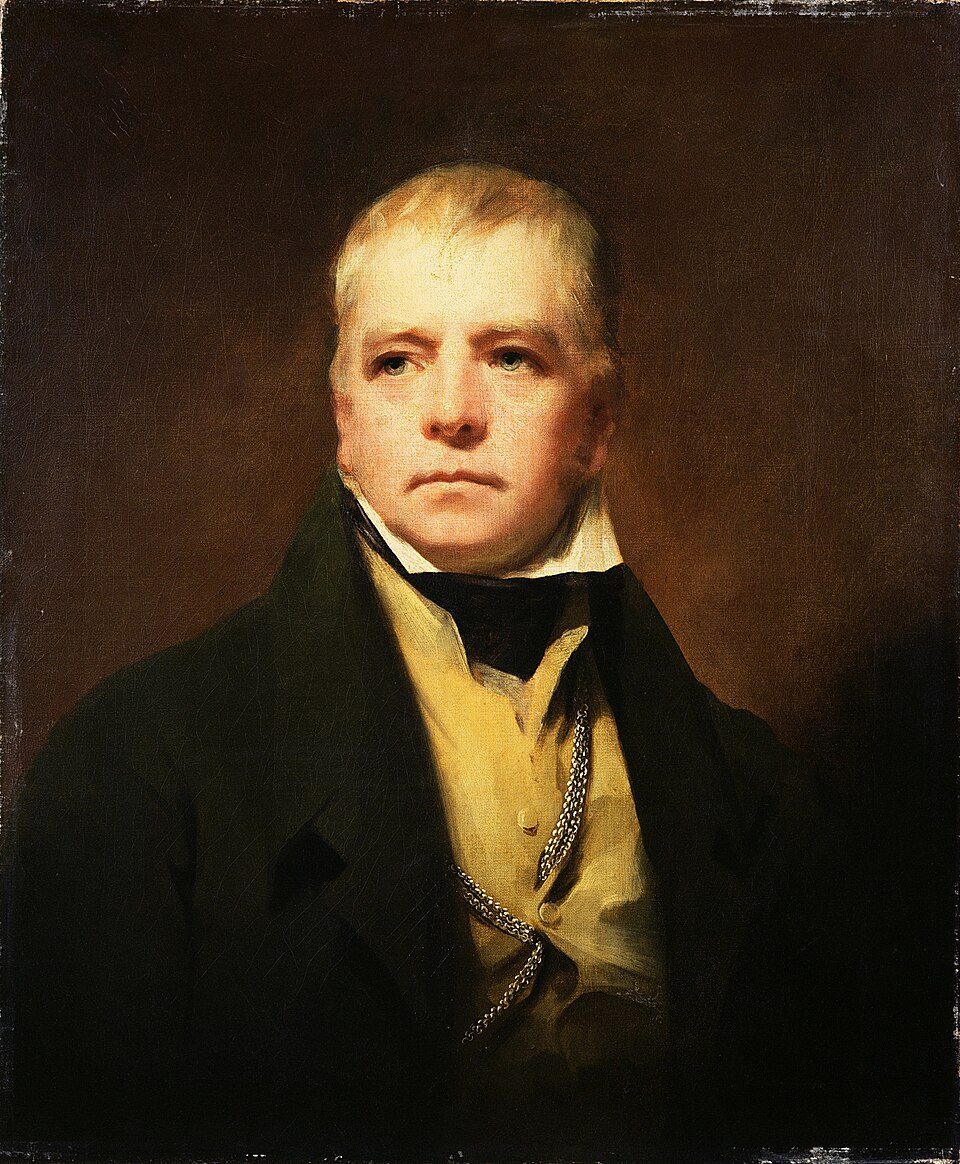
Portrait: Henry Raeburn / Wikimedia Commons / Public domain Sir Walter Scott
Author who visited his grandfather here as a boy; the tower inspired his writing and his uncle restored it around 1800
-
Earl of Ellesmere
Last private owner, who handed the tower into state care in 1950
Cultural influences
-
Scottish Border peel-tower tradition — Smailholm was built, like all such towers, to give its occupants protection from English cross-border raids, a defining feature of the lawless medieval and early-modern Borders.
-
The Romantic literary movement — through Sir Walter Scott, the tower became a touchstone of Borders Romanticism, drawing later artists and writers to the site.
Connections
-
Sandyknowe Farm
Neighbouring farm to which the Scott family moved; where the young Walter Scott stayed with his grandfather
-
Marmion / The Eve of St John
Works by Sir Walter Scott — Smailholm is the setting of the ballad and appears in the poem
-
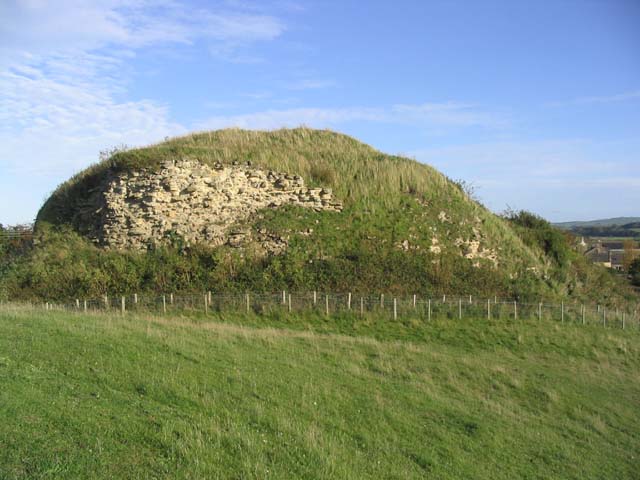
Photo: Walter Baxter / Wikimedia Commons / CC BY-SA 2.0 Wark Castle
English stronghold whose garrison sacked the tower in 1546
-
Clan Pringle
The family (originally Hoppringle) that built and long held the tower
In culture
-
Smailholm inspired Sir Walter Scott, providing the setting for his ballad The Eve of St John and a presence in Marmion. J. M. W. Turner visited with Scott and sketched the tower for Scott's Poetical Works; Henry Fox Talbot later repeated Turner's itinerary, publishing Sun Pictures in Scotland, considered the first photographic travelogue.
-
The tower is the centrepiece of Margaret J. Anderson's children's novel In the Keep of Time and features in C. L. Williams's book Smailholm. It now displays an array of embroidered model figures illustrating its history and Scott's stories, created by two local artists.
What to look for
-
The four-storey rectangular tower (about 12.1 m by 9.4 m) of basalt rubble with walls 2.4 m thick, set on a rocky outcrop; the door is in a large red sandstone arch on the south side, with a turnpike stair in the south-east corner.
-
The hall above the vaulted basement, with a fireplace to the north featuring a carved human face.
-
The top floor's unusual elliptical stone vault supporting a stone-flag roof, with interrupted parapet walks along the north and south sides.
-
The surrounding barmkin (courtyard) wall enclosing the ruins of outbuildings, a small chapel, a 17th-century hall house and a two-roomed kitchen block; a defensive ditch protects the western approach.
Plan your visit
- Location
- 55.6045°N · 2.5762°W
- Nearest settlement
- Smailholm
- Access
- Paid entry — managed visitor site
- Parking
- Parking available nearby — see the official getting-here page.
- Start point
- Sandyknowe Farm · Kelso · TD5 7PG · National Grid reference: NT 638 346 · Telephone: 01573 460 365
- Best time
- 1 April to 30 September: Friday to Monday, 10am to last entry at 4pm (closes 4.30pm).
- Start point
- Smailholm Tower car park — Limited visitor parking at the tower (via Sandyknowe Farm). No accessible bays marked; no coach parking.
- Sat-nav
- TD5 7PG
Opening & admission
Free entry
- 1 April to 30 September: Friday to Monday, 10am to last entry at 4pm (closes 4.30pm).
Nearby places
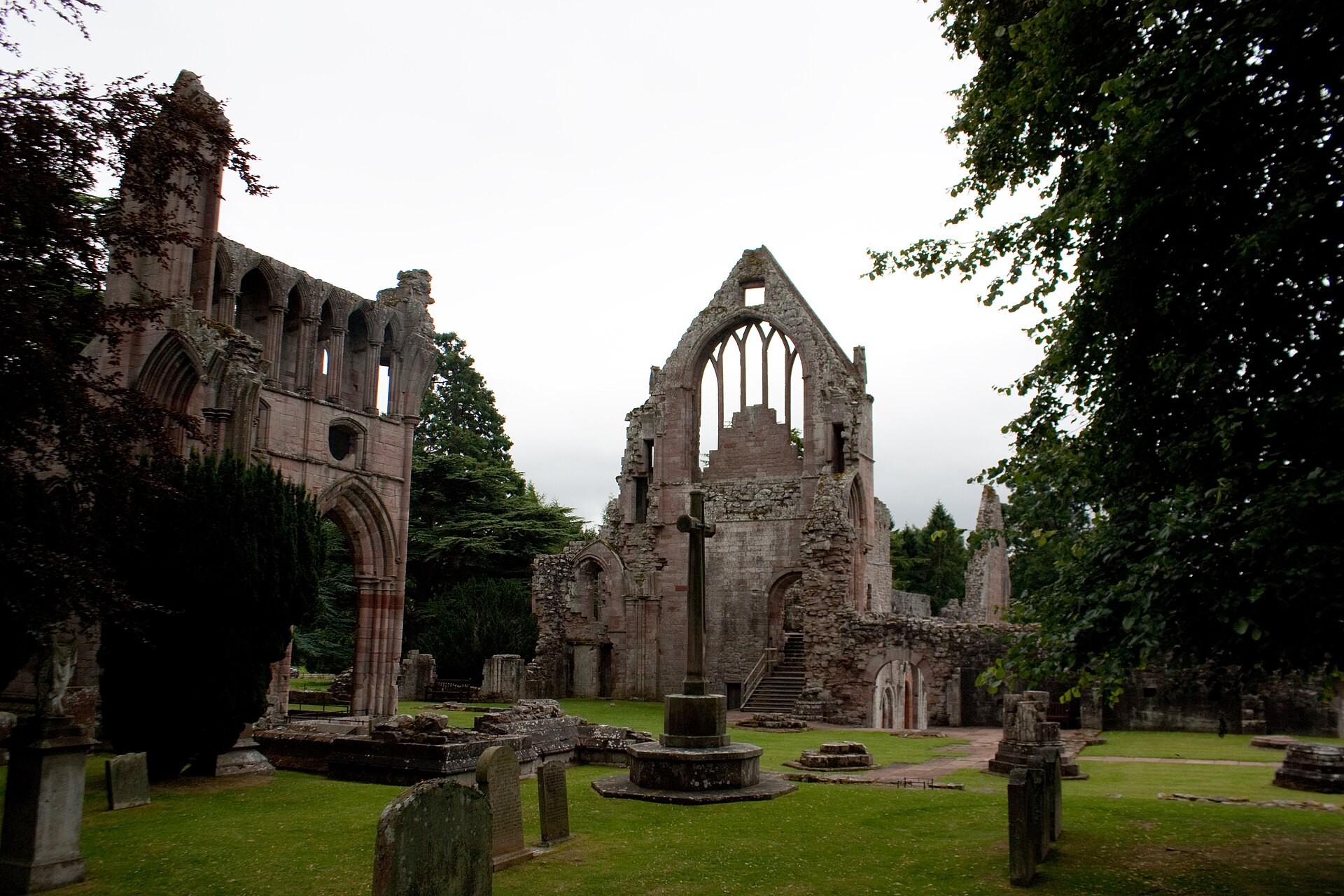
Building or ruin · Medieval
Dryburgh Abbey
Scottish Borders
Dryburgh Abbey was nominally founded on 10 November (Martinmas) 1150 under an agreement between Hugh de Morville, Constable of Scotland, and the Pr…
- Near St Boswells
- 363 metres from car park
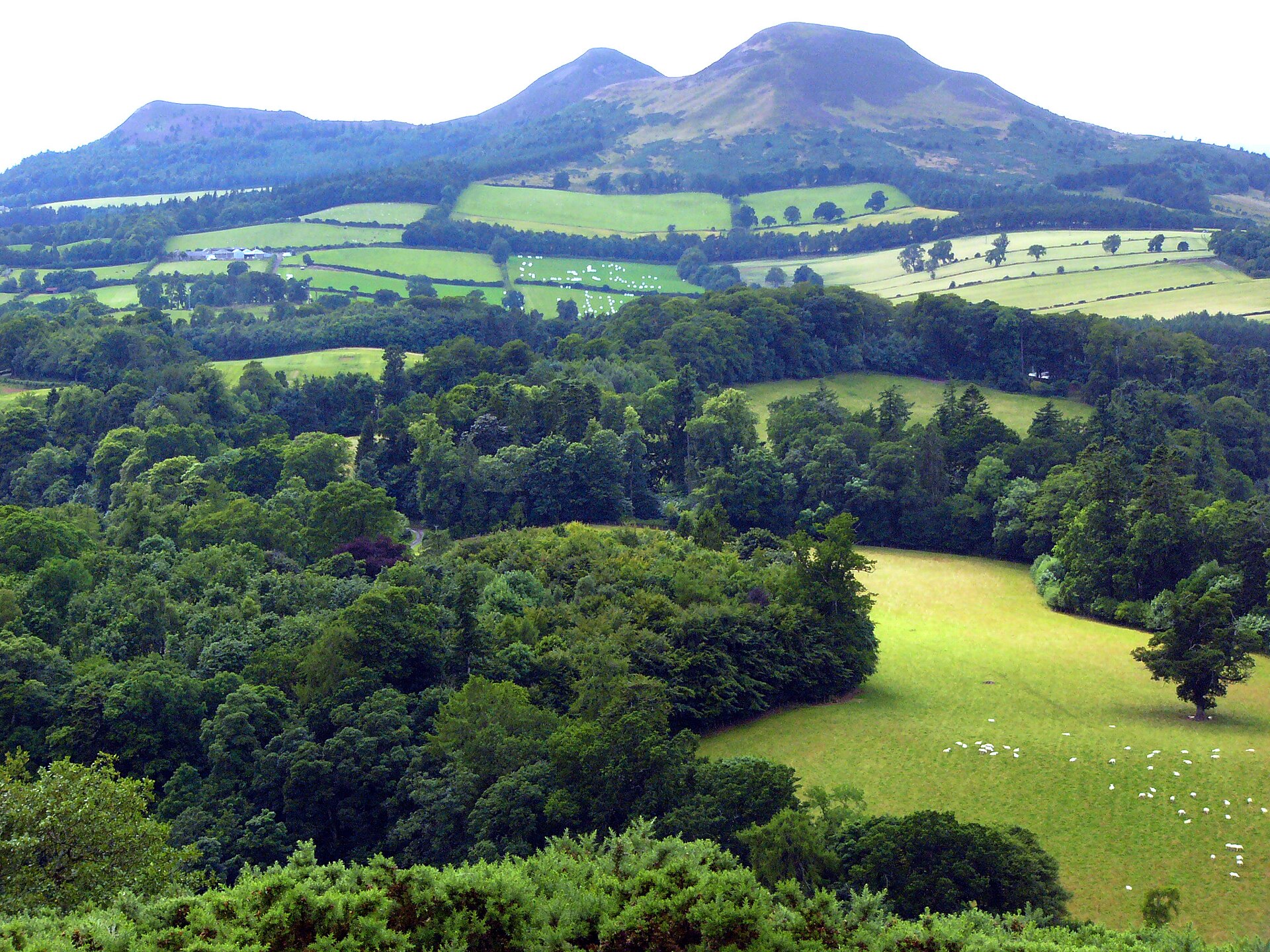
Fortified place · Medieval
Floors Castle
Scottish Borders
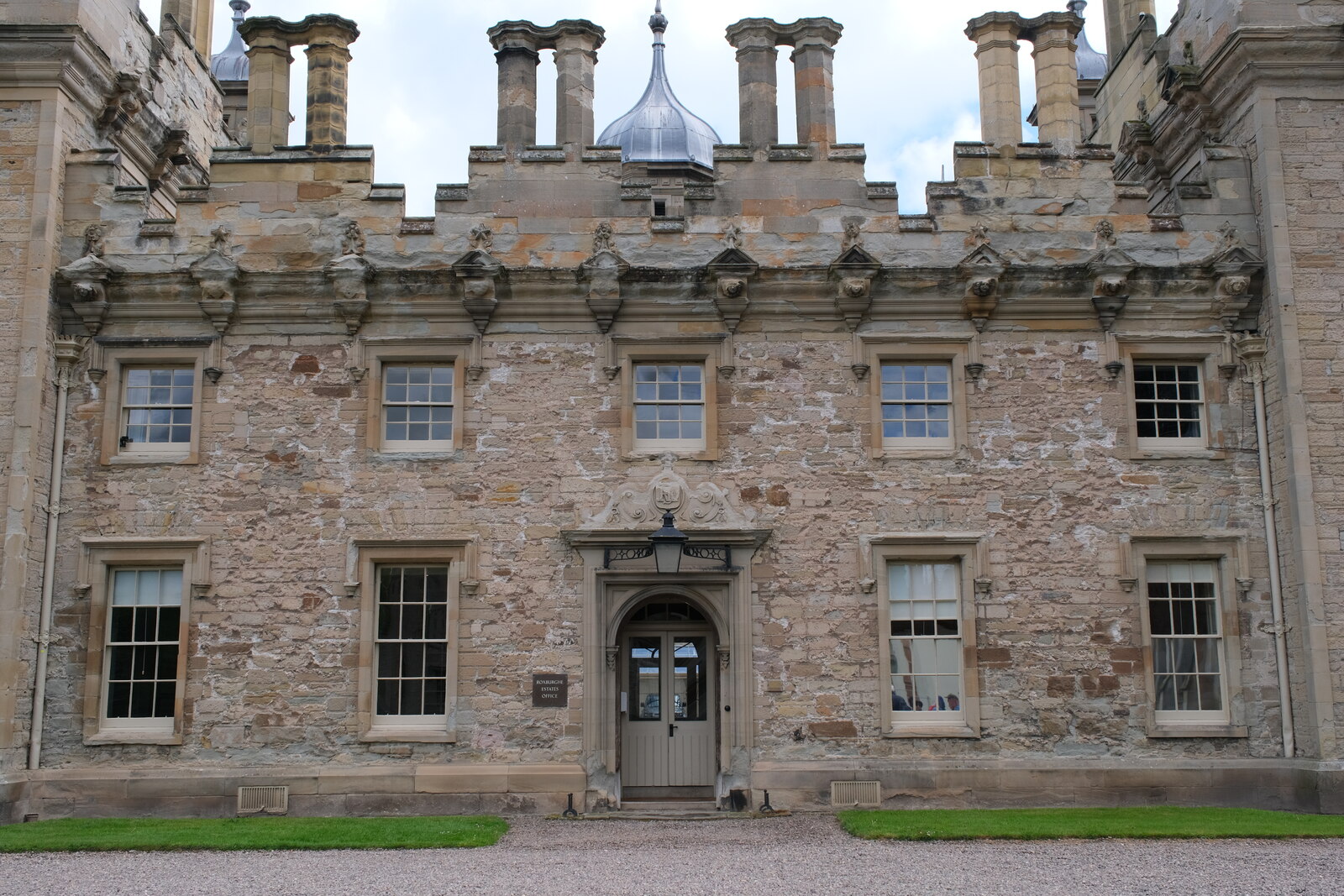
Floors Castle is a Category A listed house whose Georgian core by William Adam and romantic Victorian remodelling by William Henry Playfair togethe…
Fortified place · Medieval
Roxburgh Castle
Scottish Borders
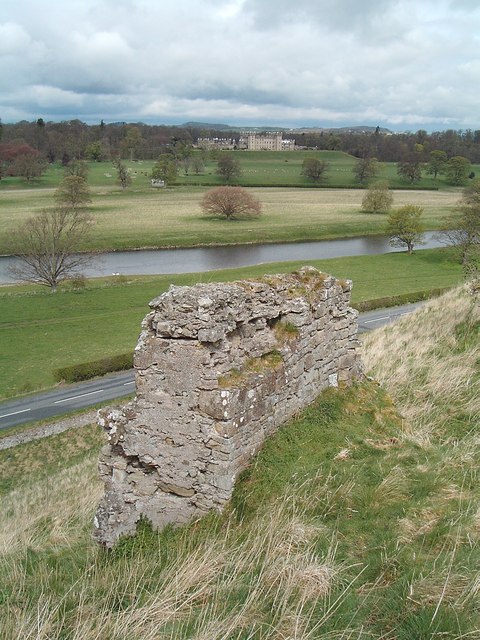
One of the most fiercely contested strongholds of the Anglo-Scottish frontier, and the place where King James II of Scotland was killed by his own…
Sources
- Canmore site record 57231 (accessed 2026-06-13)
- Trove (HES) record (accessed 2026-06-13)
- Wikipedia: Smailholm Tower (accessed 2026-06-13)
- Wikidata Q2696684 (accessed 2026-06-13)
Explore more: Fortified places · Medieval · Scottish Borders
The Ancient Codex, in your pocket
Get the Pocket Codex app
Carry the directory with you — Smailholm Tower and thousands of ancient places across Britain and Ireland, offline, wherever you roam.