
The Eildon Hills stand over the fields where Rome built one of its great northern bases. Trimontium was a Roman fort complex, a group of military enclosures and support areas, beside the Tweed, named for the three hills and repeatedly reshaped as the frontier advanced and retreated.
Trimontium matters because it was far more than a single fort. Camps, annexes, massive ramparts, defensive banks and walls, cavalry equipment, pits full of military objects, civilian activity, and a museum at Melrose reveal a frontier settlement whose fortunes rose and fell with Roman ambitions in Scotland.
What follows is drawn from published sources, with each claim labelled by how firmly it is established.
History
Trimontium was first built around AD 79-80 during the northern campaigns associated with Agricola.
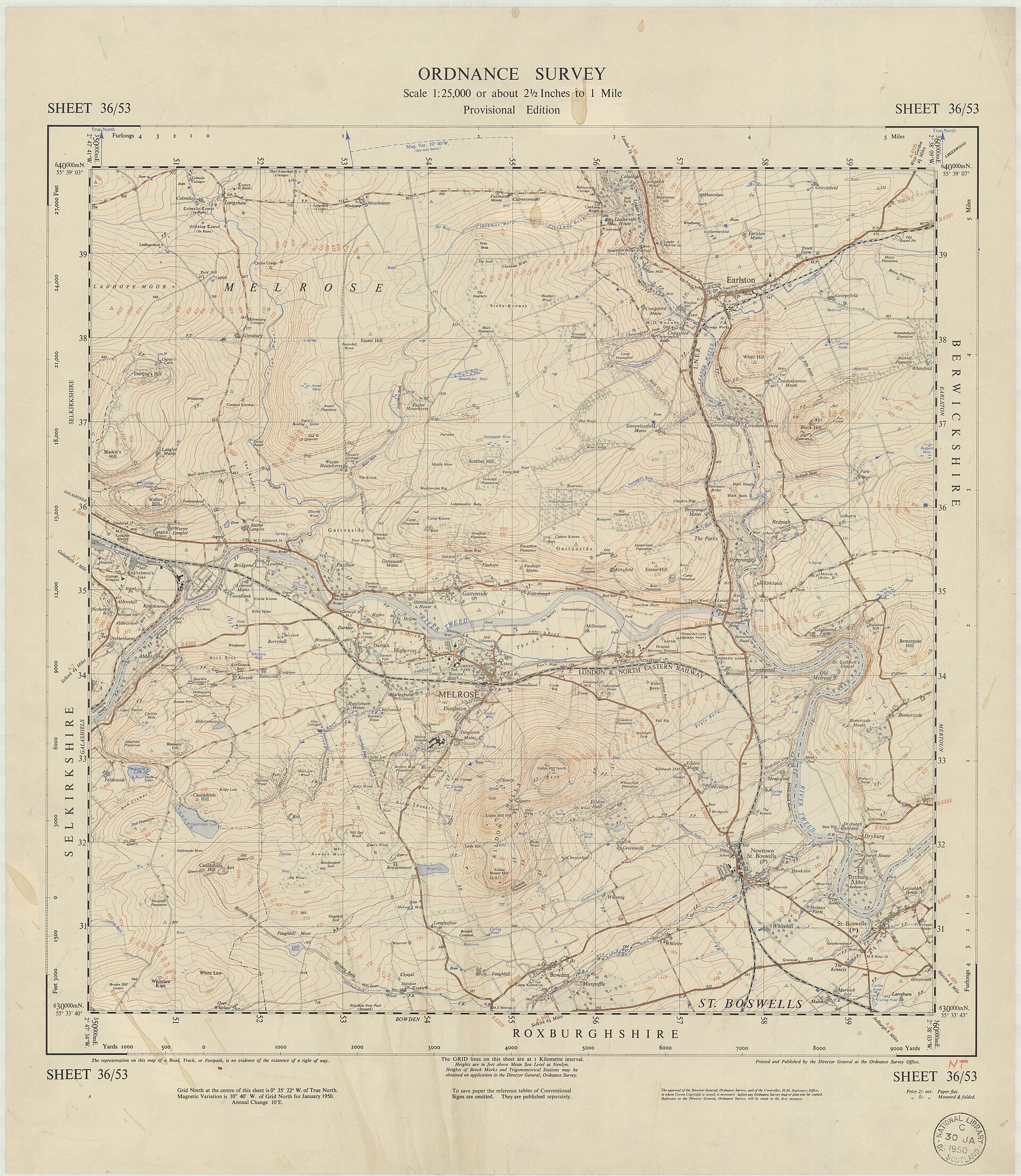
The fort complex stood beside Dere Street and the River Tweed below the Eildon Hills.
It was occupied intermittently until about AD 184.
The fort changed role as Rome shifted between Hadrian's Wall, the Antonine Wall, and northern outpost positions.
Railway cutting works in 1846 revealed important Roman finds from pits at Newstead.
James Curle excavated the site between 1905 and 1910.
Bradford University's Newstead Project investigated the site between 1989 and 1997.
The site produced one of the largest caches of Roman military objects in Britain.
People
-
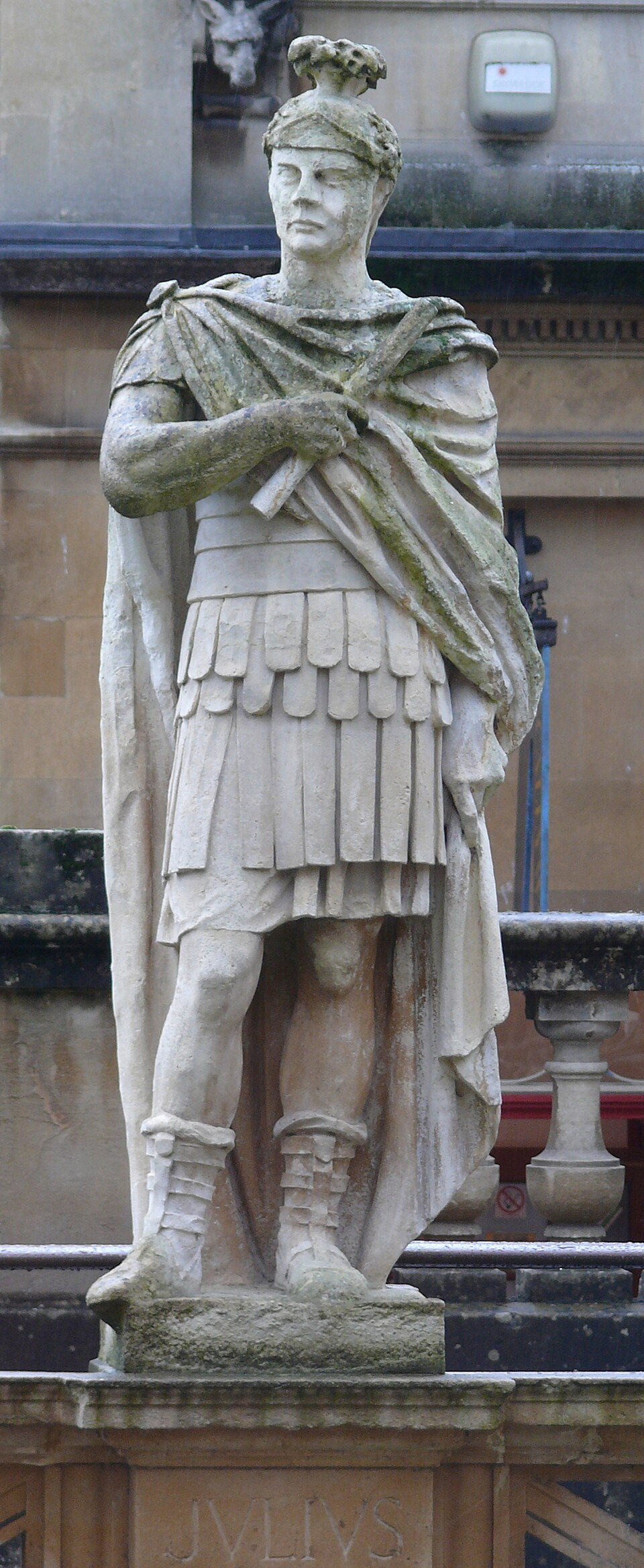
Portrait: Ad Meskens / Wikimedia Commons / CC BY-SA 3.0 Gnaeus Julius Agricola
Roman governor whose campaigns provide the setting for the first fort phase.
-
James Curle
Led major excavations and published A Roman Frontier Post and its People.
-
Sir Ian Richmond
Carried out later excavations and reinterpretation in 1947.
-
Dr Simon Clarke
Developed a phase sequence from earlier excavations, aerial evidence, and modern work.
-
Trimontium Trust
Runs the museum and interpretation connected with the site.
Connections
-
Eildon Hill
Dominant hill group above the fort and site of prehistoric and Roman remains.
-
Dere Street
Main Roman route beside the fort.
-
Trimontium Museum
Museum in Melrose interpreting the site and displaying finds.
-
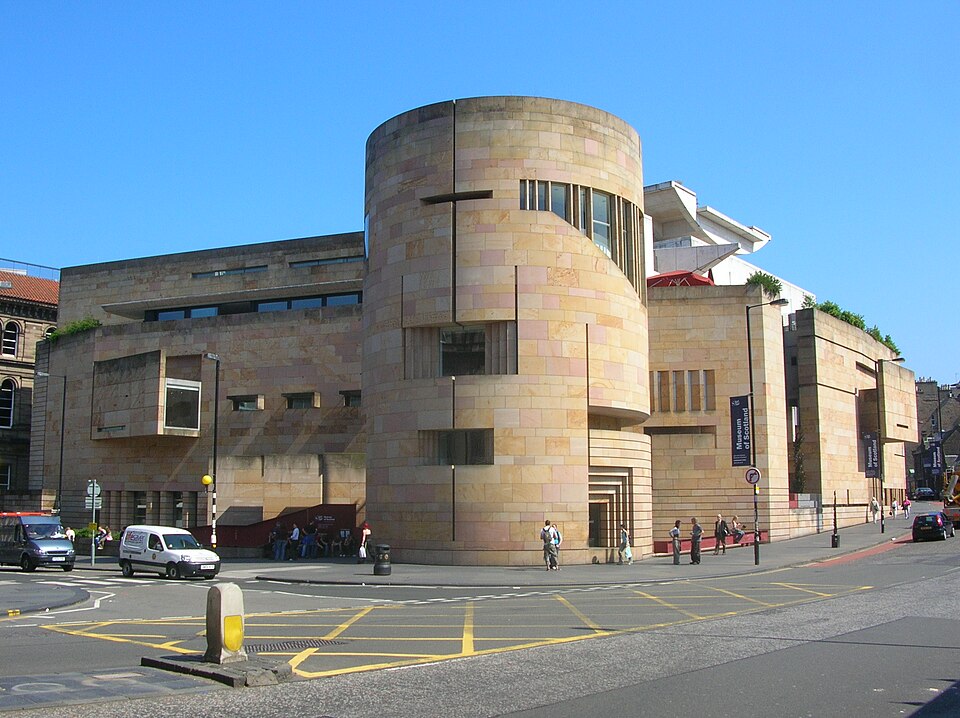
Photo: No machine-readable author provided. Maccoinnich~commonswiki assumed ( / Wikimedia Commons / CC BY-SA 3.0 National Museum of Scotland
Holds major Trimontium objects including cavalry equipment.
What to look for
-
Three-hill setting
The Eildon Hills almost certainly explain the Latin name meaning three hills.
-
Dere Street
Dere Street was the Roman road, a paved military route for movement and supply, that linked the fort to the wider frontier network.
-
Annexes
Annexes are defended extra areas outside a fort, often linked with civilians, workshops, or support activity.
-
Military pits
Deep pits produced armour, horse gear, organic remains, and other Roman objects.
-
Cavalry equipment
Decorated helmets, face masks, and horse fittings point to an important cavalry presence.
Plan your visit
- Location
- 55.6010°N · 2.6870°W
- Access
- Reached on a public path
- Terrain
- Easy going
Opening & admission
- The fort landscape is interpreted through the Trimontium Trust museum and guided walks; check official details before visiting.
Nearby places
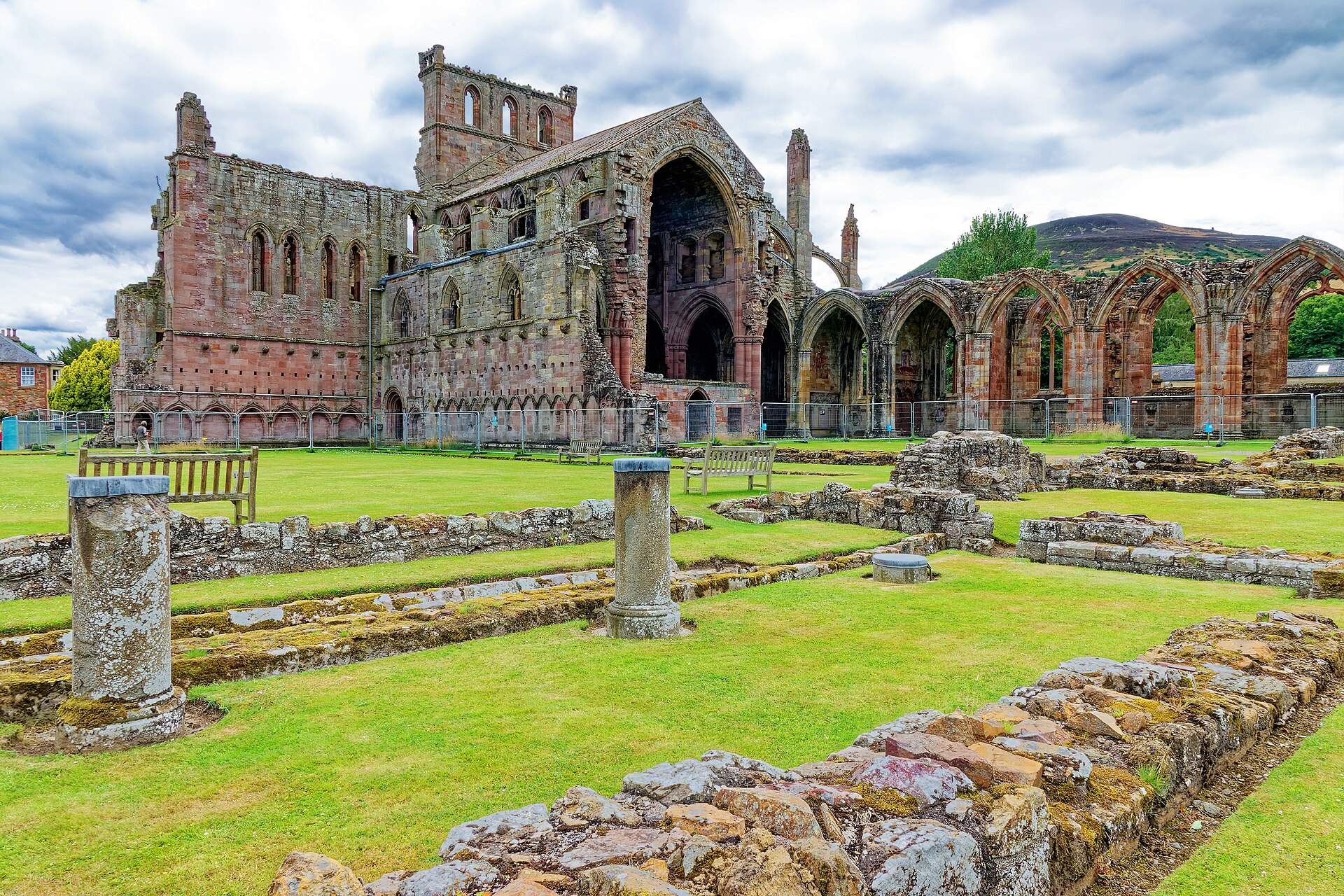
Building or ruin · Medieval
Melrose Abbey
Scottish Borders
St Mary's Abbey, Melrose was founded in 1136 by Cistercian monks at the request of King David I of Scotland — the first Cistercian abbey in Scotlan…
- Near Melrose
- 2 min walk from car park
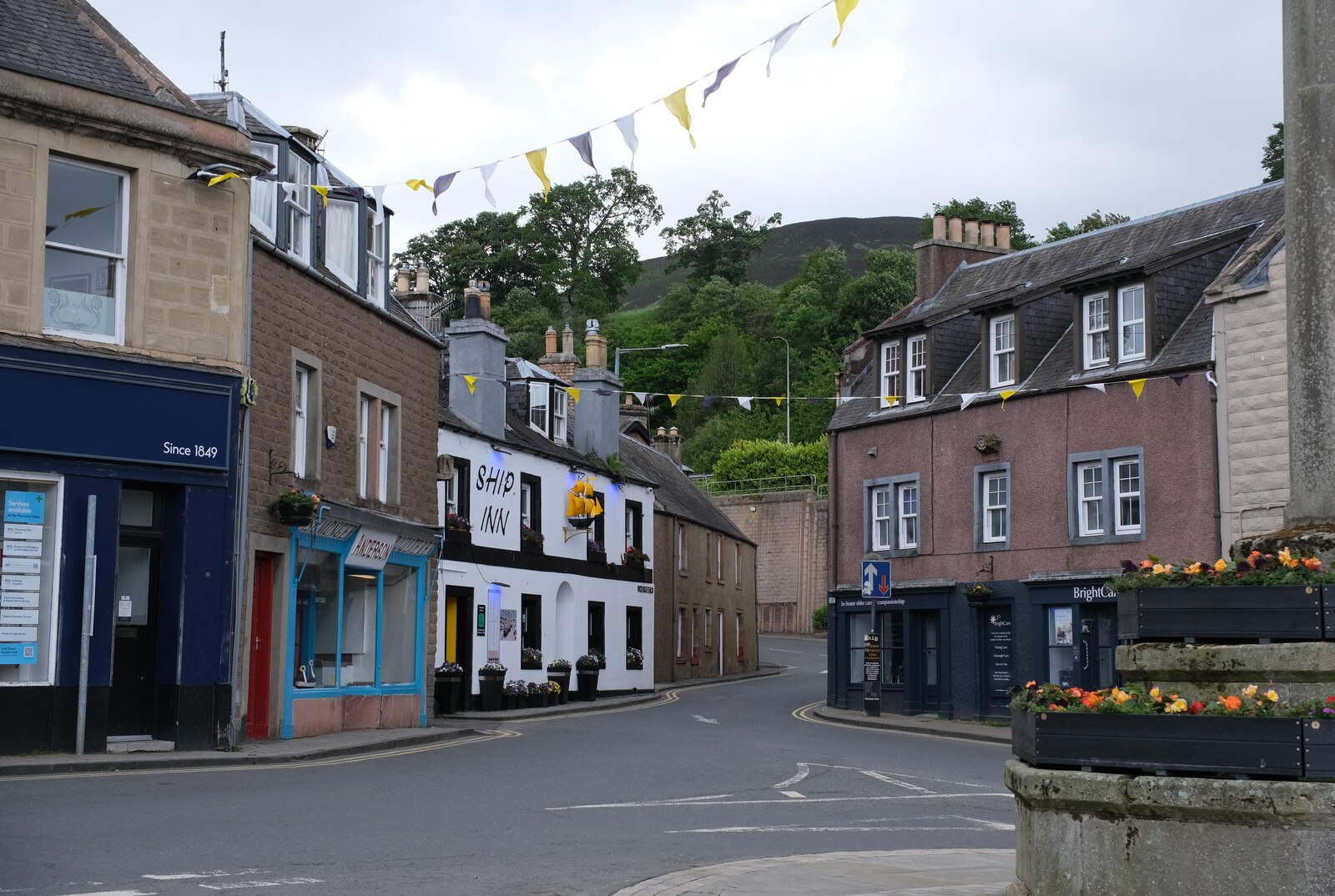
Minor monument · Medieval
Market Cross, Market Square, Melrose
Scottish Borders
Mercat cross with HES-listed pre-1800 evidence (1645).
- Easy path
Fortified place · Iron Age
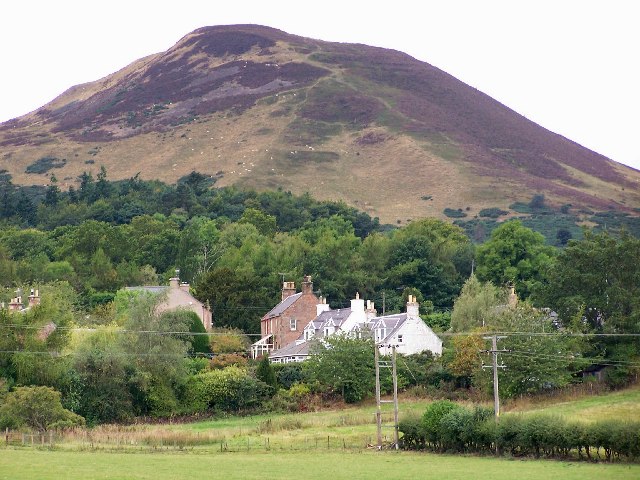
Eildon Hill North Hillfort
Scottish Borders
Excavation has shown the hillfort was occupied by 1000 BC, in the Bronze Age, with ramparts built and rebuilt in three phases. The 296 hut platform…
- Near Melrose
- 1.7 km from car park
- Some walking
Questions people ask
- What was Trimontium?
- Trimontium was a Roman fort complex at Newstead near Melrose in the Scottish Borders.
- Why is it called Trimontium?
- The name means three hills and almost certainly refers to the nearby Eildon Hills.
- When was Trimontium occupied?
- It was occupied intermittently from about AD 79 to about AD 184.
- What was found at Trimontium?
- Finds include Roman armour, cavalry helmets, face masks, horse equipment, organic remains, and many military objects from pits.
Sources
Explore more: Fortified places · Roman · Scottish Borders
The Ancient Codex, in your pocket
Get the Pocket Codex app
Carry the directory with you — Trimontium (Newstead) and thousands of ancient places across Britain and Ireland, offline, wherever you roam.