
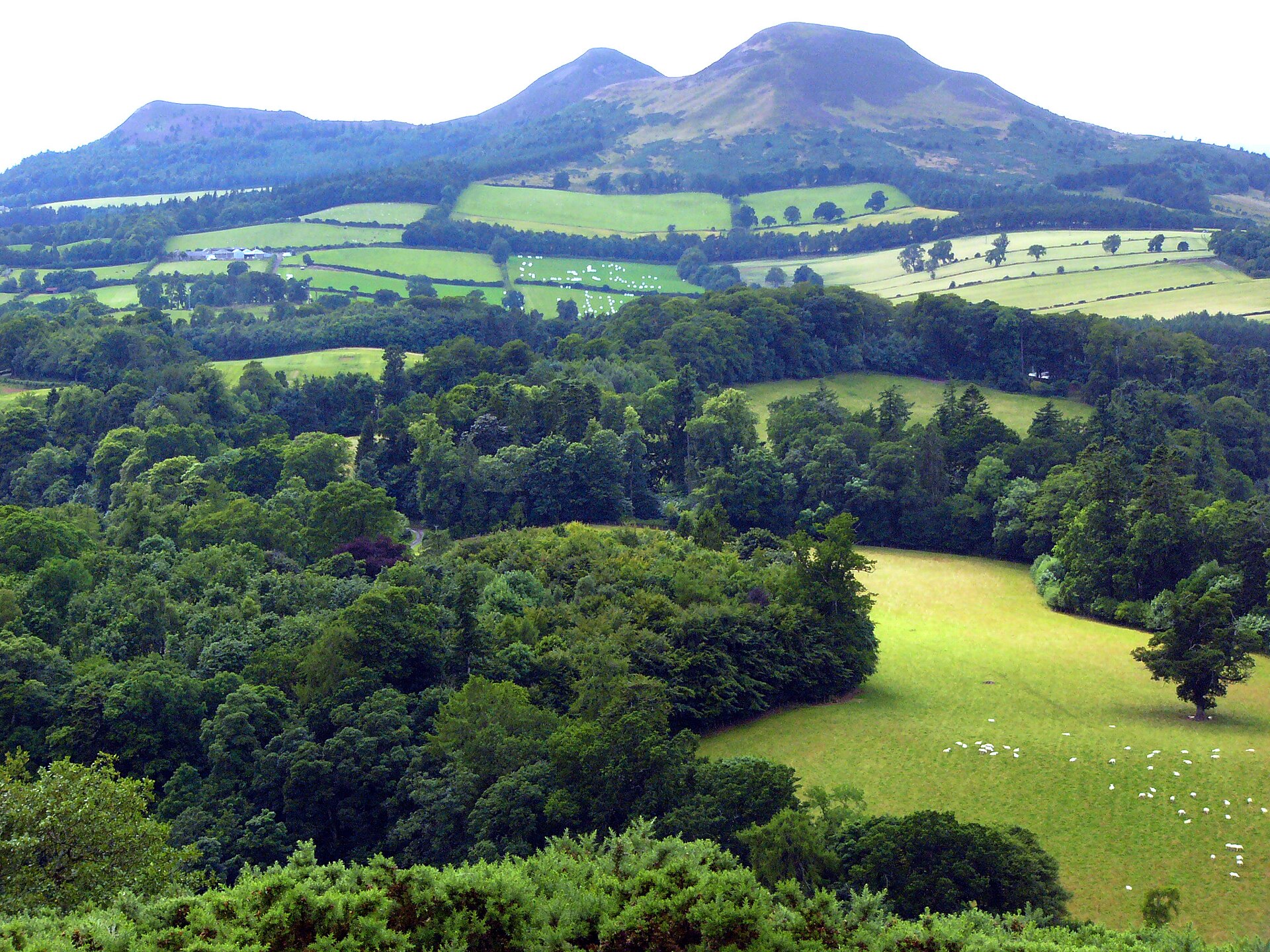
Three summits rise above Melrose, with old banks and house platforms cut into the northern hill. Eildon Hill includes a huge hillfort, a defended prehistoric settlement on a hill, later reused by the Roman army as a signalling point.
Eildon Hill matters because its slopes hold one of Scotland’s largest known prehistoric hillforts. The settlement platforms, rebuilt ramparts, defensive banks built around the hilltop, Roman signal station, Trimontium below, holy springs, and Thomas the Rhymer legends make the Eildons both an archaeological and imaginative landmark.
What follows is drawn from published sources, with each claim labelled by how firmly it is established.
History
The north hilltop was enclosed by extensive prehistoric ramparts.
Excavations suggest occupation by about 1000 BC in the Bronze Age.
Almost 300 hut floors or house platforms have been identified within the fort.
The Roman army built a signal tower on Eildon North Hill near the fort.
Roman finds suggest some platforms were reused between the second and fourth centuries.
The hills became central to legends of Thomas the Rhymer and the Fairy Queen.
People
-
Selgovae
Local Iron Age people sometimes linked with the hillfort landscape.
-
Roman army
Built a signal station on the hill above Trimontium.
-
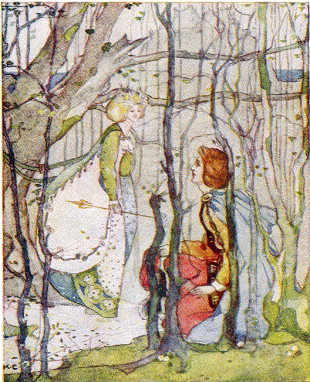
Portrait: Katharine Cameron (1874–1965) / Wikimedia Commons / Public domain Thomas the Rhymer
Legendary Borders figure associated with stories of the hollow hill.
-
Sir Walter Scott
Retold Eildon legends in prose and poetry.
Connections
-
Trimontium (Newstead)
Roman fort at the foot of the Eildons.
-
Melrose
Town overlooked by the hills.
-
Eildon Tree Stone
Folkloric boulder linked to Thomas the Rhymer.
What to look for
-
Triple peak
The three summits explain the familiar plural name, the Eildons.
-
Ramparts
Ramparts are defensive banks, here running around the northern hilltop.
-
House platforms
Levelled platforms mark places where turf or timber houses once stood.
-
Roman signal station
A Roman signalling point was later built on the prehistoric hillfort summit.
-
Folklore landscape
The hills are tied to Thomas the Rhymer, King Arthur, and Michael Scot traditions.
Plan your visit
- Location
- 55.5813°N · 2.7186°W
- Access
- Open access
- Terrain
- Rough ground — reasonable boots advised
Opening & admission
- Public responsible access applies; multiple paths cross the hills, with steep and exposed sections.
Nearby places
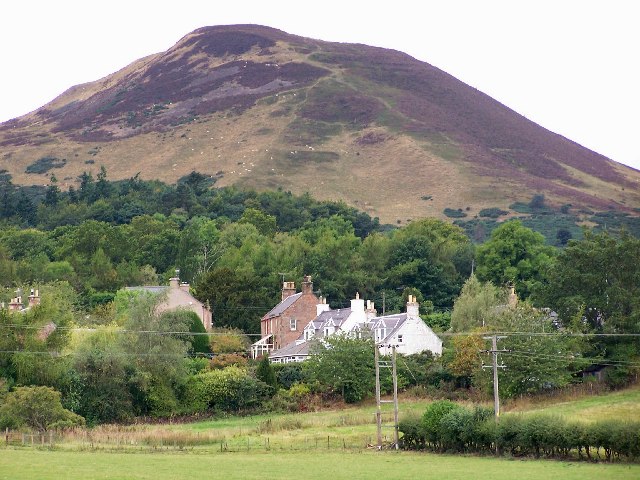
Fortified place · Iron Age
Eildon Hill North Hillfort
Scottish Borders
Excavation has shown the hillfort was occupied by 1000 BC, in the Bronze Age, with ramparts built and rebuilt in three phases. The 296 hut platform…
- Near Melrose
- 1.7 km from car park
- Some walking
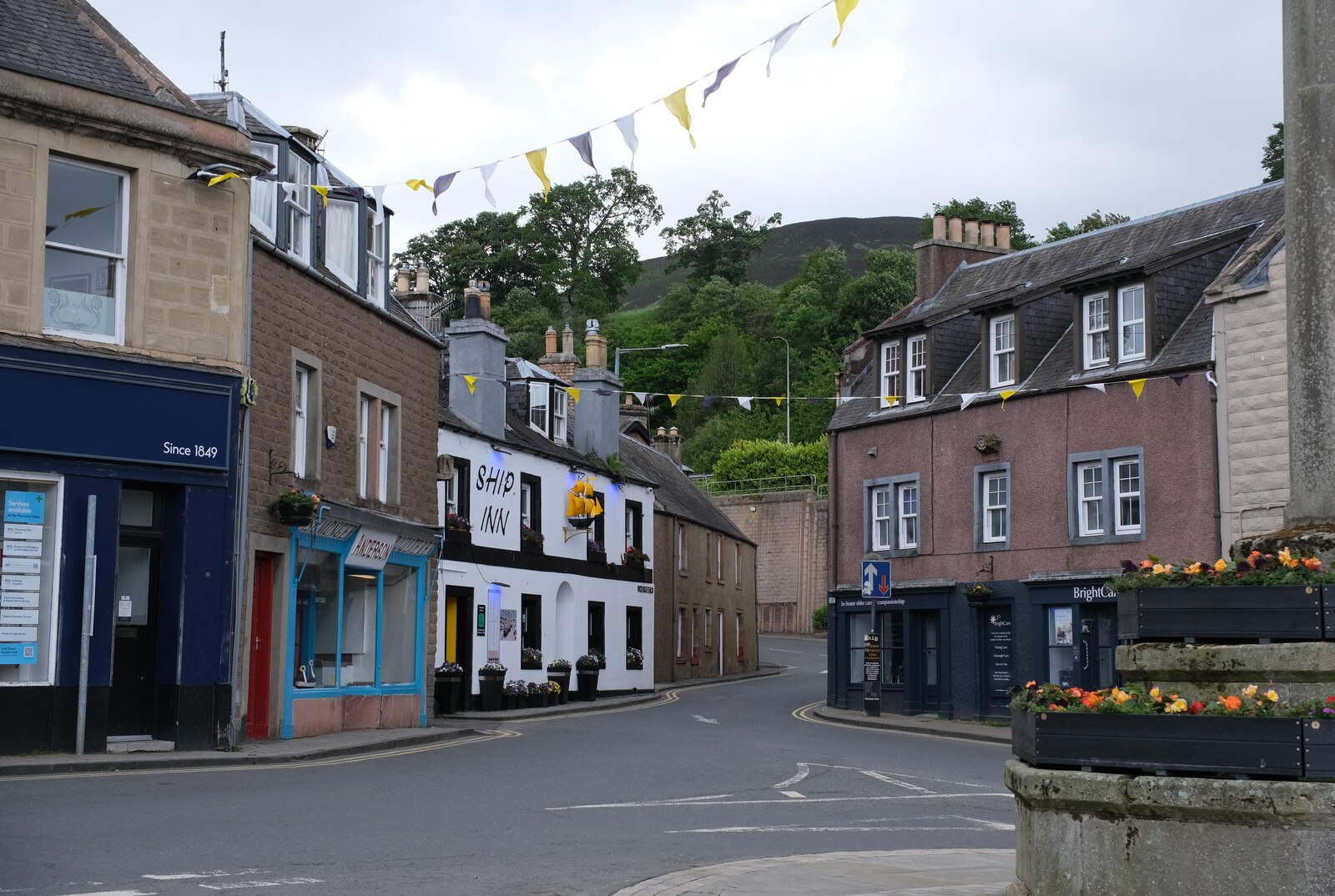
Minor monument · Medieval
Market Cross, Market Square, Melrose
Scottish Borders
Mercat cross with HES-listed pre-1800 evidence (1645).
- Easy path
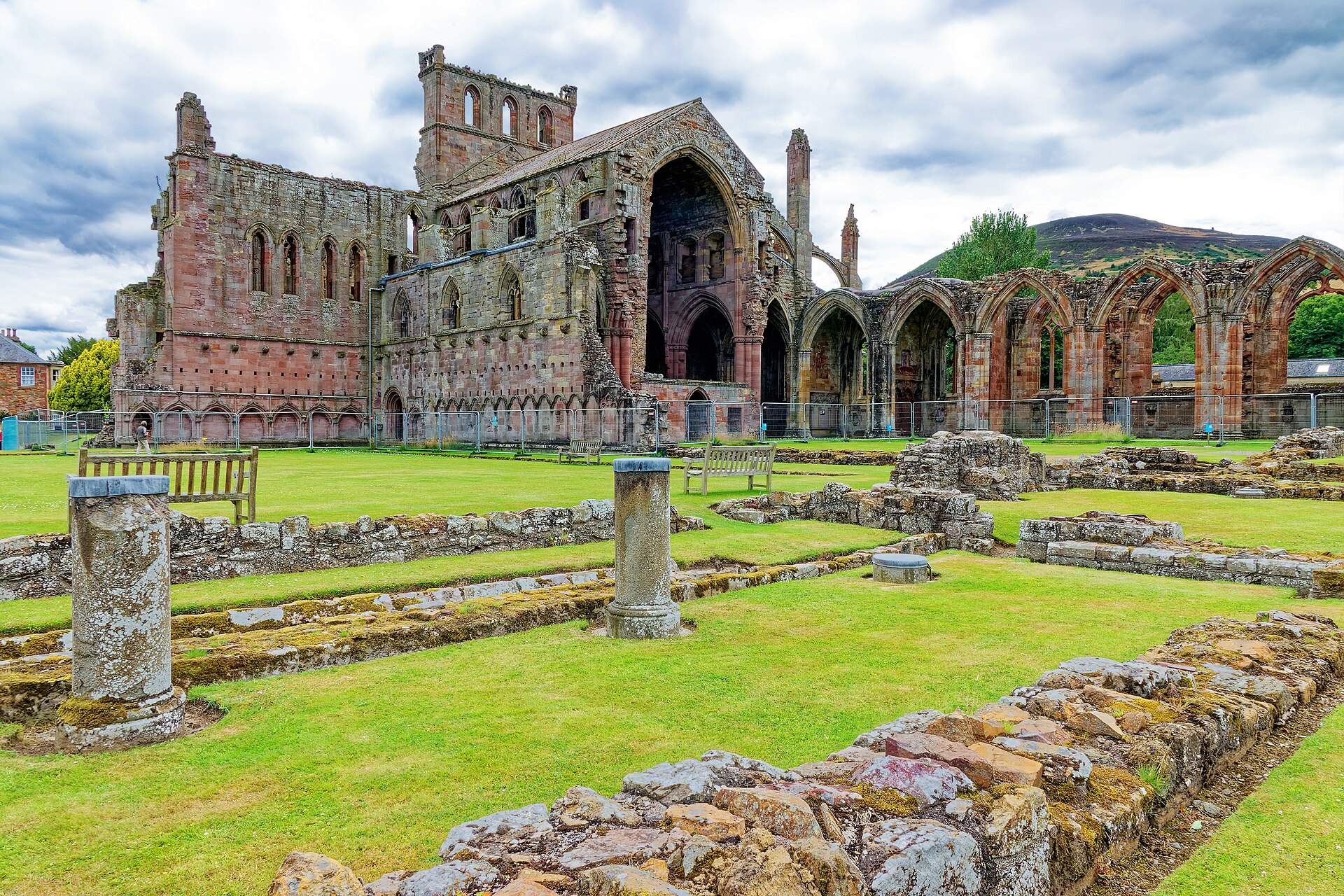
Building or ruin · Medieval
Melrose Abbey
Scottish Borders
St Mary's Abbey, Melrose was founded in 1136 by Cistercian monks at the request of King David I of Scotland — the first Cistercian abbey in Scotlan…
- Near Melrose
- 2 min walk from car park
Questions people ask
- What is Eildon Hill?
- It is a three-peaked hill group near Melrose with a major prehistoric hillfort and Roman remains.
- Why is the hillfort important?
- It is one of the largest known in Scotland, with hundreds of identified house platforms.
- What did the Romans build there?
- They built a signal tower on Eildon North Hill, overlooking the fort at Trimontium.
- What legends are linked to Eildon Hill?
- The hills are associated with Thomas the Rhymer, the Fairy Queen, King Arthur, and Michael Scot.
Sources
Explore more: Fortified places · Iron Age · Scottish Borders
The Ancient Codex, in your pocket
Get the Pocket Codex app
Carry the directory with you — Eildon Hill and thousands of ancient places across Britain and Ireland, offline, wherever you roam.