
One of the most fiercely contested strongholds of the Anglo-Scottish frontier, and the place where King James II of Scotland was killed by his own exploding cannon in 1460.
Roxburgh Castle survives today only as a long grassy mound above the meeting of the Tweed and Teviot, a short distance from Kelso and now within the grounds of Floors Castle. Tradition credits its founding to King David I, and the stronghold is first recorded around 1128. Its position on the disputed frontier made it one of the most fought-over castles in the Borders, passing repeatedly between Scottish and English hands. It was surrendered to England in 1174 after William I was taken prisoner at Alnwick, and remained often under English control thereafter. In 1314 Sir James Douglas seized it in a celebrated night attack, his men climbing the walls under cover of darkness; Robert the Bruce then had the fortress pulled down to deny it to the enemy. The castle’s most famous moment came in 1460, when King James II of Scotland was killed here by fragments from one of his own bursting siege guns. The Scots took the castle soon after, and Mary of Guelders ordered its destruction. English forces briefly refortified the site during the 1540s Rough Wooing before it was dismantled again. Little masonry now remains, chiefly on the southern side.
What follows is drawn from published sources, with each claim labelled by how firmly it is established.
What to look for
-
The long earthen mound marking the castle's footprint above the Tweed–Teviot confluence
-
Surviving fragments of stone wall, chiefly along the southern side
-
The outlook across the river towards Kelso and Floors Castle
-
The strategic river-junction setting that made the site so heavily fought over
Plan your visit
- Location
- General area near Scottish Borders, Scottish Borders
This is a sensitive or fragile site, so we show only its general area. Please check official heritage sources for access before visiting, and take care not to disturb it.
Nearby places
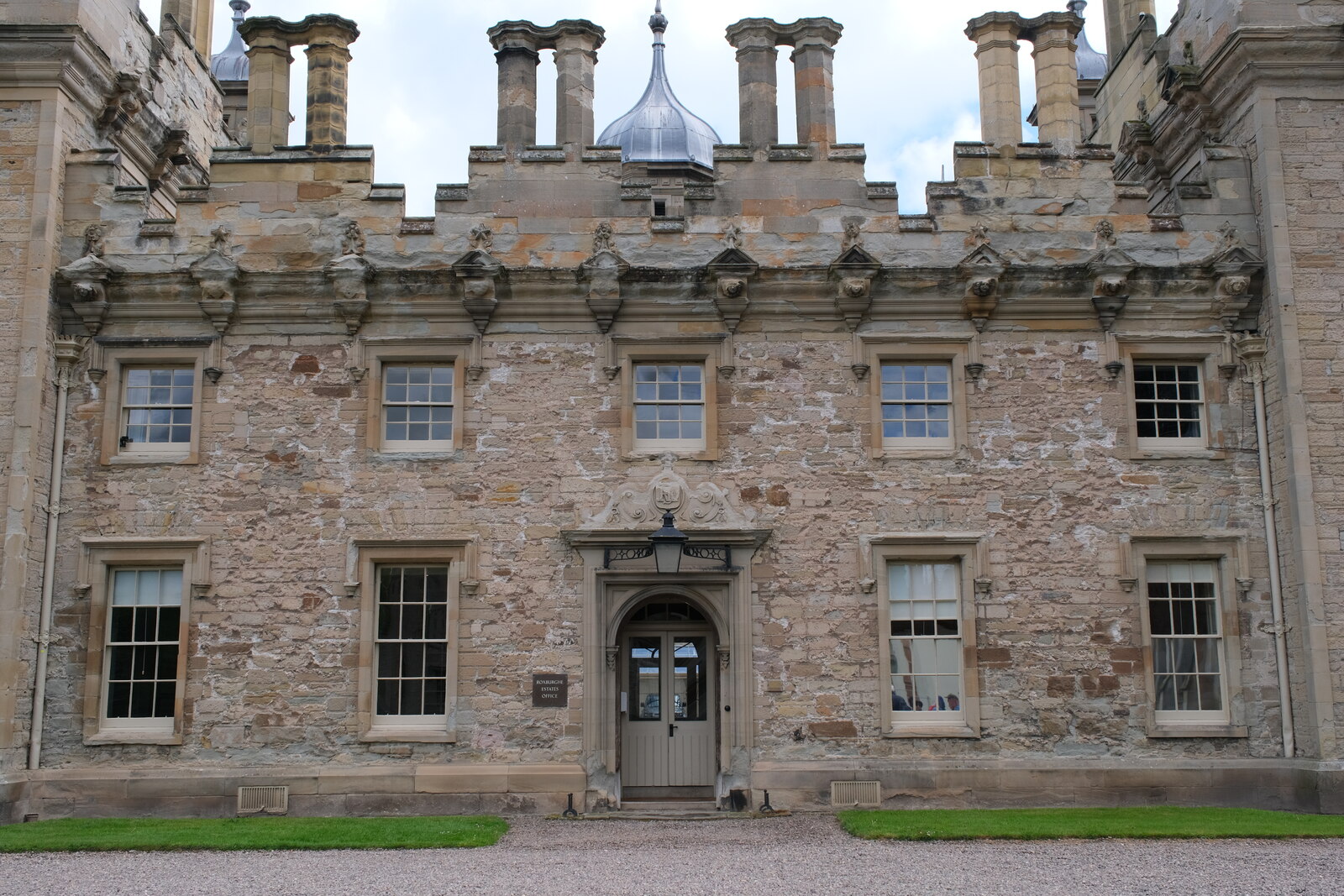
Fortified place · Medieval
Floors Castle
Scottish Borders
Floors Castle is a Category A listed house whose Georgian core by William Adam and romantic Victorian remodelling by William Henry Playfair togethe…
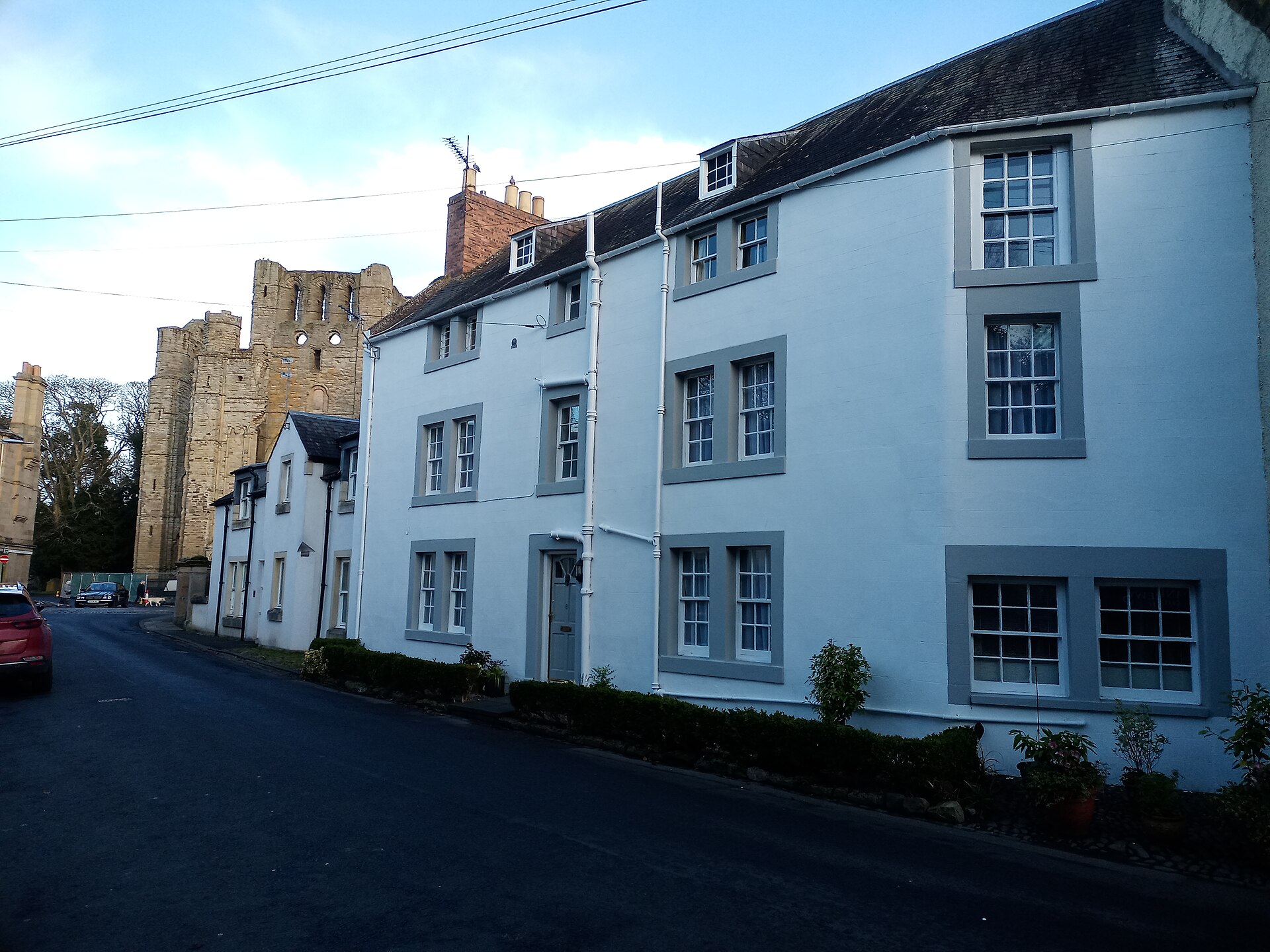
Building or ruin · Medieval
Kelso Abbey
Scottish Borders
Kelso Abbey was founded at Roxburgh in 1128 by Tironensian monks from Tiron, near Chartres in France. The community had first entered Scotland c. 1…
- Near Kelso
- 2 min walk from car park
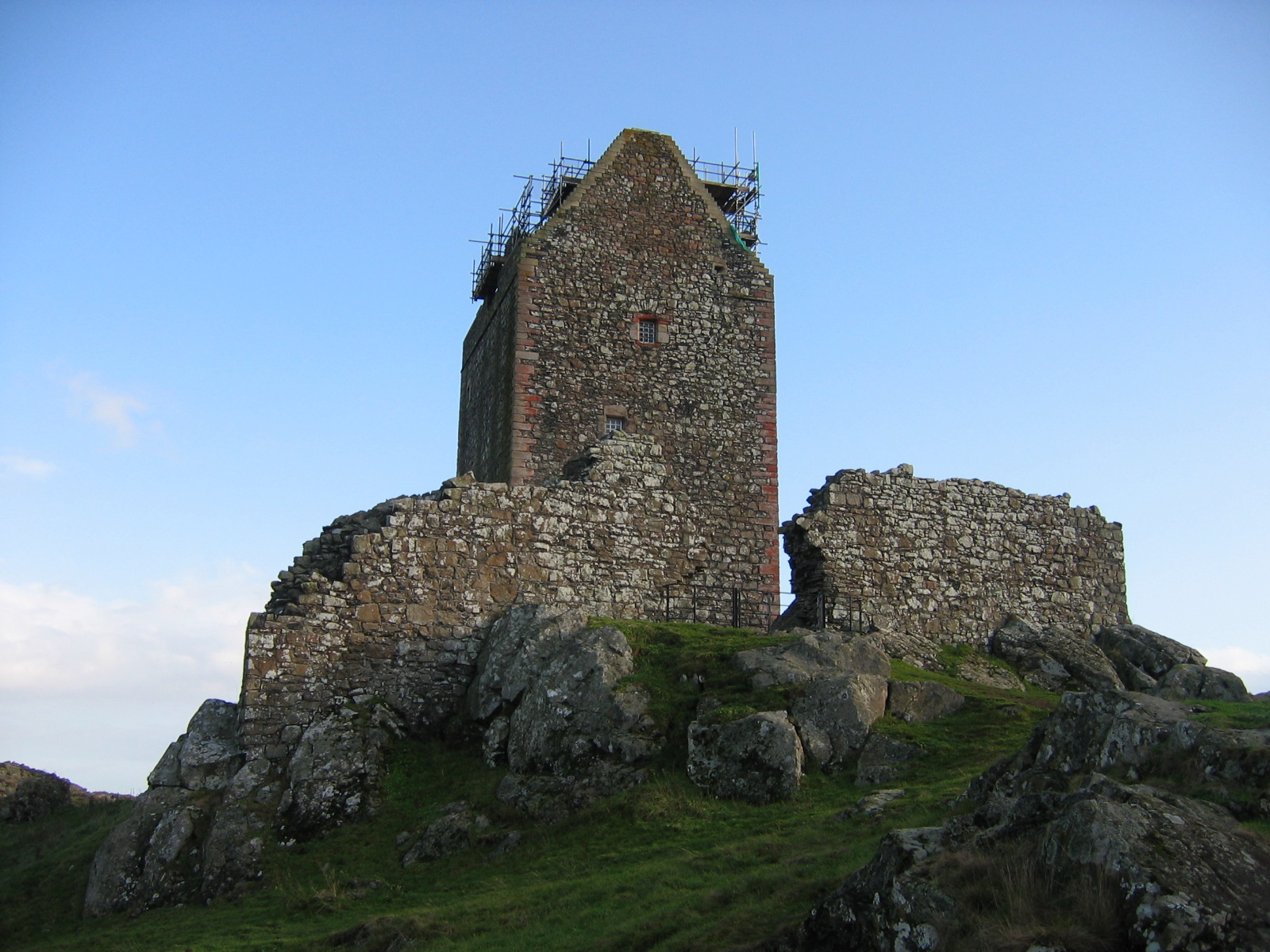
Fortified place · Medieval
Smailholm Tower
Scottish Borders
Smailholm Tower is a peel tower atop the crag of Lady Hill, around five miles west of Kelso in the Scottish Borders. It was built in the 15th or ea…
- Near Smailholm
- 1 min walk from car park
The Ancient Codex, in your pocket
Get the Pocket Codex app
Carry the directory with you — Roxburgh Castle and thousands of ancient places across Britain and Ireland, offline, wherever you roam.