
The Waterloo Monument now dominates the hilltop, but older traces belong to an Iron Age fort beneath the modern landmark. Peniel Heugh is a volcanic hill whose summit was also used as a hillfort, a defended prehistoric settlement on a hill.
Peniel Heugh matters because it layers prehistoric defence, geological prominence, later commemoration, and long-distance paths in one place. The Roman Heritage Way and St Cuthbert’s Way passing nearby show how the hill remains tied to movement through the Borders.
What follows is drawn from published sources, with each claim labelled by how firmly it is established.
History
Peniel Heugh was the site of an Iron Age hillfort.
The Waterloo Monument was later built on the hill.
The hill is formed from olivine microgabbro and is a volcanic plug.
The Roman Heritage Way and St Cuthbert's Way pass by the hill and monument.
Fieldwalking at Peniel Heugh was reported by G. Parkhouse in 2006.
People
-
G. Parkhouse
Reported fieldwalking at Peniel Heugh in 2006.
Connections
-
Roman Heritage Way
Long-distance route passing near Peniel Heugh.
-
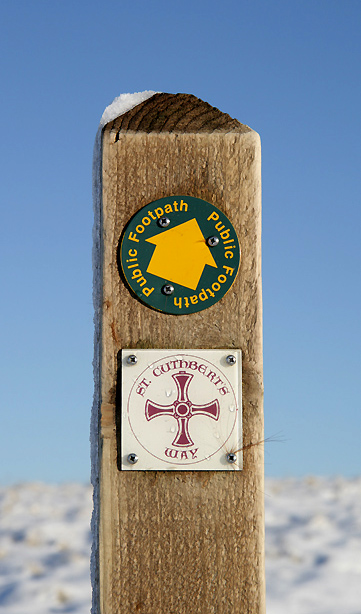
Photo: Walter Baxter / Wikimedia Commons / CC BY-SA 2.0 St Cuthbert's Way
Walking route passing by the heugh and monument.
-
Jedburgh
Nearby Borders town.
-
Monteviot House
Nearby place in the surrounding landscape.
What to look for
-
Waterloo Monument
The monument is the dominant visible feature on the hilltop.
-
Hillfort traces
The prehistoric fort gives the hill an older defended layer.
-
Volcanic plug
A volcanic plug is hardened magma that once filled a volcanic vent.
-
Long-distance ways
The nearby Roman Heritage Way and St Cuthbert's Way keep the hill in a walking landscape.
Plan your visit
- Location
- 55.5292°N · 2.5508°W
- Access
- Reached on a public path
- Terrain
- Moderate walking
Opening & admission
- Walking routes pass near the hill and monument; hillfort remains may require rougher ground.
Nearby places
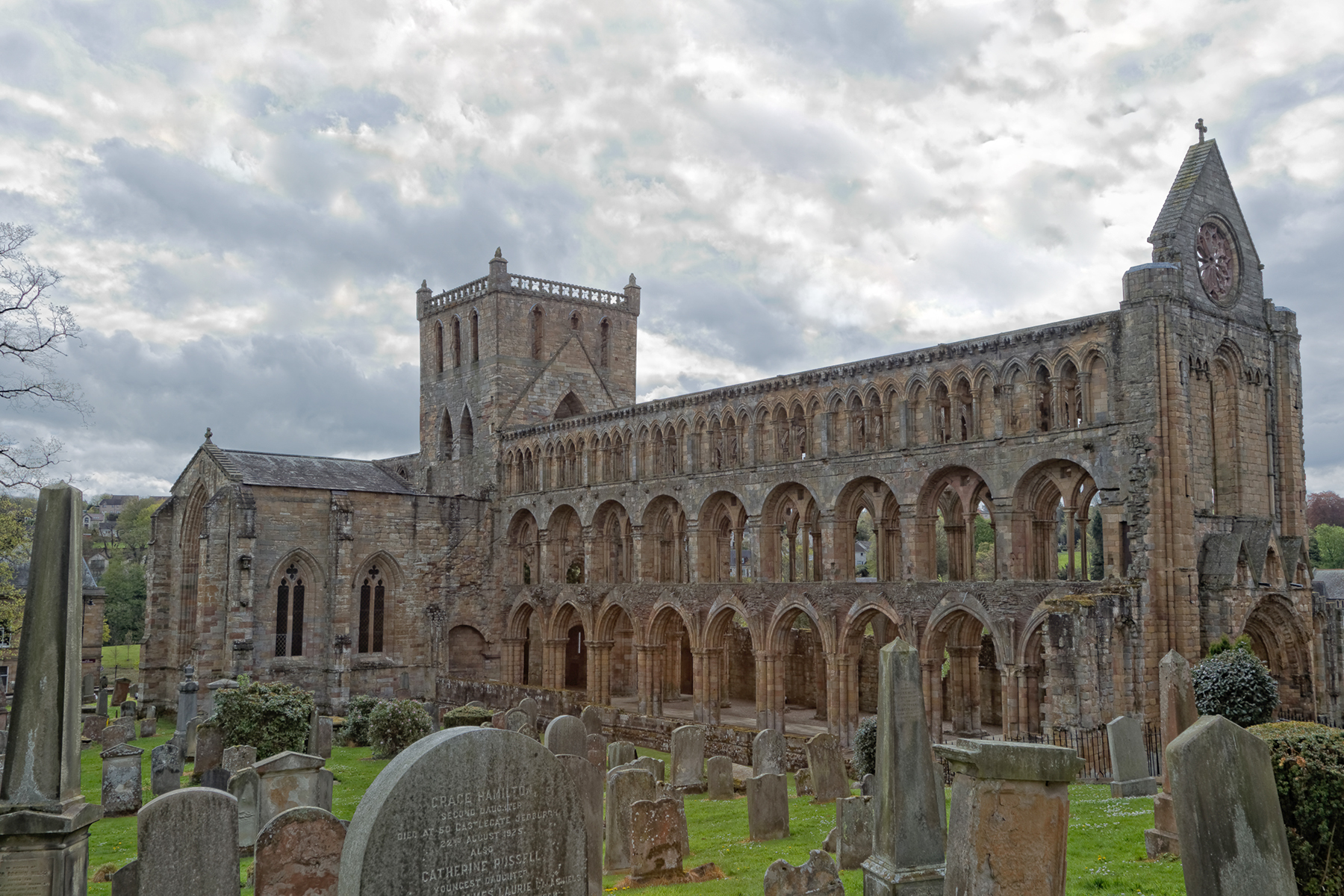
Carved stone · Medieval
Jedburgh Abbey
Scottish Borders
In 1118, before his accession to the Scottish throne, Prince David established a foundation of Augustinian canons at Jedburgh. It rose from priory…
- Near Jedburgh
- 1 min walk from car park
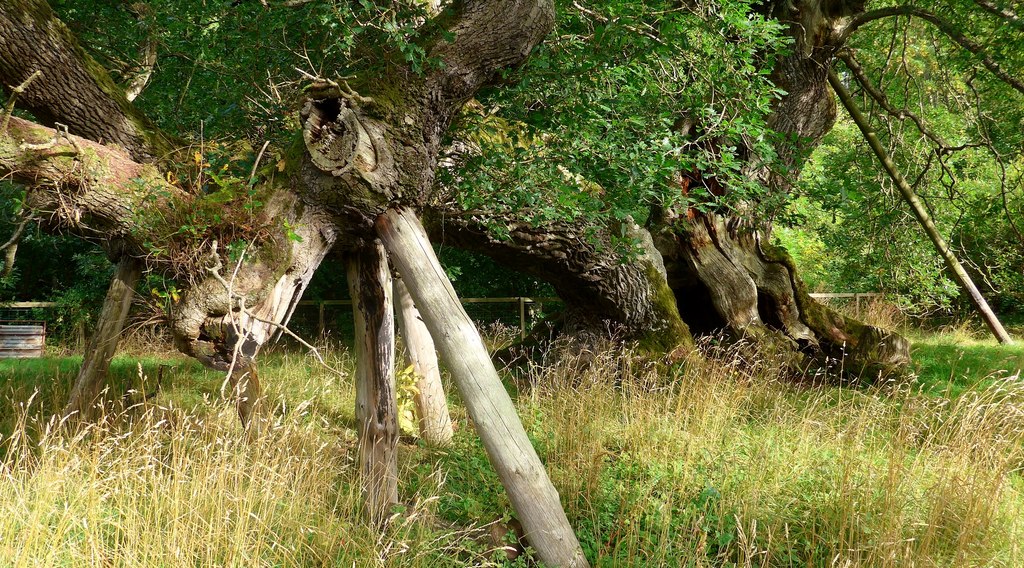
Ancient tree · Medieval
Capon Tree
Scottish Borders
A named, long-standing tree carried in local memory as a landmark — included for its place in the landscape, with age and superlative claims held f…
- Near Jedburgh
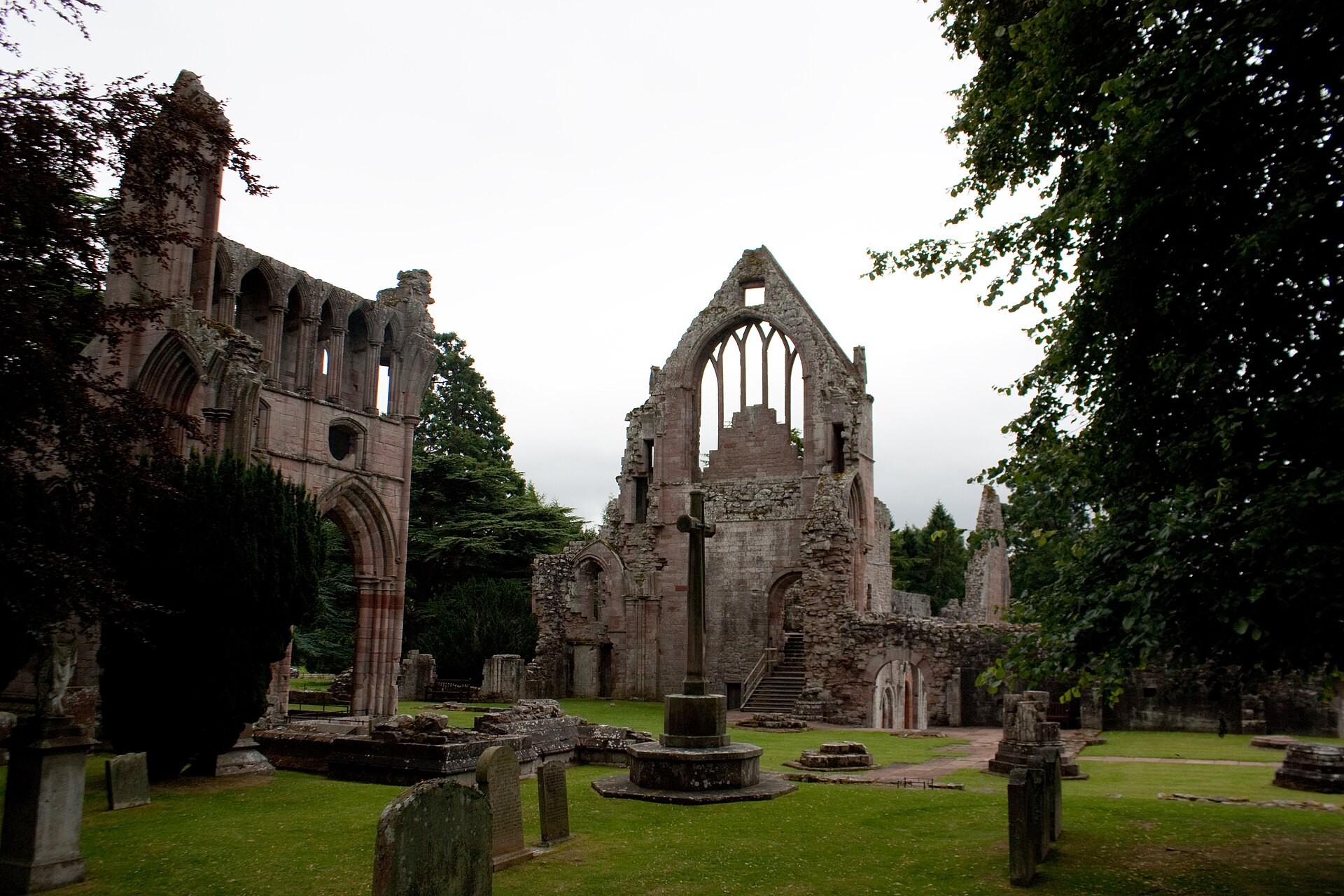
Building or ruin · Medieval
Dryburgh Abbey
Scottish Borders
Dryburgh Abbey was nominally founded on 10 November (Martinmas) 1150 under an agreement between Hugh de Morville, Constable of Scotland, and the Pr…
- Near St Boswells
- 363 metres from car park
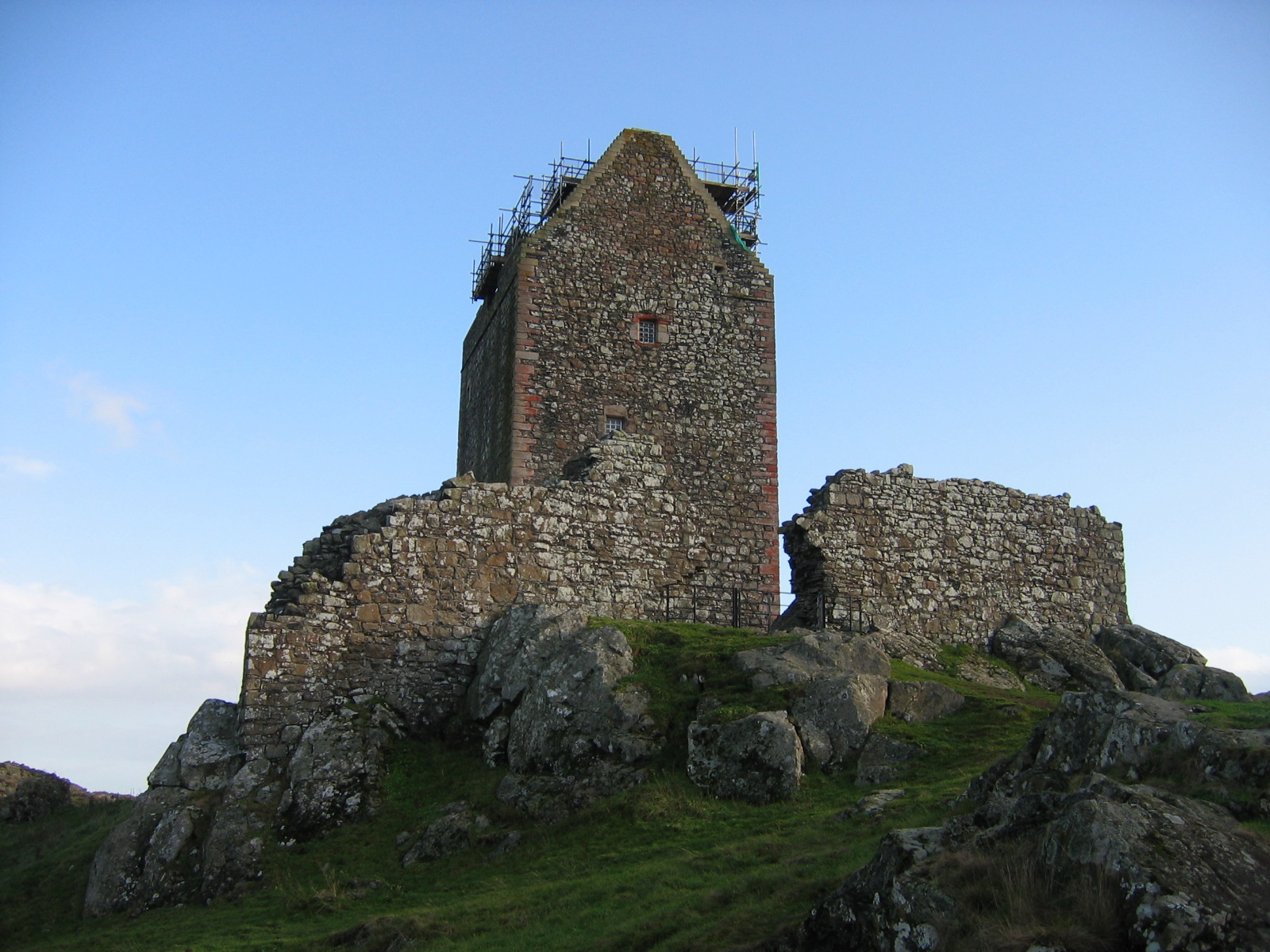
Fortified place · Medieval
Smailholm Tower
Scottish Borders
Smailholm Tower is a peel tower atop the crag of Lady Hill, around five miles west of Kelso in the Scottish Borders. It was built in the 15th or ea…
- Near Smailholm
- 1 min walk from car park
Questions people ask
- What is Peniel Heugh?
- It is a hill near Ancrum and Nisbet, now known for the Waterloo Monument and an Iron Age hillfort site.
- Was Peniel Heugh a hillfort?
- Yes. The hill was also the site of an Iron Age hillfort.
- What is the geology of Peniel Heugh?
- It is a volcanic plug made of olivine microgabbro.
- What paths pass nearby?
- The Roman Heritage Way and St Cuthbert's Way pass by the hill and monument.
Sources
Explore more: Fortified places · Iron Age · Scottish Borders
The Ancient Codex, in your pocket
Get the Pocket Codex app
Carry the directory with you — Peniel Heugh and thousands of ancient places across Britain and Ireland, offline, wherever you roam.