
In 1118, before his accession to the Scottish throne, Prince David established a foundation of Augustinian canons at Jedburgh. It rose from priory to monastery and, probably in 1147 and before King…
Jedburgh Abbey is a carved stone near Jedburgh, Scottish Borders, Scotland.
What follows is drawn from published sources, with each claim labelled by how firmly it is established.
The name
Jedburgh was earlier known as Gedworth; there were once two villages of that name in what was then Northumbria, the present town distinguished by the Latin tag UBI CASTELLUM EST ('where the castle is'). Over the centuries Jedburgh has been recorded under 83 different names or spellings.
History
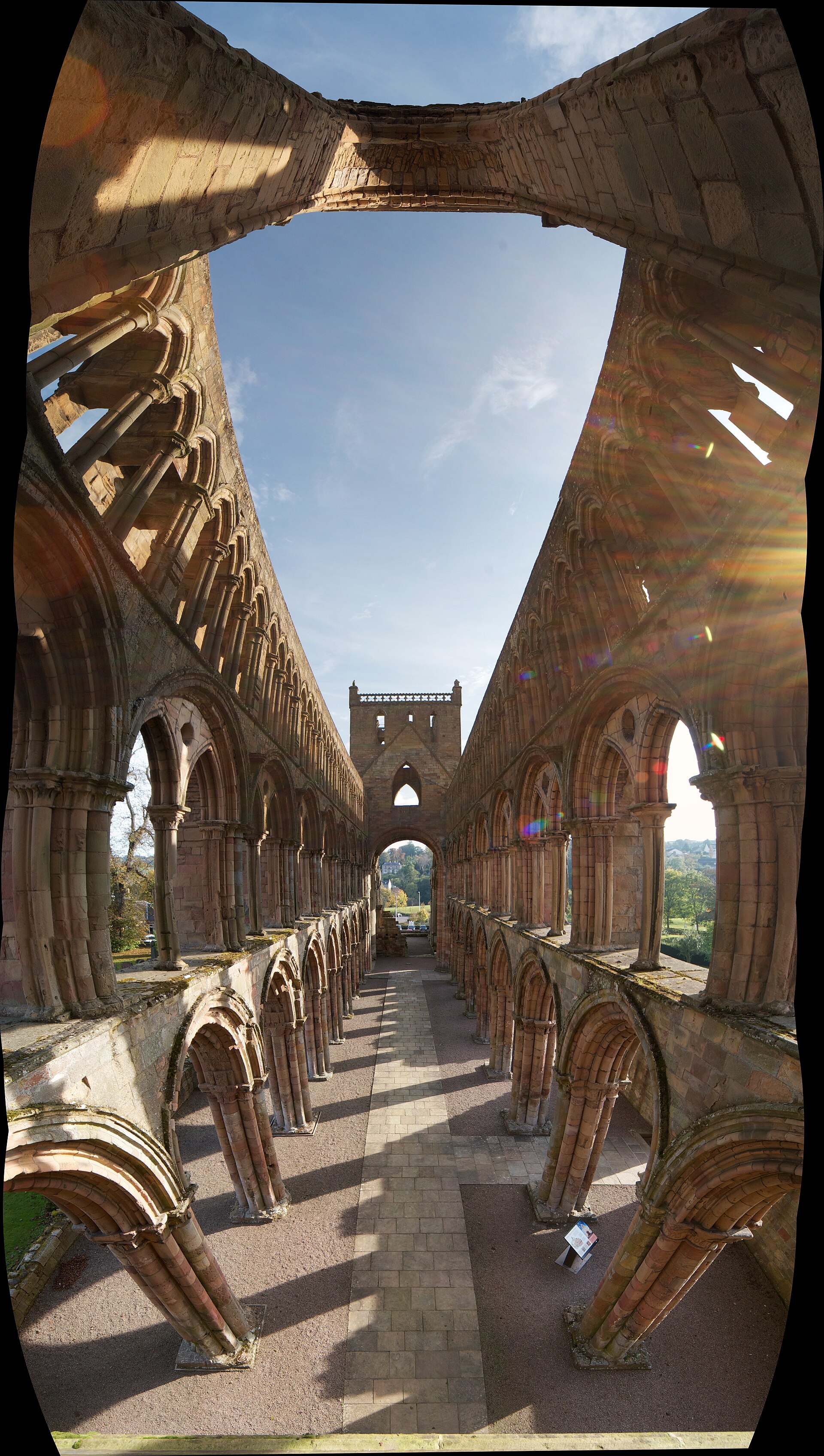
In 1118, before his accession to the Scottish throne, Prince David established a foundation of Augustinian canons at Jedburgh. It rose from priory to monastery and, probably in 1147 and before King David's death in 1153, became a full abbey dedicated to the Virgin Mary.
The nave and choir were built in the 13th century and were complete by the time Alexander III married Yolande de Dreux at the church on 14 October 1285. Two re-used stones bearing Roman inscriptions were incorporated into the structure.
In 1296 the Abbot of Jedburgh swore fealty to Edward I at Berwick-upon-Tweed, and Edward presented William de Jarum as new abbot. After the English defeat at Stirling in 1297, the abbey was pillaged and wrecked by the English in retribution; it was slighted again in 1346 after the Battle of Neville's Cross, and damaged in 1410, 1416 and by the Earl of Warwick in 1464.
The town and abbey were set ablaze by the Earl of Surrey in 1523 and attacked again by the Earl of Hertford in 1544 during the Rough Wooing. The end came for the abbey in 1560 with the Scottish Reformation.
After the Reformation the canons were allowed to remain and the abbey served as the parish kirk. In 1671 worship was moved to the western part of the nave for safety; this lasted until 1871, when a new parish church was built. The Marquis of Lothian began restoration, and the church was handed to the State in 1917.
People
-
Prince David (later David I)
Established the Augustinian foundation at Jedburgh in 1118
-
Daniel, Prior of Geddwrda
Recorded as prior in 1139 in the foundation's early years
-
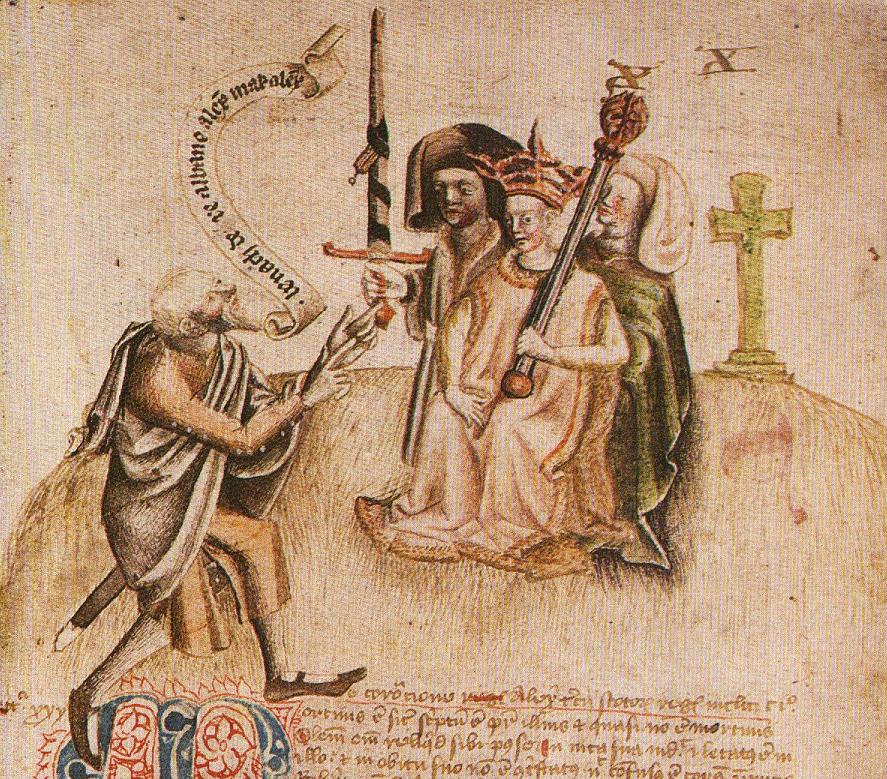
Portrait: Unknown authorUnknown author / Wikimedia Commons / Public domain Alexander III of Scotland
Married Yolande de Dreux at the abbey church on 14 October 1285
-
Ecgred, Bishop of Lindisfarne
9th-century bishop who, per Symeon of Durham, gifted the two Gedworths to the See of Lindisfarne
-
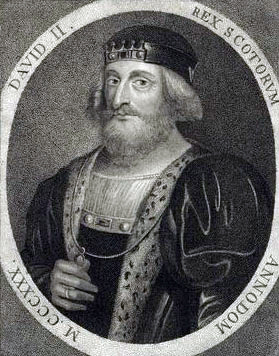
Portrait: Silvester Harding / Edward Harding / Wikimedia Commons / Public domain David II of Scotland
Instrumental in completing the surviving north transept in 1370
-
The Earl of Hertford
Commander whose forces attacked the abbey in 1544 during the Rough Wooing
-
The Marquis of Lothian
Began restoration of the great church after the new parish church was built in 1871
Cultural influences
-
Founded for Augustinian canons regular under the Rule of St Augustine, part of David I's wave of monastic foundations in 12th-century Scotland.
-
Said to contain the finery of the best of Norman and early English architecture; the abbot's standing was such that he was invited to attend Scottish Parliaments.
-
The site sits on much older Christian ground — Symeon of Durham records that the southerly Gedworth was the place of Ecgred's church, the first church in the parish, with the burial there of Eadulf, an assassin of Bishop Walcher of Durham.
Connections
-
Kelso, Dryburgh and Melrose abbeys
Fellow Border abbeys on the Borders Abbeys Way walk; all targeted in the Rough Wooing
-
See of Lindisfarne
Received the two Gedworth villages from Bishop Ecgred in the 9th century
-
Jedburgh Grammar School
Founded by the canons of Jedburgh Abbey in the late 15th century
What to look for
-
The surviving 13th-century nave and choir, complete by the time of Alexander III's 1285 marriage at the church.
-
The north transept, completed in 1370 under David II and still standing today.
-
Two re-used stones bearing Roman inscriptions, incorporated into the abbey's fabric.
Plan your visit
- Location
- 55.4761°N · 2.5536°W
- Nearest settlement
- Jedburgh
- Access
- Paid entry — managed visitor site
- Start point
- 4/5 Abbey Bridgend · Jedburgh · Roxburghshire · TD8 6JQ · National Grid reference: NT 650 204 · Telephone: 01835 863 925 · There is a public car park 100m from the site.
- Best time
- _Admission prices and opening times are subject to change._ Opening times Access to the Abbey Church is through the east processional door.
- Start point
- Jedburgh Abbey public car park — Public car park immediately beside the abbey.
- Sat-nav
- TD8 6JQ
Opening & admission
Free entry
- _Admission prices and opening times are subject to change._ Opening times Access to the Abbey Church is through the east processional door.
Nearby places
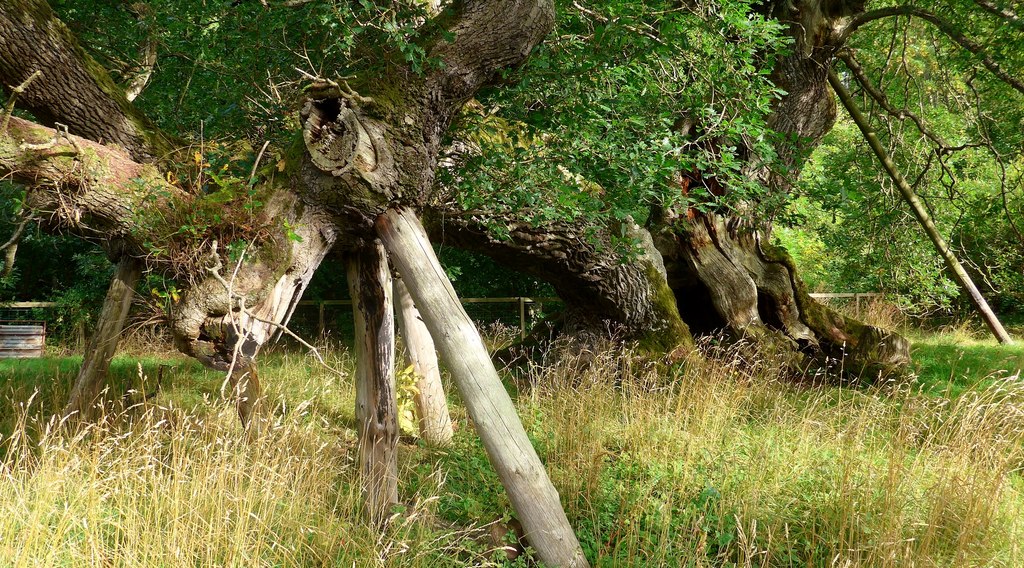
Ancient tree · Medieval
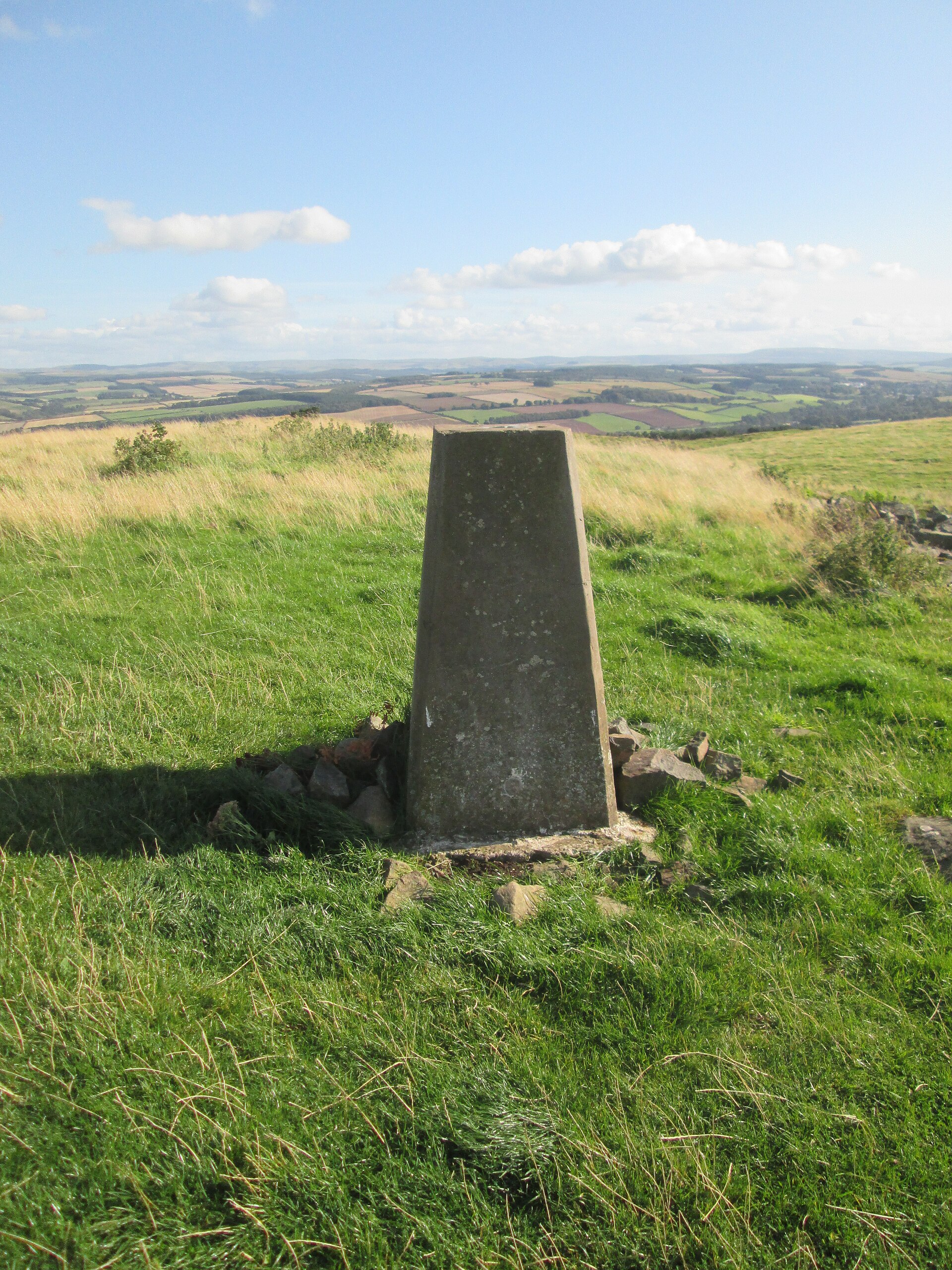
Capon Tree
Scottish Borders
A named, long-standing tree carried in local memory as a landmark — included for its place in the landscape, with age and superlative claims held f…
- Near Jedburgh
Fortified place · Medieval
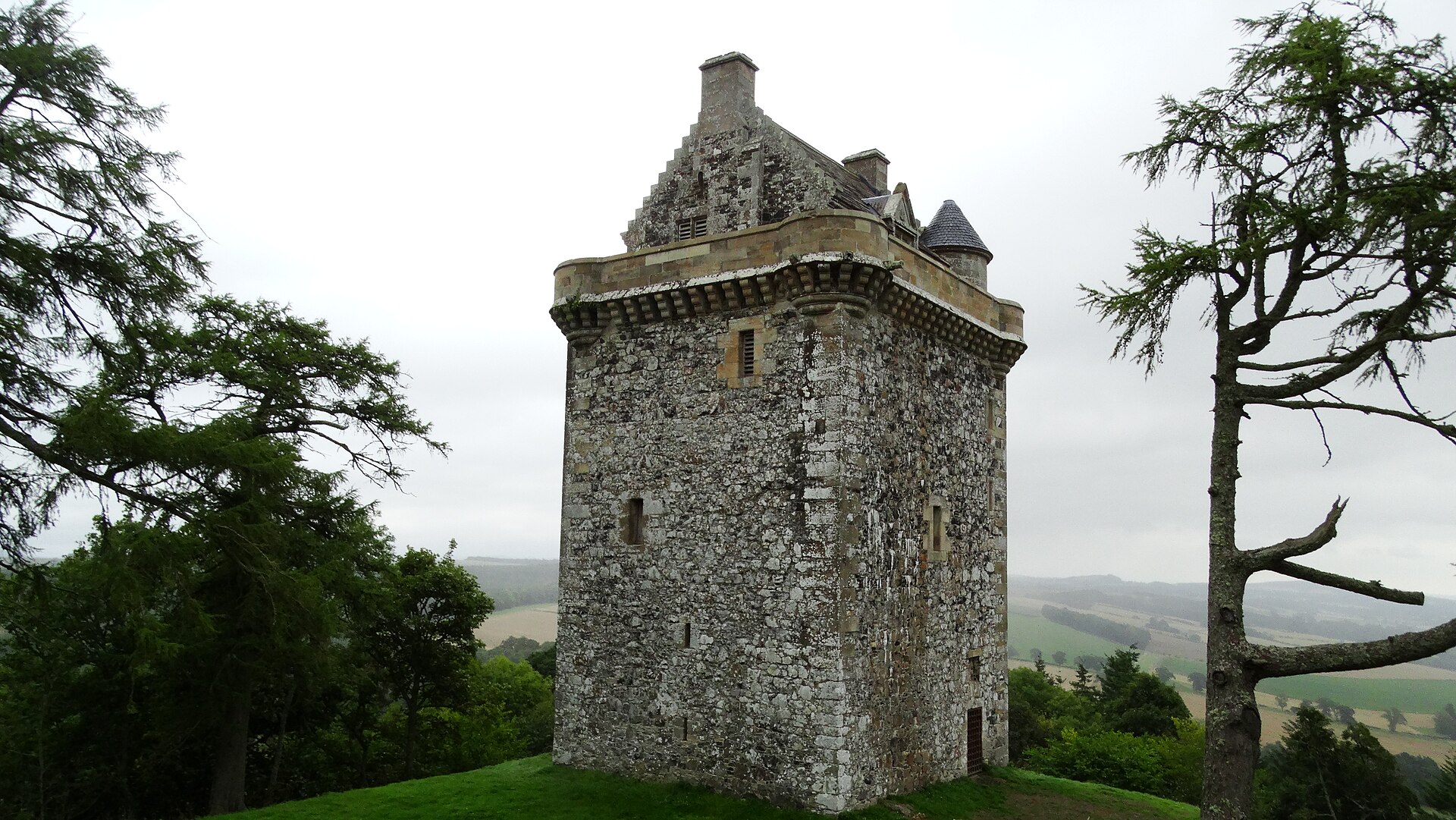
Fatlips Castle
Scottish Borders
A sixteenth-century Border peel tower whose story runs from the region's turbulent reiving past through to its Victorian revival as a shooting lodg…
Sources
- Canmore site record 57060 (accessed 2026-06-13)
- Wikipedia: Jedburgh Abbey (accessed 2026-06-13)
- Wikidata Q1344789 (accessed 2026-06-13)
Explore more: Carved stones · Medieval · Scottish Borders
The Ancient Codex, in your pocket
Get the Pocket Codex app
Carry the directory with you — Jedburgh Abbey and thousands of ancient places across Britain and Ireland, offline, wherever you roam.