
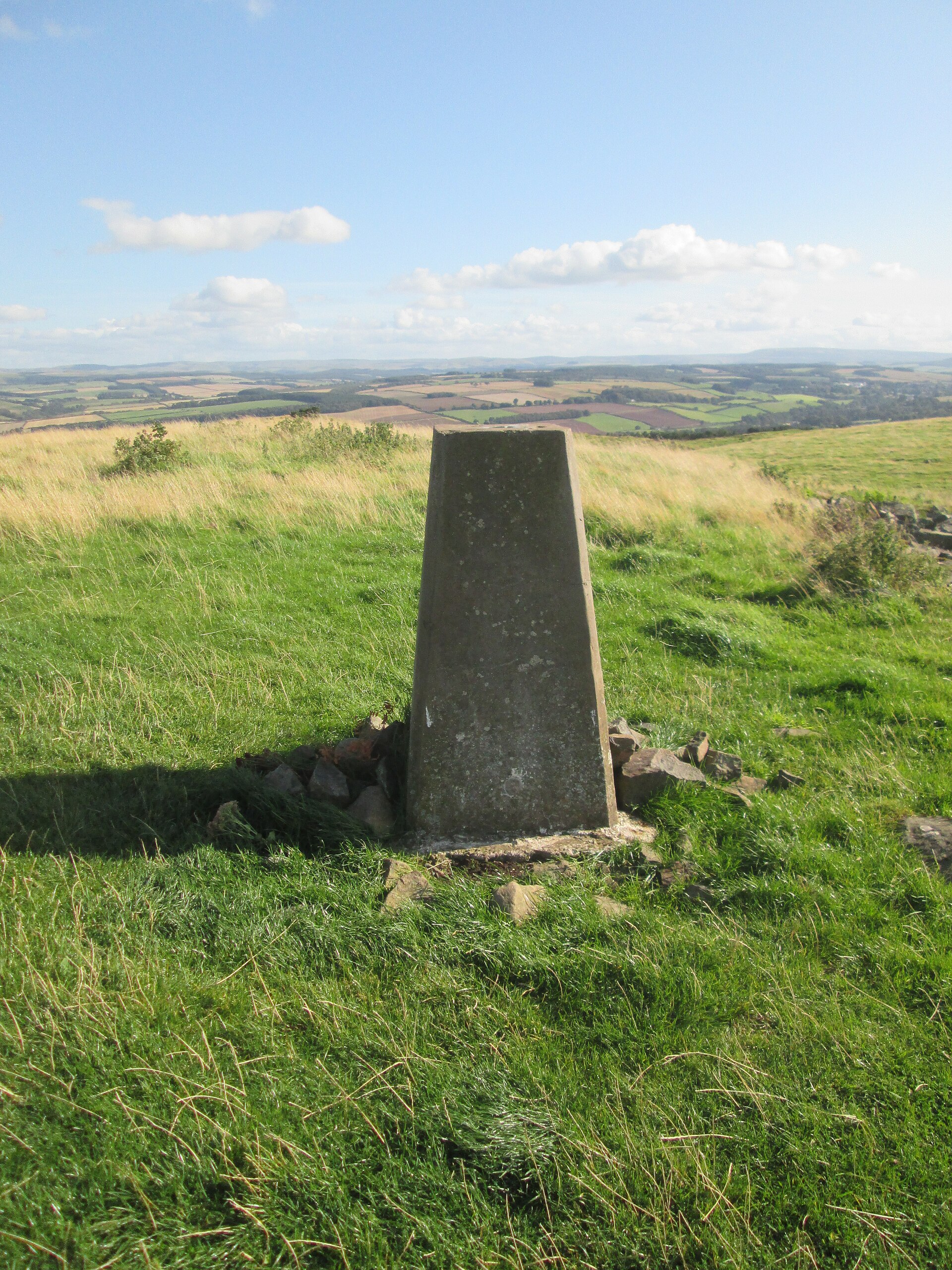
Rocky summit ridges rise above fields, walls, and woods on Rubers Law. The hill carries an Iron Age hillfort, a Roman signal station, and a nuclear fort, an early-medieval stronghold with a defended core and annex.
Rubers Law matters because each period used the same commanding volcanic hill in a different way. Prehistoric walls, Roman dressed stones, a post-Roman citadel, Peden’s Pulpit, Covenanter worship, and local poetry make the summit a rare meeting of archaeology, religion, geology, and Border memory.
What follows is drawn from published sources, with each claim labelled by how firmly it is established.
History
An early Iron Age hillfort or oppidum may have enclosed the hilltop.
Roman dressed sandstone blocks show that a Roman building once stood on the summit, probably a signal station.
A Roman bronze-vessel hoard was found on the southeast side of the hill in 1863.
A post-Roman nuclear fort reused or incorporated masonry from the earlier Roman building.
A hut circle inside the citadel was excavated in 1907.
Alexander Peden may have preached to Covenanter gatherings at Peden's Pulpit in the seventeenth century.
An open-air service was held on the summit on Easter Day 2000.
People
-
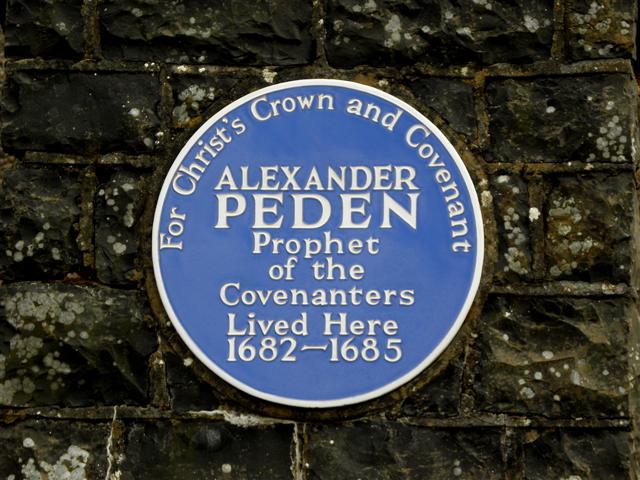
Portrait: Kenneth Allen / Wikimedia Commons / CC BY-SA 2.0 Alexander Peden
Covenanter preacher associated with Peden's Pulpit on the hill.
-
Dr John Leyden
Poet from Denholm who described Rubers Law in 1803.
-
Covenanters
Presbyterian worshippers linked with open-air meetings on the hill.
-
Roman army
Probably used the summit for signalling.
Connections
-
Denholm
Nearby village and birthplace of Dr John Leyden.
-
Teviotdale
Valley overlooked by the hill.
-
Antonine Wall
Roman stonework on Rubers Law shares decorative parallels with Castlecary on the Antonine Wall.
-
Hawick Museum
Holds the Roman bronze-vessel hoard from the hill.
What to look for
-
Rocky summit
The exposed rocks are the remains of an ancient volcanic plug.
-
Hillfort wall
A hillfort wall or enclosure may mark the earliest defended phase.
-
Roman stonework
Dressed sandstone blocks indicate a Roman building once stood on the top.
-
Nuclear fort
A nuclear fort is an early-medieval fort with a central citadel and attached defended area.
-
Peden's Pulpit
A chasm in the cliffs is linked with Covenanter preaching traditions.
Plan your visit
- Location
- 55.4322°N · 2.6647°W
- Access
- Open access
- Terrain
- Rough ground — reasonable boots advised
Opening & admission
- Responsible Scottish outdoor access applies; summit routes cross fields, woodland, and rough grazing.
Nearby places
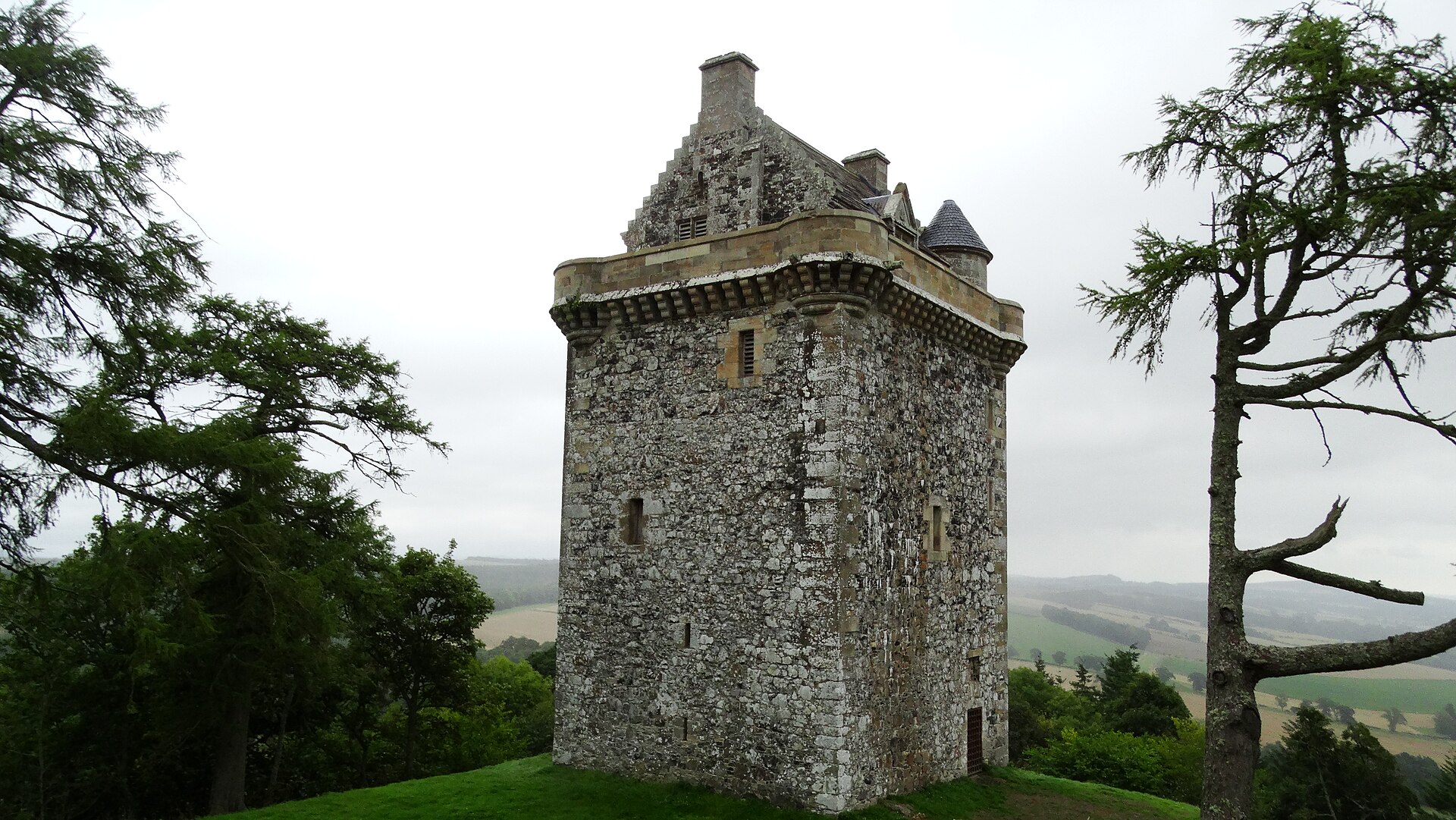
Fortified place · Medieval
Fatlips Castle
Scottish Borders
A sixteenth-century Border peel tower whose story runs from the region's turbulent reiving past through to its Victorian revival as a shooting lodg…
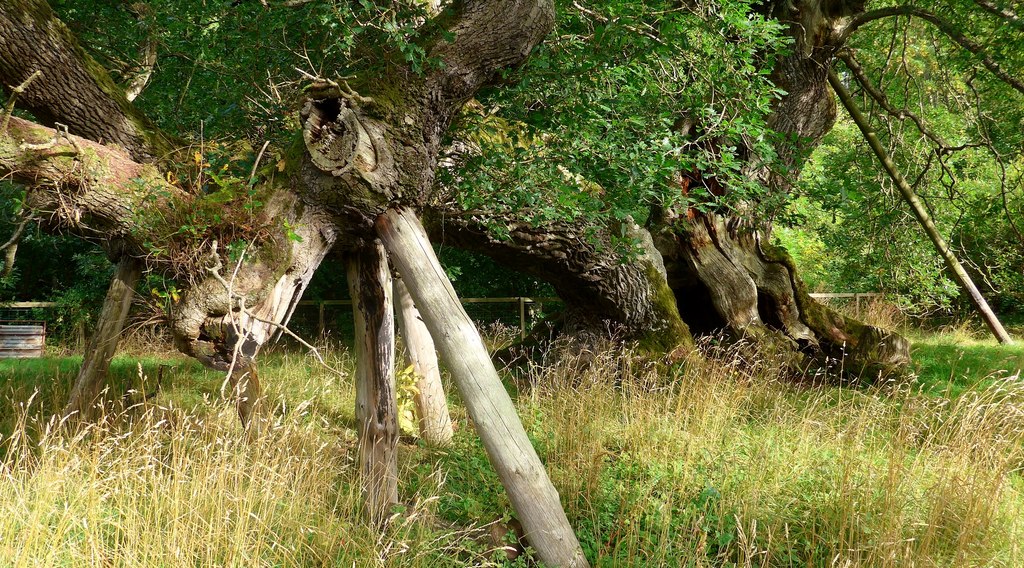
Ancient tree · Medieval
Capon Tree
Scottish Borders
A named, long-standing tree carried in local memory as a landmark — included for its place in the landscape, with age and superlative claims held f…
- Near Jedburgh
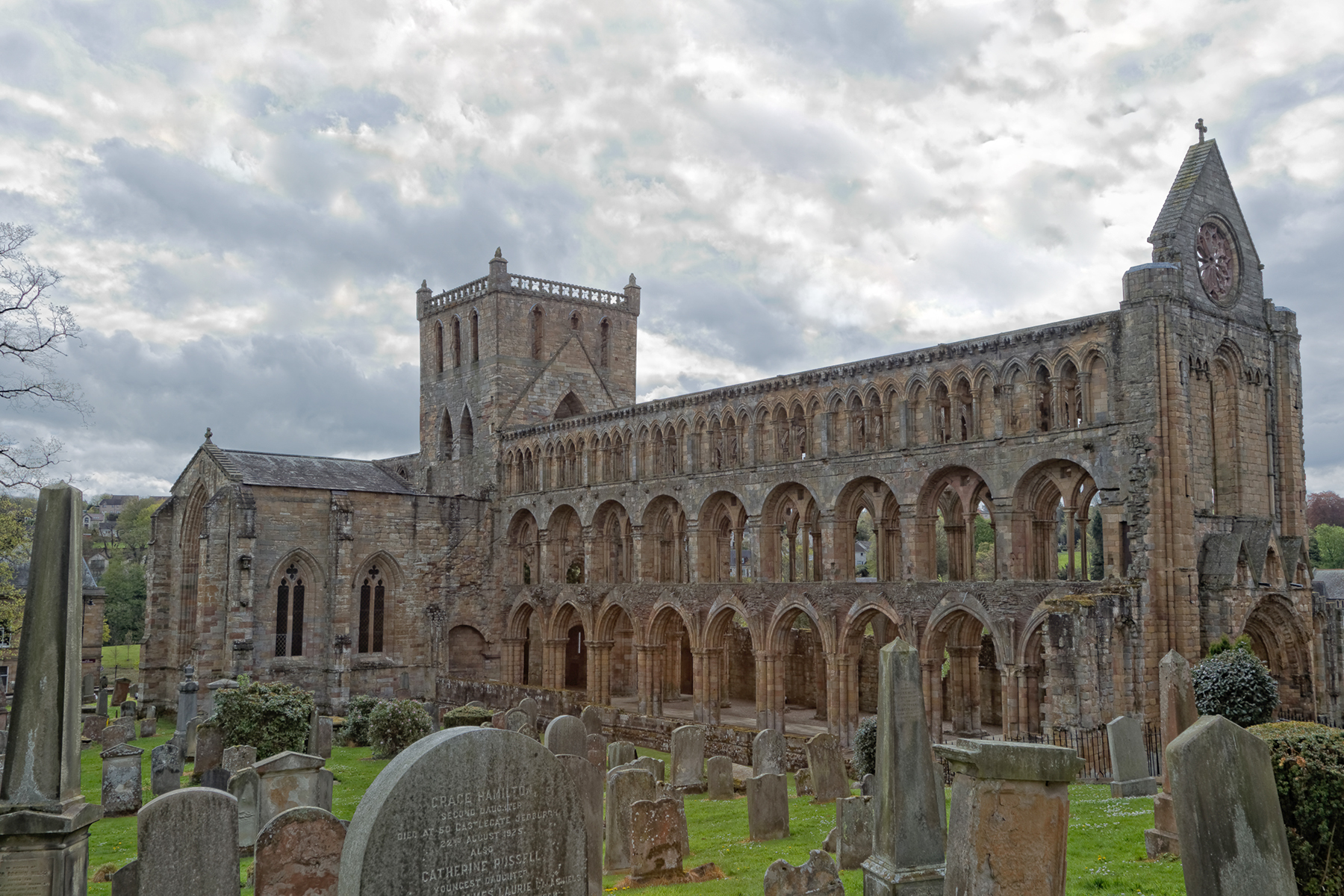
Carved stone · Medieval
Jedburgh Abbey
Scottish Borders
In 1118, before his accession to the Scottish throne, Prince David established a foundation of Augustinian canons at Jedburgh. It rose from priory…
- Near Jedburgh
- 1 min walk from car park
Questions people ask
- What is Rubers Law?
- It is a prominent hill in the Scottish Borders with prehistoric, Roman, early-medieval, and later religious associations.
- What ancient sites are on Rubers Law?
- The hill includes an Iron Age hillfort, a probable Roman signal station, and an early-medieval nuclear fort.
- What is Peden's Pulpit?
- It is a chasm in the summit cliffs associated with Covenanter preacher Alexander Peden.
- What Roman finds came from Rubers Law?
- Roman dressed stones and a bronze-vessel hoard found in 1863 are recorded from the hill.
Sources
Explore more: Fortified places · Iron Age · Scottish Borders
The Ancient Codex, in your pocket
Get the Pocket Codex app
Carry the directory with you — Rubers Law and thousands of ancient places across Britain and Ireland, offline, wherever you roam.