
Dryburgh Abbey was nominally founded on 10 November (Martinmas) 1150 under an agreement between Hugh de Morville, Constable of Scotland, and the Premonstratensian canons regular of Alnwick Abbey in…
Dryburgh Abbey is a building or ruin near St Boswells, Scottish Borders, Scotland.
What follows is drawn from published sources, with each claim labelled by how firmly it is established.
History
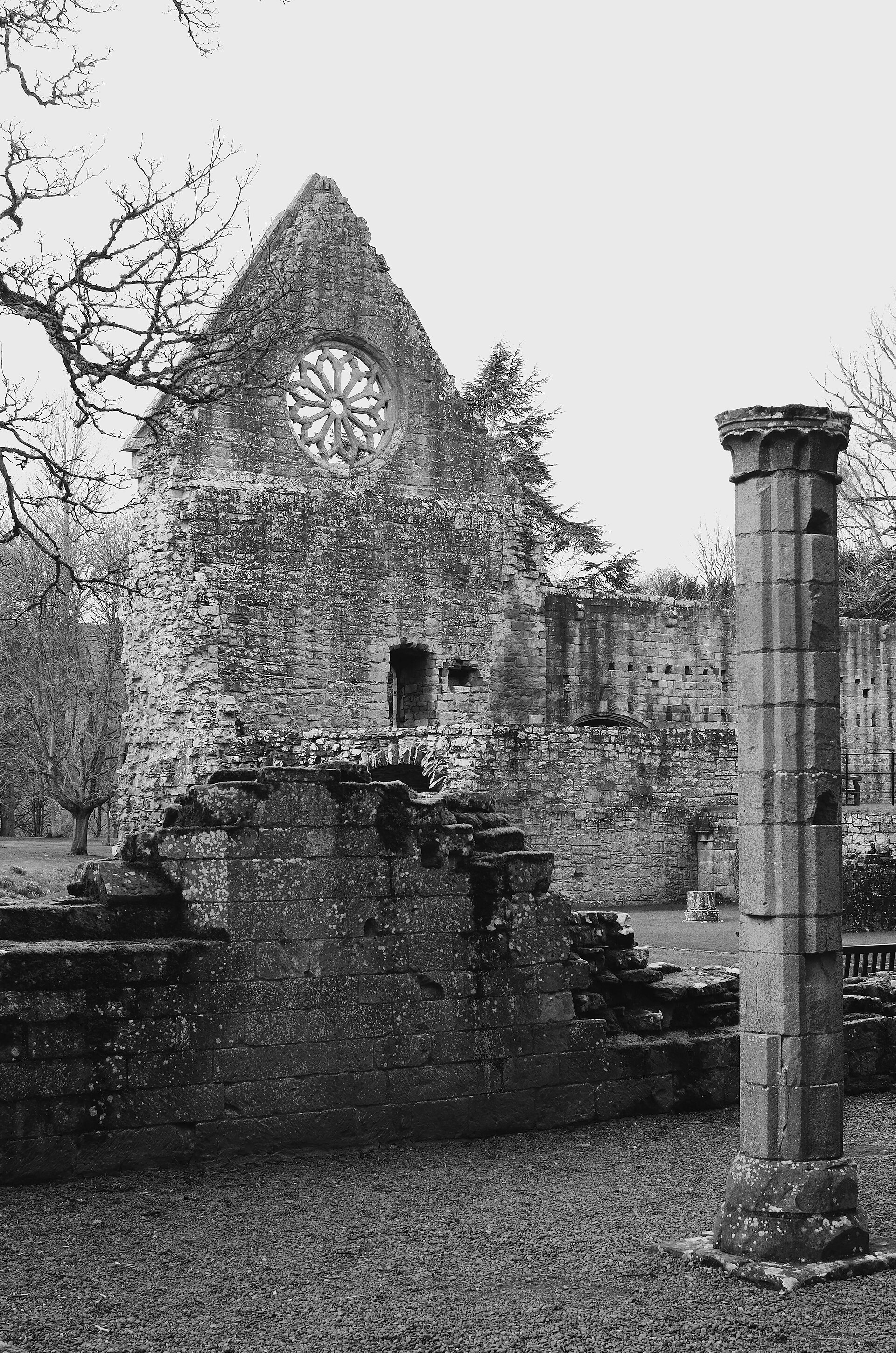
Dryburgh Abbey was nominally founded on 10 November (Martinmas) 1150 under an agreement between Hugh de Morville, Constable of Scotland, and the Premonstratensian canons regular of Alnwick Abbey in Northumberland. The canons arrived with their first abbot, Roger, on 13 December 1152.
The abbey was burned by English troops in 1322 during the Wars of Scottish Independence, after Robert the Bruce had used it as a base for raids into Northumberland; unlike neighbouring Melrose, Dryburgh's rebuilding was largely overlooked by Bruce.
It was burned again on the orders of Richard II of England in 1385, during his damaging incursion through the Borders to Edinburgh.
An accidental fire destroyed the abbey in 1443, and by 1461 the canons were seeking papal protection, struggling to finance repairs.
It was finally burned in 1544 (and again in 1545) by Edward Seymour, Earl of Hertford, during the war of the Rough Wooing. The community lingered until the Scottish Reformation; in 1604 the abbey's remaining possessions were absorbed into the Lordship of Cardross, and it was given to the Earl of Mar by James VI.
Throughout the 13th century the abbey was burdened by grinding debt from its ambitious stone rebuilding programme; in 1242 the Bishop of St Andrews allowed Abbot John to appoint canons as vicars to ease the strain, and Pope Innocent IV granted an indulgence in 1246 to attract alms.
People
-
Hugh de Morville, Constable of Scotland
Founder and patron; endowed the abbey with lands, churches and mill earnings, and himself took the canons' habit around 1162, dying at Dryburgh that year
-
Premonstratensian canons of Alnwick Abbey
The white-habited canons regular who colonised Dryburgh, arriving in 1152 under their first abbot, Roger
-
King David I of Scotland
Sympathetic monarch who confirmed donations and allowed the abbey free timber from his forests for building
-
Sir Walter Scott
Buried in the abbey grounds; his tomb is part of a Category A listed group of memorials
-
Field Marshal Douglas Haig
Buried in the abbey grounds; his headstone is part of the Category A listed group of memorials
-
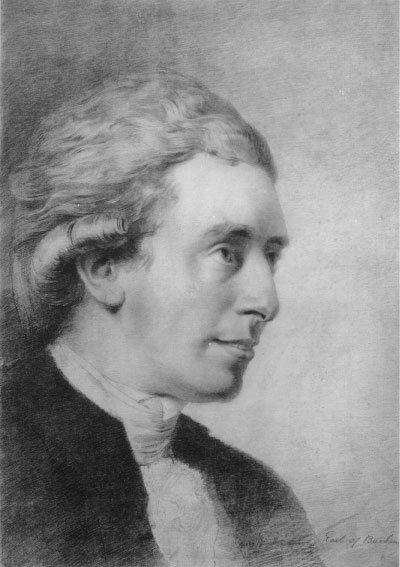
Portrait: John Brown / Wikimedia Commons / Public domain David Erskine, 11th Earl of Buchan
Bought the land in 1786
-
St Norbert of Xanten
Founder of the Premonstratensian order at Prémontré in 1120 — the order to which Dryburgh belonged
Cultural influences
-
The Premonstratensian order, founded by St Norbert at Prémontré in 1120, was Augustinian in form but its canons wore the white habit; they followed an austere monastic life while having a duty to preach and teach beyond the cloister, and took on Cistercian methods such as land management and the use of lay-brothers.
-
Unlike nearby Melrose Abbey with its royal patronage, Dryburgh was endowed by a noble rather than a monarch and was never as wealthy; the founding of Richard de Morville's second monastery at Kilwinning further ensured both houses remained in relative poverty.
-
The abbey's fortunes tracked the shifting patronage and borderland warfare of the Wars of Scottish Independence — passing through the de Morville, Galloway and Balliol lines, and repeatedly sacked as the frontier between Scotland and England moved.
Connections
-
Melrose Abbey
Near neighbour and constant comparator — royally endowed and far wealthier; sacked alongside Dryburgh in 1322 and 1385
-
Alnwick Abbey, Northumberland
Mother house from which Dryburgh's founding canons came
-
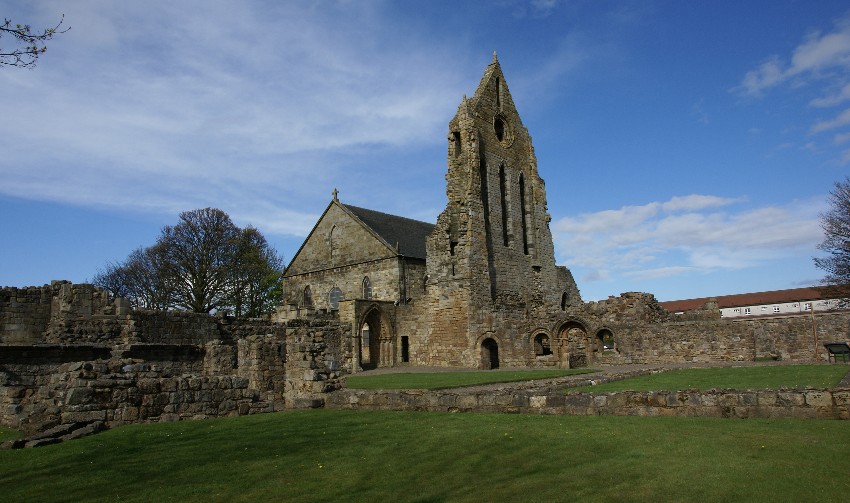
Photo: Bubobubo2 / Wikimedia Commons / CC BY-SA 3.0 Kilwinning Abbey
Daughter foundation of Richard de Morville, Dryburgh's patron; its underfunding kept both houses poor
-
Borders Abbeys Way
Dryburgh is one of the historic sites linked on this Borders walking route
What to look for
-
The ruined abbey church on the banks of the River Tweed, the product of a protracted 13th-century rebuilding in stone.
-
The tomb of Sir Walter Scott and the headstone of Field Marshal Douglas Haig in the grounds, part of a Category A listed group of memorials.
-
The surrounding designed landscape, included in the Inventory of Gardens and Designed Landscapes in Scotland.
-
King James Obelisk, Dryburgh Abbey is a linked small-wonder facet of this place, with HES pre-1800 evidence: 1794.
What is said
Folklore and tradition, recorded as what is said — not as established fact.
-
The ruins are said to be home to a benevolent spirit called Fat Lips — a little man in iron boots. A woman who lost her lover in the 1745 Jacobite Rebellion made her home in the ruined abbey and claimed Fat Lips used to tidy her cell for her. (legend)
Plan your visit
- Location
- 55.5755°N · 2.6491°W
- Nearest settlement
- St Boswells
- Access
- Paid entry — managed visitor site
- Start point
- Dryburgh · St Boswells · Roxburghshire · TD6 0RQ · National Grid reference: NT 591 316 · Telephone: 01835 822 381
- Best time
- _Opening times and admission prices are subject to change_.
- Start point
- Dryburgh Abbey car park — Visitor car park at the HES-managed abbey; short level walk to the entrance and ticket office.
- Sat-nav
- TD6 0RQ · NT 591 316
Opening & admission
Free entry
- _Opening times and admission prices are subject to change_.
Nearby places
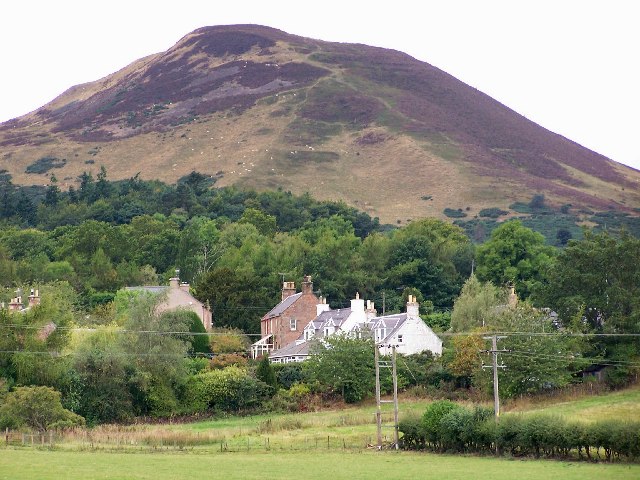
Fortified place · Iron Age
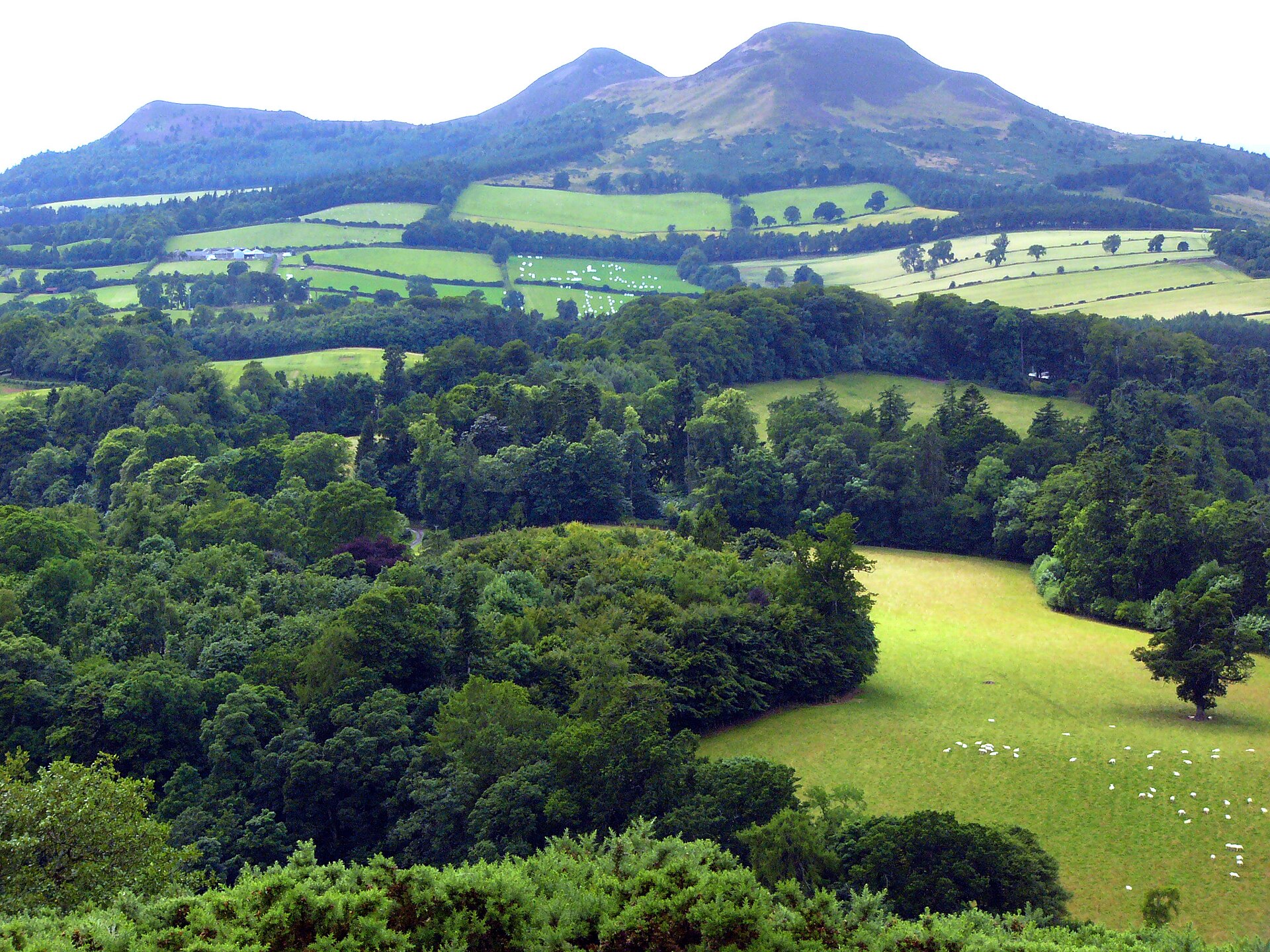
Eildon Hill North Hillfort
Scottish Borders
Excavation has shown the hillfort was occupied by 1000 BC, in the Bronze Age, with ramparts built and rebuilt in three phases. The 296 hut platform…
- Near Melrose
- 1.7 km from car park
- Some walking
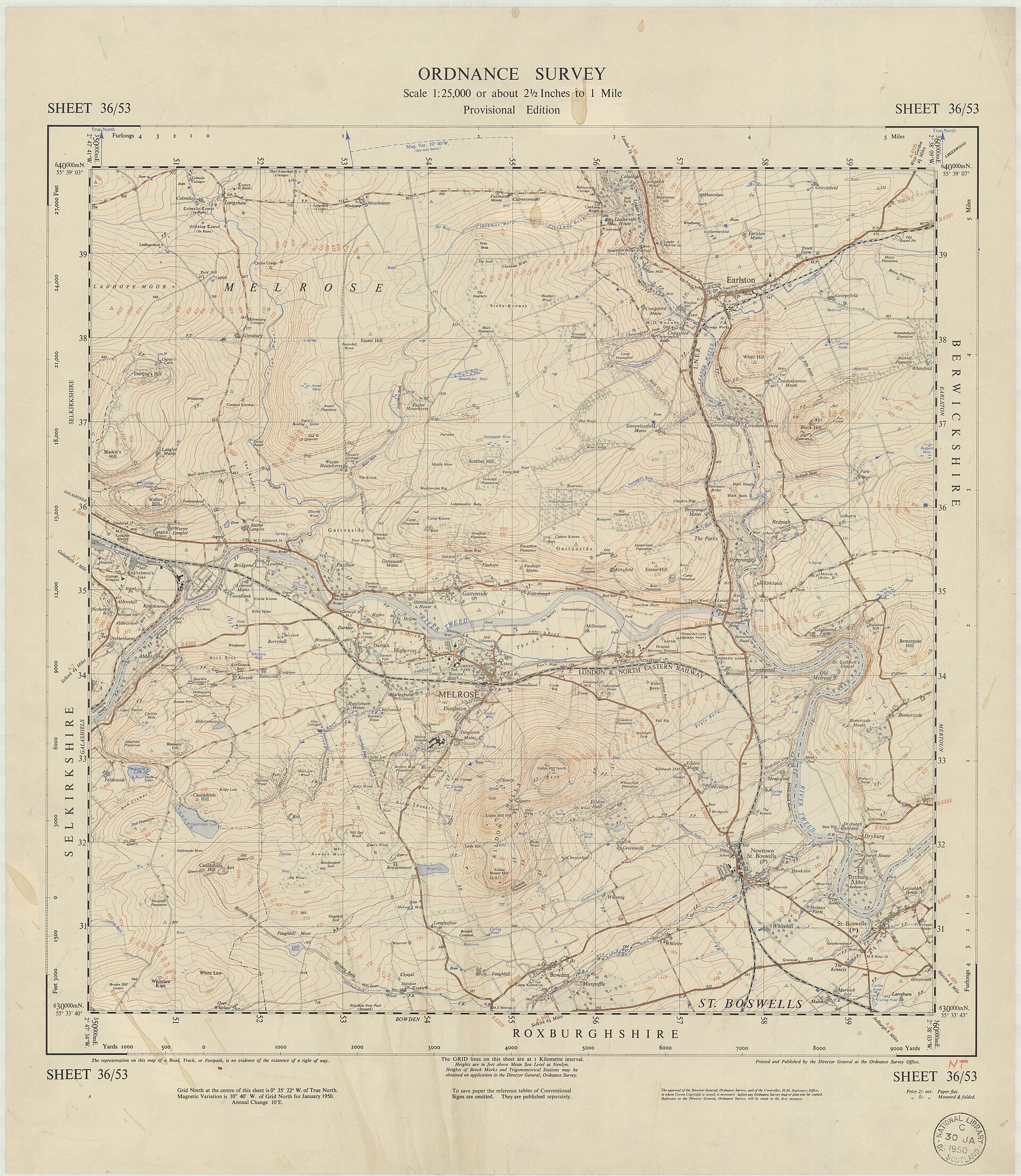
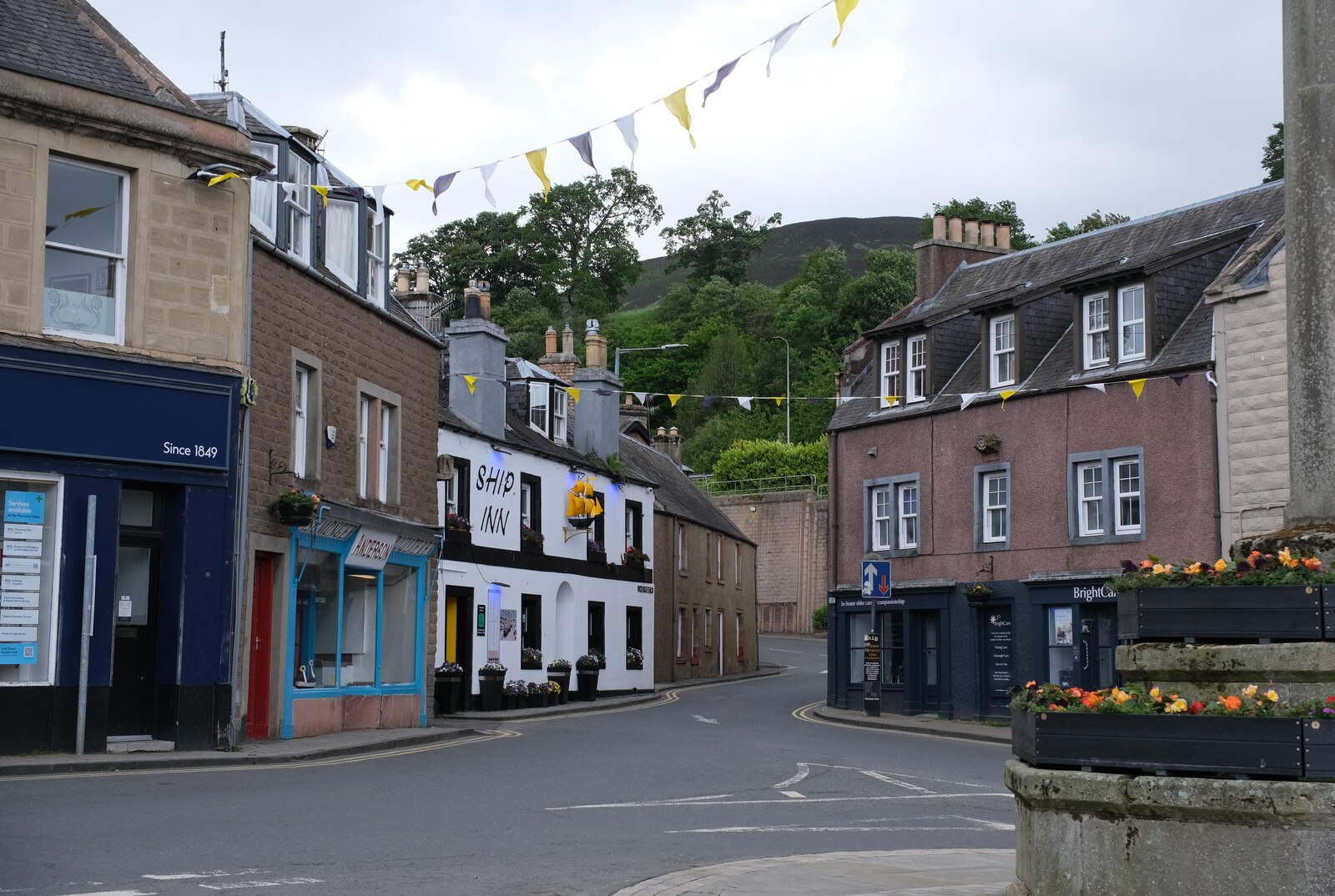
Minor monument · Medieval
Market Cross, Market Square, Melrose
Scottish Borders
Mercat cross with HES-listed pre-1800 evidence (1645).
- Easy path
Sources
- Canmore site record 55618 (accessed 2026-06-13)
- Wikipedia: Dryburgh Abbey (accessed 2026-06-13)
- Wikidata Q1261598 (accessed 2026-06-13)
Explore more: Building or ruins · Medieval · Scottish Borders
The Ancient Codex, in your pocket
Get the Pocket Codex app
Carry the directory with you — Dryburgh Abbey and thousands of ancient places across Britain and Ireland, offline, wherever you roam.