
Kelso Abbey was founded at Roxburgh in 1128 by Tironensian monks from Tiron, near Chartres in France. The community had first entered Scotland c. 1113 under the patronage of David I as Prince of the…
Kelso Abbey is a building or ruin near Kelso, Scottish Borders, Scotland.
What follows is drawn from published sources, with each claim labelled by how firmly it is established.
History
Kelso Abbey was founded at Roxburgh in 1128 by Tironensian monks from Tiron, near Chartres in France. The community had first entered Scotland c. 1113 under the patronage of David I as Prince of the Cumbrians, settling near Selkirk before relocating to Roxburgh as David, by then King of Scots, developed it as a major economic and administrative centre.
Construction began at once; by 1143 the building was advanced enough to be dedicated to the Blessed Virgin Mary and Saint John. David I's son Henry, Earl of Northumbria, was interred in the abbey in 1152.
John, abbot of Kelso from 1160 to 1180, was the first abbot in Scotland to be granted the mitre. The abbey grew to be one of the wealthiest and grandest in Scotland on income from its vast Border estates.
In 1460 James II was killed within sight of the abbey during the campaign that recaptured Roxburgh Castle, and the infant James III was hastily crowned at Kelso Abbey soon after.
In the 1540s the abbey was badly damaged in attacks ordered by Henry VIII during the Rough Wooing, under the Earl of Hertford. Henry's Italian engineer Archangelo Arcano drew up plans to convert the abbey into a bastion fort. After the Reformation of 1560 the Tironensian community was no longer recognised; the abbey was declared officially derelict in 1587, and its estates were granted as the secular lordship of Holydean to Robert Ker of Cesford in 1607.
Between 1647 and 1771 part of the ruins was occupied by a parish kirk — a compact vaulted structure intruded into the west transepts around 1748, including a vaulted gaol. In 1805 huge parts of the ruins, including the parish church and gaol, were cleared away, leaving only the west tower and transept standing today.
People
-
David I
Patron who brought the Tironensian monks to Scotland and refounded the community at Roxburgh
-
Henry, Earl of Northumbria
Son of David I, interred in the abbey in 1152
-
Abbot John (1160–1180)
First abbot in Scotland to be granted the mitre
-
James II
King killed within sight of the abbey in 1460 during the Roxburgh campaign
-
James III
Infant king hastily crowned at Kelso Abbey in 1460
-
Archangelo Arcano
Italian military engineer who drew up plans to convert the abbey into a bastion fort for Henry VIII
-
Robert Ker of Cesford
Last commendator; granted the abbey estates as the secular lordship of Holydean in 1607
Cultural influences
-
Founded by the Tironensian order from Tiron near Chartres — the first such community in Scotland, brought under royal patronage during the reign of Alexander I.
-
Its prominence reflected royal ambition for Roxburgh as David I's southern 'capital'; the abbey stood in sight of Roxburgh Castle, near the royal mint and the intended administrative centre of the kingdom.
-
Architecturally exceptional: Vatican archives of 1517 indicate a double-cruciform plan with two crossings and towers, west and east — a design relatively rare in Europe; the massive Romanesque west tower has a formidable, semi-military character.
Connections
-
Roxburgh Castle and the Royal Burgh of Roxburgh
Stood across the Tweed; David I's intended southern centre, with which the abbey's fortunes were bound
-
Melrose, Dryburgh and Jedburgh abbeys
Fellow southern-Scotland abbeys targeted for destruction in the Rough Wooing under the Earl of Hertford
-
Abbey of Tiron, near Chartres
Mother house of the Tironensian order that founded Kelso
-
Selkirk
Site of the community's first Scottish settlement (c. 1113) before relocating to Roxburgh in 1128
What to look for
-
The surviving west tower and its crossing — strong and fortress-like, showing the formidable Romanesque character of the once-vast abbey.
-
The gable of the north transept of the west tower crossing, the most intact surviving face of the building.
-
The two bays of the south arcade of the nave with rounded arches dating from about 1128 — the earliest remains — surmounted by a late-12th-century triforium and a clerestory arcade, with no regular vertical pattern between the three levels (a feature unique in Scotland or England).
-
The Roxburghe Aisle, a 20th-century burial vault of the Dukes of Roxburghe, and a 1933 memorial cloister to the 8th Duke designed by Reginald Fairlie in the abbey's original style.
Plan your visit
- Location
- 55.5962°N · 2.4309°W
- Nearest settlement
- Kelso
- Access
- Open access
- Start point
- In Kelso.
- Best time
- Find out more about our conservation work** Admission Kelso Abbey is free to visit. Due to access restrictions in place as a precautionary measure while we undertake high level masonry inspections, there is currently no visitor access to this site.
- Start point
- The Knowes Car and Coach Park, Kelso — Public town-centre car park about 140 m from the abbey ruin. Note: HES report visitor access to the abbey itself may be restricted during masonry inspections — check current status.
Opening & admission
Free entry
- Find out more about our conservation work** Admission Kelso Abbey is free to visit.
- Due to access restrictions in place as a precautionary measure while we undertake high level masonry inspections, there is currently no visitor access to this site.
Nearby places
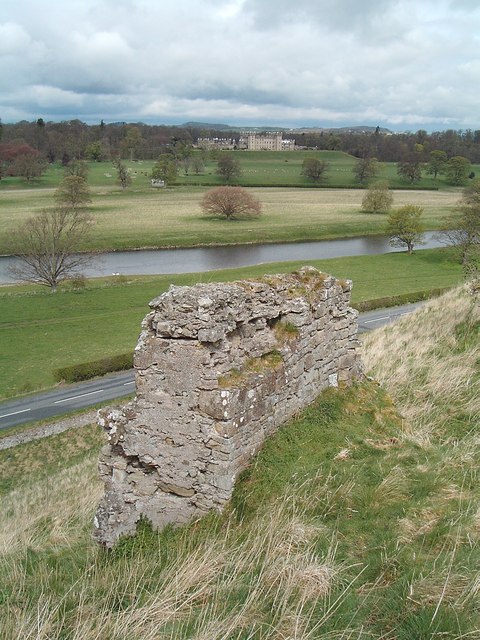
Fortified place · Medieval
Roxburgh Castle
Scottish Borders
One of the most fiercely contested strongholds of the Anglo-Scottish frontier, and the place where King James II of Scotland was killed by his own…
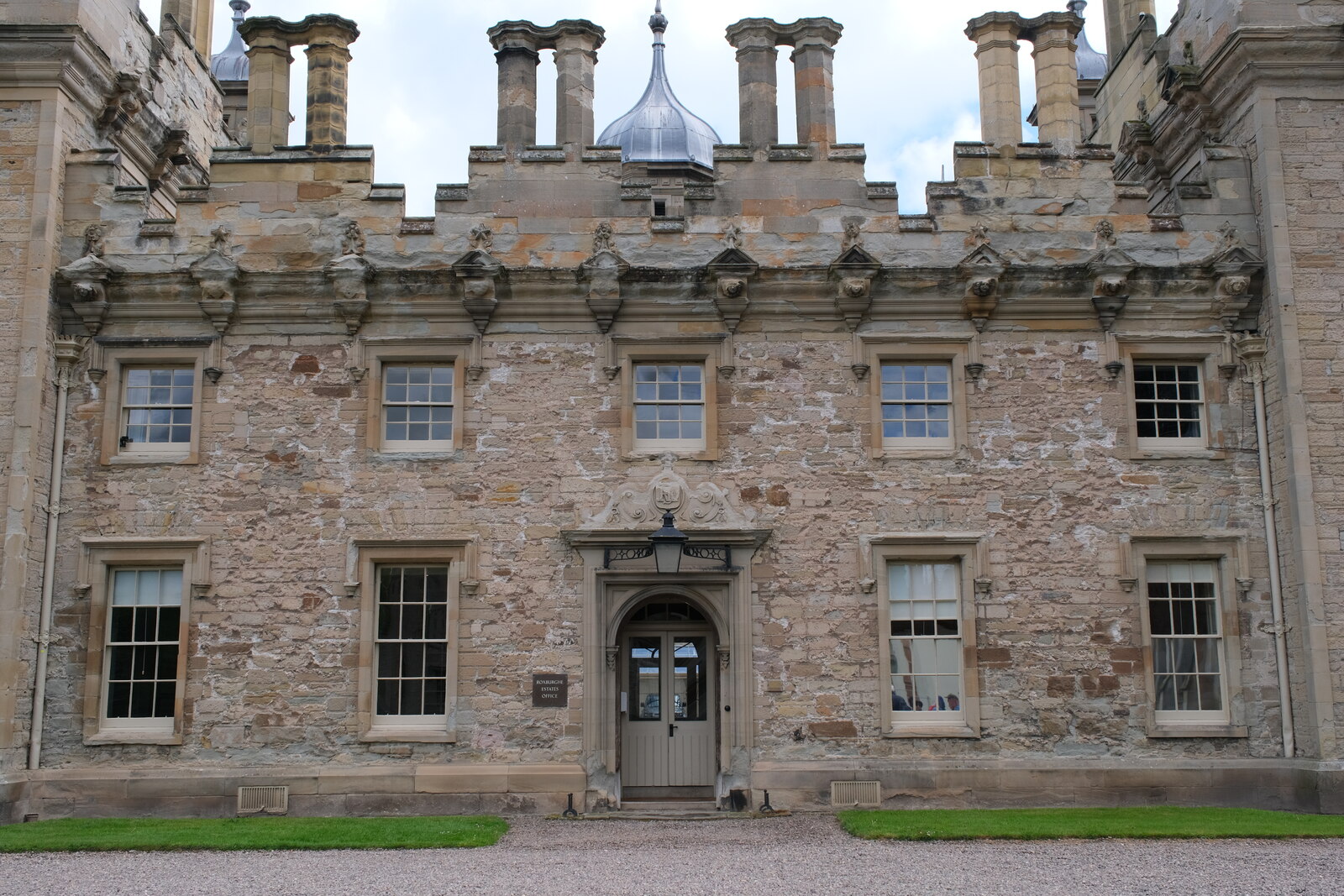
Fortified place · Medieval
Floors Castle
Scottish Borders
Floors Castle is a Category A listed house whose Georgian core by William Adam and romantic Victorian remodelling by William Henry Playfair togethe…
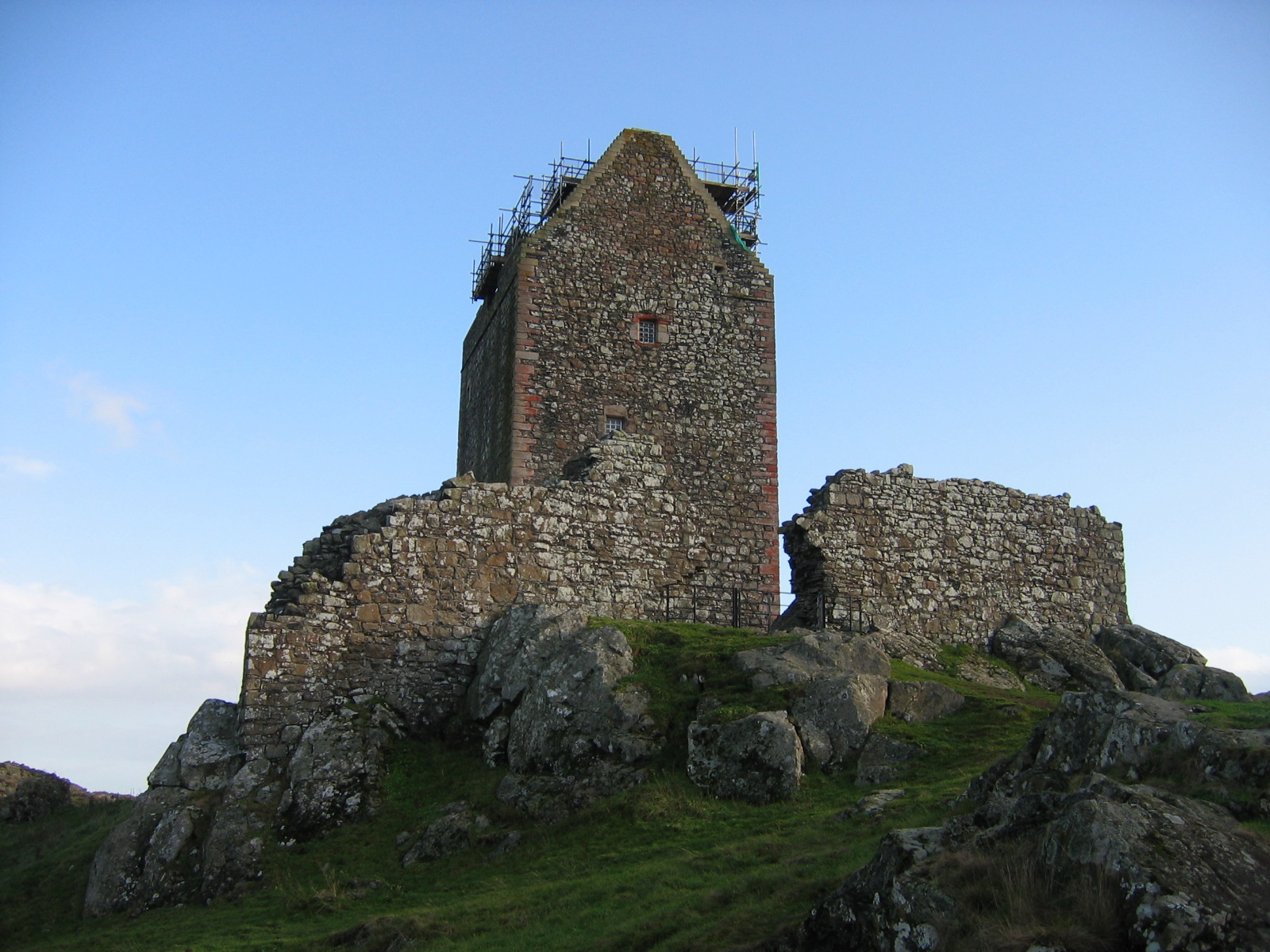
Fortified place · Medieval
Smailholm Tower
Scottish Borders
Smailholm Tower is a peel tower atop the crag of Lady Hill, around five miles west of Kelso in the Scottish Borders. It was built in the 15th or ea…
- Near Smailholm
- 1 min walk from car park
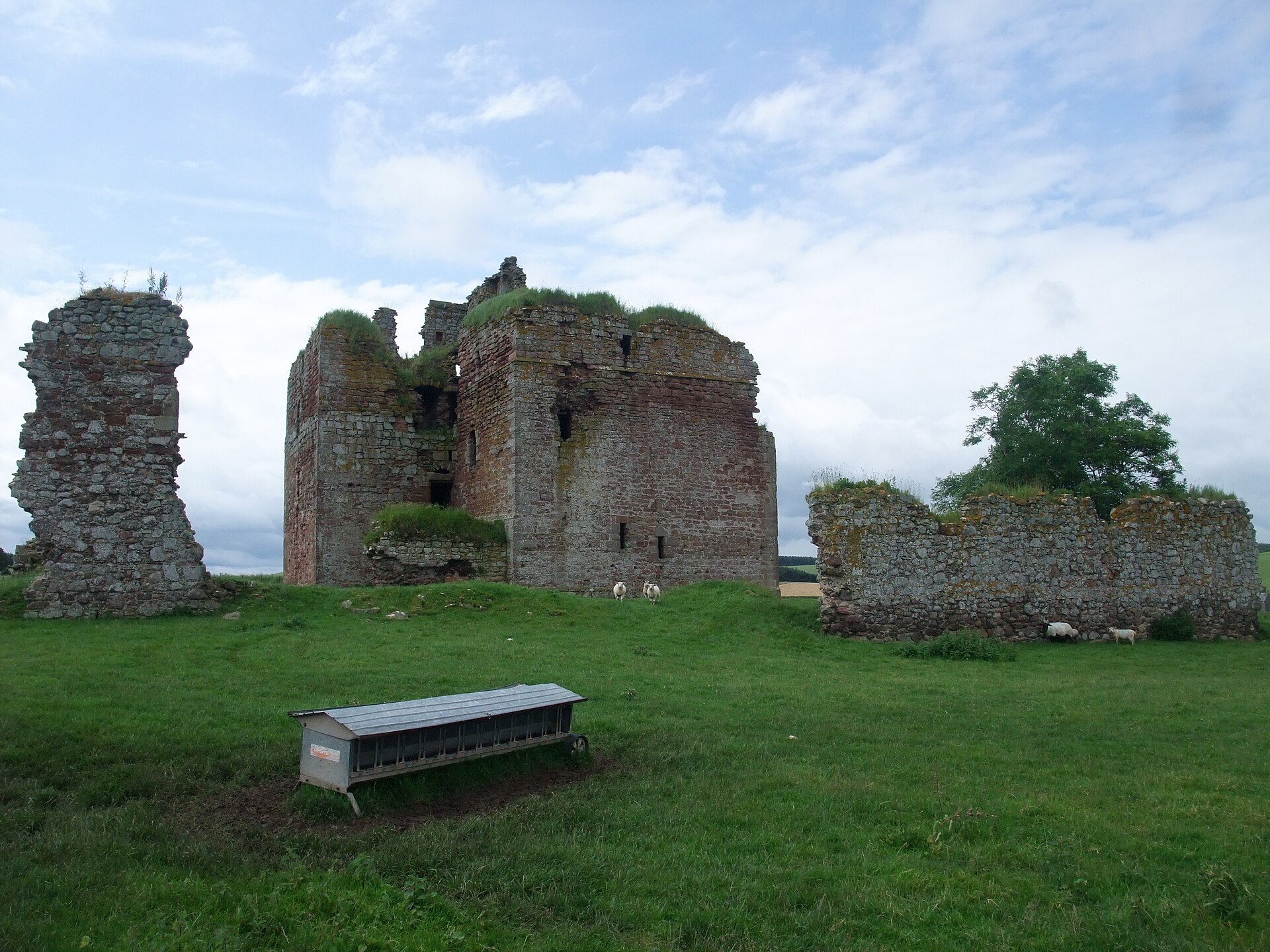
Fortified place · Medieval
Cessford Castle
Scottish Borders
It was the principal stronghold of the Kerr family, among the most notorious of the Border Reivers, and its massive walls survive as a striking rec…
Sources
- Canmore site record 58418 (accessed 2026-06-13)
- Trove (HES) record (accessed 2026-06-13)
- Wikipedia: Kelso Abbey (accessed 2026-06-13)
- Wikidata Q1447338 (accessed 2026-06-13)
Explore more: Building or ruins · Medieval · Scottish Borders
The Ancient Codex, in your pocket
Get the Pocket Codex app
Carry the directory with you — Kelso Abbey and thousands of ancient places across Britain and Ireland, offline, wherever you roam.