
The two cairns were built in the third or fourth millennium BC — around 3,000 BC — making them among the oldest structures in Scotland. They are examples of the Orkney-Cromarty type of chambered…
Grey Cairns of Camster is a tomb or burial place near Lybster, Highland, Scotland.
What follows is drawn from published sources, with each claim labelled by how firmly it is established.
History
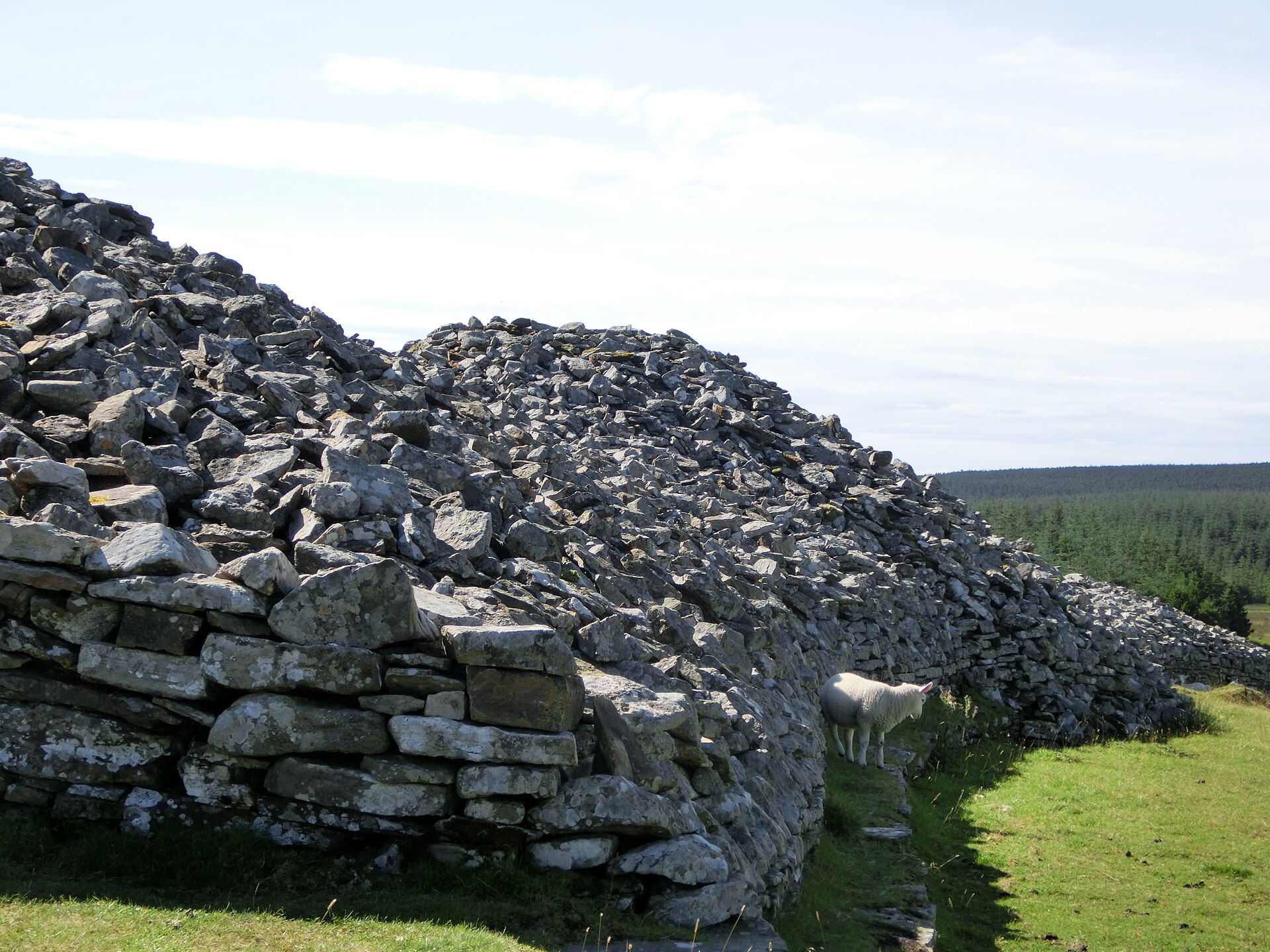
The two cairns were built in the third or fourth millennium BC — around 3,000 BC — making them among the oldest structures in Scotland. They are examples of the Orkney-Cromarty type of chambered cairn.
The two burial chambers of Camster Long appear to have been built first within separate round cairns, only later incorporated into a single long cairn — for reasons that remain unknown.
The cairns stand in what is now boggy, peat-covered moorland in the Flow Country of Caithness, but in the Stone Age this was fertile farming land; it only became blanketed in peat during the Bronze Age.
The cairns were excavated and restored by Historic Environment Scotland in the late 20th century and are open to the public; the passage of Camster Round had at some point been deliberately put out of use, blocked to the height of its roof with piled stones.
People
-
Joseph Anderson and Robert Shearer
Carried out the first investigations of the cairns in 1865-66 (Round in 1865, Long in 1866), as part of a study of seven Caithness chambered tombs
-
P. R. Ritchie
Conducted limited studies and conservation preparation, 1966-68
-
Portrait: Klaus Glashoff / Wikimedia Commons / CC BY-SA 3.0 John Corcoran
Led large-scale excavations 1971-73; his illness and death meant the results were never published
-
Lionel Masters
Completed the excavation, research and conservation 1976-80; the consolidation and restoration was concluded in 1981
Cultural influences
-
Orkney-Cromarty chambered-cairn tradition — both Camster cairns belong to this regional Neolithic tomb type, with central chambers reached through narrow passages from outside.
Connections
-
Caithness chambered tombs
Part of a group of seven Caithness chambered tombs first investigated together by Anderson and Shearer in 1865-66
-
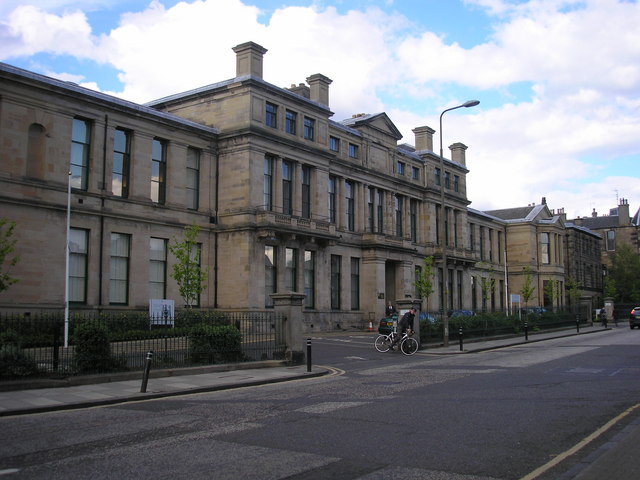
Photo: Sandy Gemmill / Wikimedia Commons / CC BY-SA 2.0 Historic Environment Scotland
Body that excavated, restored and now cares for the cairns
Discovery & excavation
The cairns were first investigated by Joseph Anderson and Robert Shearer in 1865-66 (Camster Round in 1865, Camster Long in 1866), within a study of seven Caithness chambered tombs. Limited work and conservation preparation followed under P. R. Ritchie in 1966-68, then large-scale excavations by John Corcoran in 1971-73, left unpublished after his illness and death; Lionel Masters completed the excavation and research between 1976 and 1980, with consolidation and restoration concluded in 1981. Excavation of Camster Long's west chamber found human bones mingled with broken, unburnt animal bones from horses, oxen, pigs and deer. In Camster Round the floor was a layer of black earth, ash and burnt bone about 0.3 m deep; bodies appear to have been placed sitting but without leg bones, the legs either removed or rotted away before deposition.
What to look for
-
Camster Long: a horned long cairn about 60 m long aligned NE-SW, up to 4.6 m high over its chambers, twice as wide at the NE end (horns ~20 m) as the SW (~10 m).
-
Camster Long's two chambers, entered by passages from the southeast side: the west chamber of two compartments behind 2 m portal stones, and the east chamber reached by a low passage ~7.5 m long that turns 45 degrees through a portal into an irregular pentagonal chamber roofed by a single square stone.
-
Exposed upright stones at the SW end of Camster Long that may hint at a third, as-yet-undiscovered chamber.
-
Camster Round: a virtually intact circular cairn ~18 m across and 3.7 m high, with a high vaulted central chamber reached by a passage ~6 m long and only ~0.8 m high on the east-south-east side.
-
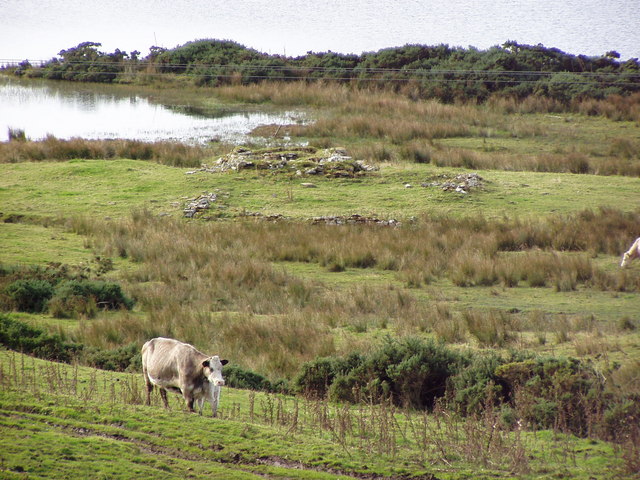
The setting of the two cairns standing 180 m apart in open Flow Country moorland, with a third nearby cairn (~120 m from Camster Round) not counted as part of the group.
Plan your visit
- Location
- 58.3793°N · 3.2662°W
- Nearest settlement
- Lybster
- Access
- Open access
- Terrain
- Easy going
- Parking
- Parking available nearby — see the official getting-here page.
- Start point
- 5m north of Lybster on the A99. Monument situated 5m along unclassified road.
- Best time
- Open year-round.
- Start point
- Grey Cairns of Camster car park — Small car park on the unclassified Camster road; a boardwalk leads to the round and long cairns.
- Sat-nav
- ND 260 441
Opening & admission
Free entry
- Open year-round.
Nearby places
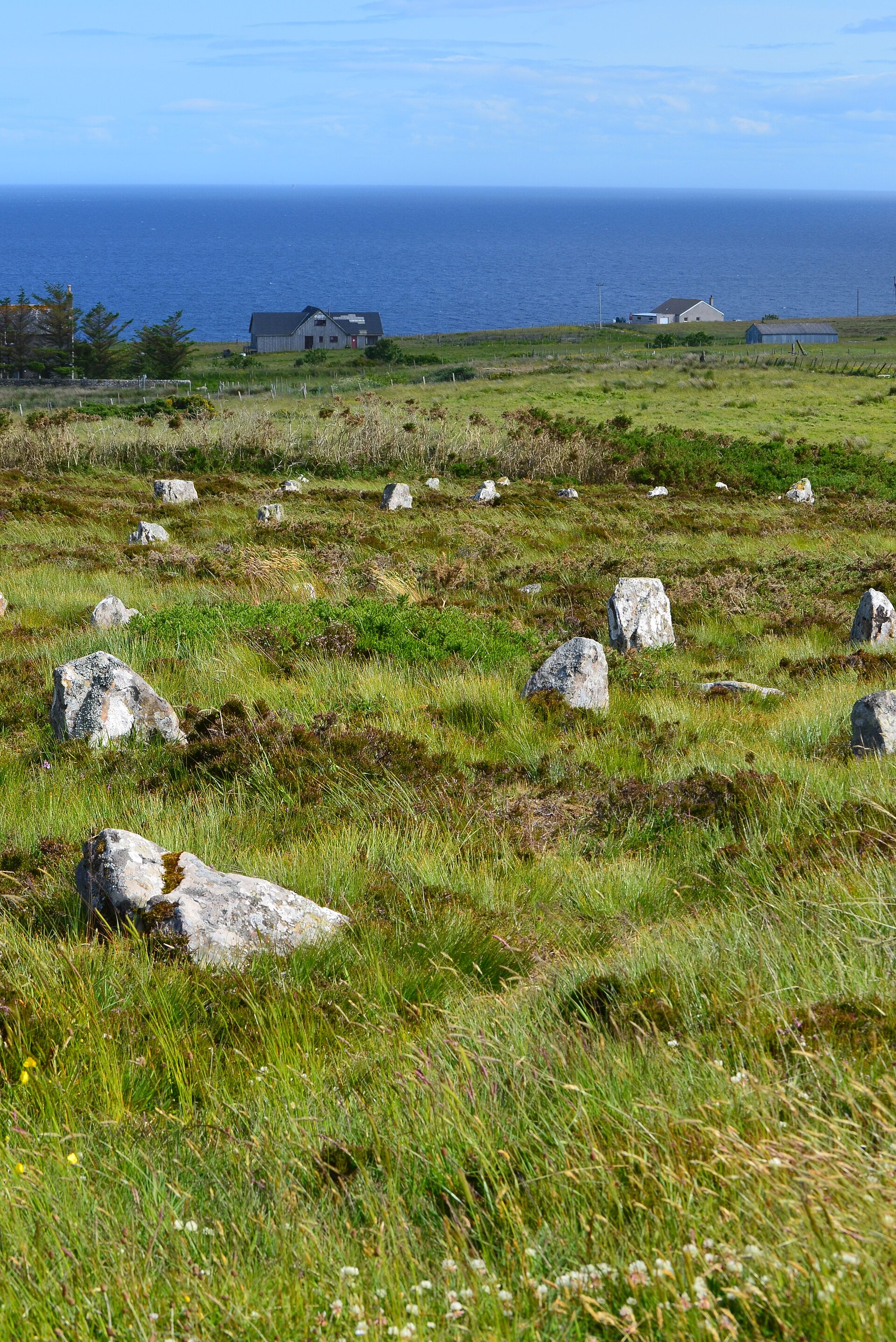
Carved stone · Prehistoric
Hill o' Many Stanes
Highland
About 200 upright stones, none more than a metre high, are set in rows running roughly north-south down the slope at Mid Clyth. The rows are not pa…
- Near Lybster
- Easy path
Sources
- Canmore site record 8686 (accessed 2026-06-13)
- Trove (HES) record (accessed 2026-06-13)
- Wikipedia: Grey Cairns of Camster (accessed 2026-06-13)
- Wikidata Q534336 (accessed 2026-06-13)
Explore more: Tomb or burial places · Prehistoric · Highland
The Ancient Codex, in your pocket
Get the Pocket Codex app
Carry the directory with you — Grey Cairns of Camster and thousands of ancient places across Britain and Ireland, offline, wherever you roam.