
Grass now covers a cairn at Loch Calder whose shape changed again and again. Tulach an t-Sionnaich, “Mountain of the Fox”, is a chambered cairn, a prehistoric burial mound with a stone chamber, at the northern end of Loch Calder in Caithness.
Excavation showed that the visible long cairn hides earlier forms beneath it: first a square passage tomb inside a round cairn, then a heel-shaped cairn, and finally a longer mound with a low external wall. Erosion from the loch has damaged the south-western side, but the main grass-covered body survives.
What follows is drawn from published sources, with each claim labelled by how firmly it is established.
History
Tulach an t-Sionnaich began as a square passage tomb within a round cairn. After probably only a short time, a heel-shaped cairn was built over the first monument, creating the oldest identified example of its type on the Scottish mainland. The new facade covered the entrance to the earlier passage tomb and was not breached.
Later, the whole structure was covered by a long cairn with a low external wall. The pottery evidence shows that the heel-shaped cairn was in use during the Neolithic pottery phase described in the source pack. By the Beaker culture period the monument had fallen out of use, and the long cairn had already been built before urns were deposited outside the enclosure.
Partial excavations in 1961 and 1963 revealed the sequence hidden inside what had previously looked like a simple long cairn.
People
-
James L. Davidson
Co-author of The Chambered Cairns of Caithness, cited in the source pack.
-
Audrey S. Henshall
Co-author of The Chambered Cairns of Caithness, cited in the source pack.
Connections
-
Loch Calder
Loch beside the cairn; rising water has eroded the south-western side.
-
British megalith architecture
Broader monument tradition referenced by the source pack.
Discovery & excavation
Partial excavations in 1961 and 1963 revealed that the long mound covered a sequence of earlier cairns, including a passage tomb, a round cairn and a heel-shaped cairn.
What to look for
-
Grass-covered long cairn
The main surviving mound is now covered with grass.
-
Layered construction
The monument preserves several building phases beneath the later cairn.
-
Eroded south-west side
Rising Loch Calder water has damaged the side that included the chamber.
Plan your visit
- Location
- 58.5355°N · 3.5983°W
- Access
- Open access
- Terrain
- Moderate walking
Opening & admission
- Cairn at Loch Calder; south-western side has been eroded by rising water.
Nearby places
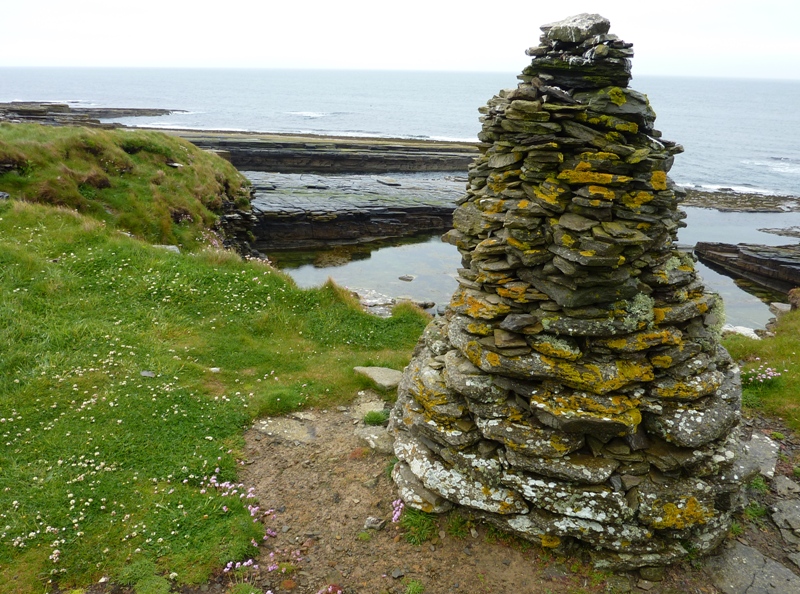
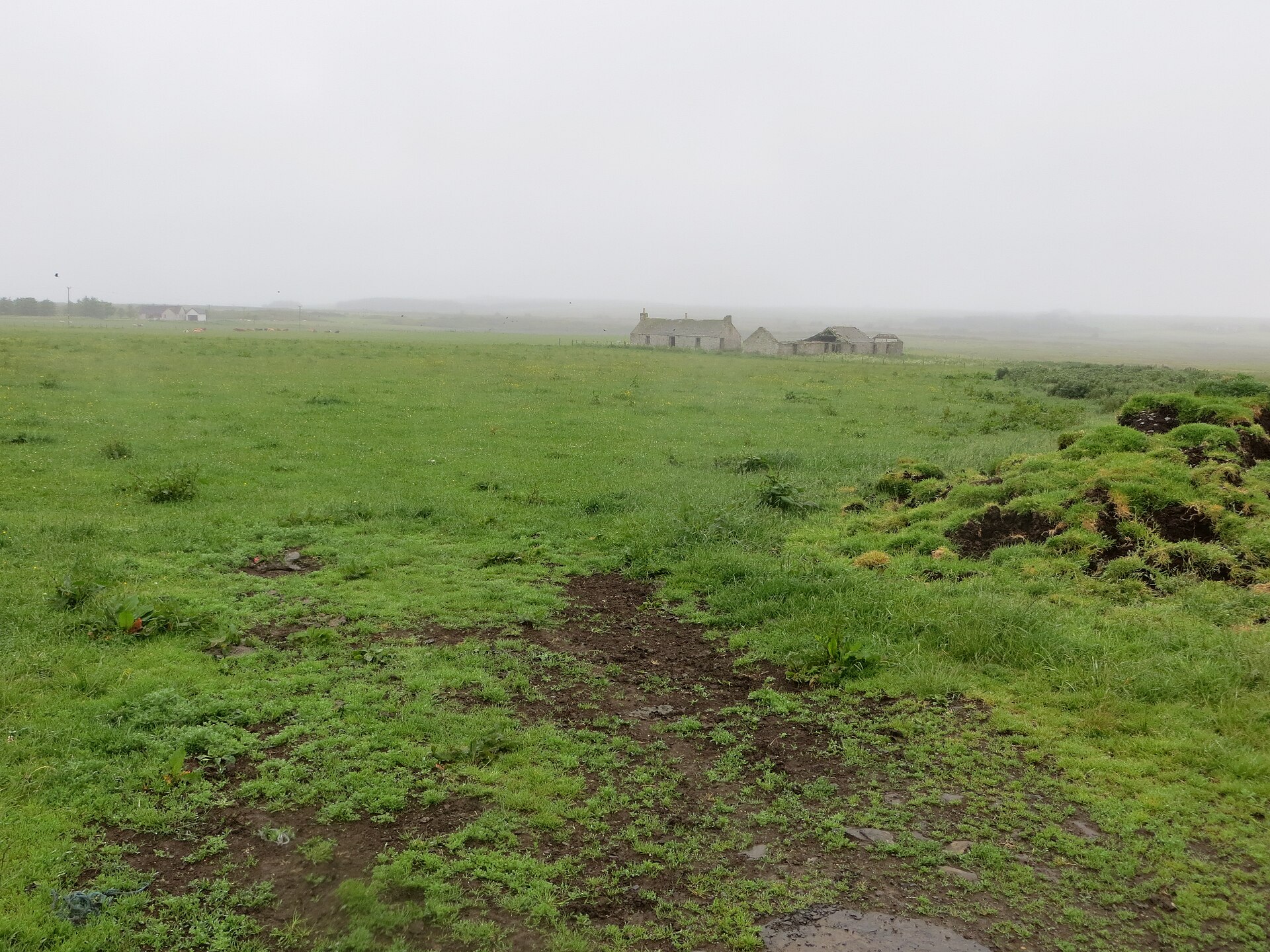
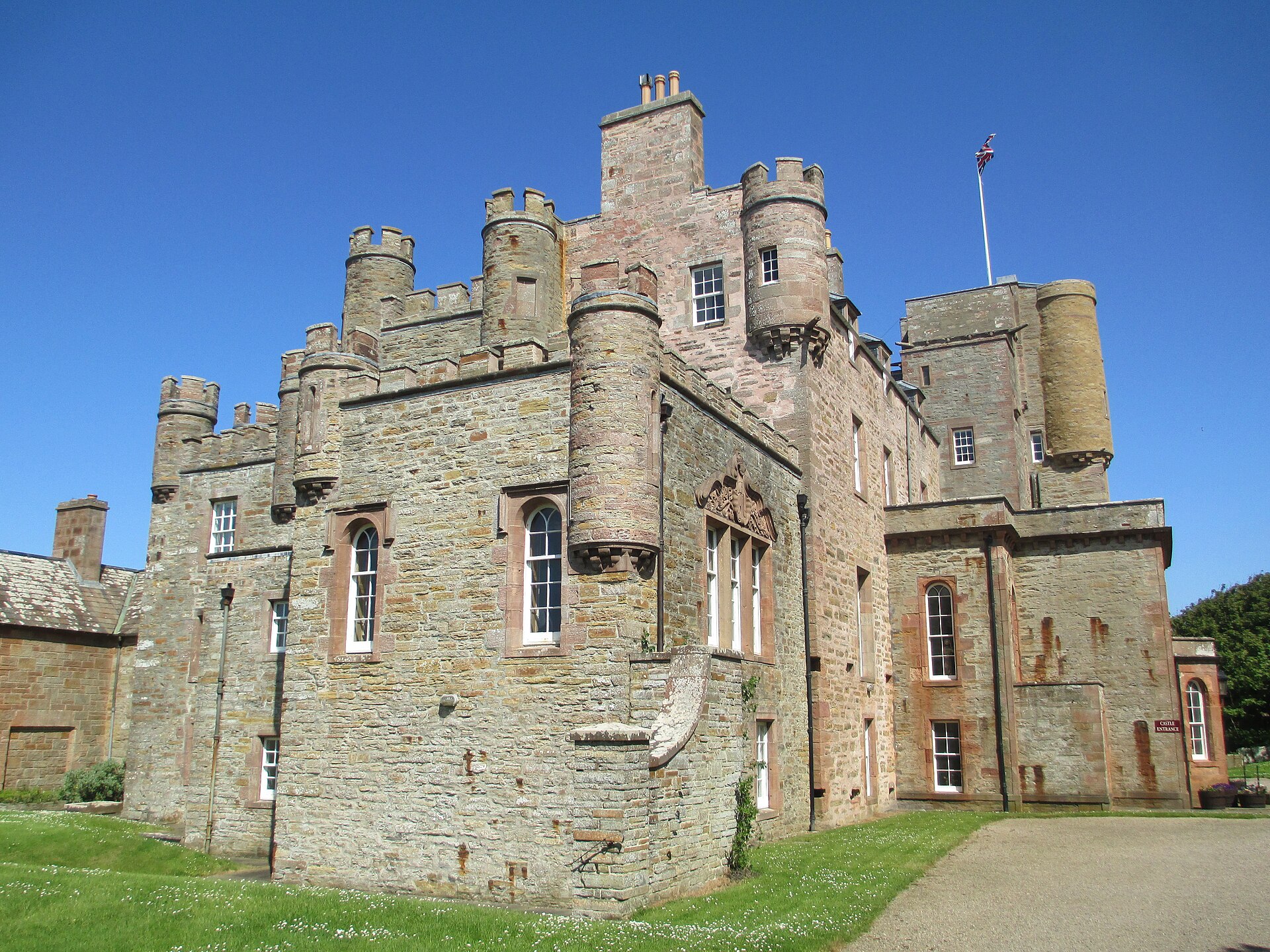
Fortified place · Medieval
Castle of Mey
Highland
Rescued from dereliction by Queen Elizabeth the Queen Mother in 1952, this sixteenth-century Sinclair tower house is one of Scotland's most norther…
Questions people ask
- What is Tulach an t-Sionnaich?
- It is a chambered cairn at the northern end of Loch Calder in Caithness.
- What does the name mean?
- The source pack translates it as “Mountain of the Fox”.
- Why is it important?
- Excavation revealed an early sequence including a passage tomb, round cairn, heel-shaped cairn and long cairn.
- When was it excavated?
- It was partially excavated in 1961 and 1963.
Sources
Explore more: Tomb or burial places · Prehistoric · Highland
The Ancient Codex, in your pocket
Get the Pocket Codex app
Carry the directory with you — Tulach an t-Sionnaich and thousands of ancient places across Britain and Ireland, offline, wherever you roam.