
The broch (an Iron Age drystone round tower) at Skitten now survives mainly as a wartime loss beneath an airfield story. Skitten Broch was an Iron Age broch, a circular drystone tower, between Killimster and North Killimster in Caithness.
Sir Francis Tress Barry partially excavated the site in 1904, but its final chapter came during the Second World War. RAF Skitten was built over the broch remains, and Charles S. T. Calder carried out a second excavation in 1940 ahead of the destruction.
What follows is drawn from published sources, with each claim labelled by how firmly it is established.
History
Skitten Broch was built in the Iron Age between Killimster and North Killimster in Caithness.
Sir Francis Tress Barry partially excavated the broch in 1904.
During the 1940s the nearby Killimster aerodrome was built over the remains.
Charles S. T. Calder carried out a second excavation in 1940 before the broch was destroyed.
Operation Freshman later departed from the Killimster aerodrome associated with RAF Skitten.
The site is now important as a record of a destroyed broch rather than as a visible standing tower.
People
-
Sir Francis Tress Barry
Partially excavated Skitten Broch in 1904.
-
Charles S. T. Calder
Excavated the site in 1940 ahead of its destruction.
Connections
-
RAF Skitten
Air base built on the remains of the broch.
-
Killimster aerodrome
Wartime aerodrome whose construction destroyed the broch.
-
Operation Freshman
Operation that departed from the nearby aerodrome.
Discovery & excavation
The broch was partially excavated by Sir Francis Tress Barry in 1904, then excavated again by Charles S. T. Calder in 1940 before aerodrome construction destroyed it.
What to look for
-
Destroyed site
The key fact to notice is absence: the broch was lost to 1940s airfield construction.
-
Airfield connection
RAF Skitten overlays the archaeological story.
-
Excavation record
Two recorded investigations preserve some knowledge of the broch.
Plan your visit
- Location
- 58.4919°N · 3.1623°W
- Access
- Open access
- Terrain
- Easy going
Opening & admission
- Broch was destroyed in the 1940s during aerodrome construction; visible remains are not confirmed by the pack.
Nearby places
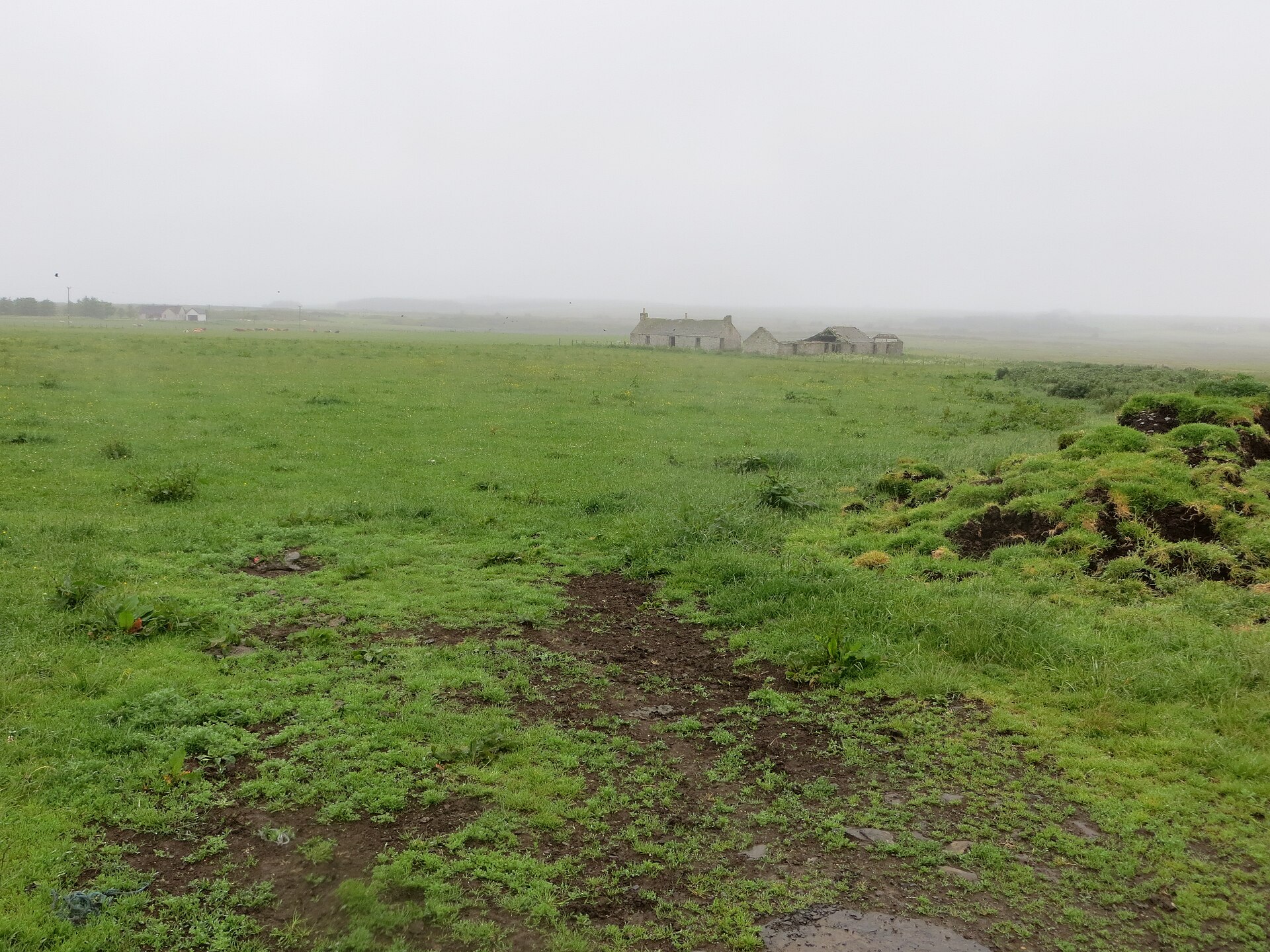
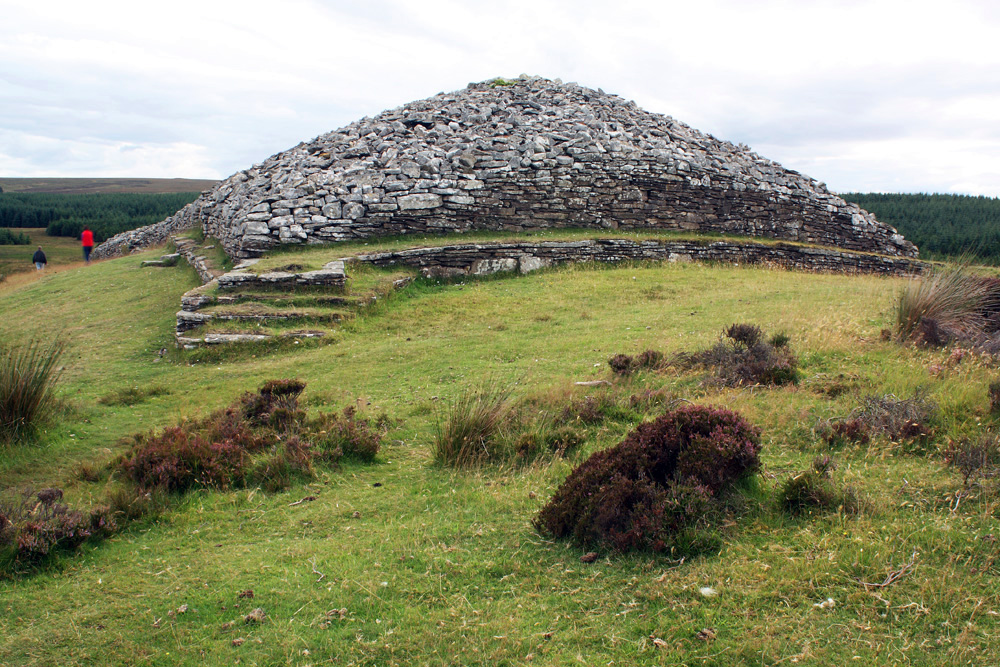
Tomb or burial place · Prehistoric
Grey Cairns of Camster
Highland
The two cairns were built in the third or fourth millennium BC — around 3,000 BC — making them among the oldest structures in Scotland. They are ex…
- Near Lybster
- 120 metres from car park
- Easy path
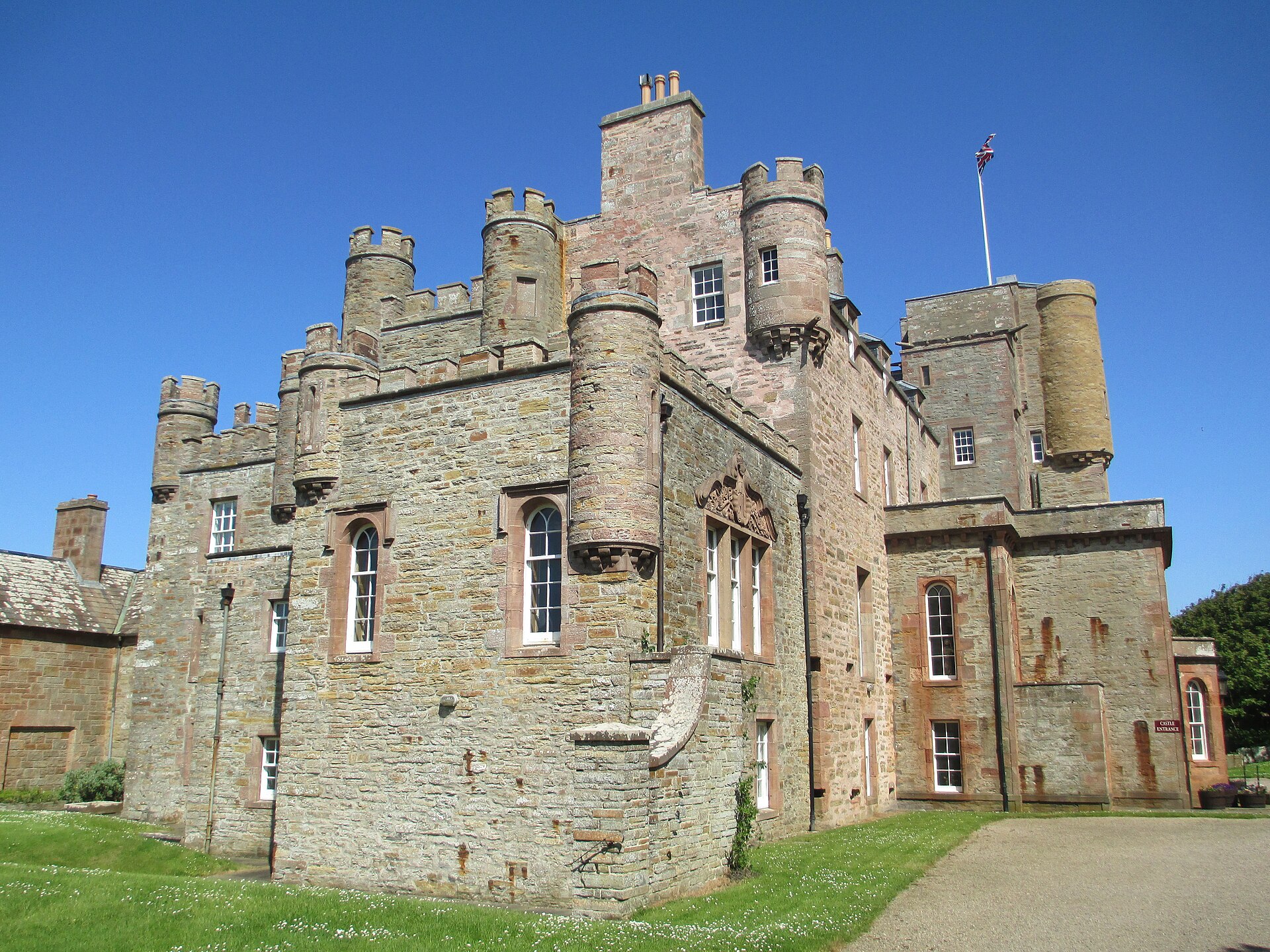
Fortified place · Medieval
Castle of Mey
Highland
Rescued from dereliction by Queen Elizabeth the Queen Mother in 1952, this sixteenth-century Sinclair tower house is one of Scotland's most norther…
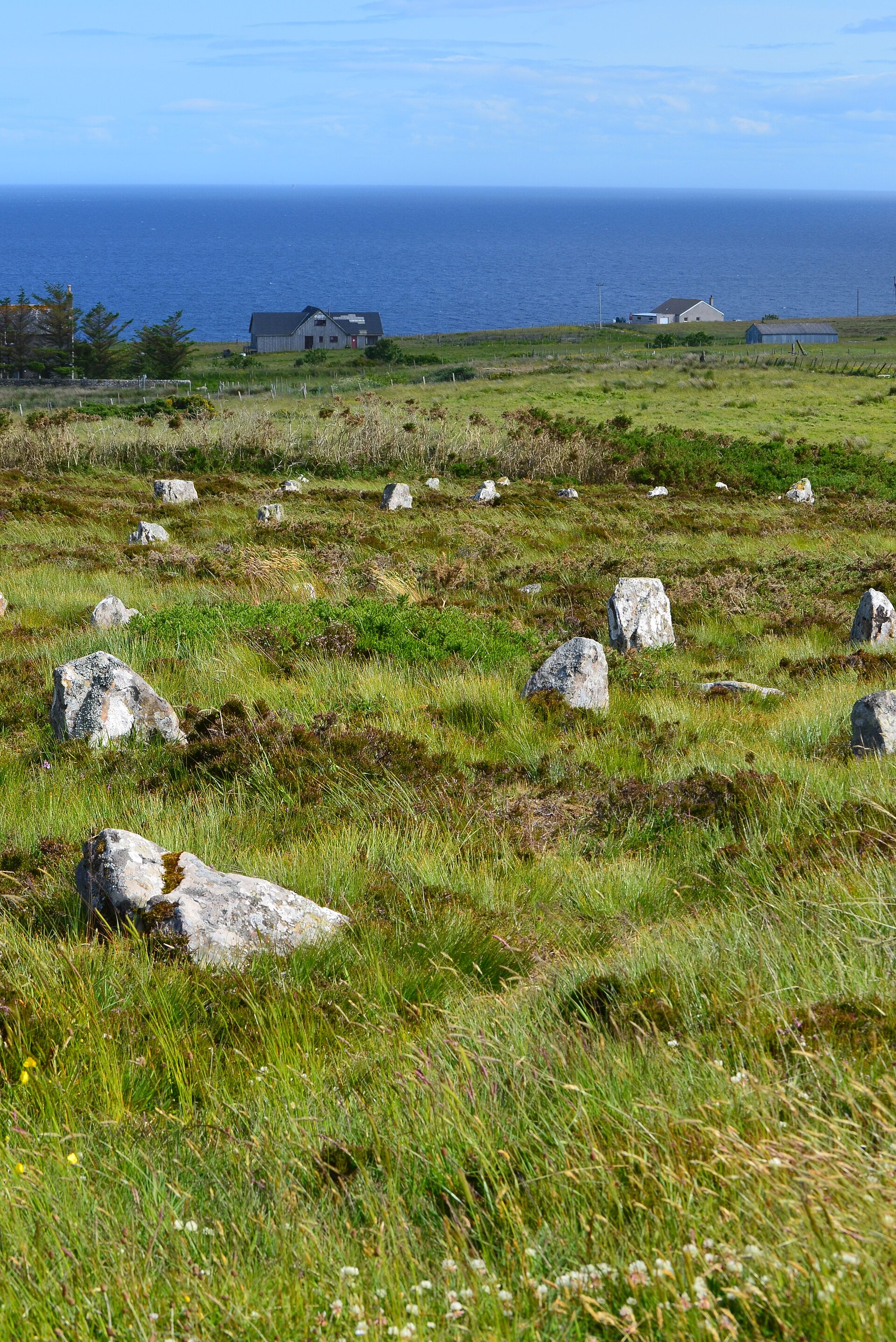
Carved stone · Prehistoric
Hill o' Many Stanes
Highland
About 200 upright stones, none more than a metre high, are set in rows running roughly north-south down the slope at Mid Clyth. The rows are not pa…
- Near Lybster
- Easy path
Questions people ask
- What was Skitten Broch?
- It was an Iron Age broch in Caithness.
- Can the broch still be visited?
- The source pack says it was destroyed in the 1940s during aerodrome construction.
- Who excavated it?
- Sir Francis Tress Barry excavated it in 1904 and Charles S. T. Calder excavated it in 1940.
- Why is RAF Skitten relevant?
- The RAF Skitten base was built on the remains of the broch.
Sources
Explore more: Fortified places · Iron Age · Highland
The Ancient Codex, in your pocket
Get the Pocket Codex app
Carry the directory with you — Skitten Broch and thousands of ancient places across Britain and Ireland, offline, wherever you roam.