
It is the oldest cathedral on the Scottish mainland and one of only two medieval Scottish cathedrals to survive the Reformation virtually intact.
Glasgow Cathedral stands on the reputed burial ground of Saint Mungo, also known as Kentigern, the city’s patron saint, who established a monastic cell here and was laid to rest at the site in 614. The first stone cathedral was consecrated in 1136 during the reign of King David I, and the present Gothic building was consecrated in 1197, rising over the centuries that followed. It is the oldest cathedral on the Scottish mainland and the oldest building in Glasgow. The structure measures roughly 87 metres in length and reaches some 32 metres in height, with a central tower and spire completed during the thirteenth century. Its plan includes a nave, choir, chapter house and sacristy, together with the Lower Church, or crypt, at whose centre lies the tomb of Saint Mungo. The late-medieval Blacader Aisle adjoins the building. After the Reformation of 1560 the cathedral passed from Roman Catholic use to the Church of Scotland, which continues to worship here as a parish church. Along with St Magnus Cathedral in Orkney, it is one of only two medieval Scottish cathedrals to survive the Reformation virtually intact. It became Crown property in 1587 and is a Category A listed building.
What follows is drawn from published sources, with each claim labelled by how firmly it is established.
What to look for
-
The Lower Church, or crypt, with the tomb of Saint Mungo at its centre
-
The central thirteenth-century tower and spire
-
The late-medieval Blacader Aisle
-
The medieval choir, nave and chapter house of the Gothic building
-
Its survival intact from the medieval period, unusual among Scottish cathedrals
Plan your visit
- Location
- General area near Glasgow City, Glasgow City
This is a sensitive or fragile site, so we show only its general area. Please check official heritage sources for access before visiting, and take care not to disturb it.
Nearby places
Fortified place · Medieval
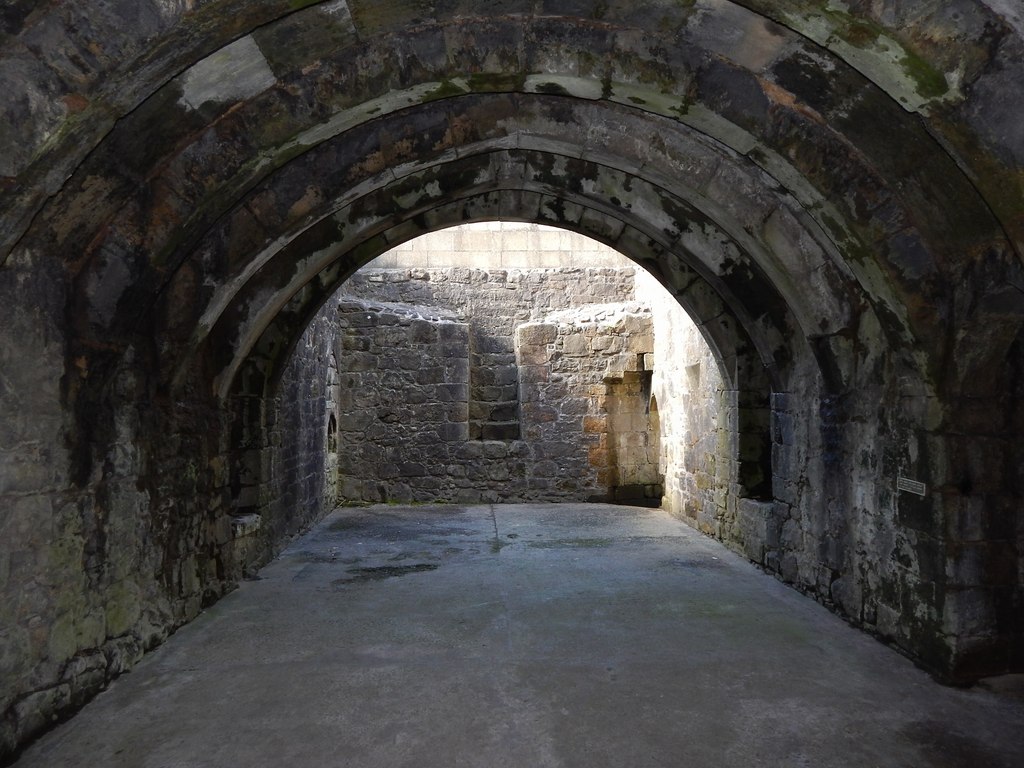
Crookston Castle
Glasgow City
It was the first property ever taken into the care of the National Trust for Scotland, and ranks as the second-oldest building in Glasgow after its…
The Ancient Codex, in your pocket
Get the Pocket Codex app
Carry the directory with you — Glasgow Cathedral and thousands of ancient places across Britain and Ireland, offline, wherever you roam.