
Animal bones, altars, tools and military inscriptions give Mumrills the feel of a busy Roman frontier settlement rather than a bare line on a map. The site held the largest fort in the Antonine Wall system, Rome’s turf-and-ditch frontier across central Scotland, and its finds point to soldiers, local recruits, craft work and everyday life.
What follows is drawn from published sources, with each claim labelled by how firmly it is established.
History
Mumrills was the site of the largest Roman fort on the Antonine Wall. The source also notes the possibility that it could exchange signals with Flavian Gask Ridge forts.
Excavations between 1923 and 1928 and again between 1958 and 1960 established the fort's outline. Photographs of the excavations are available online.
An altar to Hercules Magusanus was found in 1841 near the Bridge at Brightons, about a mile south-east of the fort, and is now in National Museums Scotland. A second altar, to the Matres or mother goddesses, was found at Mumrills and was dedicated by Cassius, a signifer, meaning a standard-bearer, serving at the fort.
A funerary inscription for Nectovelius records him as the son of Vindex, a Brigantian by birth, aged thirty, who served for nine years in the Second Cohort of Thracians. Because the Brigantes were a Celtic tribe from what became northern England, the inscription shows native Britons serving in the Roman army.
Other finds include a Hercules carving discovered in a Laurieston back garden in 1987, part of a palmate funerary monument, iron tools, a box flue tile, a cooking pot, and Roman concrete made with crushed tile. Animal bones and shells give clues to diet, while possible tanning or smithing buildings and a hearth point to support work around the fort.
Later traditions and uses accumulated around the site. Some believe Mumrills may have been the place of Wallace's defeat at the Battle of Falkirk, and the farm at Mumrills was used as an early site for the Falkirk Relief Church.
People
-
Portrait: Vincenzo Camuccini / Wikimedia Commons / Public domain Cassius
A signifer serving at Mumrills who dedicated an altar to the Matres.
-
Nectovelius
A Brigantian soldier commemorated by a funerary inscription after nine years' service in the Second Cohort of Thracians.
-
Portrait: Unknown authorUnknown author / Wikimedia Commons / Public domain Alfred von Domaszewski
Suggested that the Matres on the Mumrills altar were actually the Campestres or Silvanae.
Connections
-
Antonine Wall
Mumrills was the largest fort on the wall.
-
Flavian Gask Ridge
The source says Mumrills may have been able to exchange signals with forts there.
-
National Museums Scotland
The Hercules Magusanus altar is now held there.
-
Laurieston
A stone carving of Hercules was found in a back garden there in 1987.
Discovery & excavation
Excavations in 1923-1928 and 1958-1960 established the fort outline; finds include altars, a funerary inscription, a Hercules carving, a palmate funerary fragment, iron tools, a box flue tile, pottery, Roman concrete, animal bones, shells, possible industrial buildings and a hearth.
Finds now held at: Mumrills; near the Bridge at Brightons; Laurieston.
What to look for
-
Fort outline
Excavation established the outline of the largest fort on the Antonine Wall.
-
Inscribed altars
Altars from the site record Hercules Magusanus, the Matres and Roman military dedication.
-
Nectovelius inscription
The funerary inscription records a Brigantian soldier serving in the Second Cohort of Thracians.
-
Industrial traces
Buildings that may have supported tanning or smithing and a hearth were found at the fort.
What is said
Folklore and tradition, recorded as what is said — not as established fact.
-
Battle of Falkirk association
Some believe Mumrills may have been the site of Wallace's defeat at the Battle of Falkirk.
Plan your visit
- Location
- 55.9956°N · 3.7353°W
- Access
- Open access
- Terrain
- Moderate walking
Opening & admission
No admission arrangement is stated in the source.
- The source gives excavation and finds information but no practical public-access details.
Nearby places
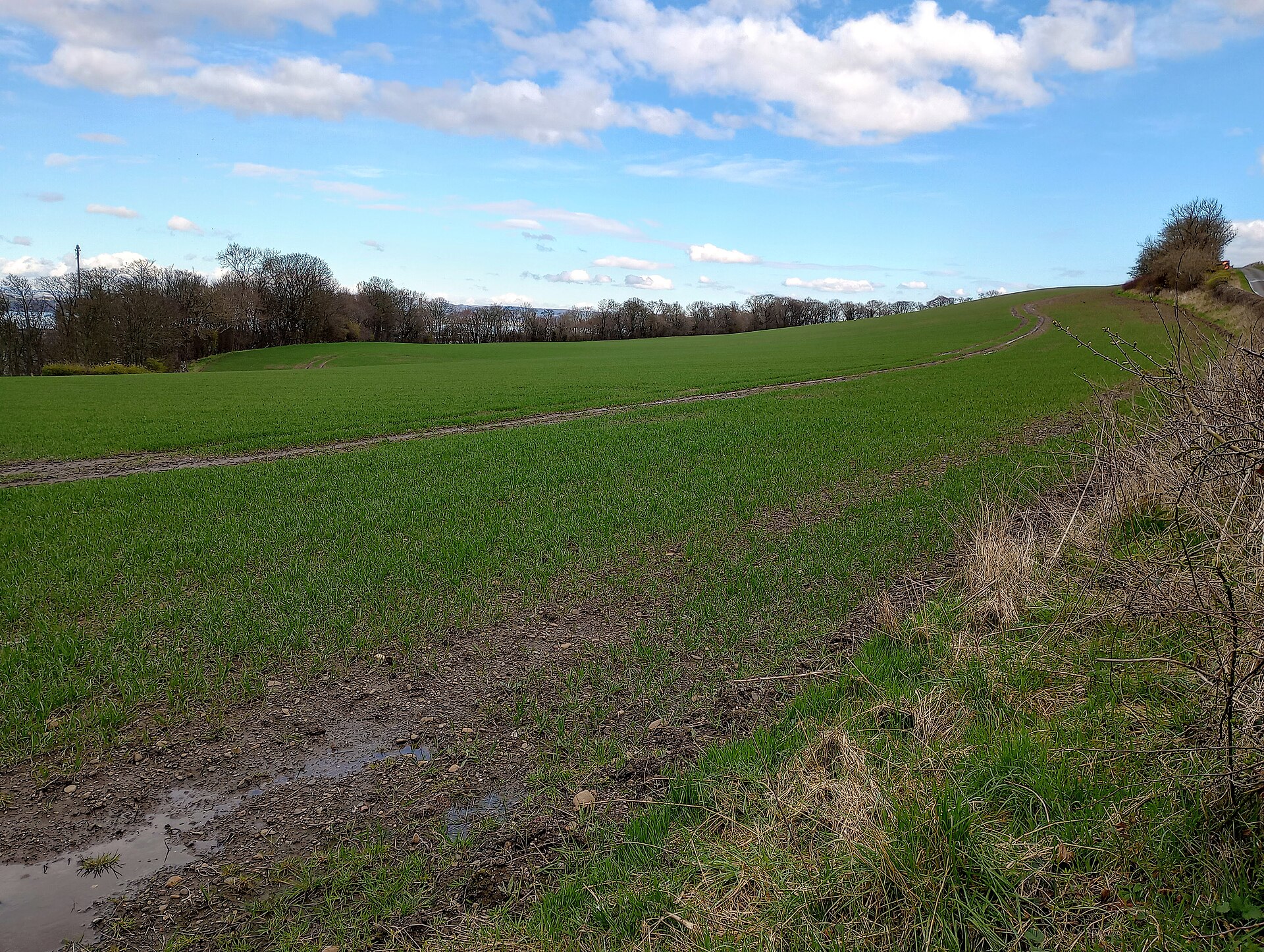
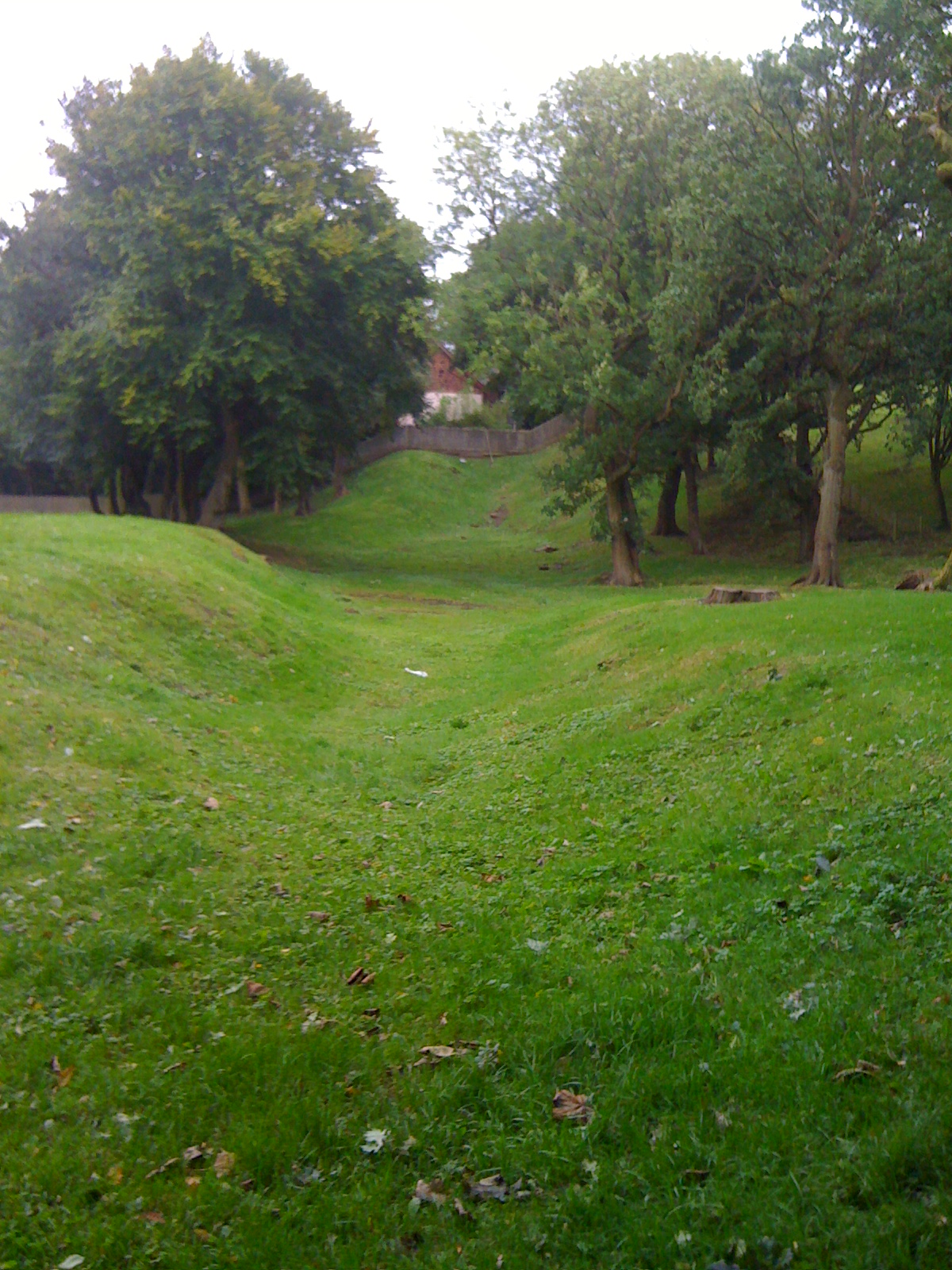
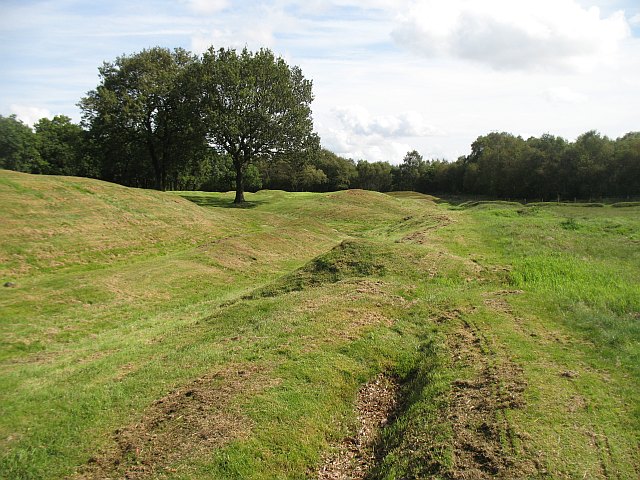
Fortified place · Roman
Antonine Wall: Rough Castle
Falkirk
Rough Castle was built as a Roman fort on the Antonine Wall, which dates from about AD 143. It stands against the southern rear face of the Wall, d…
- Near Bonnybridge
- 15 min walk from car park
- Some walking
Questions people ask
- What was Mumrills?
- Mumrills was the site of the largest Roman fort on the Antonine Wall in Scotland.
- When was Mumrills excavated?
- Excavations took place in 1923-1928 and 1958-1960.
- What inscriptions were found?
- The source names altars to Hercules Magusanus and the Matres, plus a funerary inscription for Nectovelius.
- What does the Nectovelius inscription show?
- It records a Brigantian-born soldier serving in the Second Cohort of Thracians, showing local recruitment of native Britons.
- Is Mumrills linked to William Wallace?
- The source says some believe Mumrills may have been the site of Wallace's defeat at the Battle of Falkirk, but presents this as a belief rather than a proven fact.
Sources
Explore more: Fortified places · Roman · Falkirk
The Ancient Codex, in your pocket
Get the Pocket Codex app
Carry the directory with you — Mumrills and thousands of ancient places across Britain and Ireland, offline, wherever you roam.