
Outlined walls in Cramond’s open parkland mark a Roman fort beside the River Almond and the Forth. Cramond Roman Fort was a Roman military site, later associated with major finds including inscriptions, altars and the Cramond Lioness sculpture.
What follows is drawn from published sources, with each claim labelled by how firmly it is established.
History
The fort was established around AD 140 during construction of the Antonine Wall.
It occupied a strategic place where the River Almond flows into the Forth, probably beside a natural harbour.
The fort remained in use until around AD 170, when Roman forces withdrew south to Hadrian's Wall.
It was reoccupied and enlarged during Septimius Severus's last major Roman incursion into Scotland from AD 205 to 214.
A civilian settlement seems to have existed outside the fort, and some native occupation may have continued into the fifth century.
Excavations in the late 1970s and 1980s found the Roman road into the fort, with four phases of construction or repair.
Stone tools from the Mesolithic period show the Roman fort was built over much earlier activity.
People
-

Portrait: Unknown / Wikimedia Commons / Public domain Septimius Severus
Roman emperor whose Scottish campaign brought renewed occupation at Cramond.
Connections
-
Antonine Wall
Cramond was established during the wall-building period.
-
Carriden and Inveresk
The source suggests Cramond may have formed a chain of Lothian forts with them.
-
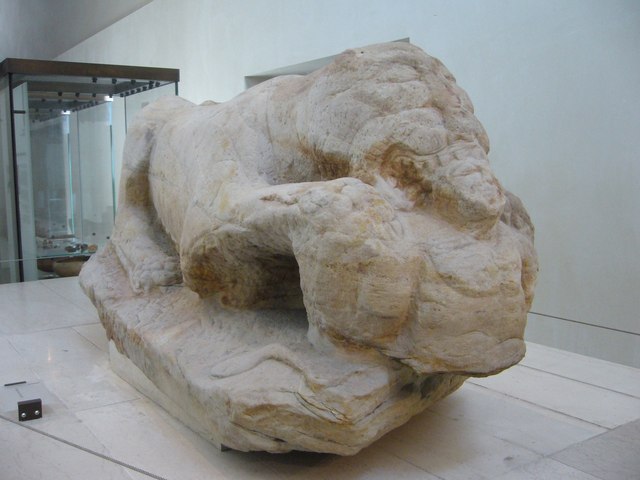
Photo: kim traynor / Wikimedia Commons / CC BY-SA 2.0 Cramond Lioness
The famous sculpture was recovered from the mouth of the River Almond in 1997.
Discovery & excavation
Finds include altars, inscriptions, a centurial stone of Legio II Augusta, a silver sword pendant and the Cramond Lioness, probably from a large tomb monument.
Finds now held at: Cramond Roman Fort; River Almond mouth; Cramond House grounds.
What to look for
-
Laid-out fort plan
The headquarters building, granaries, workshop and other structures are restored in outline.
-
River-harbour setting
The fort's position is tied to the Almond and the Forth.
-
Cramond Lioness story
The sculpture is one of the site's best-known discoveries.
Plan your visit
- Location
- 55.9774°N · 3.2967°W
- Access
- Open access
- Terrain
- Easy going
Opening & admission
No admission arrangement is stated in the source.
- Part of the fort ground plan is laid out in open parkland.
- Information panels explain the excavations and Roman buildings.
Nearby places
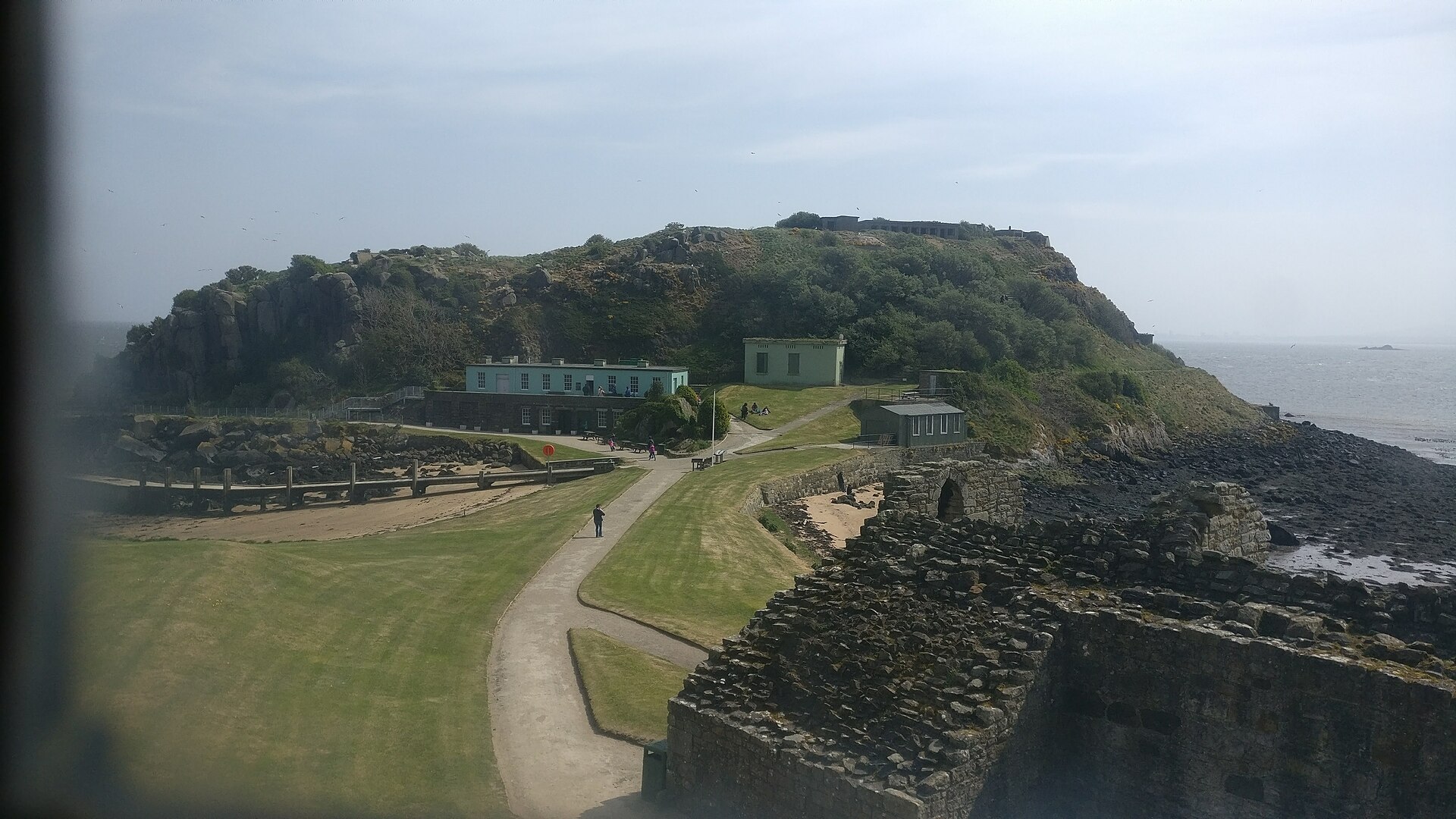
Sacred place · Medieval
Inchcolm Abbey
Fife
It preserves the most complete surviving remains of any Scottish monastic house, on an island long tied to the early Scottish crown.
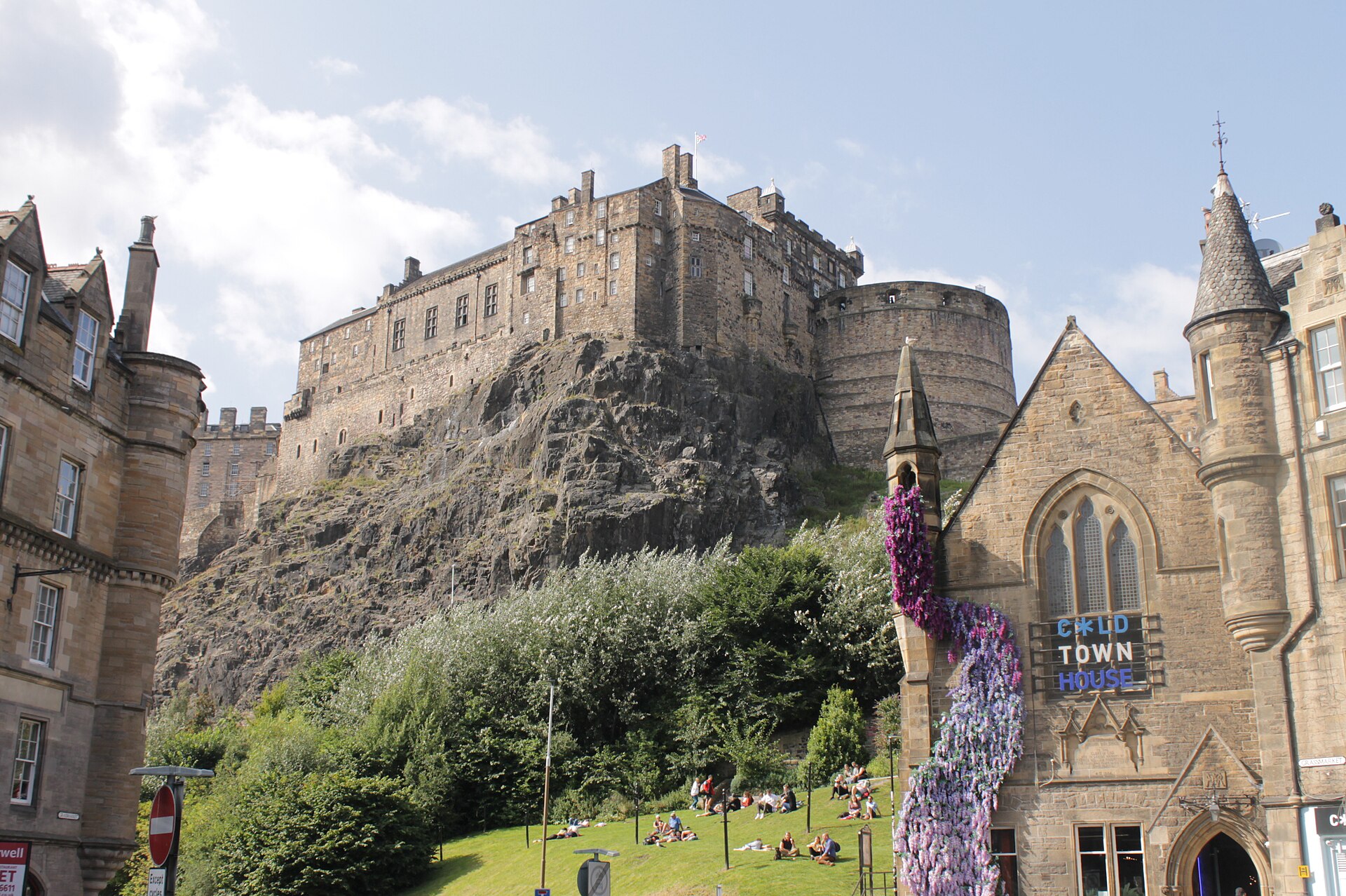
Fortified place · Medieval
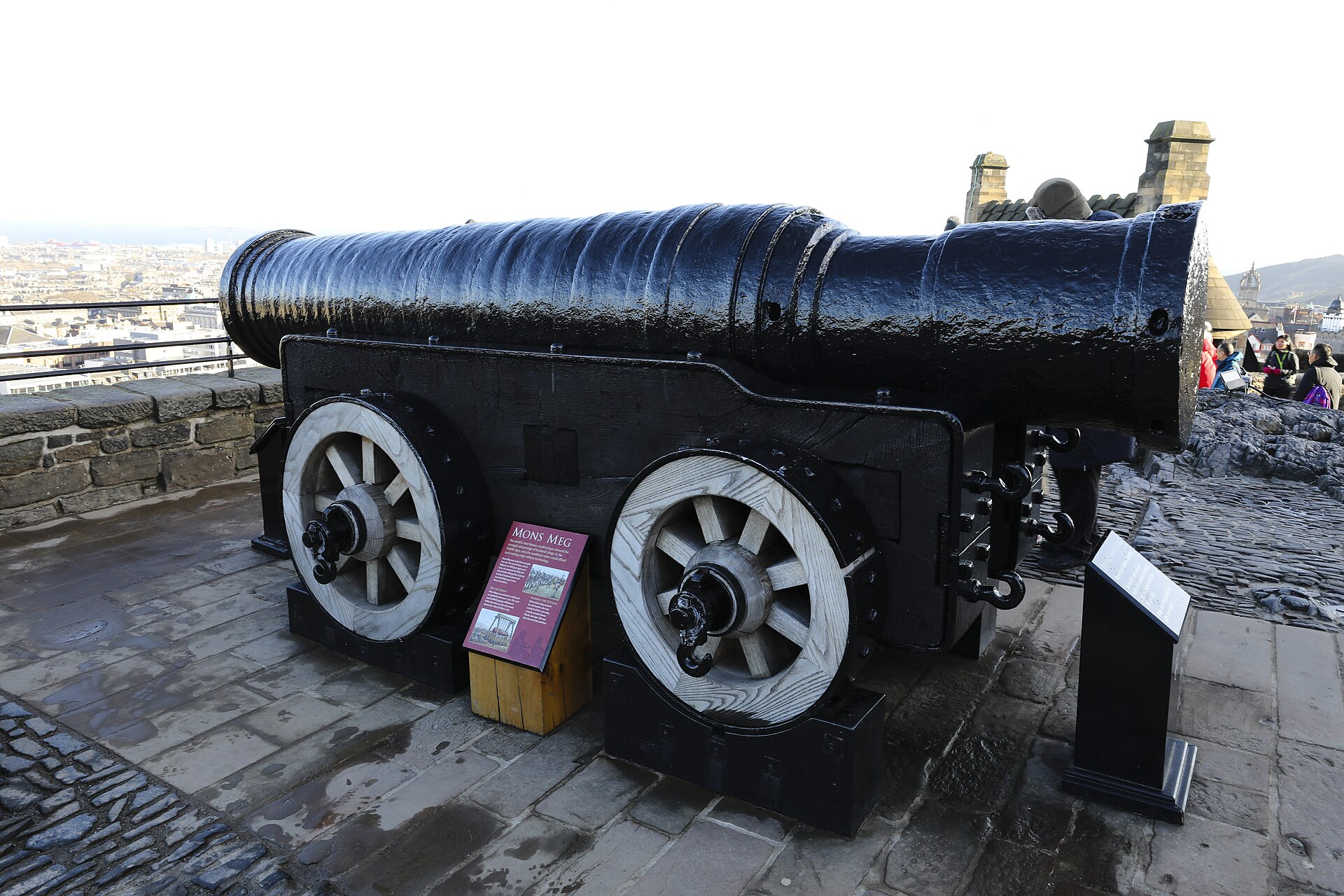
Edinburgh Castle
City of Edinburgh
One of Scotland's most important strongholds and a seat of royal power for centuries, Edinburgh Castle claims to be the most besieged place in Grea…
- Some walking
Questions people ask
- What was Cramond Roman Fort?
- It was a Roman fort at Cramond, Edinburgh, occupied in the Antonine and Severan periods.
- When was the fort occupied?
- It was occupied from around AD 140 to 170, and again around AD 208 to 214.
- What is the Cramond Lioness?
- It is a Roman sculpture of a lioness devouring prey, probably from a large tomb monument.
- Can remains be seen today?
- Yes. The ground plan of part of the fort is laid out in open parkland with information panels.
- Was there earlier activity at Cramond?
- Yes. Mesolithic stone tools were recovered, showing much earlier activity on or near the fort site.
Sources
Explore more: Fortified places · Roman · City of Edinburgh
The Ancient Codex, in your pocket
Get the Pocket Codex app
Carry the directory with you — Cramond Roman Fort and thousands of ancient places across Britain and Ireland, offline, wherever you roam.