
It preserves the most complete surviving remains of any Scottish monastic house, on an island long tied to the early Scottish crown.
Inchcolm Abbey stands on the island of Inchcolm in the Firth of Forth, off the coast of Fife. It was founded for Augustinian canons under the Diocese of Dunkeld, with David I of Scotland and Gregoir, Bishop of Dunkeld, among those associated with its establishment in the mid-twelfth century. A house began here as a priory and was raised to abbey status in 1235. Tradition links the site to King Alexander I, said to have sheltered on the island during a storm in 1123. Because of its exposed position in the Forth, the abbey suffered repeated English raids from the late thirteenth century onward. Monastic life was abandoned around 1560 during the Reformation, and in 1581 stone was removed from the buildings for use at the Edinburgh Tolbooth. The site is notable for preserving the most complete surviving remains of any Scottish monastic house: the cloister, chapter house, warming house and refectory all survive in good order, though the church itself is the least well preserved. The fifteenth-century chronicler Walter Bower served as abbot here. Today the ruins are cared for by Historic Environment Scotland and reached by ferry from South Queensferry.
What follows is drawn from published sources, with each claim labelled by how firmly it is established.
What to look for
-
The remarkably intact cloister ranges — chapter house, warming house and refectory
-
The monastic church, the least well-preserved part of the complex
-
Its island setting in the Firth of Forth, reached by ferry from South Queensferry
-
Traditional association with King Alexander I, said to have sheltered here in 1123
-
Link to the chronicler Walter Bower, a fifteenth-century abbot of Inchcolm
Plan your visit
- Location
- 56.0300°N · 3.3017°W
Nearby places
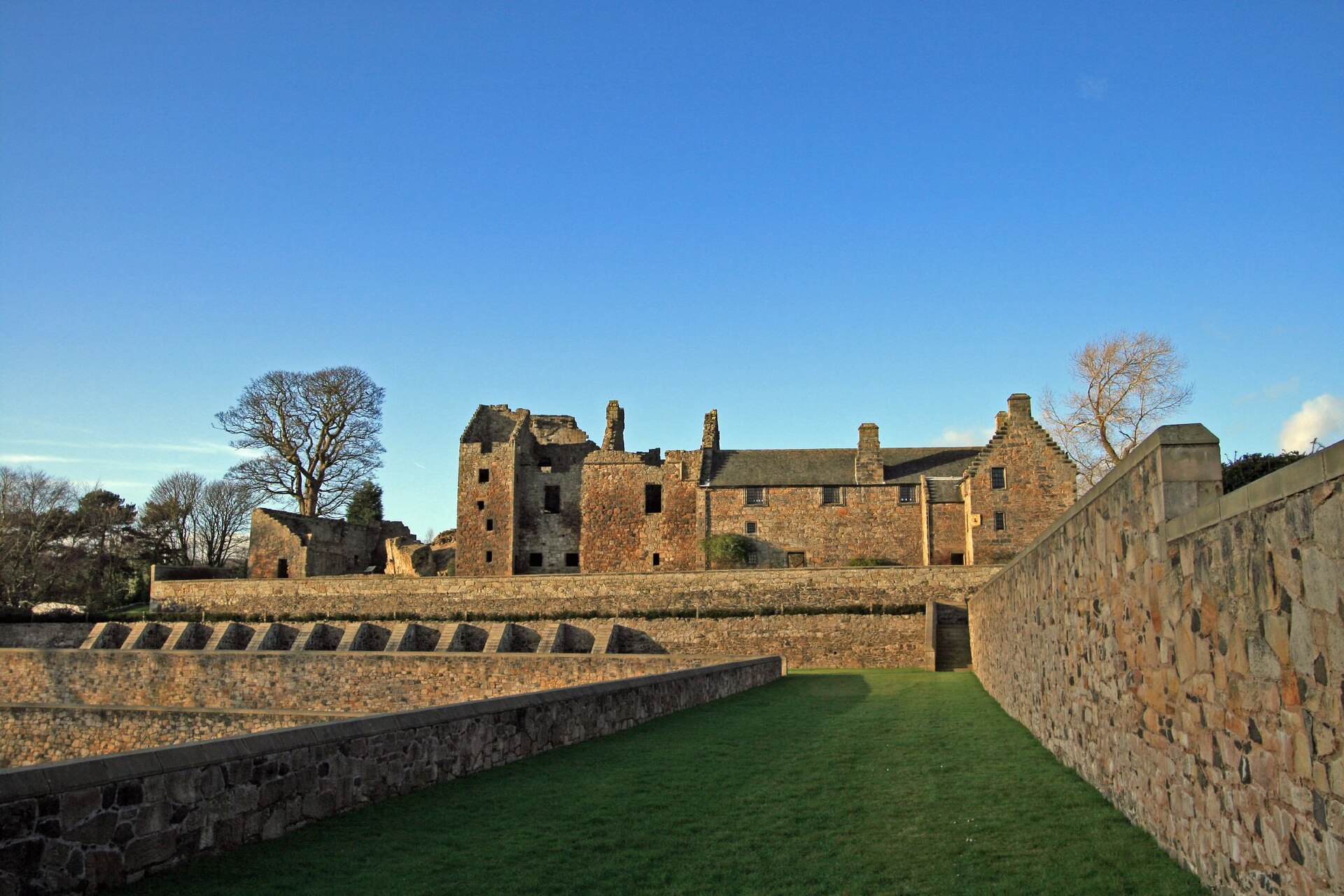
Fortified place · Medieval
Aberdour Castle and Gardens
Fife
One of the two oldest datable standing castles in Scotland (alongside Castle Sween), expanded over ~400 years from a c.1200 hall house to a Renaiss…
- Near Aberdour
- 46 metres from car park
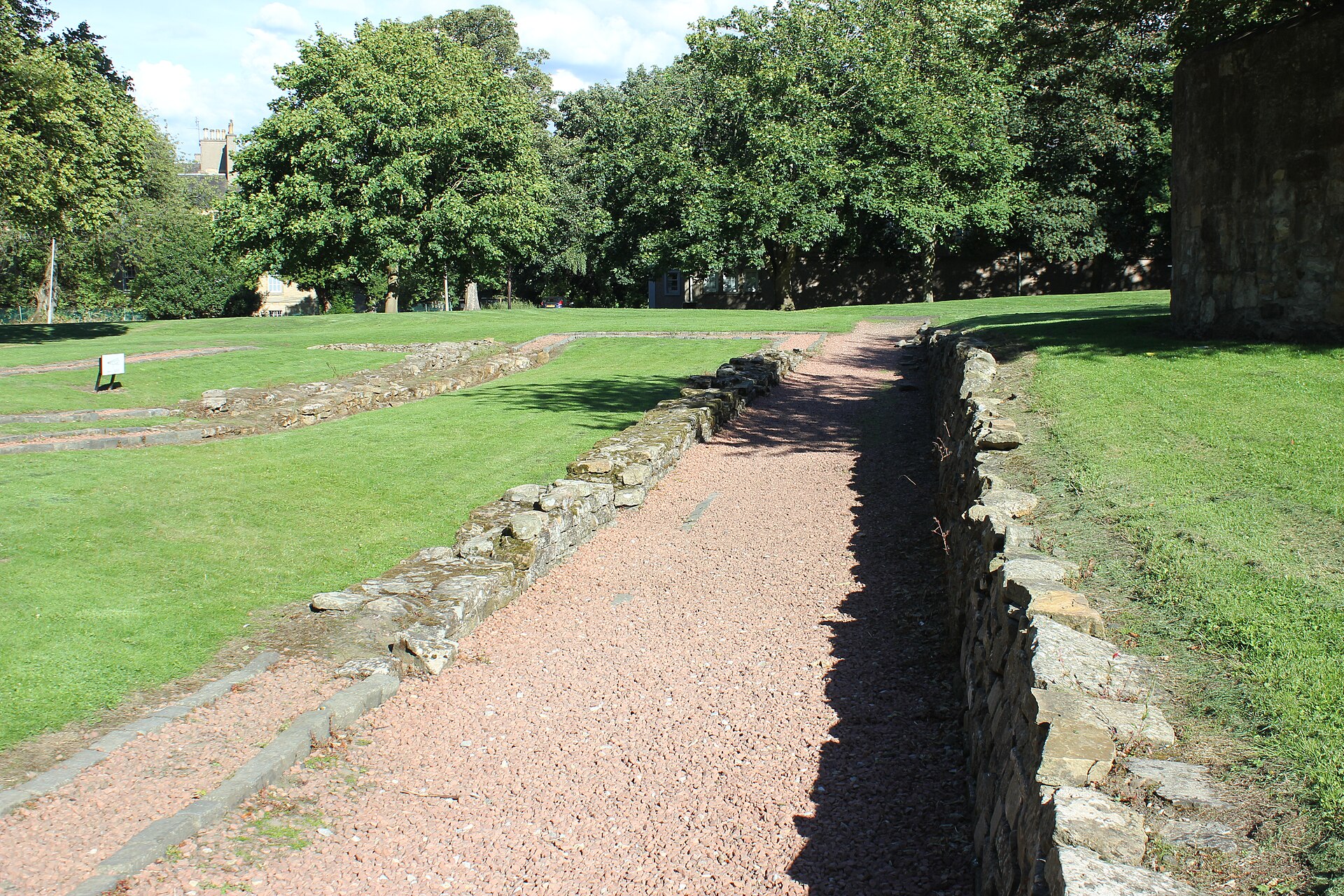
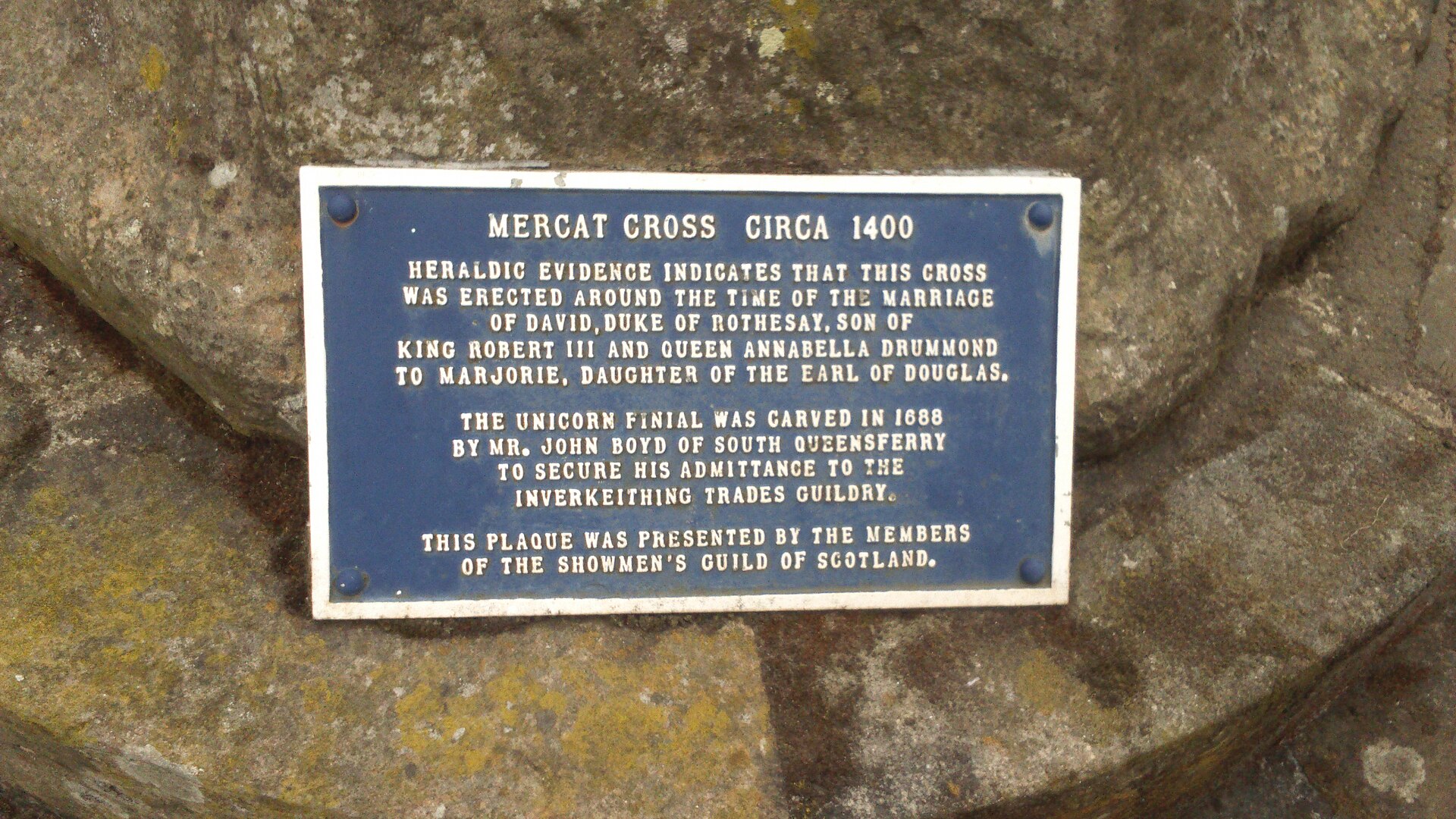
Minor monument · Medieval
Market Cross, Bank Street, Inverkeithing
Fife
Mercat cross with HES-listed pre-1800 evidence (1688).
- Easy path
The Ancient Codex, in your pocket
Get the Pocket Codex app
Carry the directory with you — Inchcolm Abbey and thousands of ancient places across Britain and Ireland, offline, wherever you roam.