
One of the two oldest datable standing castles in Scotland (alongside Castle Sween), expanded over ~400 years from a c.1200 hall house to a Renaissance courtyard residence before its 18th-century…
Aberdour Castle and Gardens is a fortified place near Aberdour, Fife, Scotland.
What follows is drawn from published sources, with each claim labelled by how firmly it is established.
The name
Aberdour means the 'mouth of the Dour' — the castle sits above the Dour Burn at Easter Aberdour. 'Aber-' is the same Pictish/Brittonic confluence element seen across eastern Scotland.
History
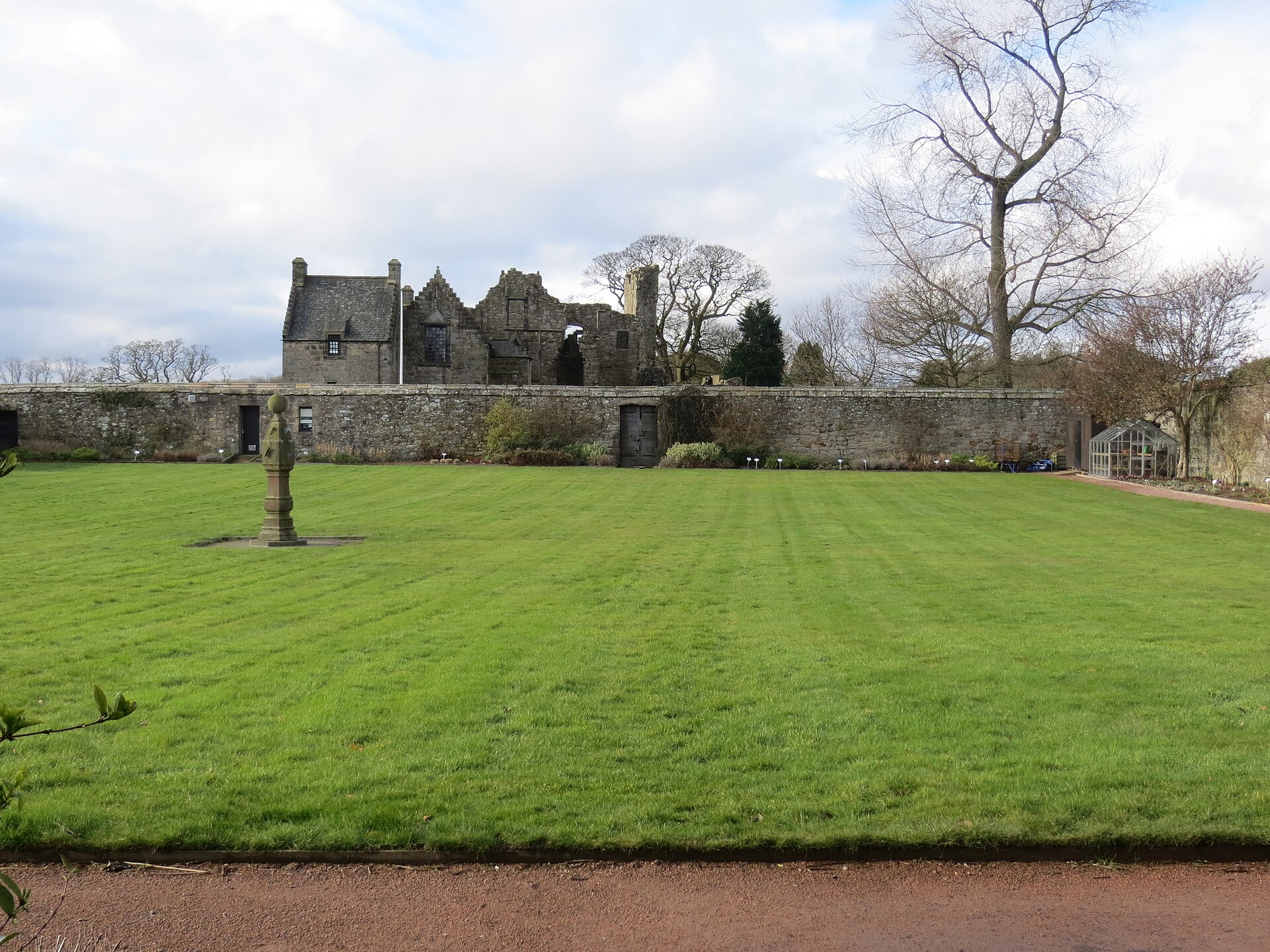
One of the two oldest datable standing castles in Scotland (alongside Castle Sween), expanded over ~400 years from a c.1200 hall house to a Renaissance courtyard residence before its 18th-century decline.
The Privy Council met here in 1576 during the regency of the 4th Earl of Morton; government troops were stationed at the castle during the 1715 Jacobite Rising, when a fire hastened its abandonment.
People
-
Sir Alan de Mortimer
Acquired the barony in 1126 and built adjacent St Fillan's Church c.1140; his family likely built the original hall house
-
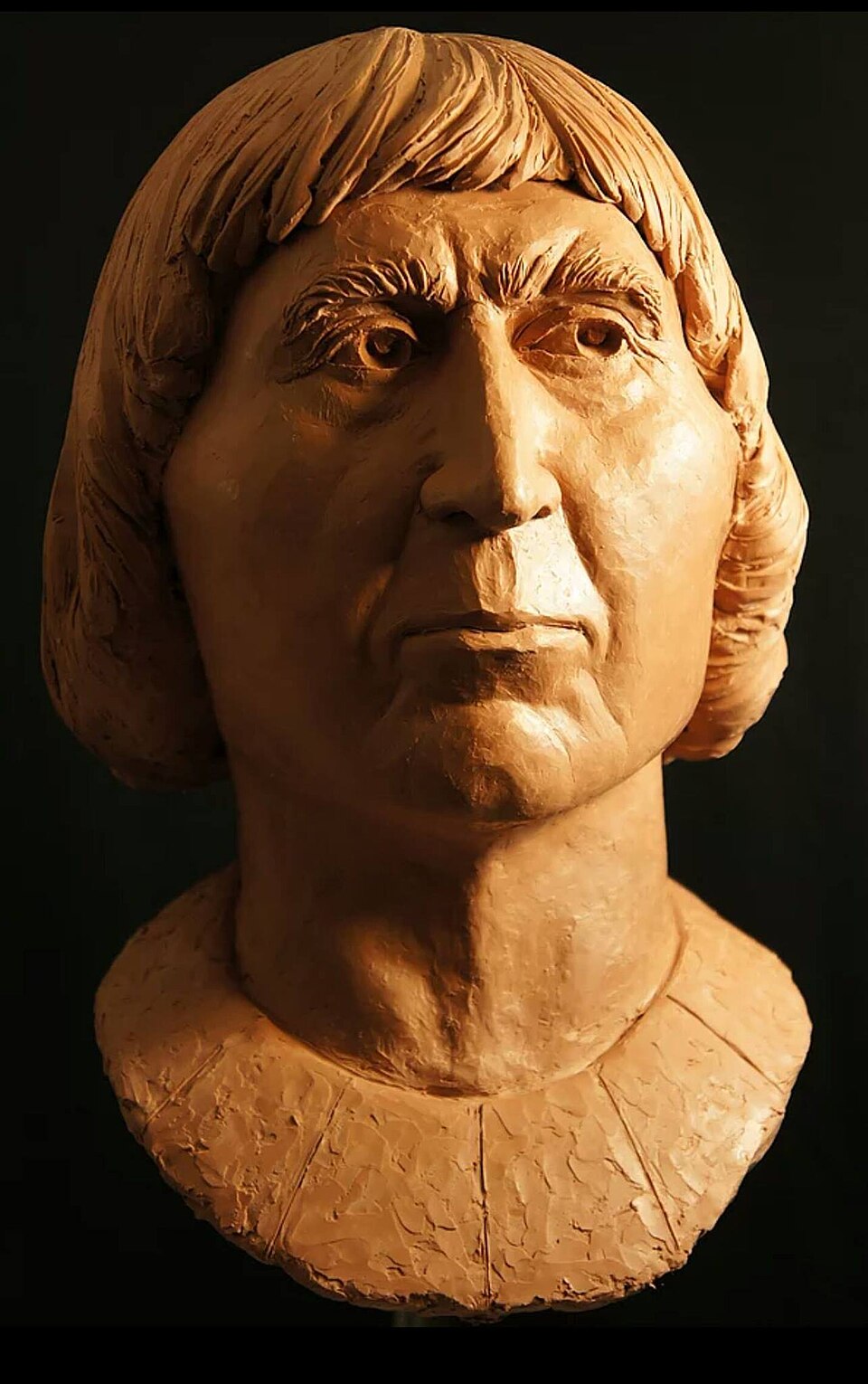
Portrait: S.A.Farabi / Wikimedia Commons / CC BY-SA 4.0 Robert the Bruce
Granted Aberdour to his kinsman Thomas Randolph, Earl of Moray, in the early 14th century
-
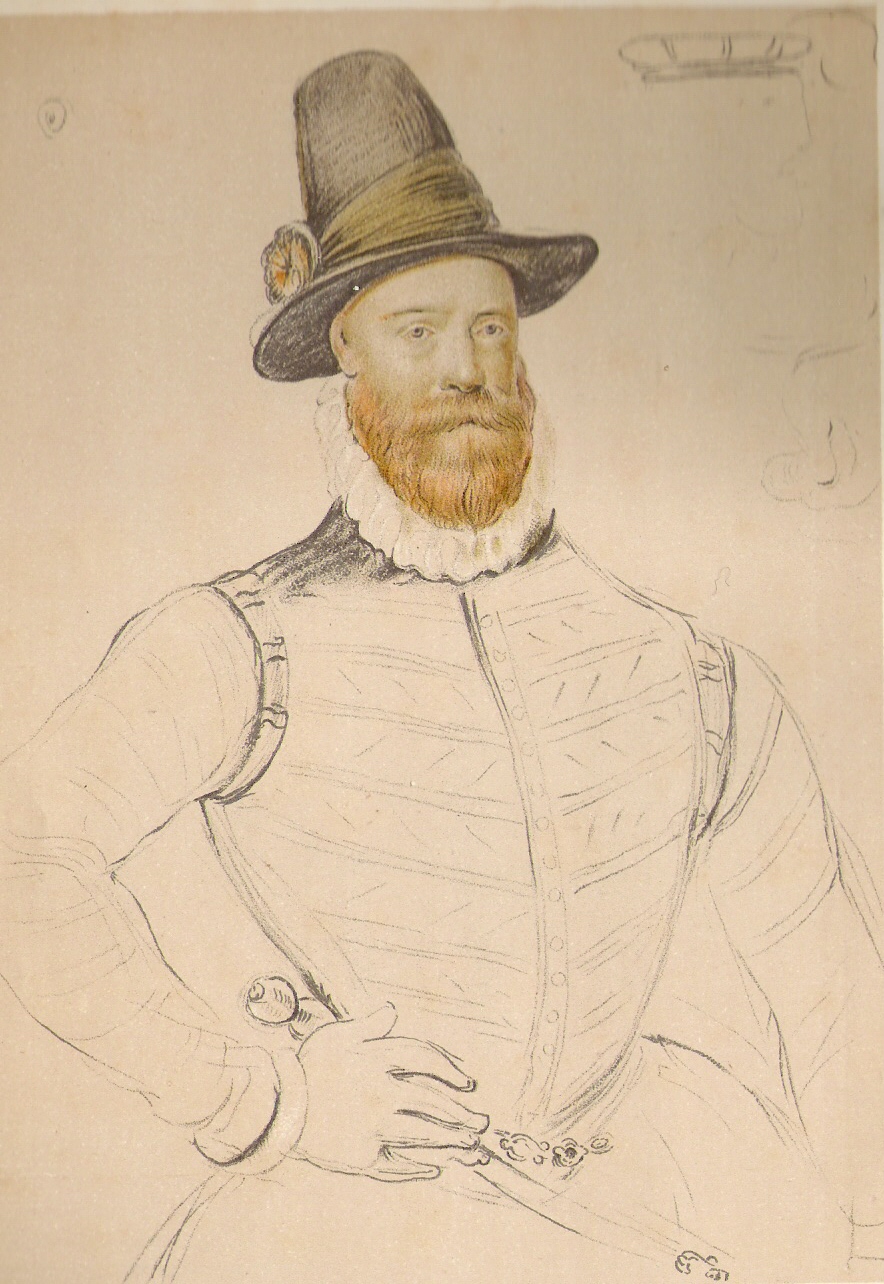
Portrait: Arnold Bronckorst / Wikimedia Commons / Public domain James Douglas, 4th Earl of Morton
Regent of Scotland for James VI; built the terraced gardens and central range; executed 1581 for involvement in the Darnley murder
-
James VI and Anne of Denmark
Stayed five days at Aberdour in December 1590
-
Douglas Earls of Morton
Held Aberdour from the 14th century; the castle is largely their creation
Cultural influences
-
Medieval feudal Scotland (the Mortimer, Randolph and Douglas baronies) gives way to Renaissance taste — the c.1635 east wing and terraced gardens drew on English models such as Hampton Court.
-
Reformation-era court politics: the castle was at the centre of Morton's regency and the turbulent reign of Mary, Queen of Scots.
Connections
-
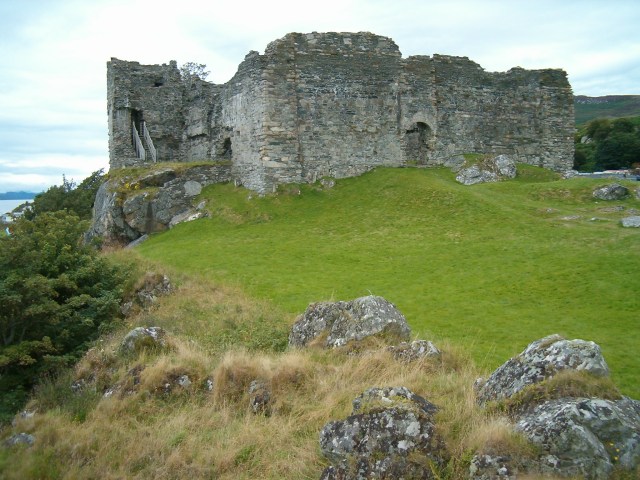
Photo: Patrick Mackie / Wikimedia Commons / CC BY-SA 2.0 Castle Sween (Argyll)
The other contender for oldest datable standing castle in Scotland (also c.1200)
-
St Fillan's Church
12th-century church immediately adjacent, built by the same founding family
-
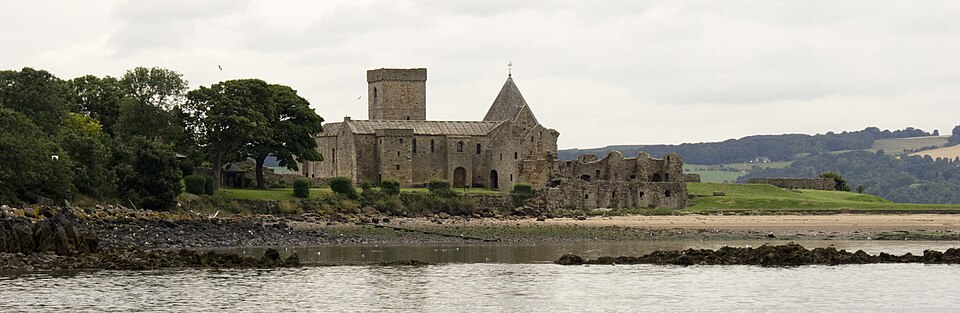
Photo: Rianess / Wikimedia Commons / CC BY-SA 3.0 Inchcolm Abbey
The de Mortimers granted it land in 1216; visible across the Forth
-
Dalkeith House
The Mortons' primary seat until sold in 1642, after which Aberdour became their principal residence
Discovery & excavation
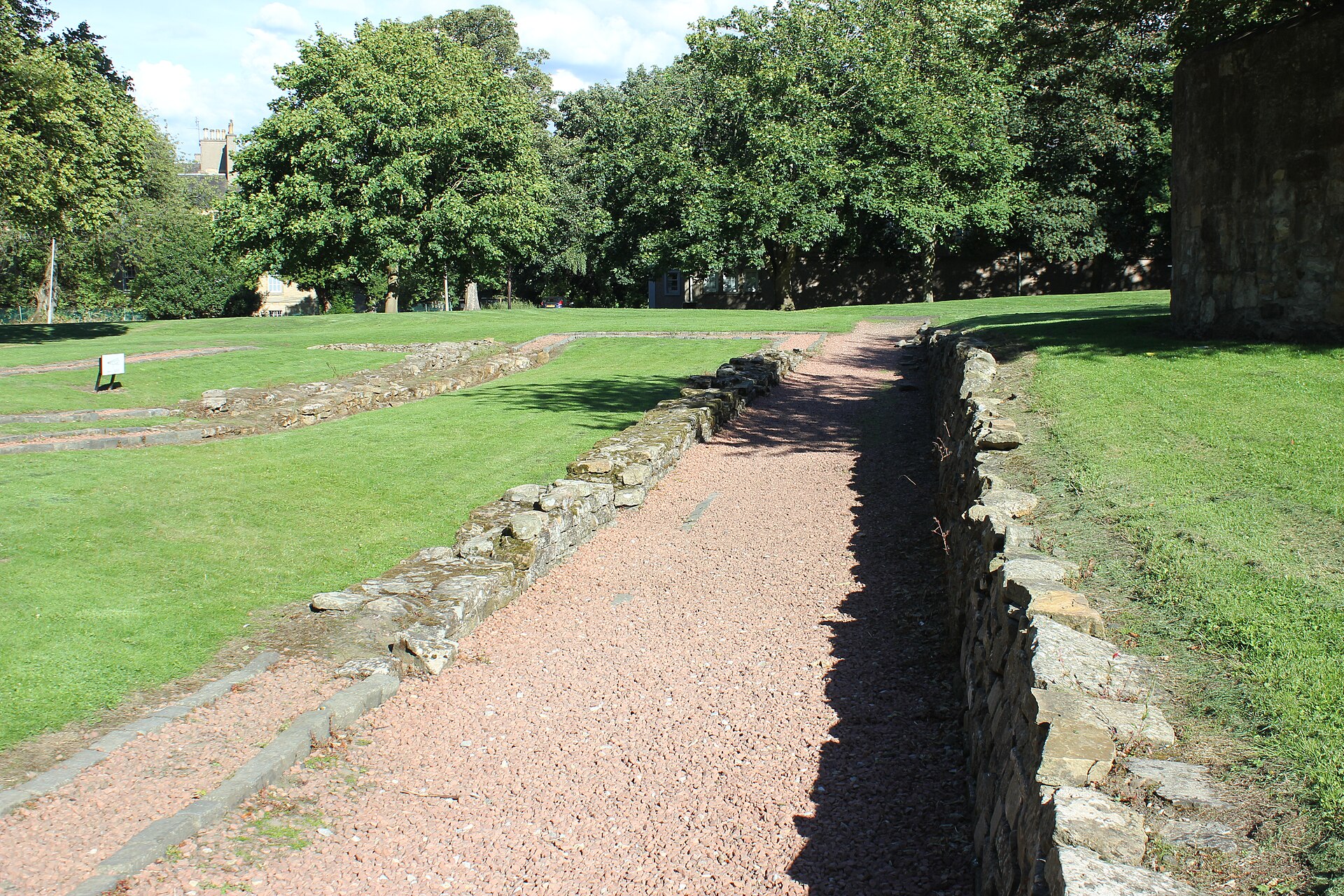
The full extent of the terraced gardens was rediscovered through archaeological investigation between 1977 and 1980, after parts had been used as a market garden; the retaining walls were rebuilt in 1981.
In culture
-
Used for Sainte Anne de Beaupre's monastery in Outlander.
What to look for
-
The 16th-century 'beehive' doocot (pigeon house) with around 600 nesting boxes.
-
The terraced gardens — among the oldest in Scotland — with views across the Firth of Forth to Edinburgh.
-
The 17th-century painted ceiling in the east-range first-floor chamber.
-
The walled-garden west door (dated 1632) carved with the Douglas heart emblem.
Plan your visit
- Location
- 56.0552°N · 3.2983°W
- Nearest settlement
- Aberdour
- Access
- Paid entry — managed visitor site
- Parking
- Parking available nearby — see the official getting-here page.
- Start point
- Aberdour, Fife, KY3 0SL · National Grid reference: NT 192 854 · Telephone: 01383 860 519 · [](https://www.goodjourney.org.uk/attractions/aberdour-castle/) · Let us know if you spot one of our sites in the wrong location by emailing [email protected]
- Best time
- Open year-round; the terraced gardens are at their best in late spring and summer.
- What survives
- Only the 17th-century east wing remains roofed; the medieval tower has largely collapsed (major falls in 1844 and 1919). The gardens, doocot and walled garden survive well.
- Start point
- Aberdour Castle visitor centre car park — Small car park beside the HES visitor centre (call ahead for availability); additional parking at Aberdour railway station, a 5-minute walk.
- Sat-nav
- KY3 0SL
Nearby places
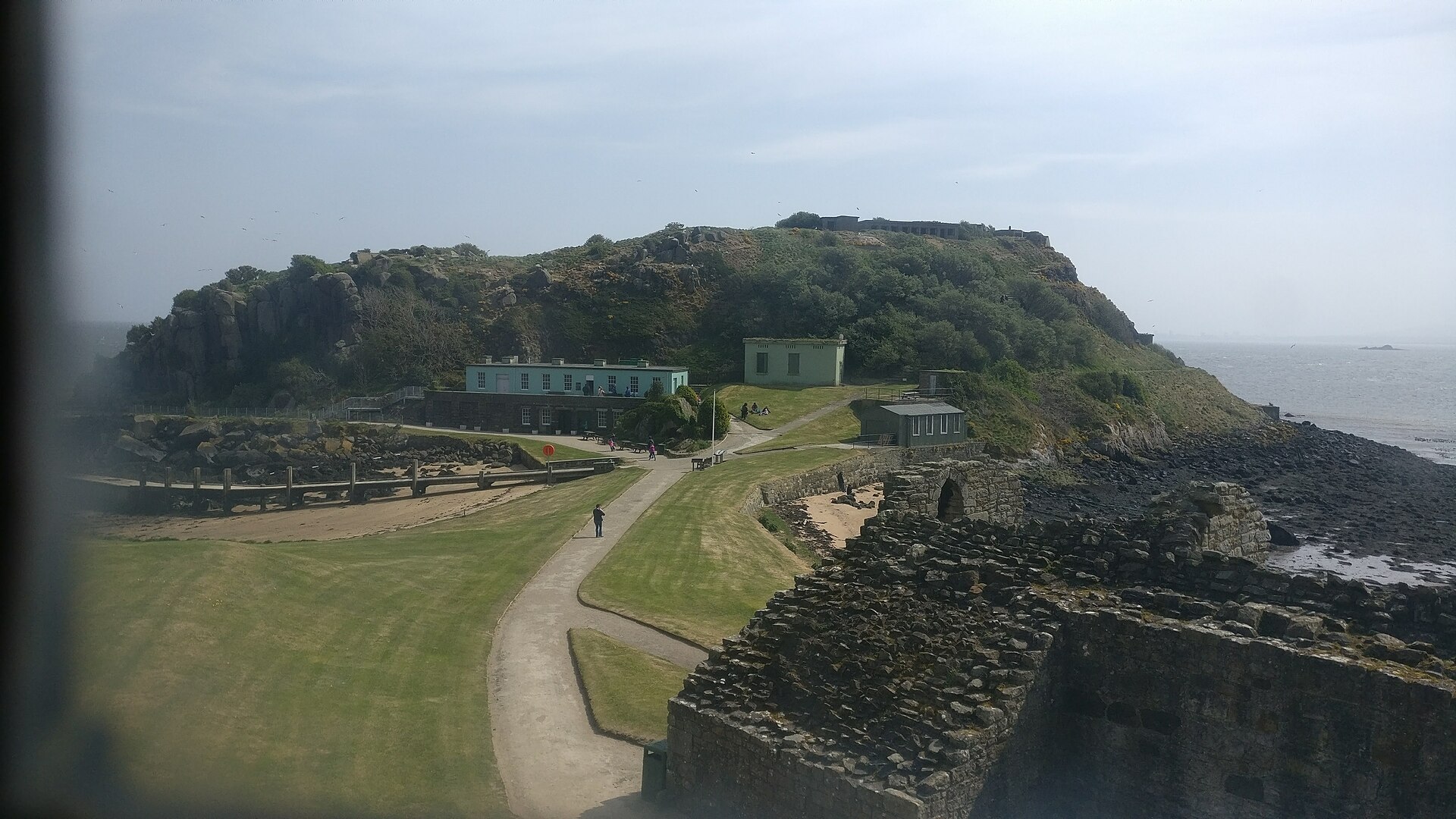
Sacred place · Medieval
Inchcolm Abbey
Fife
It preserves the most complete surviving remains of any Scottish monastic house, on an island long tied to the early Scottish crown.
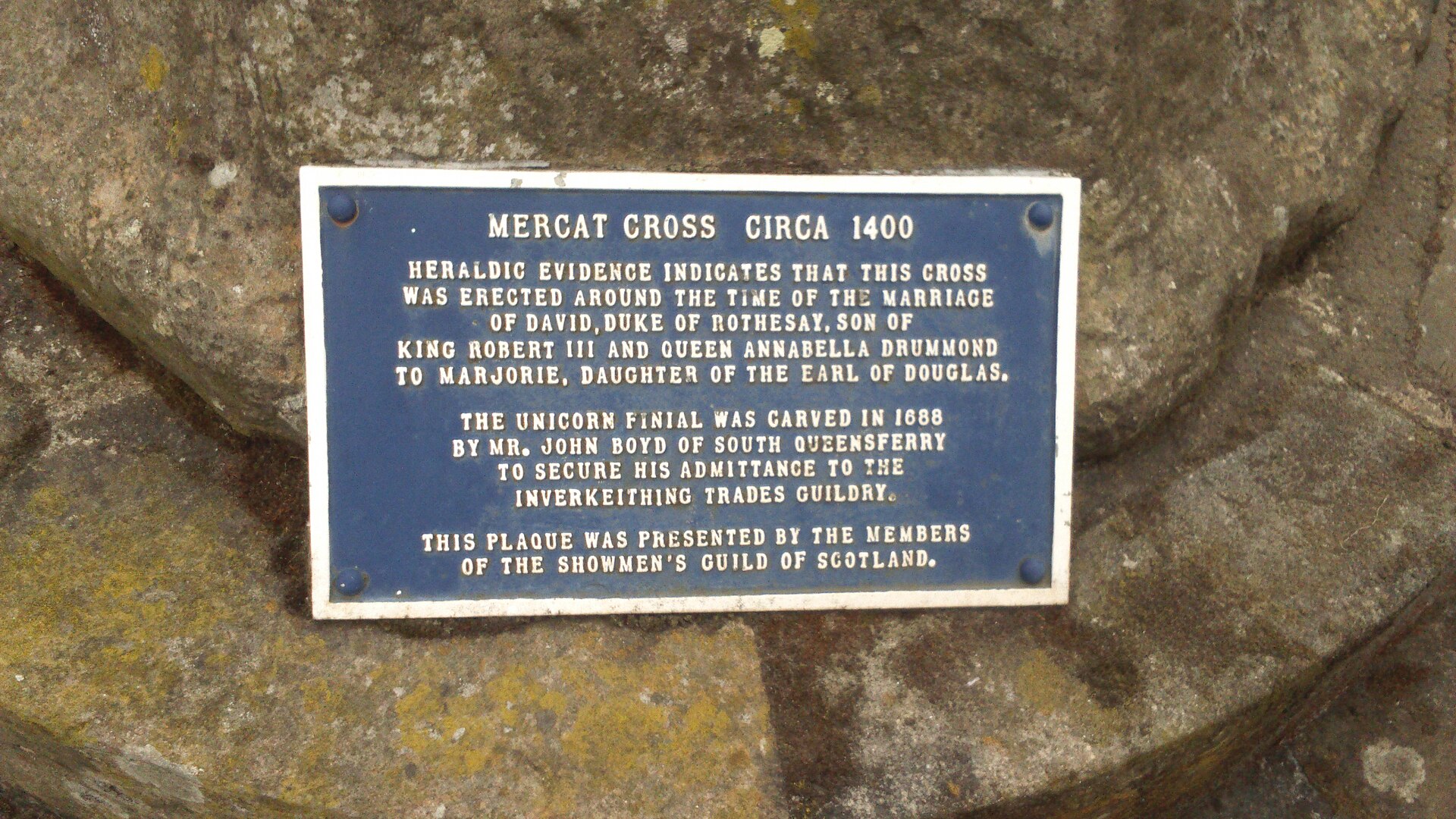
Minor monument · Medieval
Market Cross, Bank Street, Inverkeithing
Fife
Mercat cross with HES-listed pre-1800 evidence (1688).
- Easy path
Sources
- Canmore site record 50844 (accessed 2026-06-13)
- Trove (HES) record (accessed 2026-06-13)
- Wikipedia: Aberdour Castle (accessed 2026-06-13)
- Wikidata Q2145629 (accessed 2026-06-13)
Explore more: Fortified places · Medieval · Fife
The Ancient Codex, in your pocket
Get the Pocket Codex app
Carry the directory with you — Aberdour Castle and Gardens and thousands of ancient places across Britain and Ireland, offline, wherever you roam.