
A weathered standing stone inside Edinburgh Airport’s perimeter carries one of the area’s most evocative early inscriptions. The Cat Stane is an inscribed standing stone, a prehistoric upright later carved with text, and part of a funerary complex of cairn and cist (a stone-lined burial box) burials.
What follows is drawn from published sources, with each claim labelled by how firmly it is established.
History
The stone appears to have been erected in the Bronze Age, with the Latin inscription added in the fifth or sixth century AD.
The inscription is fragmentary and is interpreted as a dedication to Vetta, daughter of Victoricus, whose remains were buried near the stone.
In the fifth or sixth century the area around modern Edinburgh was controlled by the Votadini or Gododdin.
Edward Lhuyd made the earliest description in 1699, recording the stone on flat paving around a low oval cairn.
Excavations in 1860, 1864 and 1977 showed that the stone was surrounded by cists, stone-lined graves.
RCAHMS interprets the site as a Bronze Age monument reused for burials in the fifth or sixth centuries.
The Cat Stane is now within Edinburgh Airport's perimeter and is not accessible to the general public.
People
-
Vetta
The woman named in the interpreted Latin inscription.
-
Victoricus
Named in the inscription as Vetta's father.
-
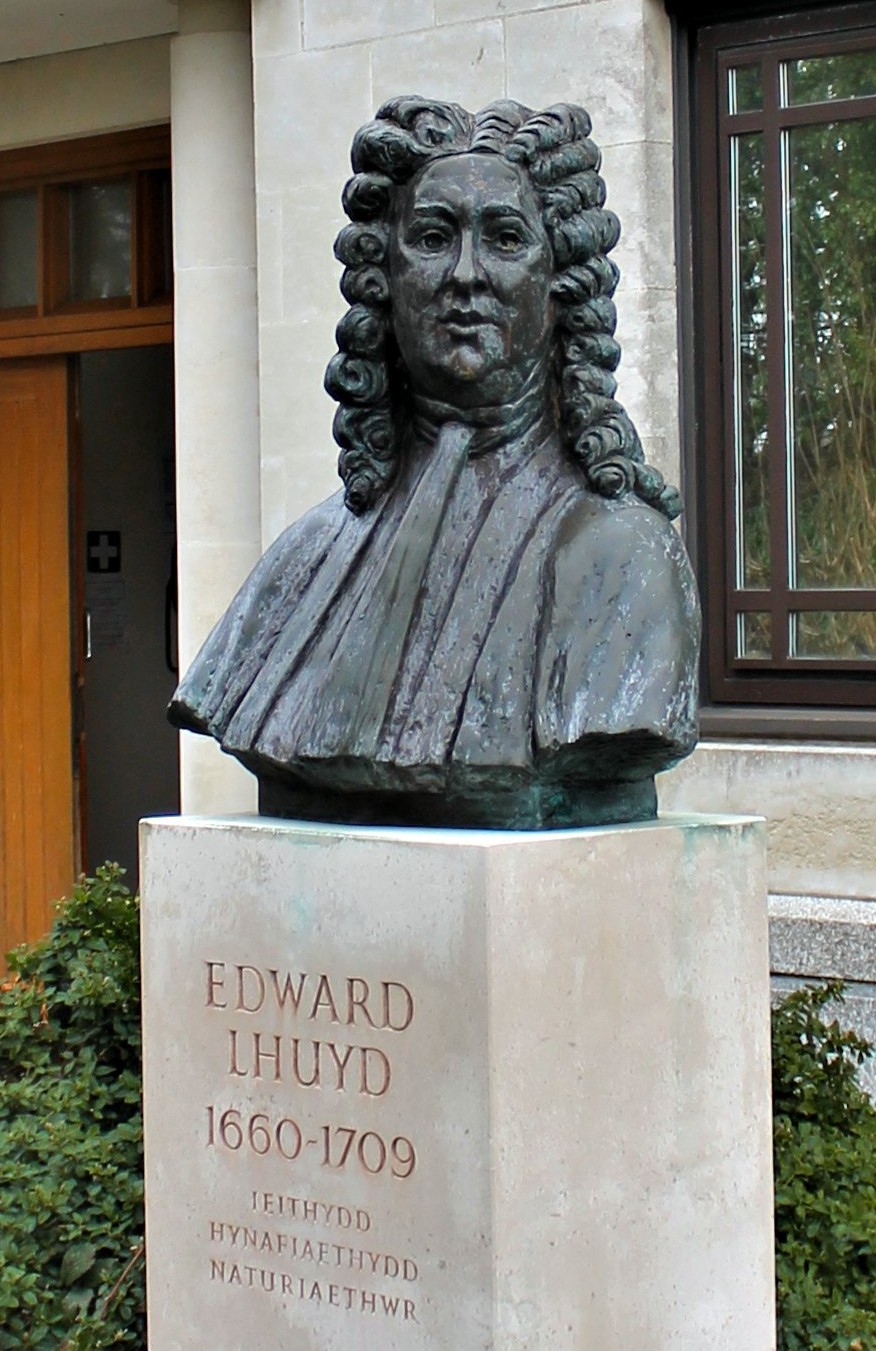
Portrait: Llywelyn2000 / Wikimedia Commons / CC BY-SA 4.0 Edward Lhuyd
Recorded the earliest known description of the stone in 1699.
Connections
-
Edinburgh Airport
The stone now lies within the airport perimeter.
-
Gogar Burn and River Almond
Their confluence lies nearby.
-
RCAHMS
Interpreted the inscription and the site's reuse.
Discovery & excavation
Modern excavations established the surrounding funerary context, including cairn evidence and stone-lined cist burials around the standing stone.
Finds now held at: Cat Stane; Edinburgh Airport perimeter.
What to look for
-
Fragmentary Latin inscription
The rough Latin text is incomplete but is read as naming Vetta daughter of Victoricus.
-
Funerary setting
The stone belonged to a wider cairn and cist-burial complex.
-
Airport enclosure
The present setting prevents public access.
Plan your visit
- Location
- 55.9548°N · 3.3645°W
- Access
- Open access
- Terrain
- Easy going
Opening & admission
No public access is stated in the source.
- The stone lies within Edinburgh Airport's perimeter.
- The source says this makes it impossible for the general public to access it.
Nearby places
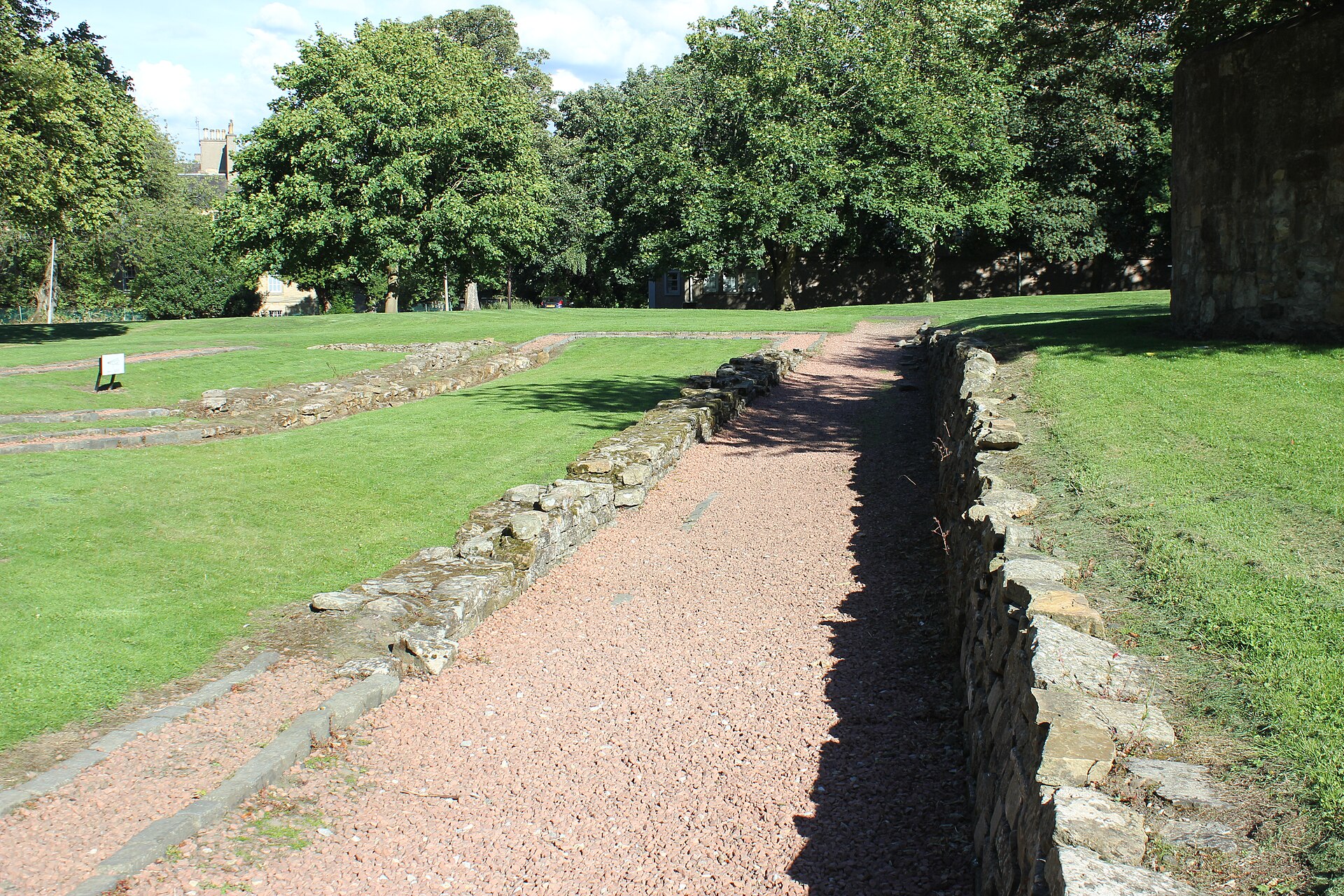
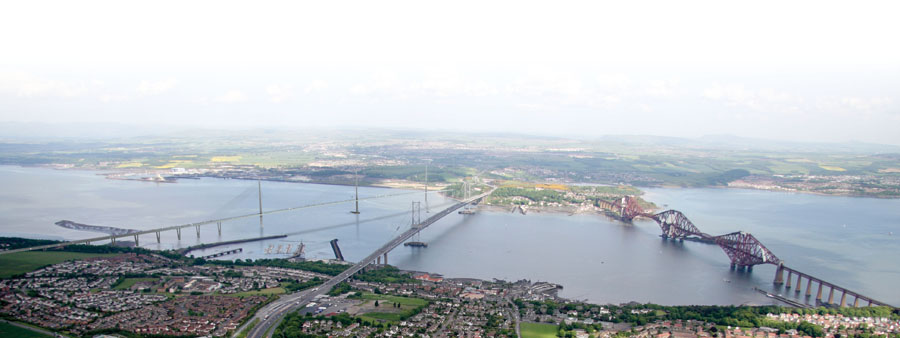
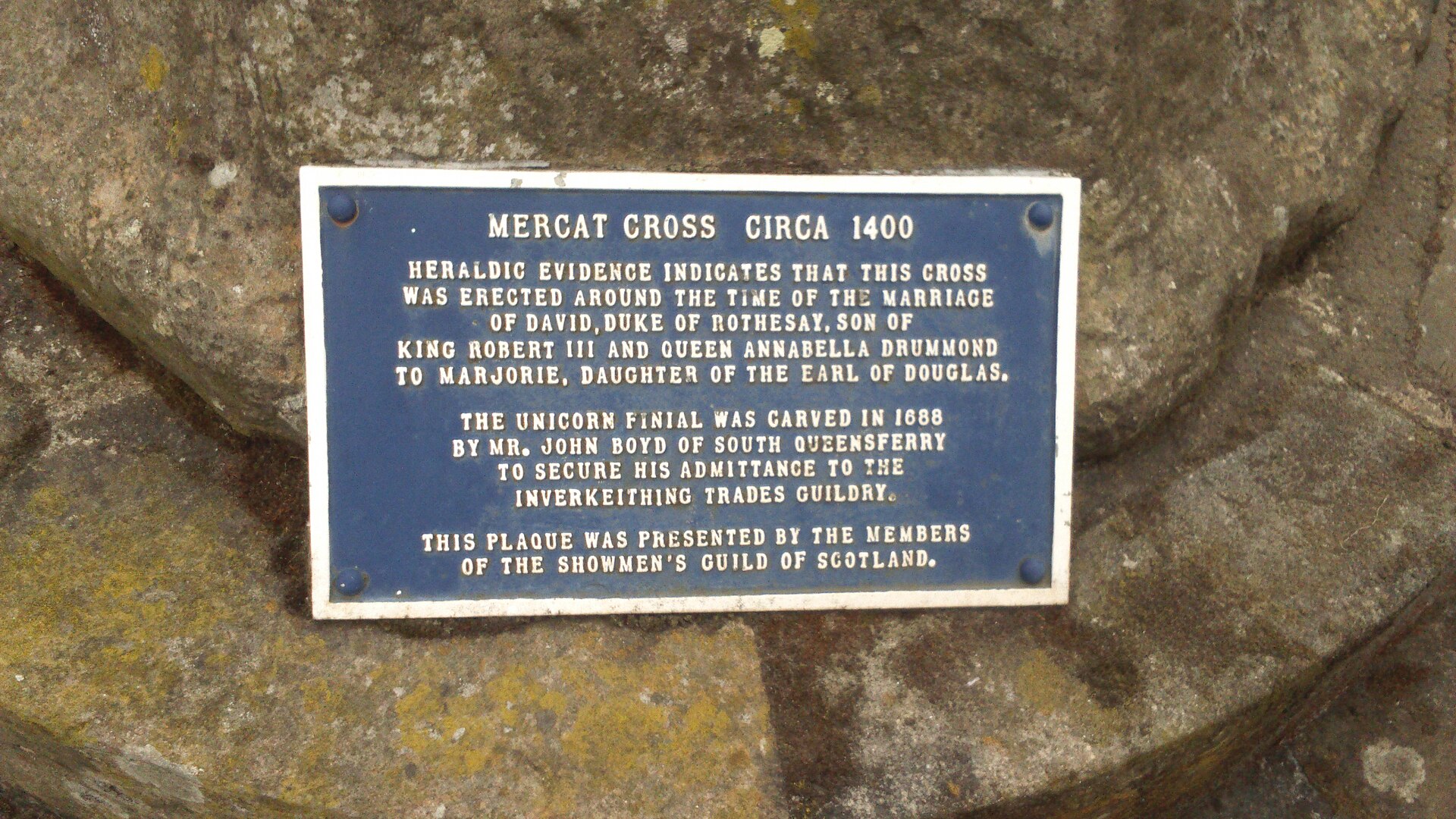
Minor monument · Medieval
Market Cross, Bank Street, Inverkeithing
Fife
Mercat cross with HES-listed pre-1800 evidence (1688).
- Easy path
Sacred place · Medieval
Inchcolm Abbey
Fife
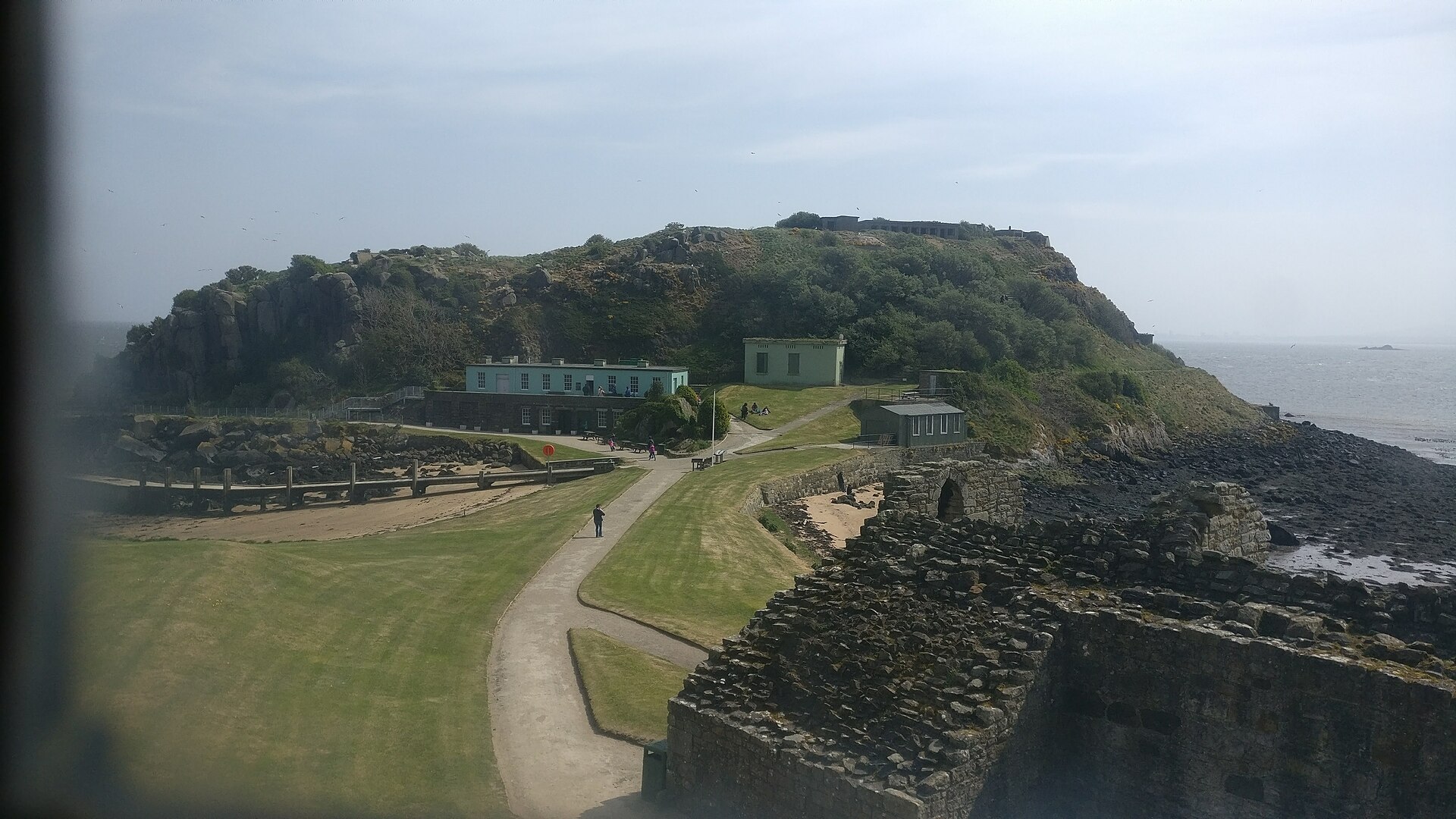
It preserves the most complete surviving remains of any Scottish monastic house, on an island long tied to the early Scottish crown.
Questions people ask
- What is the Cat Stane?
- It is an inscribed standing stone near Kirkliston, now inside Edinburgh Airport's perimeter.
- What does the inscription say?
- RCAHMS interprets it as meaning that Vetta, daughter of Victoricus, lies in the tomb.
- How old is the Cat Stane?
- The stone appears Bronze Age, while the inscription dates to the fifth or sixth century AD.
- Can the public visit the Cat Stane?
- No. The source says it lies within Edinburgh Airport's perimeter, making public access impossible.
- What burials were found nearby?
- Excavations found a series of cists, which are stone-lined graves, around the stone.
Sources
Explore more: Tomb or burial places · Prehistoric · City of Edinburgh
The Ancient Codex, in your pocket
Get the Pocket Codex app
Carry the directory with you — Cat Stane and thousands of ancient places across Britain and Ireland, offline, wherever you roam.