
One of Scotland's most important strongholds and a seat of royal power for centuries, Edinburgh Castle claims to be the most besieged place in Great Britain and has become the defining symbol of the capital.
Edinburgh Castle crowns Castle Rock, the plug of an extinct volcano whose sheer cliffs rise some 80 metres above the surrounding city and leave only an easy approach from the east. Humans have occupied the rock since at least the Iron Age, and a royal castle has stood here since the reign of Malcolm III in the eleventh century. It served in turn as royal residence, arsenal, treasury, national archive, mint, prison and the home of the Honours of Scotland, and remained a royal home until 1633 before becoming a working garrison fortress. Research in 2014 counted 26 sieges across its 1,100-year history, a claim to being the most besieged place in Great Britain. In the care of Historic Environment Scotland, it is the country’s most popular paid attraction, drew 2,044,963 visitors in 2025, and as the backdrop to the annual Military Tattoo has become a symbol of Edinburgh and of Scotland.
What follows is drawn from published sources, with each claim labelled by how firmly it is established.
The name
The Gaelic name Caisteal Dhùn Èideann echoes the early Brittonic Din Eidyn, 'the stronghold of Eidyn', recorded around 600 AD in the Welsh poem Y Gododdin. Ptolemy's second-century map may record the rock as 'Alauna', meaning 'rock place'. Through the Middle Ages the castle was also called the Castle of Maidens (Latin Castellum Puellarum), a name appearing in the charters of David I whose origin was never established.
History
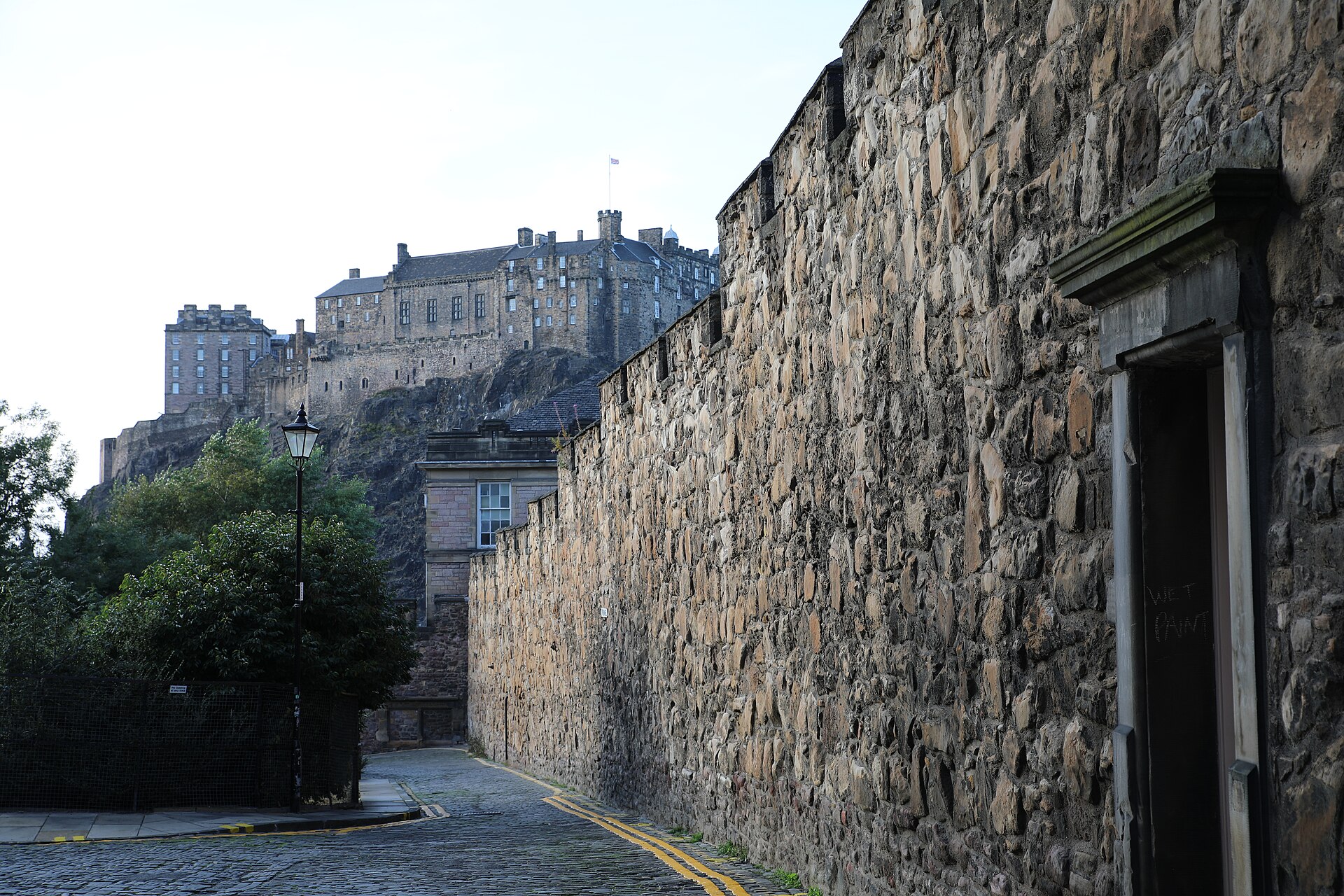
Excavation in the early 1990s uncovered evidence of settlement in the late Bronze Age or early Iron Age, potentially making Castle Rock the longest continuously occupied site in Scotland, and revealed Roman pottery, bronzes and brooches pointing to trade between the local Votadini and Rome from Agricola's campaign around AD 82. Around 600 AD the poem Y Gododdin names Din Eidyn as the stronghold of the Gododdin king Mynyddog Mwynfawr; in 638 'Etin' was besieged and taken by the Angles under Oswald of Northumbria, and the territory passed to Northumbria before Lothian later became part of Scotland.
The first documentary reference to the castle is the account of Malcolm III's death in 1093, when his widow, the future Saint Margaret, was said to be residing here. Under Malcolm and his sons, especially David I, it became one of Scotland's foremost royal centres, and by the end of the twelfth century the main repository of Scotland's official state papers. During the First War of Scottish Independence, Edward I of England took the castle in 1296 after a three-day bombardment. On 14 March 1314 Thomas Randolph, Earl of Moray, led thirty hand-picked men up the north face of the rock in a surprise night attack and retook it; Robert the Bruce then ordered it slighted, and four months later won at Bannockburn.
After the Wars ended with the 1357 Treaty of Berwick, David II rebuilt the castle as his principal seat of government and began David's Tower around 1367. In November 1440 the so-called Black Dinner was held in the tower, after which the sixteen-year-old Earl of Douglas and his brother were summarily executed before the ten-year-old James II. Through the fifteenth and early sixteenth centuries the castle grew into Scotland's principal gun foundry, taking delivery of the great bombard Mons Meg in 1457 and, by 1511, supplanting Stirling as the chief foundry. James IV built the Great Hall, and on 19 June 1566 Mary, Queen of Scots gave birth to the future James VI in a small room of the palace.
During the Lang Siege of 1571 to 1573, Sir William Kirkcaldy of Grange held the castle for the deposed Queen Mary. From 17 May 1573 English guns under Sir William Drury fired around 3,000 shots over twelve days; David's Tower and the Constable's Tower collapsed and the garrison surrendered. Kirkcaldy was hanged in August, and Regent Morton afterwards built the Half Moon Battery over the ruins. After James VI left for the English throne in 1603, the castle's royal role faded; Charles I feasted in the Great Hall before his 1633 coronation, the last reigning monarch to reside there. It became a permanent garrison fortress, changing hands through the civil wars and enduring the 1689 siege and the Jacobite risings of 1715 and 1745, when the last military action took place.
The castle vaults held prisoners of war through the Seven Years' War, the American War of Independence and the Napoleonic Wars, until a mass escape of 49 prisoners through the south wall in 1811 ended that use. In 1818 Sir Walter Scott rediscovered the Honours of Scotland in a sealed Crown Room, and the castle gradually took on its role as a national monument.
People
-
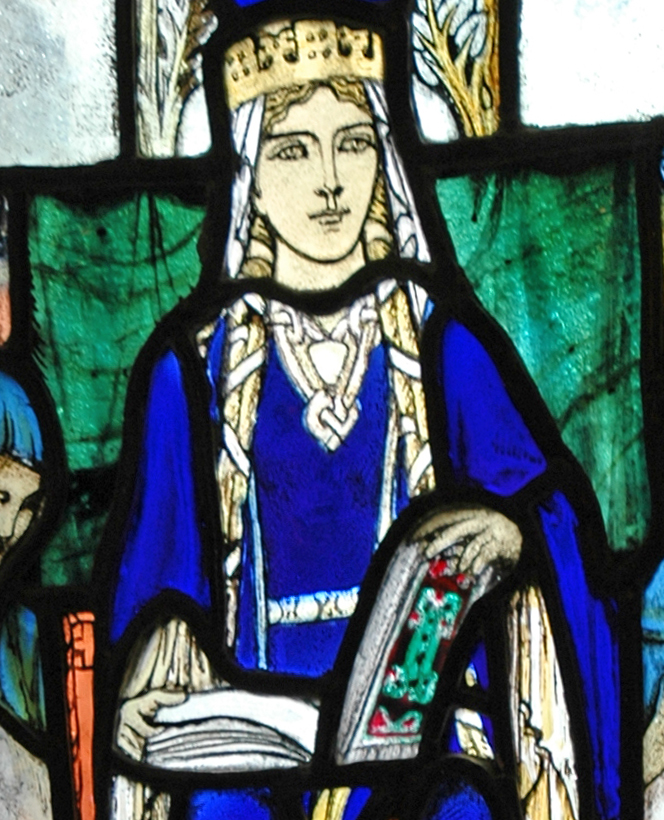
Portrait: Kjetil Bjørnsrud New york / Wikimedia Commons / CC BY 2.5 Saint Margaret (Queen Margaret)
Wife of Malcolm III, said to have been at the castle when told of his death in 1093 and to have died there days later; St Margaret's Chapel is dedicated to her.
-
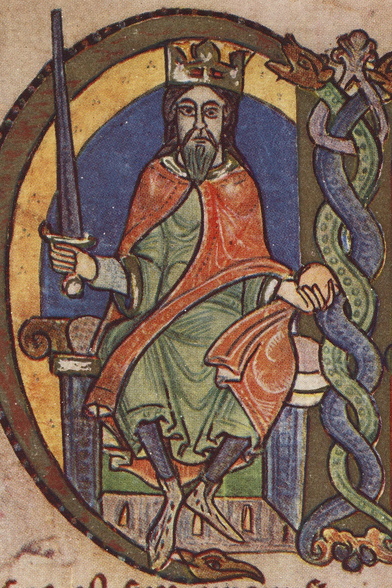
Portrait: Unknown authorUnknown author / Wikimedia Commons / Public domain David I
Developed Edinburgh as a seat of royal power, held an early assembly of nobles and churchmen here, and built St Margaret's Chapel.
-
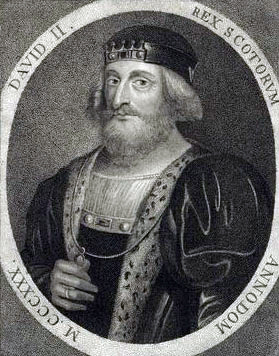
Portrait: Silvester Harding / Edward Harding / Wikimedia Commons / Public domain David II
Rebuilt the castle as his principal seat of government after the Wars of Independence and began David's Tower around 1367.
-
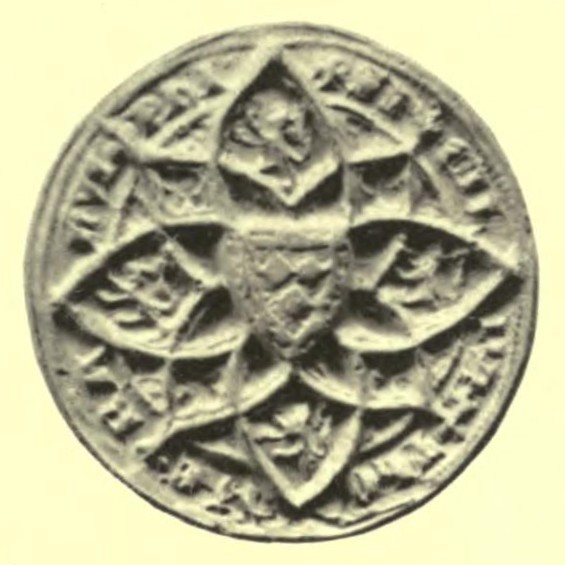
Portrait: Walter de Gray Birch / Wikimedia Commons / Public domain Thomas Randolph, 1st Earl of Moray
Led the celebrated night attack of 14 March 1314 that scaled the north face of the rock and recaptured the castle from the English.
-
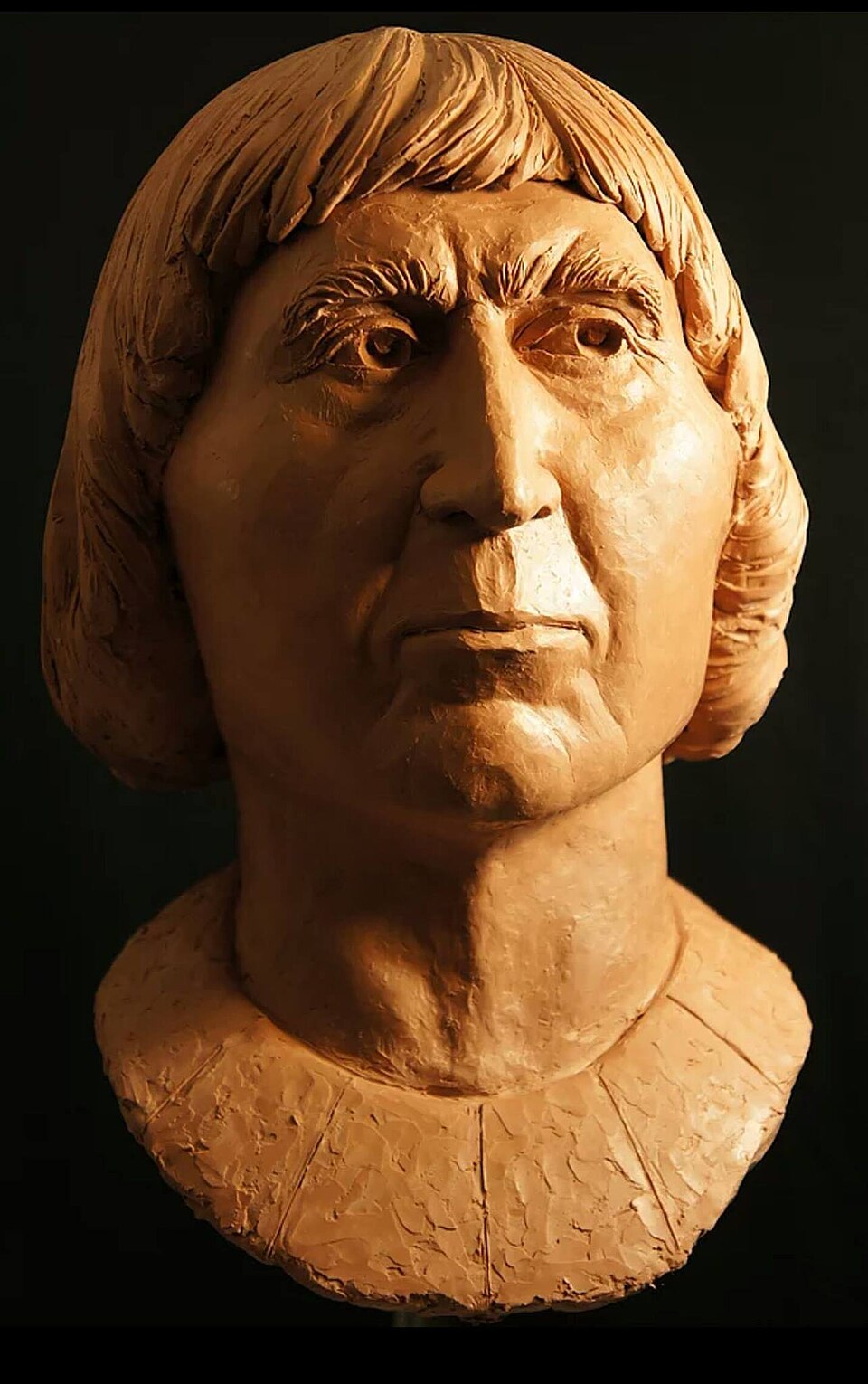
Portrait: S.A.Farabi / Wikimedia Commons / CC BY-SA 4.0 Robert the Bruce
Ordered the castle slighted after its 1314 recapture to prevent the English reoccupying it.
-
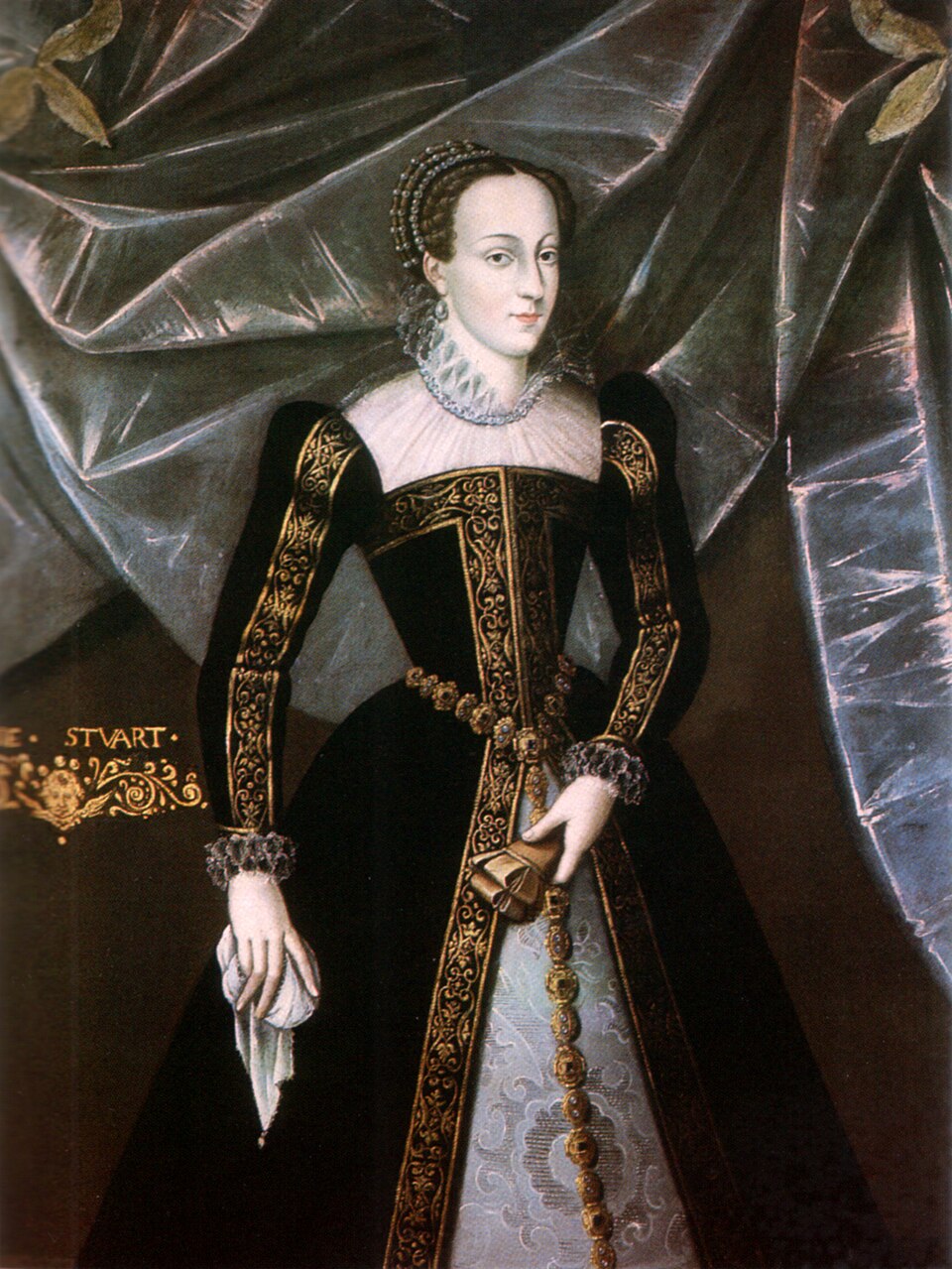
Portrait: Unidentified painter / Wikimedia Commons / Public domain Mary, Queen of Scots
Gave birth to the future James VI in the palace on 19 June 1566; the castle was later held in her name during the Lang Siege.
-
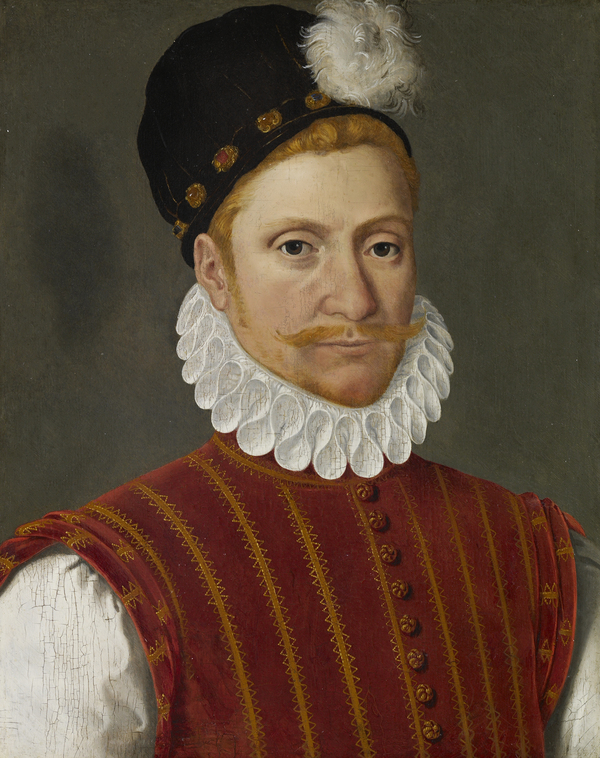
Portrait: François Clouet / Wikimedia Commons / Public domain Sir William Kirkcaldy of Grange
Keeper who held the castle for Queen Mary through the Lang Siege of 1571 to 1573, surrendered to the English in May 1573, and was hanged that August.
-
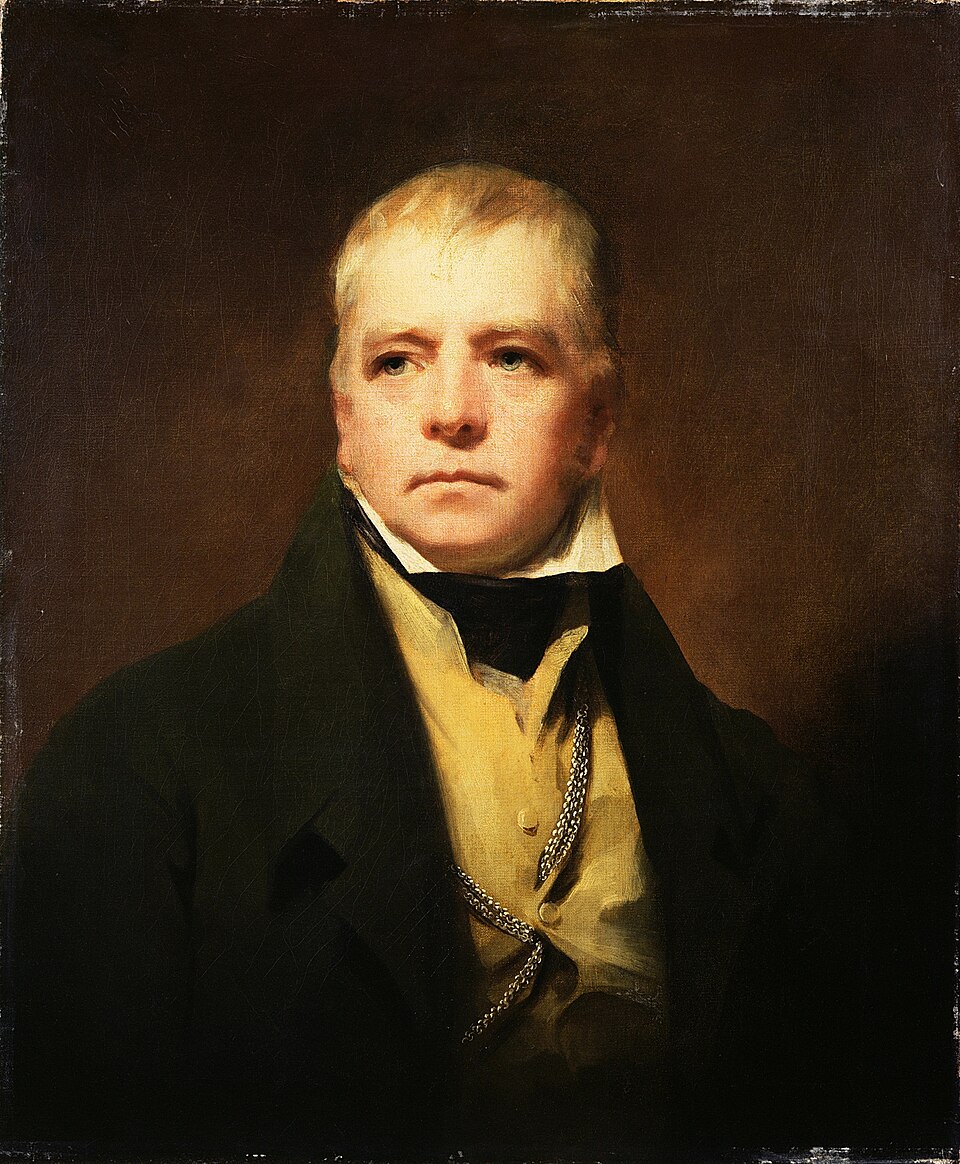
Portrait: Henry Raeburn / Wikimedia Commons / Public domain Sir Walter Scott
Rediscovered the Honours of Scotland in a sealed Crown Room in 1818, after which the regalia were put on public display.
Cultural influences
-
Seat of Scottish government
For centuries the castle was the main repository of Scotland's official state papers and one of the nation's foremost royal centres, placing it at the heart of the machinery of Scottish government.
-
The royal gun foundry
It was a major arsenal and, by 1511, the principal gun foundry in Scotland, casting bronze cannon under master gunner Robert Borthwick for royal warships including the Great Michael.
-
An early artillery bastion
The earthen angle-bastion known as the Spur, added in 1548, was one of the earliest examples in Britain of the Italian trace italienne style of artillery fortification.
-
The Nova Scotia connection
Under the 1621 grant of Nova Scotia, Edinburgh Castle was declared the place where baronets of the new colony could 'take sasine', symbolically receiving its earth and stone as the most eminent place in Scotland.
Connections
-
Palace of Holyroodhouse / Holyrood Abbey
The rival royal residence increasingly favoured by the later Stewart monarchs; James VI preferred to sleep at Holyrood even when holding court at the castle.
-
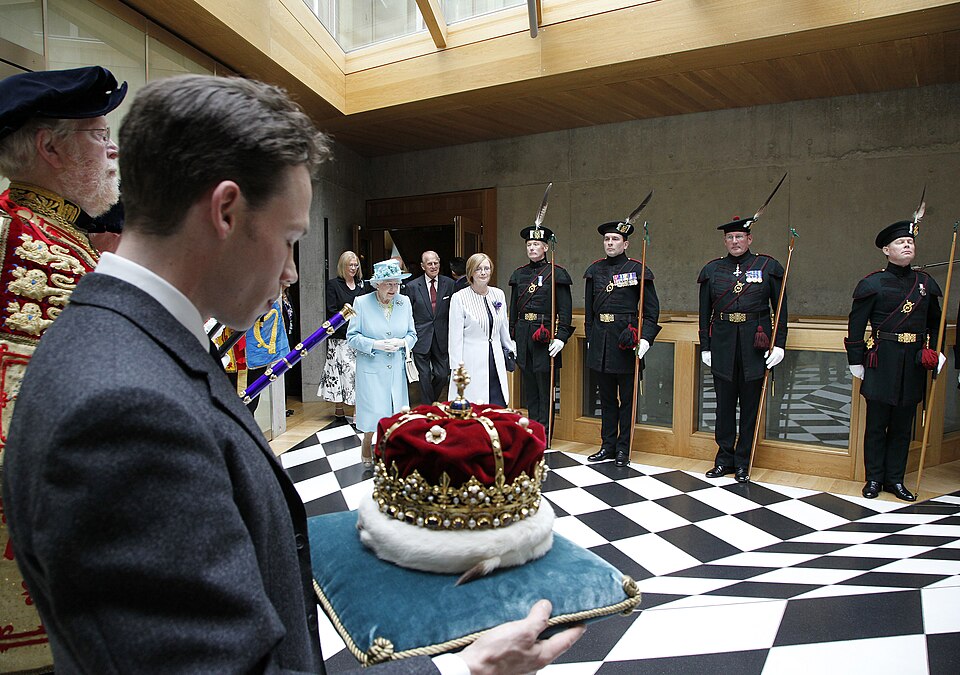
Photo: The Scottish Parliament. / Wikimedia Commons / CC BY 2.0 Honours of Scotland (Scottish crown jewels)
The regalia, believed lost after the 1707 union, were rediscovered in the castle's Crown Room in 1818 and are displayed there.
-
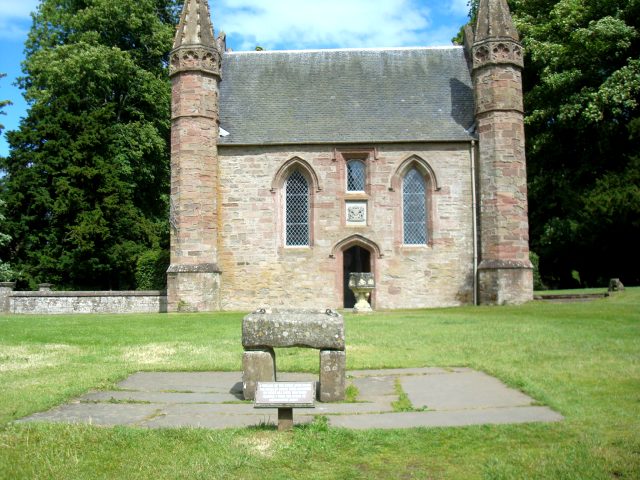
Photo: sarniebill1 / Wikimedia Commons / CC BY 2.0 Stone of Scone
The stone on which Scotland's monarchs were traditionally crowned has been kept in the castle's Crown Room since its return to Scotland in 1996.
-
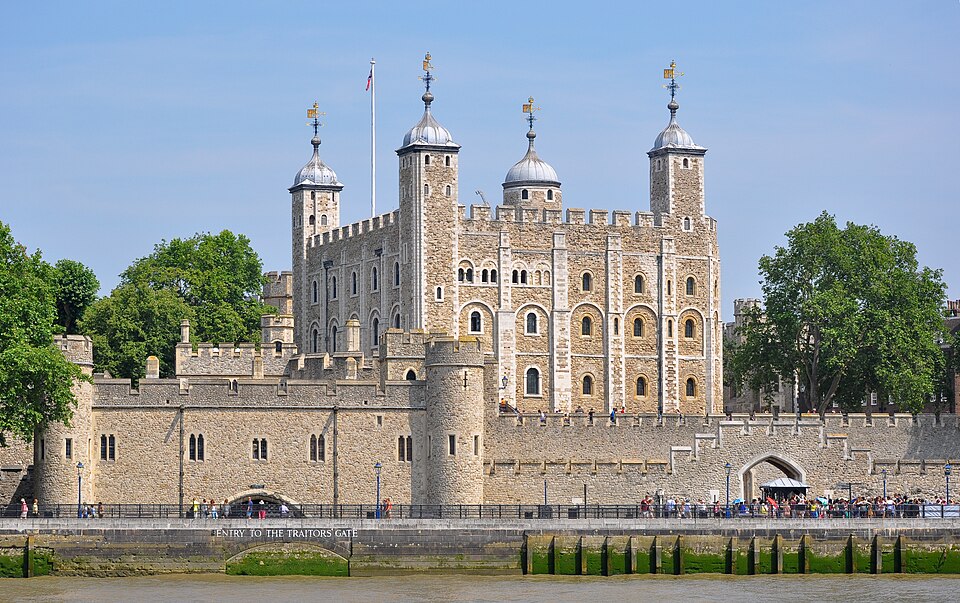
Photo: Bob Collowan / Wikimedia Commons / CC BY-SA 3.0 Tower of London
Mons Meg was taken there to disarm Scotland after the 1745 rising and only returned to Edinburgh in 1829.
-
Old and New Towns of Edinburgh UNESCO World Heritage Site
The castle dominates the World Heritage Site inscribed by UNESCO in 1995, described as 'dominated by a medieval fortress'.
-
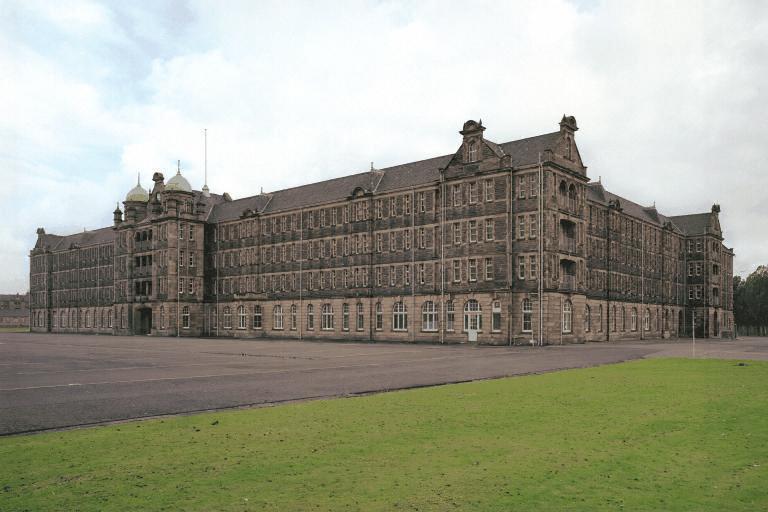
Photo: Ldopa / Wikimedia Commons / CC BY-SA 3.0 Redford Barracks
Where the castle's resident garrison troops moved in 1923, ending centuries of continuous garrisoning.
In culture
-
The Military Tattoo
The Royal Edinburgh Military Tattoo has been staged each August on the castle Esplanade since 1950; it draws around 217,000 spectators a year and is broadcast in some 30 countries to an estimated television audience of 100 million.
-
The One O'Clock Gun
The One O'Clock Gun is fired daily except Sunday, Good Friday and Christmas Day. Established in 1861 as a time signal for ships in Leith and the Firth of Forth, it is now fired from Mills Mount Battery; the longest-serving gunner, 'Tam the Gun', fired it from 1979 to 2005.
-
The Honours of Scotland
The Honours of Scotland, the oldest crown jewels in Britain, are displayed in the Crown Room after their rediscovery by Sir Walter Scott in 1818.
-
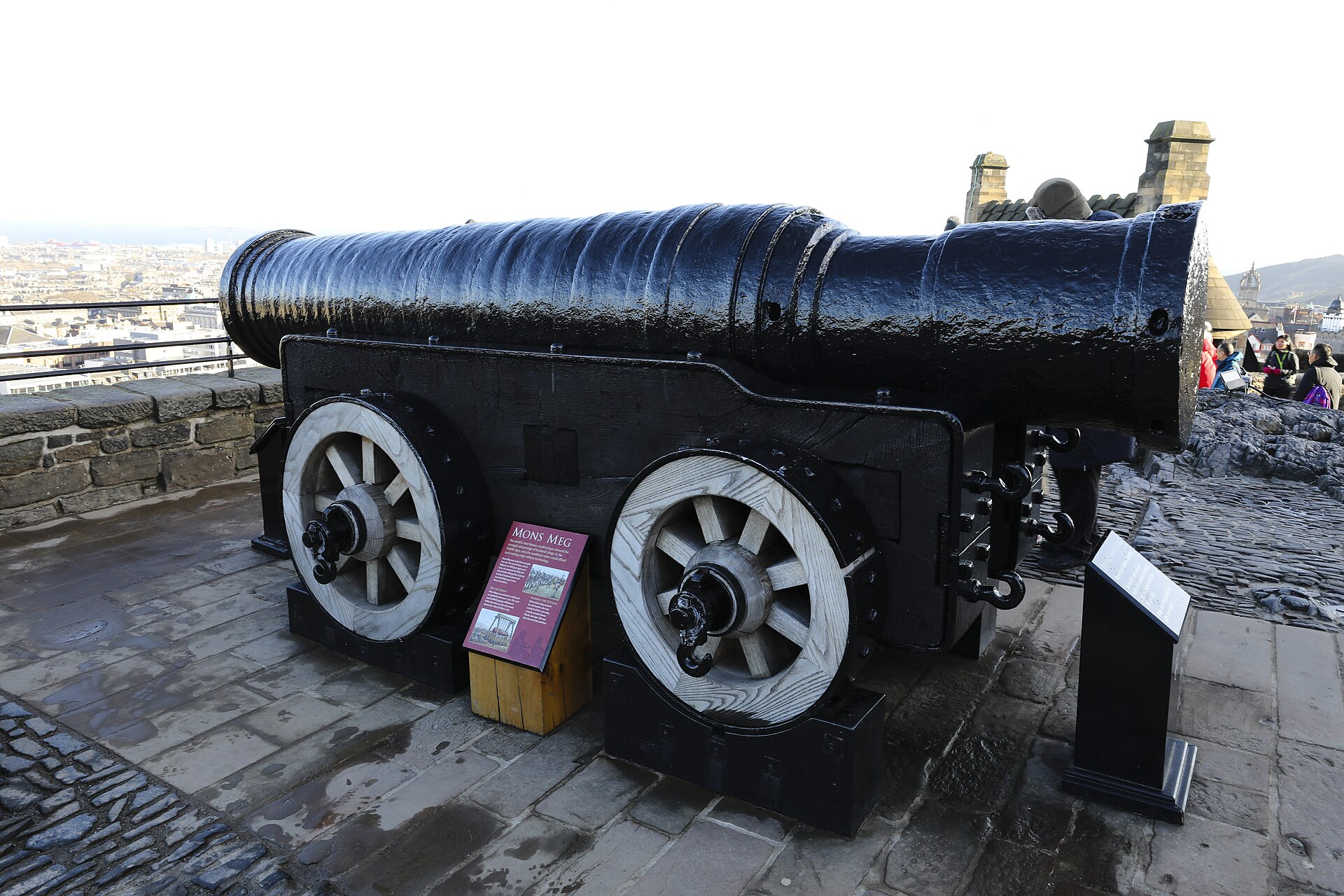
Mons Meg
Mons Meg, a great fifteenth-century bombard made in Flanders on the orders of Philip III of Burgundy and given to James II in 1457, is displayed in the Upper Ward; it fired in salute at Mary, Queen of Scots' marriage in 1558 and burst its barrel in 1681.
-
Scottish National War Memorial
The castle houses the Scottish National War Memorial, opened in 1927 with Rolls of Honour naming over 147,000 First World War dead, and the National War Museum of Scotland, covering 400 years of military history.
-
A national symbol
A recognisable symbol of Edinburgh and Scotland, the castle appears on the city and university coats of arms, on Royal Mail 'Castle series' stamps, and on banknotes including the reverse of Royal Bank of Scotland £1 notes since 1987.
What to look for
-
St Margaret's Chapel
St Margaret's Chapel, an early twelfth-century building held to be the oldest in Edinburgh, rediscovered in 1845 after long use as a store
-
The Great Hall
The Great Hall, built under James IV, with one of only two surviving original medieval hammerbeam roofs in Scotland and displays of historic arms
-
The Half Moon Battery
The Half Moon Battery, raised by Regent Morton over the buried ruins of David's Tower after the Lang Siege
-
Mons Meg
Mons Meg, the great medieval bombard, with some of its 330-pound gun stones displayed alongside it in the Upper Ward
-
The Crown Room
The Crown Room in the Royal Palace, home to the Honours of Scotland and the Stone of Scone
-
The Birth Chamber
The small Birth Chamber in the Royal Palace where James VI was born to Mary, Queen of Scots in 1566
-
Mills Mount & the One O'Clock Gun
Mills Mount Battery, where the One O'Clock Gun is fired, and the neighbouring Argyle Battery looking north over Princes Street
-
The dogs' cemetery
The small dogs' cemetery on a ledge below the summit, a burial ground for soldiers' regimental mascots
What is said
Folklore and tradition, recorded as what is said — not as established fact.
-
The Castle of Maidens
The castle was long known as the Castle of Maidens, said variously to derive from a 'Cult of the Nine Maidens' type of legend, from Pictish maidens of royal blood kept there, or from nuns later ejected in favour of canons 'fitter to live among soldiers' — a story dismissed as apocryphal by later antiquaries.
-
A legendary founder
An early chronicle credits the legendary British king Ebraucus with building the 'Castell of Maidens called Edenbrough', one writer dating it as far back as 989 BC.
Plan your visit
- Location
- 55.9487°N · 3.2007°W
- Access
- Paid entry — managed visitor site
- Terrain
- Moderate walking
- Time needed
- About 150 minutes
- Facilities
- Cafés, shops and toilets on site; a courtesy vehicle assists visitors with limited mobility up the steep approach.
Opening & admission
Ticketed entry, managed by Historic Environment Scotland. Open year-round; book a timed ticket in advance.
- The approach up Castlehill and the esplanade is steep and cobbled; much of the interior is accessible.
Nearby places
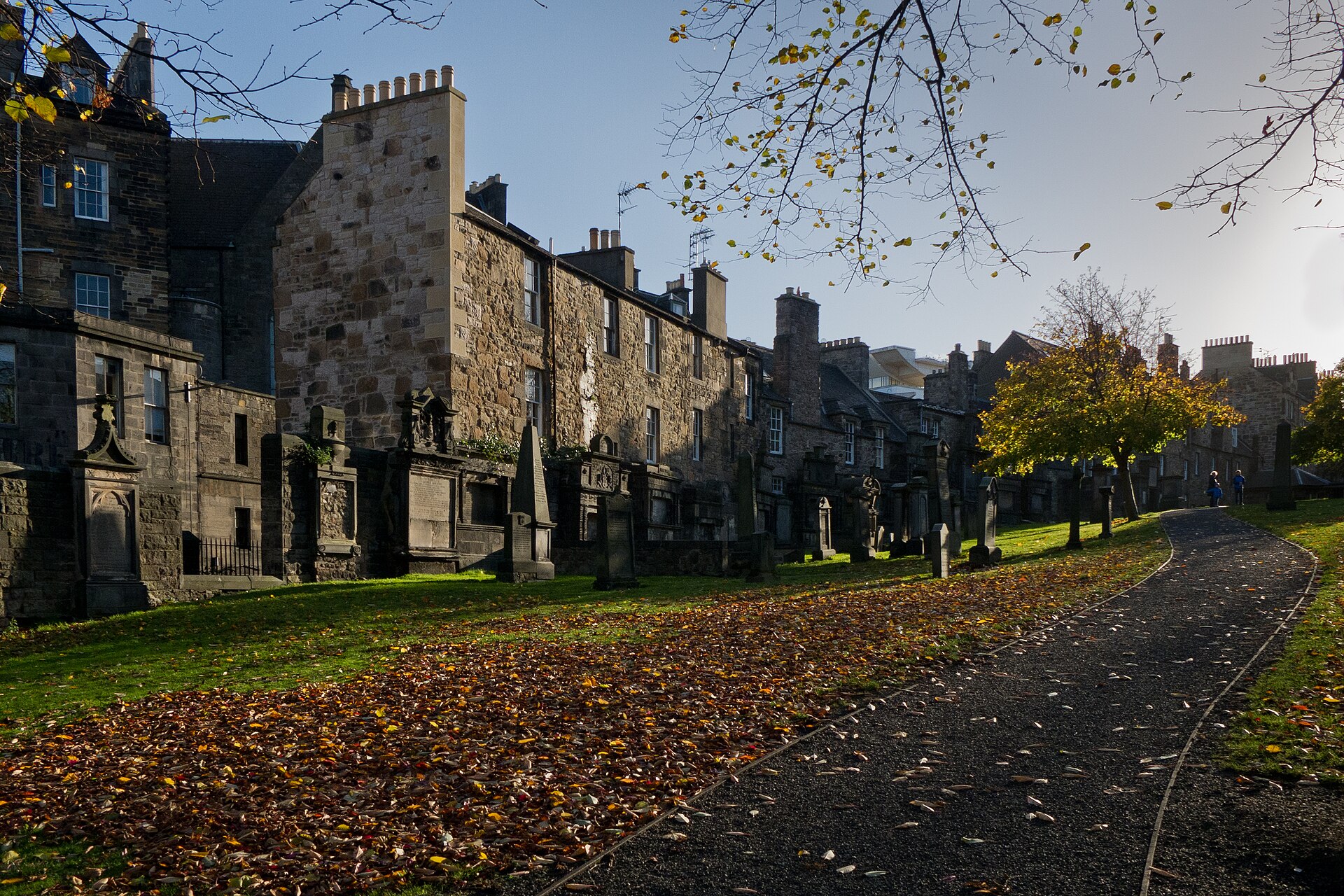
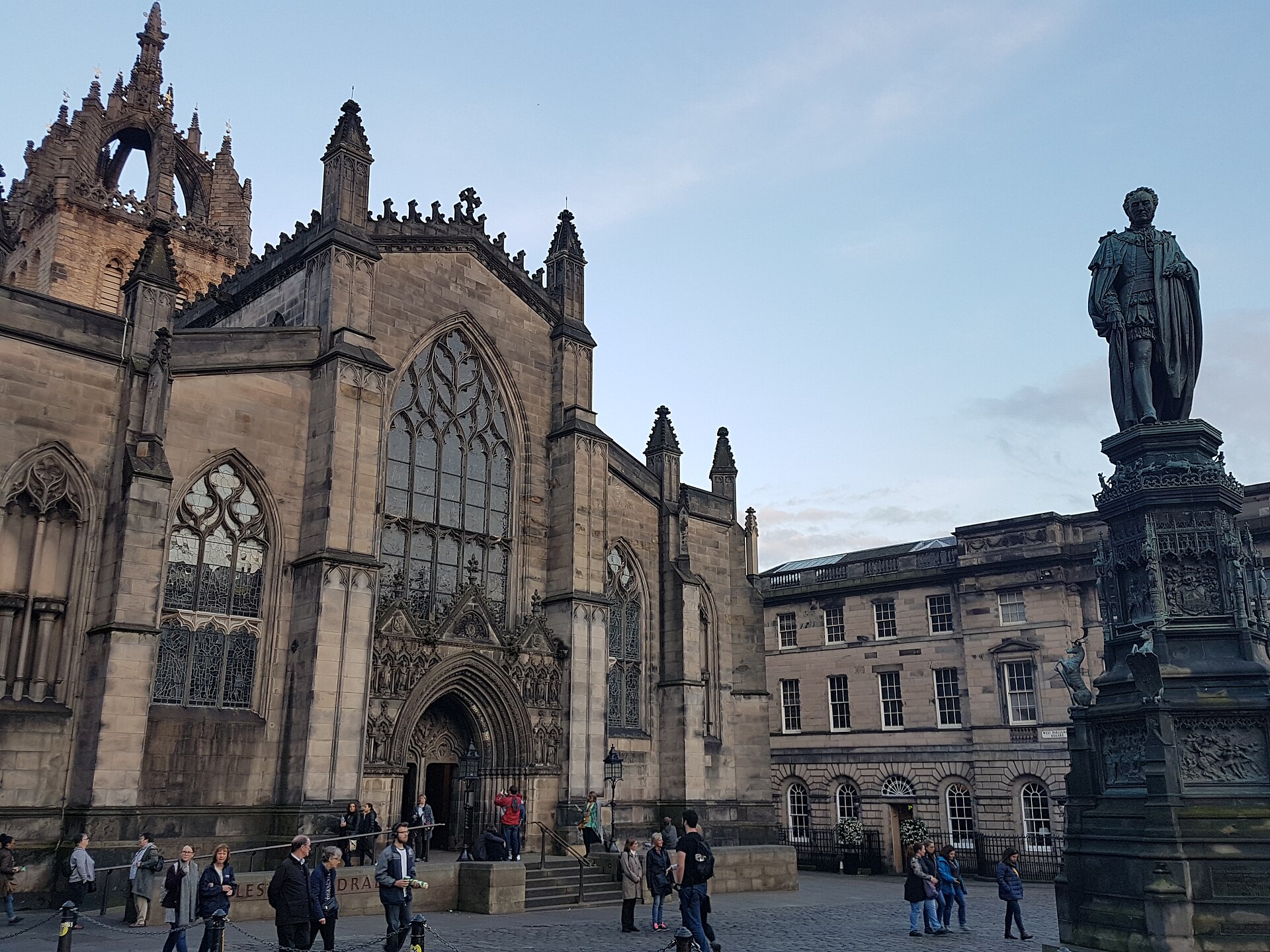
Sacred place · Medieval
St Giles' Cathedral
City of Edinburgh
For centuries the principal church of Edinburgh and a crucible of the Scottish Reformation, St Giles' is crowned by one of only two surviving medie…
Questions people ask
- Why is Edinburgh Castle called the most besieged place in Britain?
- Research in 2014 identified 26 sieges across the castle's roughly 1,100-year history, giving it a claim to being the most besieged place in Great Britain and one of the most attacked in the world.
- What is the One O'Clock Gun and when is it fired?
- It is a time signal fired daily at 1 p.m. from Mills Mount Battery, except on Sunday, Good Friday and Christmas Day. It was established in 1861 to help ships in Leith and the Firth of Forth set their clocks.
- What is the oldest building in Edinburgh Castle?
- St Margaret's Chapel is the oldest building in the castle and in Edinburgh. It dates from the reign of David I in the early twelfth century and was dedicated to his mother, Saint Margaret, who died at the castle in 1093.
- Was Mary, Queen of Scots' son born at Edinburgh Castle?
- Yes. On 19 June 1566 Mary, Queen of Scots gave birth to the future James VI and I in a small room of the Royal Palace, now known as the Birth Chamber or Mary Room.
- Where are the Scottish crown jewels kept?
- The Honours of Scotland — the crown, sceptre and sword of state — are displayed in the Crown Room of the Royal Palace, along with the Stone of Scone. Sir Walter Scott rediscovered the regalia in a sealed room in 1818.
- Who runs Edinburgh Castle today?
- Historic Environment Scotland runs and conserves the castle as Scotland's most popular paid attraction, which drew 2,044,963 visitors in 2025. The Army retains some areas for ceremonial and administrative use, including the regimental museums.
Sources
- Canmore: Edinburgh Castle, site record 52068 (accessed 2026-07-18)
- Historic Environment Scotland: designation SM90130 (accessed 2026-07-18)
- Wikipedia: Edinburgh Castle (accessed 2026-07-18)
Explore more: Fortified places · Medieval · City of Edinburgh
The Ancient Codex, in your pocket
Get the Pocket Codex app
Carry the directory with you — Edinburgh Castle and thousands of ancient places across Britain and Ireland, offline, wherever you roam.