
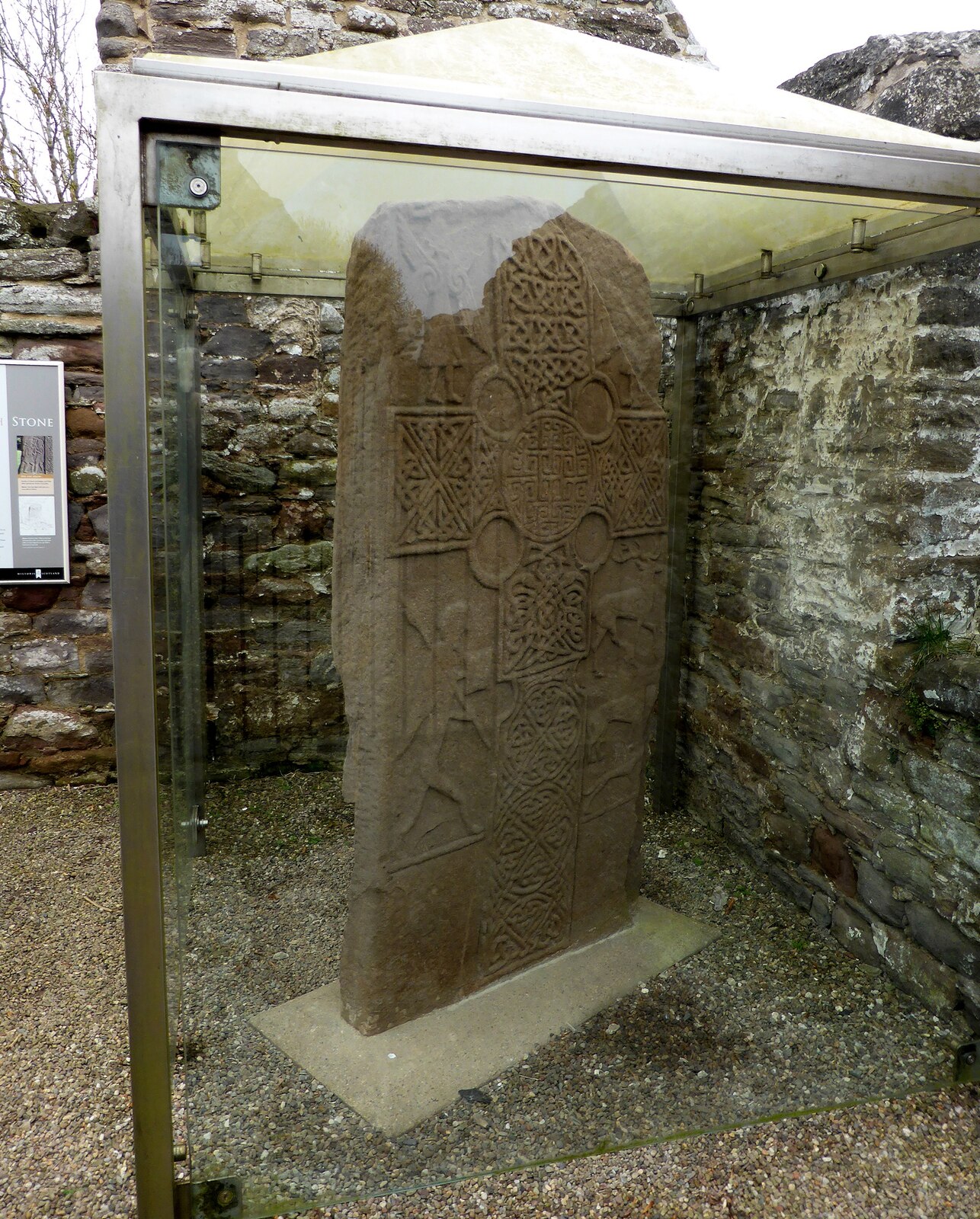
A tall carved slab stands in the manse garden at Glamis, close to the parish church. The Glamis Manse Stone is a Pictish cross-slab, a stone panel combining Christian cross relief with incised Pictish signs, visible only from a distance.
The stone matters because its carving is both bold and strange. A ringed cross with knotwork, axe-fighting figures, a cauldron scene, a centaur, animal symbols, and layout quirks noted by Lloyd Laing make Glamis 2 one of the more arresting Angus slabs.
What follows is drawn from published sources, with each claim labelled by how firmly it is established.
History
The Glamis Manse Stone dates from the ninth century.
It stands in the garden of the Manse near St Fergus church at Glamis.
The cross face is carved in relief while the rear bears incised symbols.
The stone is classified as a Class II Pictish stone.
Lloyd Laing noted unusual rotations in the cross arms and interlace axis.
The stone is a scheduled monument.
People
-
Lloyd Laing
Discussed layout peculiarities and connected the stone with the Aberlemno School.
-
John Romilly Allen and Joseph Anderson
Their system classifies the slab as Class II.
Connections
-
Hunter's Hill Stone
Nearby Glamis 1 stone reused in a related way.
-
Aberlemno School
Stylistic group that also includes Eassie, Kirriemuir, and other stones.
-
St Fergus church
Church close to the manse garden setting.
What to look for
-
Ringed cross
The cross has a ring and knotwork interlace on the shaft and roundel.
-
Axe-fighting scene
Two bearded figures appear to fight with axes on the cross face.
-
Cauldron motif
A cauldron with human legs dangling from it is carved above the fighting figures.
-
Centaur panel
A centaur holding axes appears in one upper quadrant.
-
Symbol back
The rear face has a serpent, fish, and mirror symbols.
Plan your visit
- Location
- 56.6096°N · 3.0022°W
- Access
- Visible from a public way
- Terrain
- Easy going
Opening & admission
- The source notes the stone is visible only from a distance in the manse garden.
Nearby places
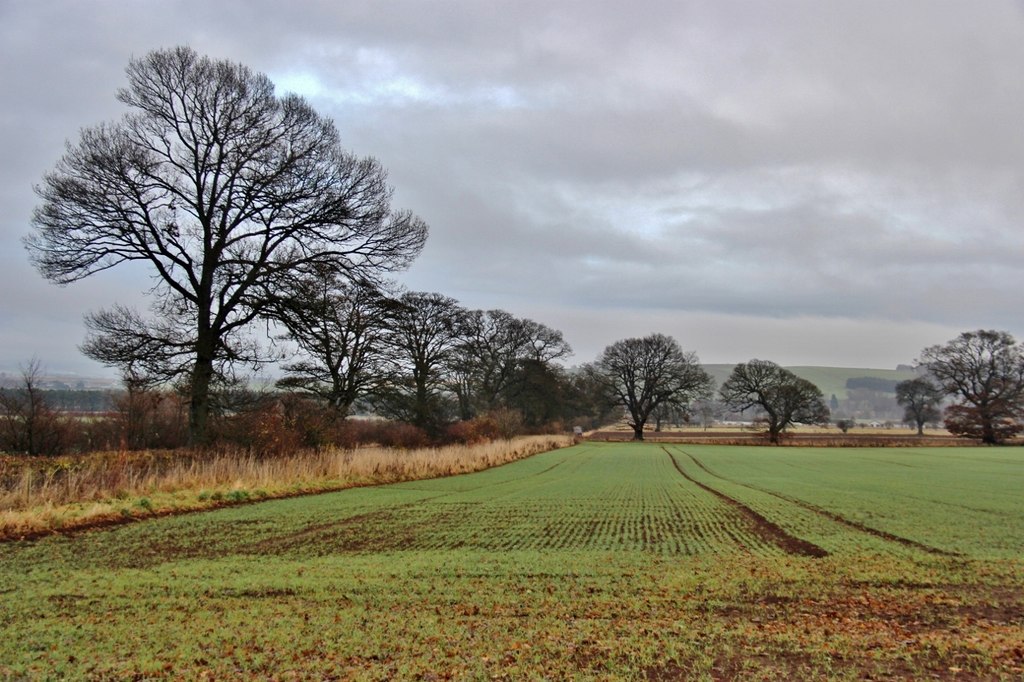

Fortified place · Medieval
Glamis Castle
Angus
Home of the Lyon family since the fourteenth century, Glamis binds a medieval tower house to royal births, a notorious witchcraft trial and some of…
- Easy path
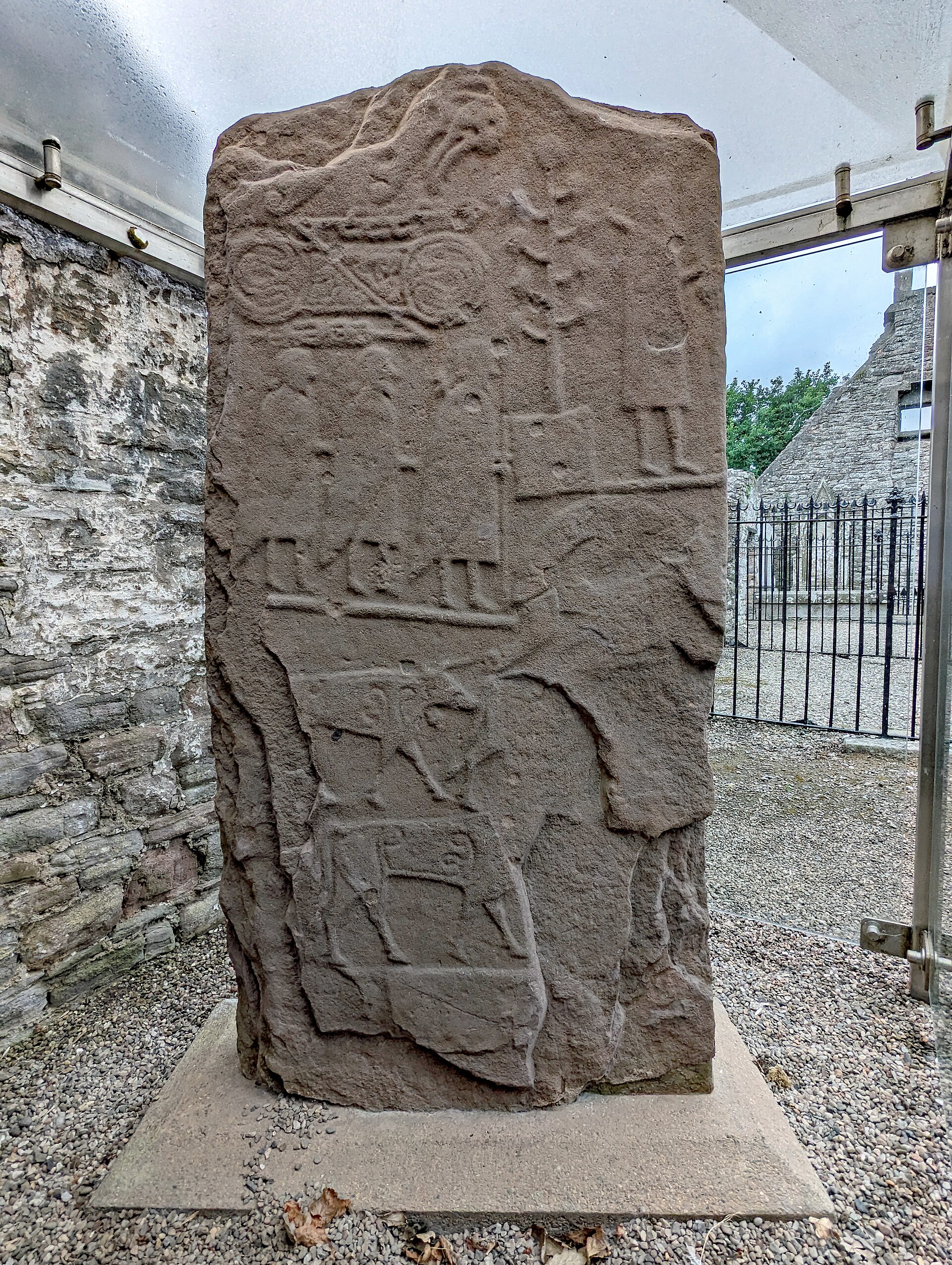
Carved stone · Pictish & early medieval
Eassie Sculptured Stone
Angus
The cross-slab was carved about the mid-8th century AD. It was found in the bed of the Eassie Burn near Eassie Church by Rev. Cordiner around 1786.
- Near Glamis
- 117 metres from car park
- Easy path
Questions people ask
- What is the Glamis Manse Stone?
- It is a ninth-century Pictish carved slab in the manse garden at Glamis.
- Can it be seen closely?
- The source notes that it is visible only from about 20 metres.
- What is carved on it?
- It has a ringed cross, knotwork, figural scenes, animals, and Pictish symbols.
- How is it linked to other stones?
- It belongs to the Aberlemno School and is related to the nearby Hunter's Hill Stone.
Sources
Explore more: Carved stones · Pictish & early medieval · Angus
The Ancient Codex, in your pocket
Get the Pocket Codex app
Carry the directory with you — Glamis Manse Stone and thousands of ancient places across Britain and Ireland, offline, wherever you roam.