
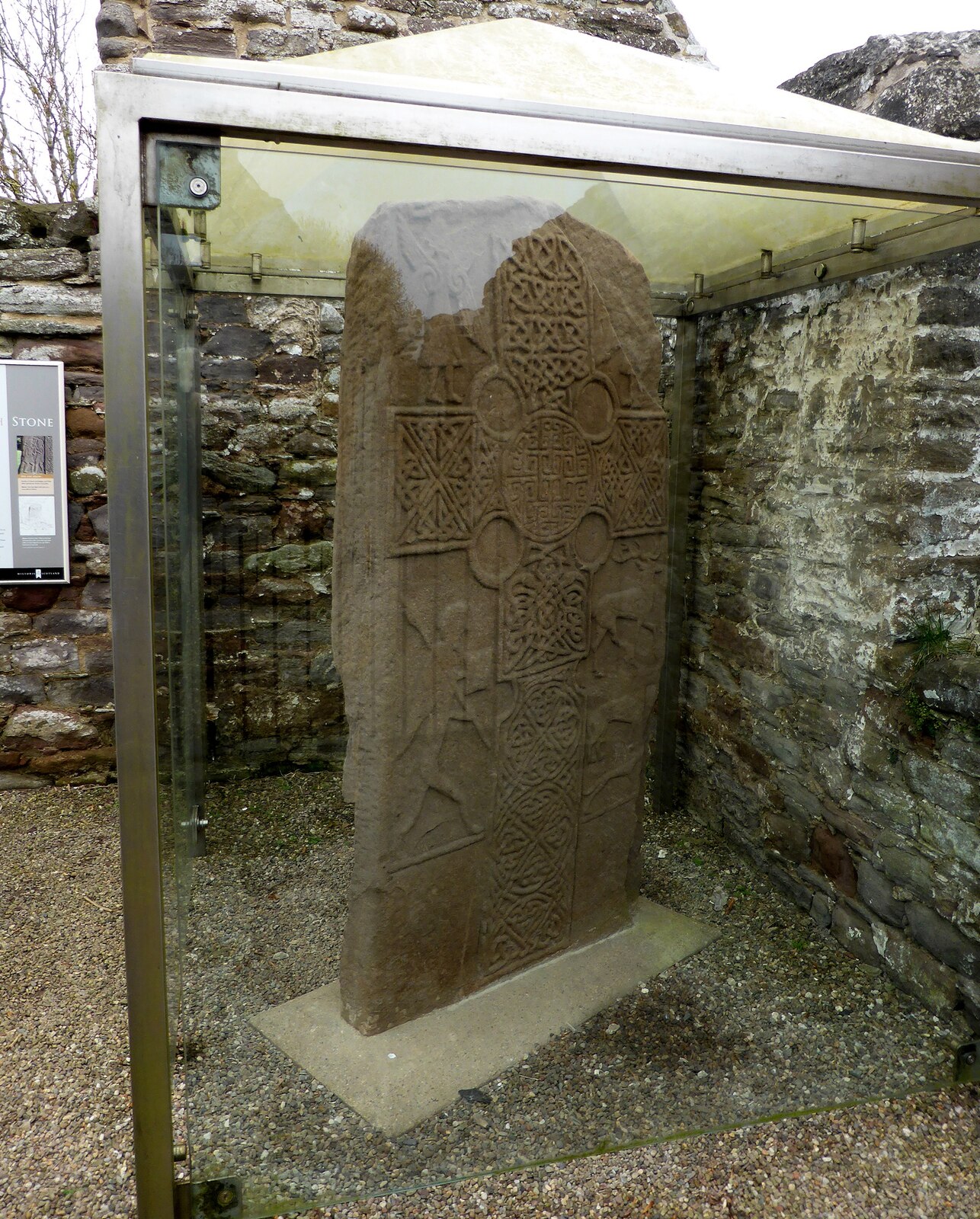
The cross-slab was carved about the mid-8th century AD. It was found in the bed of the Eassie Burn near Eassie Church by Rev. Cordiner around 1786.
Eassie Sculptured Stone is a carved stone near Glamis, Angus, Scotland.
What follows is drawn from published sources, with each claim labelled by how firmly it is established.
History
The cross-slab was carved about the mid-8th century AD. It was found in the bed of the Eassie Burn near Eassie Church by Rev. Cordiner around 1786.
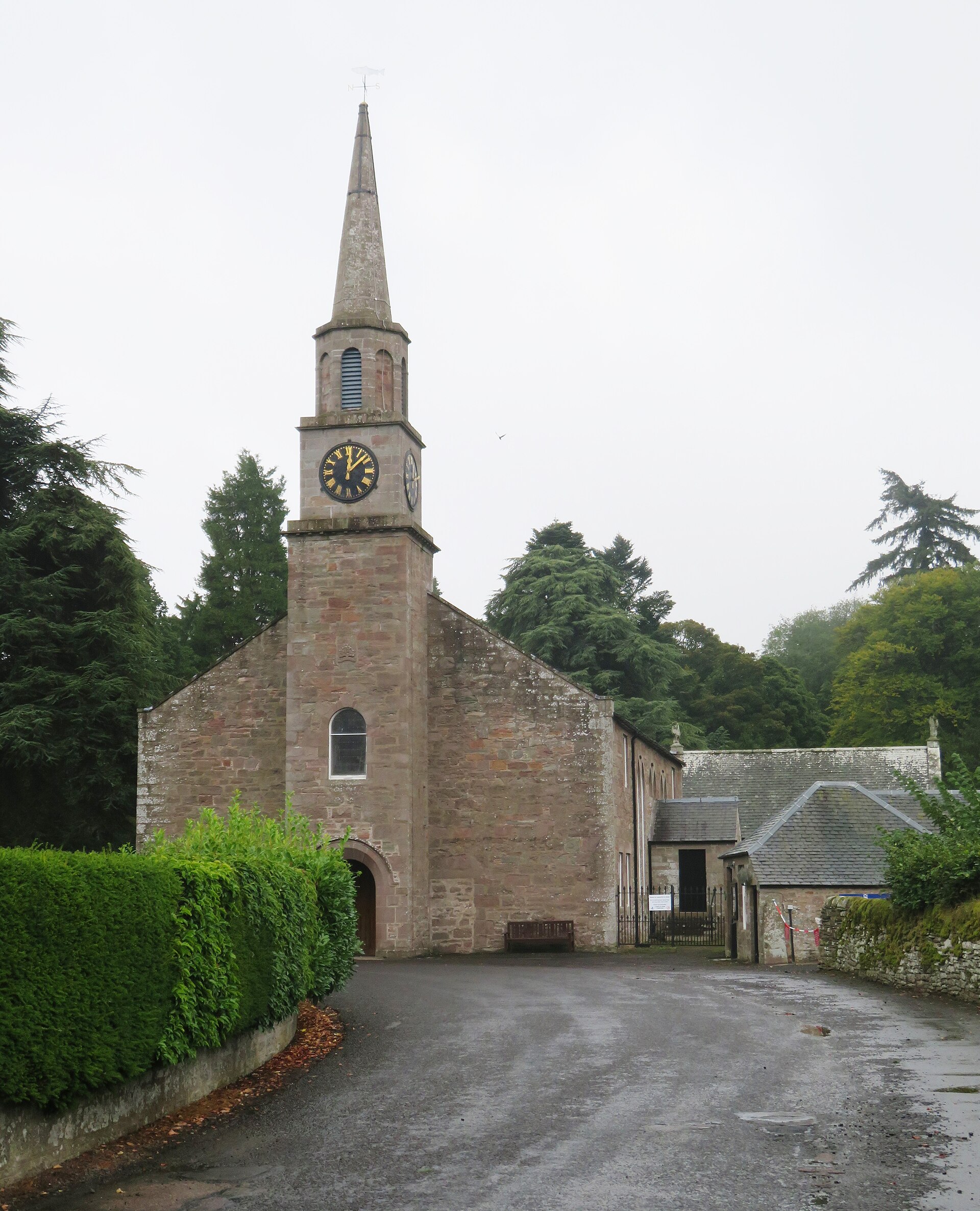
After its discovery the stone was moved to the churchyard, where it stood for over a century, until the 1960s when a purpose-built shelter with viewing windows was constructed for it within the ruined church.
People
-
Rev. Cordiner
Found the cross-slab in the bed of the Eassie Burn c. 1786
-
Lloyd Laing
Historian who interpreted the rear-face tree figure as bearing suspended human heads, and extended the 'Aberlemno School' grouping
-
John Romilly Allen & Joseph Anderson
Devised the classification system under which the slab is a Class II Pictish stone
Cultural influences
-
Pictish symbol tradition — the rear face carries a Pictish beast over a double-disc-and-Z-rod, plus horseshoe and further beast symbols, marking the stone as a Class II monument in Allen and Anderson's classification.
-
Early Christian sculpture — the cross face bears a ringed cross with a keywork-decorated central boss, complex interlaced knotwork on arms and shaft, and a pair of angels in the upper quadrants.
-
The 'Aberlemno School' of Pictish sculpture — as extended by Lloyd Laing from Ross Trench-Jellicoe's list, the Eassie stone belongs to this stylistic group.
Connections
-
Glamis 2 stone
Nearby stone bearing a similar four-winged angel to those on Eassie's cross face
-
Aberlemno 2 & 3 (Aberlemno School)
Fellow members of the Aberlemno School of Pictish sculpture
-
Meigle / Glamis / Kirriemuir stones
Other Aberlemno-School stones (Menmuir 1, Kirriemuir 1, Monifieth 2, Rossie Priory, Glamis 1 and 2)
Discovery & excavation
The cross-slab was found in the bed of the Eassie Burn, near Eassie Church, by Rev. Cordiner about 1786. It was moved to the churchyard, where it stood for over a century, before being housed in the 1960s in a purpose-built see-through shelter within the roofless shell of the old parish church.
Finds now held at: Eassie Burn (find spot); Ruined Eassie parish church (current shelter).
What to look for
-
The cross face — a ringed cross with a keywork-decorated central boss and complex interlaced knotwork on the arms and shaft.
-
The pair of angels in the upper quadrants of the cross face (the right-hand figure now almost completely lost to damage).
-
The cloaked warrior with a small square buckler and spear in the lower-left quadrant, and a stag with hunting hounds in the lower-right.
-
On the rear face: a damaged Pictish beast over a double-disc-and-Z-rod, a trio of cloaked figures, and a figure before a potted tree (interpreted by Lloyd Laing as having human heads suspended from its branches).
-
The weathered cattle and horseshoe/beast symbols at the lower part of the rear face.
Plan your visit
- Location
- 56.6144°N · 3.0565°W
- Nearest settlement
- Glamis
- Access
- Open access
- Terrain
- Easy going
- Start point
- Eassie Cross-Slab · In the old church of Eassie, west of Glamis off the A94.
- Best time
- Open year-round.
- Start point
- Eassie village (old Eassie church) (parking unconfirmed) — Nearest settlement; specific parking not confirmed. The stone is in the old church of Eassie, west of Glamis off the A94. No public car park is mapped nearby; the closest is at Glamis village around 3km east.
Opening & admission
Free entry
- Open year-round.
Nearby places
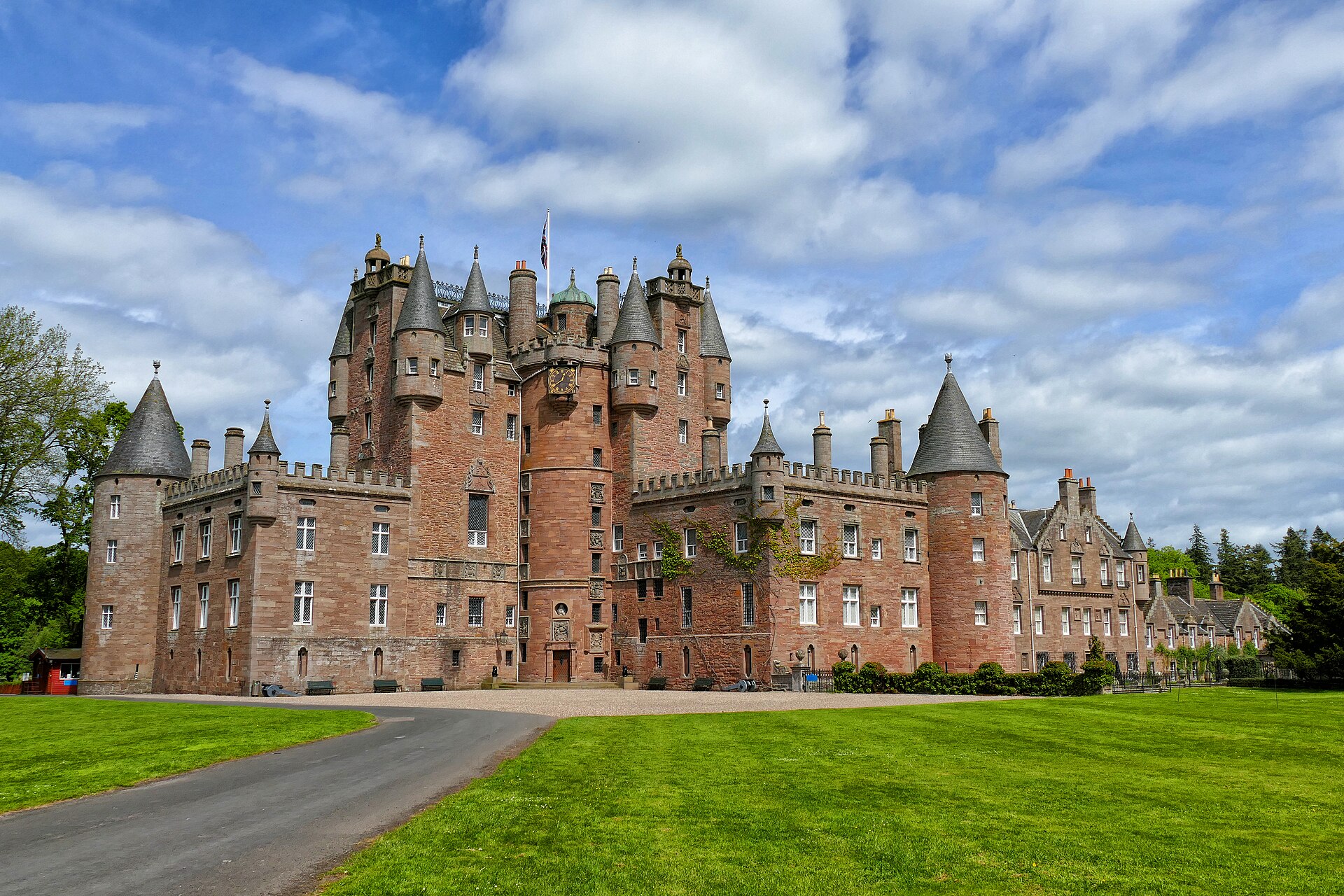
Fortified place · Medieval
Glamis Castle
Angus
Home of the Lyon family since the fourteenth century, Glamis binds a medieval tower house to royal births, a notorious witchcraft trial and some of…
- Easy path
Sources
- Canmore site record 32092 (accessed 2026-06-13)
- Trove (HES) record (accessed 2026-06-13)
- HES designation SM90125 (accessed 2026-06-13)
- Wikipedia: Eassie Stone (accessed 2026-06-13)
- Wikidata Q2648116 (accessed 2026-06-13)
Explore more: Carved stones · Pictish & early medieval · Angus
The Ancient Codex, in your pocket
Get the Pocket Codex app
Carry the directory with you — Eassie Sculptured Stone and thousands of ancient places across Britain and Ireland, offline, wherever you roam.