
Home of the Lyon family since the fourteenth century, Glamis binds a medieval tower house to royal births, a notorious witchcraft trial and some of Scotland's most enduring castle legends.
Why has Glamis Castle drawn so much story to itself? Partly because it has been lived in continuously by one family for so long. A castle stood at Glamis by 1372, when Robert II granted the lands to Sir John Lyon, Thane of Glamis, and the Lyon (later Bowes-Lyon) family have held it ever since. The building was rebuilt as an L-plan tower house in the early fifteenth century, then remodelled in the seventeenth under Patrick Lyon, 9th Lord Glamis. That long tenure ran alongside real drama: the 1537 burning of Janet Douglas, Lady Glamis, for witchcraft; the accidental killing of the 6th Earl in 1728; and the birth here of Elizabeth Bowes-Lyon, the future Queen Mother, in 1900 and of Princess Margaret in 1930. Around that history has grown a dense tradition of monsters, card-playing devils and walled-up heirs.
What follows is drawn from published sources, with each claim labelled by how firmly it is established.
History
In 1034 Malcolm II was, by tradition, mortally wounded nearby and died at a royal hunting lodge on the site of the present castle.
By 1372 a castle stood at Glamis, granted that year by Robert II to Sir John Lyon, Thane of Glamis, husband of the king's daughter.
In 1445 the title Lord Glamis was created for Sir Patrick Lyon, grandson of Sir John.
On 17 July 1537 Janet Douglas, Lady Glamis, was burned at the stake in Edinburgh for witchcraft, after which James V seized the castle.
In 1606 Patrick Lyon, 9th Lord Glamis, was created Earl of Kinghorne and began major building works, recorded in a carved inscription naming him and Dame Anna Murray.
On 9 May 1728 Charles Lyon, 6th Earl of Strathmore and Kinghorne, was accidentally killed by James Carnegie of Finhaven; the resulting acquittal became a landmark in Scots law.
People
-
Sir John Lyon, Thane of Glamis
Received Glamis from Robert II in 1372; founder of the Lyon family's tenure.
-
Janet Douglas, Lady Glamis
Wife of the 6th Lord Glamis; burned at the stake for witchcraft in 1537 and later linked to the castle's 'White Lady'.
-
Patrick Lyon, 9th Lord Glamis, 1st Earl of Kinghorne
Directed the major seventeenth-century remodelling of the castle.
-
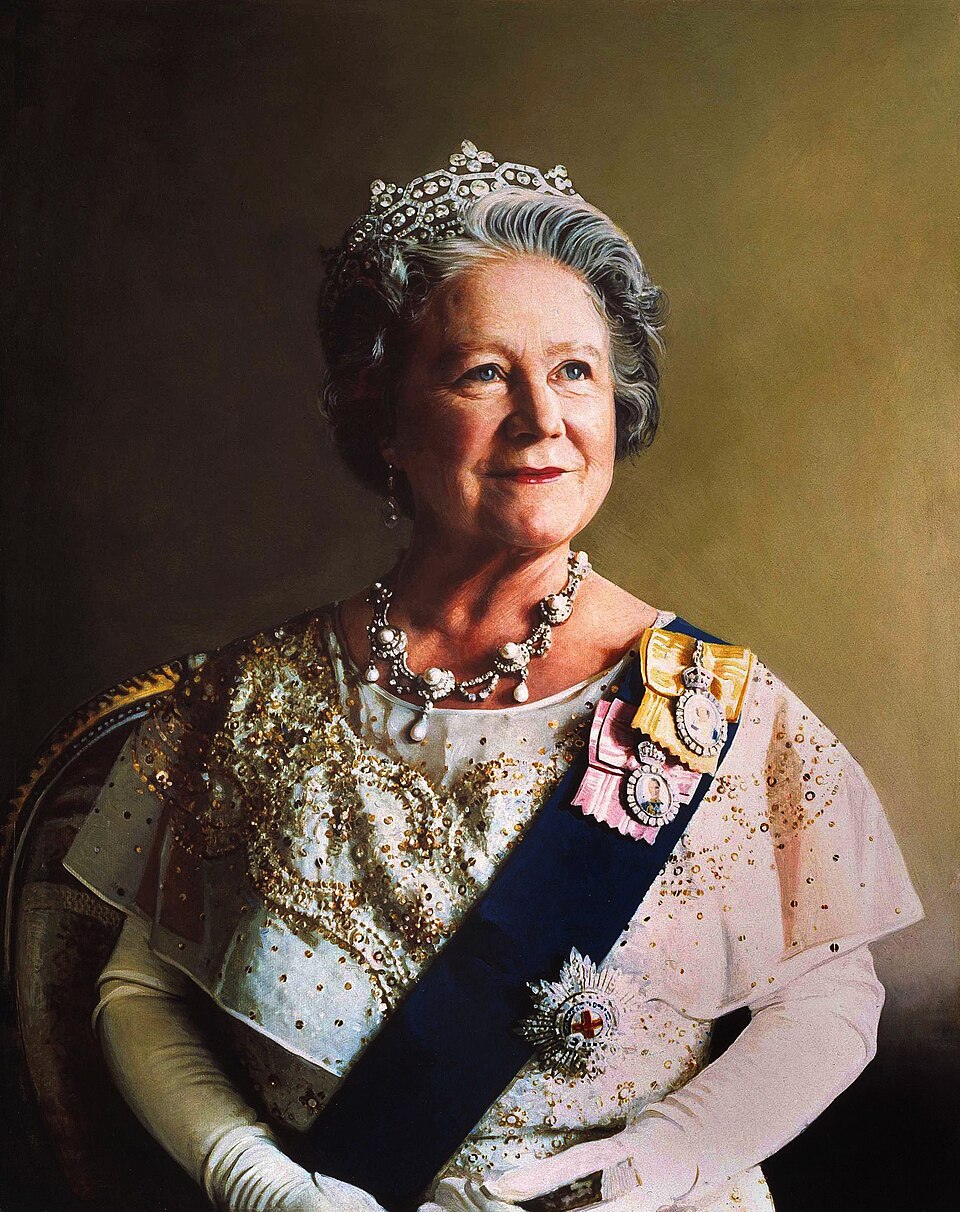
Portrait: Richard Stone / Wikimedia Commons / Public domain Elizabeth Bowes-Lyon
Later Queen Elizabeth the Queen Mother; born 1900 and spent much of her childhood at Glamis.
-
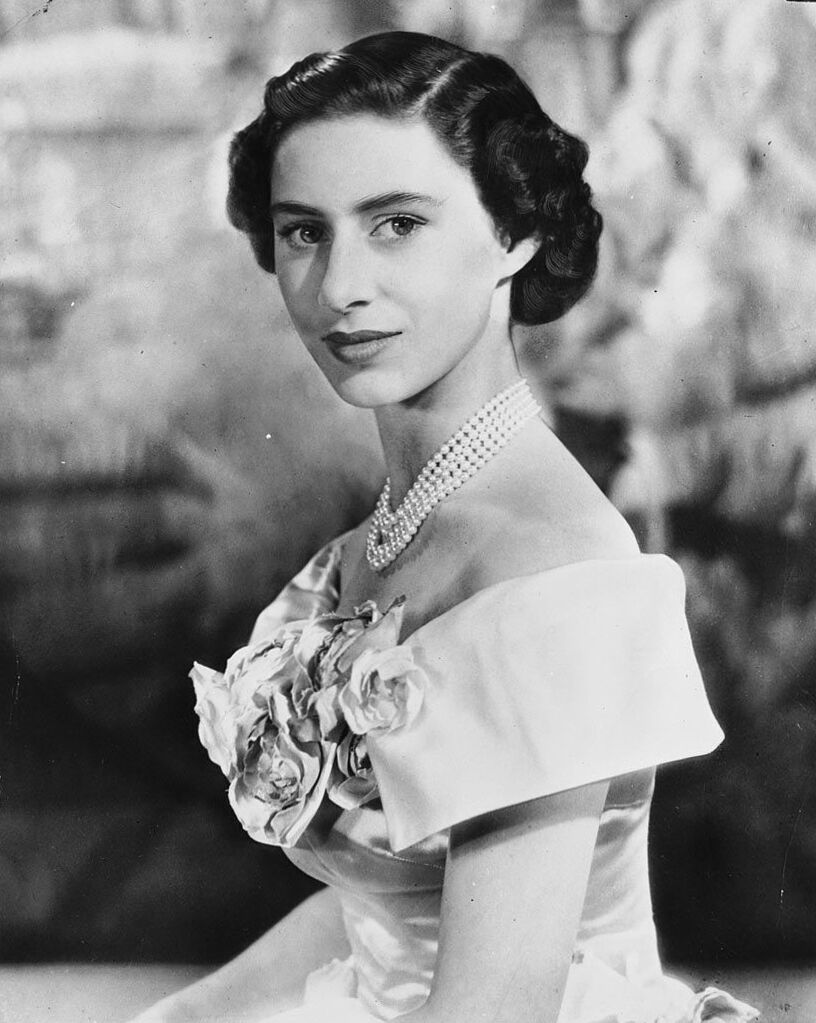
Portrait: Alexandra Studio / Wikimedia Commons / Attribution Princess Margaret
Second daughter of Elizabeth Bowes-Lyon, born at Glamis Castle in 1930.
-
Simon Bowes-Lyon, 19th Earl of Strathmore and Kinghorne
Current owner and resident, who succeeded to the earldom in 2016.
Cultural influences
-
The 1728 acquittal of James Carnegie of Finhaven, defended by Robert Dundas of Arniston, helped establish the right of Scottish juries to judge the whole case, including intent, rather than only the physical facts.
Connections
-
The Lyon / Bowes-Lyon family (Earls of Strathmore and Kinghorne)
Owners of Glamis continuously since the fourteenth century.
-
Shakespeare's Macbeth
The play's Macbeth resides at Glamis Castle, though the historical King Macbeth had no connection to it.
-
Gibside, Gateshead
Bowes-Lyon estate from which a large fireplace was removed in the 1920s and installed in the castle's Billiard Room.
-
University of Dundee
Holds a close connection with the Glamis archives; researchers consult the castle's material in the university search room.
In culture
-
Since 1987 an illustration of the castle has appeared on the reverse of Royal Bank of Scotland ten-pound notes.
-
In the children's series Thomas & Friends, Lord Callan's castle is based on Glamis.
-
The 1982 Yoko Tsuno album 'La Proie et l'ombre' by Roger Leloup features a near-identical fictional 'Loch Castle'.
-
Glamis Castle is mentioned in the Star Trek: The Next Generation episode 'Sub Rosa'.
What to look for
-
The L-plan tower house at the core, whose front towers are about seven metres in diameter and four metres high, with walls roughly a metre thick.
-
The carved inscription on the central tower recording that it was 'Built by Patrick, Lord Glamis, and D[ame] Anna Murray'.
-
Four seventeenth-century 'brazen' statues on the approach avenue: Charles I in boots, James VI in a stole, Charles II in Roman dress and James VII.
-
The small chapel, seating forty-six, with one seat left permanently empty for the 'White Lady'.
-
The Billiard Room fireplace brought from Gibside, displaying the Blakiston coat of arms.
What is said
Folklore and tradition, recorded as what is said — not as established fact.
-
Tradition holds that a hideously deformed 'Monster of Glamis' was born to the family and kept hidden, his sealed suite of rooms bricked up after his death; a variant says a vampire child is born to each generation and walled up.
-
Legend says the fifteenth-century 'Earl Beardie' swore to play cards until doomsday, or with the Devil himself; a stranger, reputedly the Devil, joined his game and is said to have won his soul.
-
A 'White Lady' ghost, thought to be Janet Douglas, Lady Glamis, is said to haunt the castle, and one seat in the chapel is kept permanently reserved for her.
Plan your visit
- Location
- General area near Angus, Angus
- Access
- Paid entry — managed visitor site
- Terrain
- Easy going
- Time needed
- About 150 minutes
- Facilities
- Car park, café/restaurant, shops and gardens on the estate.
Opening & admission
Privately owned by the Strathmore estate; ticketed entry with seasonal opening (typically spring to early winter). Castle tours and grounds — check current times.
- Level driveway and lawns to the castle; guided tours cover the interior.
This is a sensitive site, so we show its general area only. Please use the official access information here rather than seeking out an independent route.
Nearby places
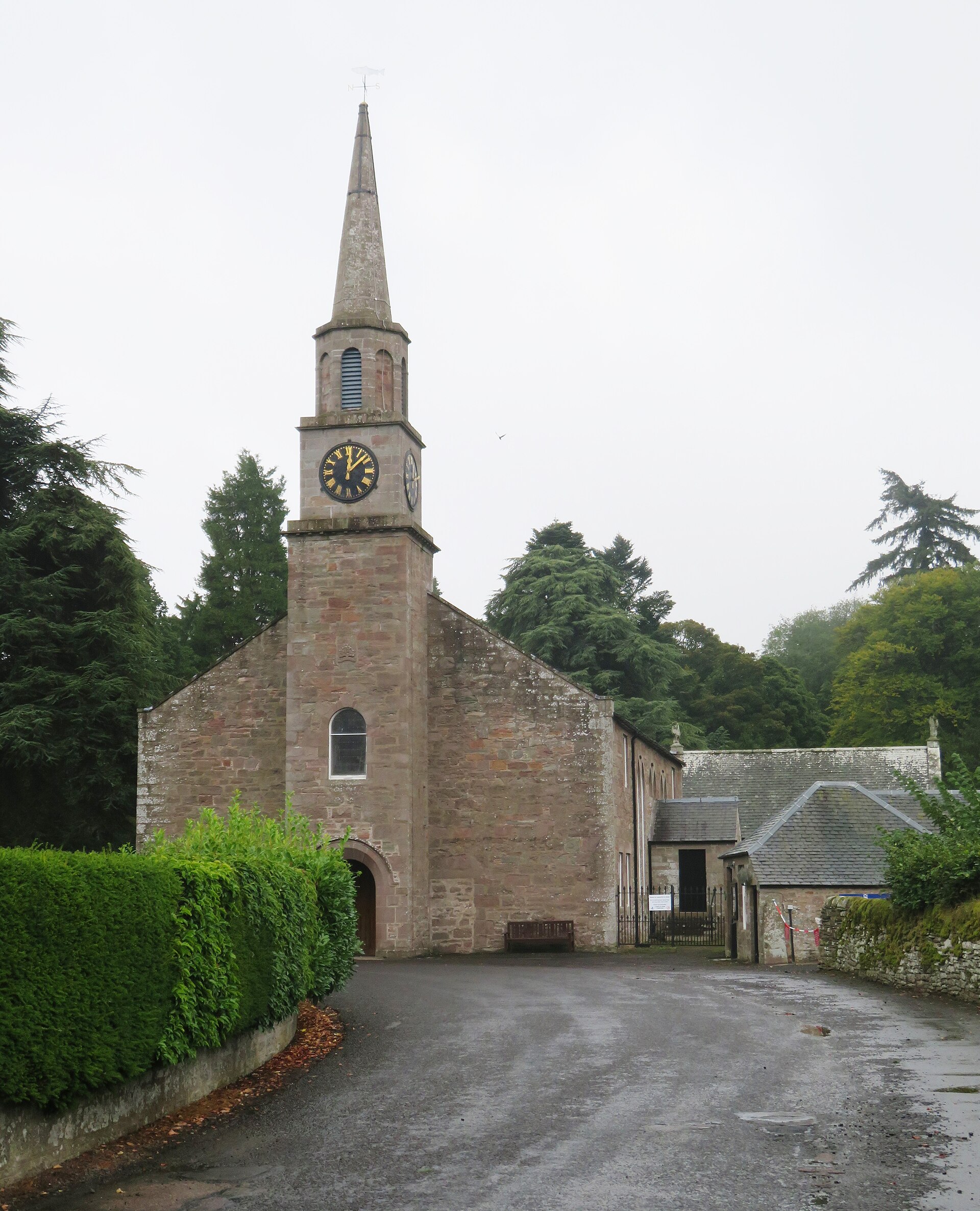
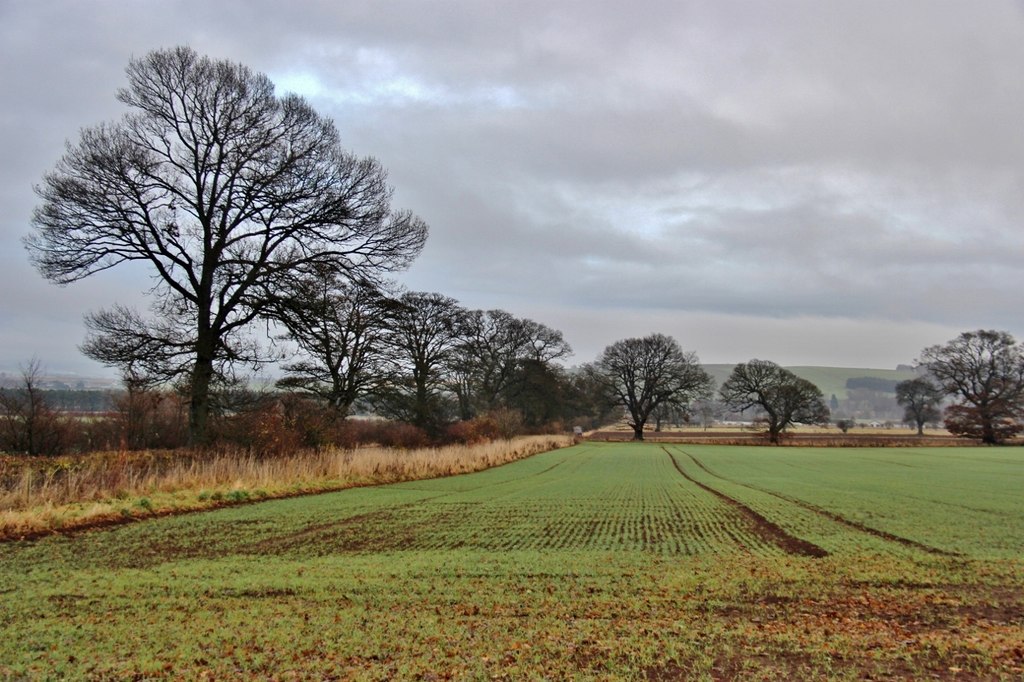
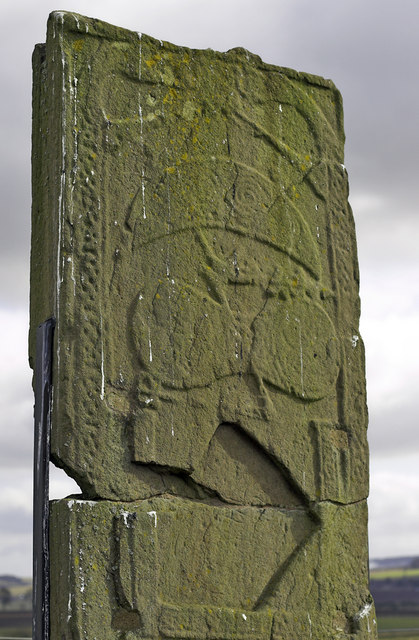
Carved stone · Pictish & early medieval
St Orland's Stone
Angus
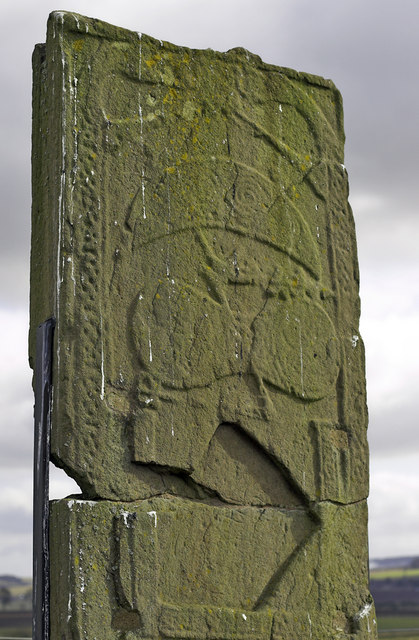
The stone is a Class II Pictish cross-slab - worked Old Red Sandstone carved in relief on both faces, bearing Pictish symbols alongside a Christian…
- Near Forfar
- 15 min walk from car park
- Easy path
Questions people ask
- How long has the same family owned Glamis Castle?
- Since the fourteenth century. A castle stood at Glamis by 1372, when Robert II granted the lands to Sir John Lyon, and it has remained with the Lyon, later Bowes-Lyon, family ever since.
- What is Glamis Castle's royal connection?
- It was the childhood home of Elizabeth Bowes-Lyon, later Queen Elizabeth the Queen Mother, born in 1900, and the birthplace of her daughter Princess Margaret in 1930.
- Who was Janet Douglas, Lady Glamis?
- Wife of the 6th Lord Glamis, she was accused of treason, poisoning and witchcraft, and burned at the stake in Edinburgh on 17 July 1537, after which James V seized the castle.
- Is Glamis Castle connected to Shakespeare's Macbeth?
- In the play Macbeth resides at Glamis Castle, but the historical King Macbeth had no actual connection to it; the link is Shakespeare's, not history's.
- What is the Monster of Glamis?
- It is the castle's most famous legend: a deformed heir said to have been kept hidden and his rooms bricked up. It is a tradition, not documented fact.
- Can you visit Glamis Castle?
- Yes. It remains the seat of the Earl of Strathmore and Kinghorne and is open to the public.
Sources
- Canmore: Glamis Castle, site record 32055 (accessed 2026-07-18)
- Historic Environment Scotland: designation LB11701 (accessed 2026-07-18)
- Wikipedia: Glamis Castle (accessed 2026-07-18)
Explore more: Fortified places · Medieval · Angus
The Ancient Codex, in your pocket
Get the Pocket Codex app
Carry the directory with you — Glamis Castle and thousands of ancient places across Britain and Ireland, offline, wherever you roam.