
The stone is a Class II Pictish cross-slab - worked Old Red Sandstone carved in relief on both faces, bearing Pictish symbols alongside a Christian cross, which places it in John Romilly Allen and…
St Orland’s Stone is a carved stone near Forfar, Angus, Scotland.
What follows is drawn from published sources, with each claim labelled by how firmly it is established.
The name
The cross-slab is known as St Orland's Stone and also as the Cossans (or Cossins) stone after its location at Cossans, in the former parish of Glamis between Kirriemuir and Forfar in Angus.
History
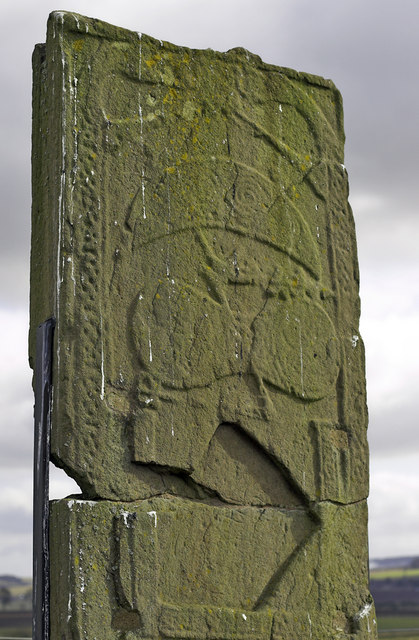
The stone is a Class II Pictish cross-slab - worked Old Red Sandstone carved in relief on both faces, bearing Pictish symbols alongside a Christian cross, which places it in John Romilly Allen and Joseph Anderson's Class II category.
At some point the slab was broken and was repaired using iron staples - originally set on the faces of the stone and later moved to its edges to reinforce it.
A quadrangular section between the Pictish symbols and the figural carving on the rear face is missing, appearing to have been cut out or removed from a previously inlaid panel.
People
-
The Picts
The culture that carved and raised the cross-slab
-
John Romilly Allen and Joseph Anderson
Scholars whose classification system places the stone in Class II
Cultural influences
-
Pictish symbol tradition - the rear face carries crescent-and-V-rod and double-disc-and-Z-rod symbols.
-
Early Christian Scotland - the front face bears a ringed Celtic cross with interlaced knotwork and spiral designs, fused with the older Pictish symbol tradition typical of Class II cross-slabs.
Connections
-
Glamis (former parish)
The stone stands in situ in the former parish of Glamis, near Cossans farm
-
Kirriemuir and Forfar
Nearest Angus towns; the stone lies between them, south-west of the A926 midpoint
What to look for
-
The cross face: a ringed Celtic cross decorated with interlaced knotwork and spiral designs, flanked in the lower two quadrants by interlaced fantastic beasts.
-
The rear face: crescent-and-V-rod and double-disc-and-Z-rod Pictish symbols above a hunting scene with four horsemen and two hounds, with a boat full of passengers and a beast facing or attacking a bull below.
-
The iron staples on the edges of the slab - evidence of an old repair after the stone was broken - and the missing quadrangular panel on the rear face.
-
The standing slab itself: worked Old Red Sandstone about 2.4 m tall and 0.7 m wide, carved in relief on both faces.
Plan your visit
- Location
- 56.6381°N · 2.9785°W
- Nearest settlement
- Forfar
- Access
- Reached on a public path
- Terrain
- Easy going
- Start point
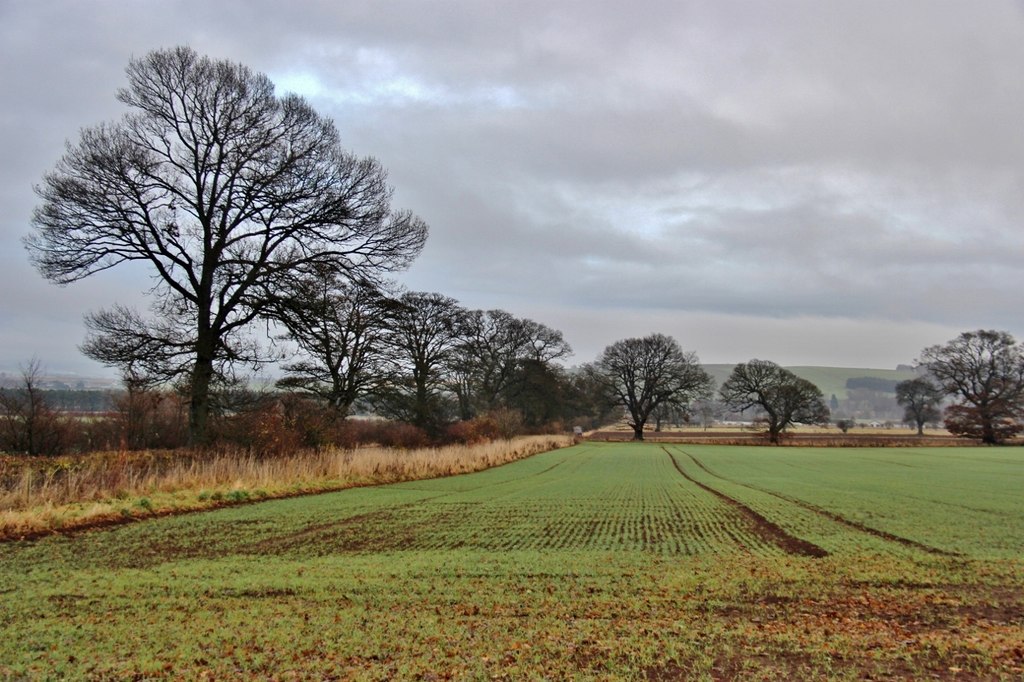
- St Orland’s Stone · In a field near Cossans farm, 4.5m west of Forfar off the A926. Not signposted.
- Best time
- Open year-round.
- Start point
- Meikle Cossans (roadside near Cossans farm) (parking unconfirmed) — No dedicated car park. The stone stands in a field near Cossans farm, 4.5 miles west of Forfar off the A926, and is not signposted. Approach is via minor roads near Meikle Cossans; park considerately on the roadside without blocking farm access, then walk in. Field access may require permission from the landowner.
Opening & admission
Ticketed — check the official site for current prices
- Open year-round.
Nearby places
Fortified place · Medieval
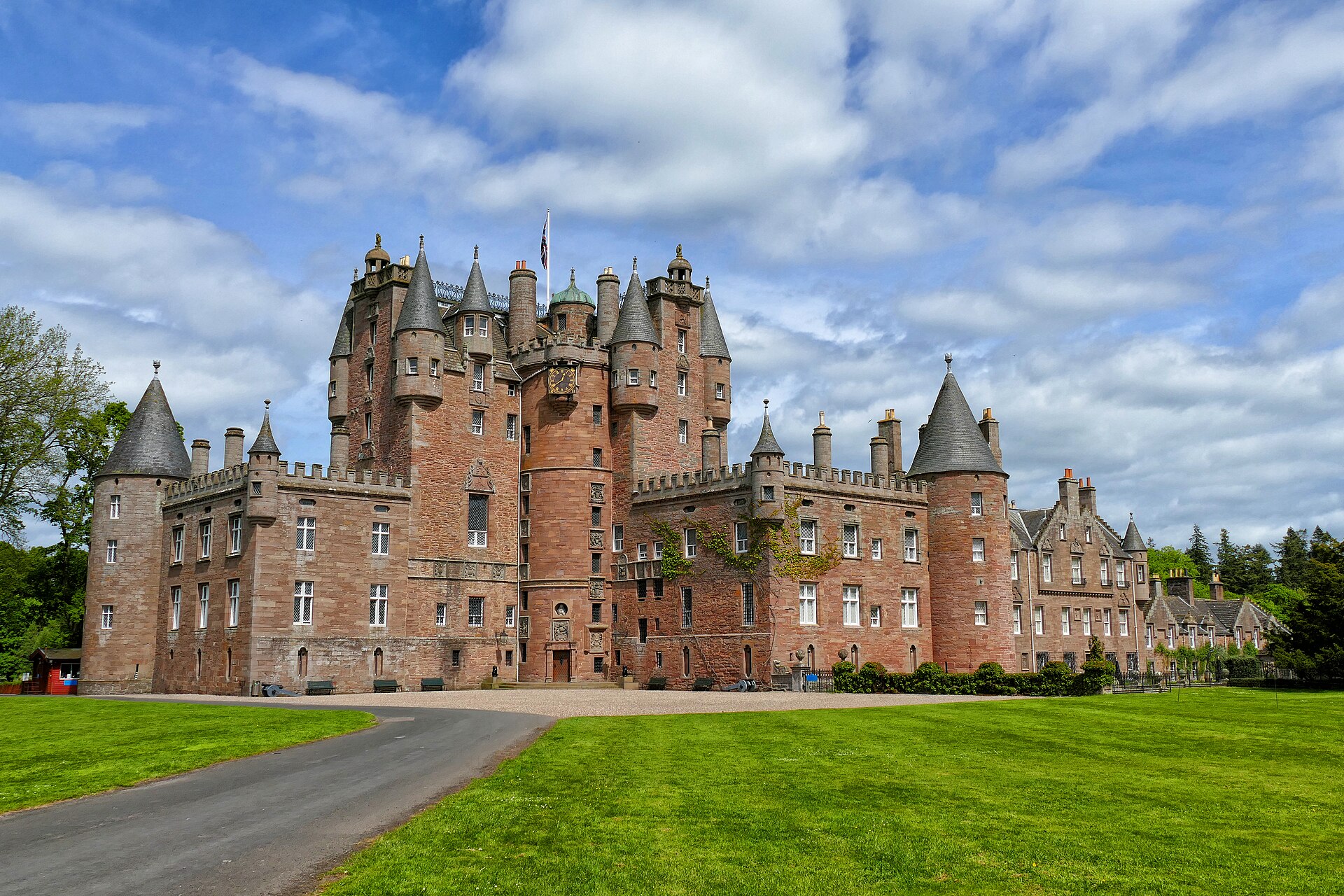
Glamis Castle
Angus
Home of the Lyon family since the fourteenth century, Glamis binds a medieval tower house to royal births, a notorious witchcraft trial and some of…
- Easy path
Sources
- Canmore site record 33868 (accessed 2026-06-13)
- Trove (HES) record (accessed 2026-06-13)
- Wikipedia: St Orland's Stone (accessed 2026-06-13)
- Wikidata Q7595003 (accessed 2026-06-13)
Explore more: Carved stones · Pictish & early medieval · Angus
The Ancient Codex, in your pocket
Get the Pocket Codex app
Carry the directory with you — St Orland's Stone and thousands of ancient places across Britain and Ireland, offline, wherever you roam.