
Building or ruin · Medieval · West Lothian
Linlithgow Palace
It was one of the principal residences of Scotland's Stewart monarchs and the birthplace of Mary, Queen of Scots.
Linlithgow Palace stands beside its loch in West Lothian, the roofless shell of what was once a principal royal residence of the Scottish monarchs. A royal manor occupied the site from the twelfth century, and English forces under Edward I raised a fortification here in the early fourteenth century. The building that survives today owes its form to the Stewart kings: after 1424 James I began rebuilding it as a comfortable residence rather than a stronghold, and successive monarchs — James III, James IV and James V among them — added ranges around a central courtyard, a great hall, a chapel and an ornate courtyard fountain. The palace saw the births of two Scottish sovereigns, James V in 1512 and Mary, Queen of Scots, in 1542. It remained in royal use into the seventeenth century, with Charles I among its last reigning guests. Its ruin came in 1746, when troops quartered here during the Jacobite rising left fires burning and the buildings were gutted. Now cared for by Historic Environment Scotland, the surviving walls, carved stonework and elaborate fountain still convey the ambition of a Renaissance royal court, and the site has drawn fresh visitors through its appearance in the television series Outlander.
What follows is drawn from published sources, with each claim labelled by how firmly it is established.
In culture
-
Used for Wentworth Prison scenes in Outlander.
What to look for
-
The elaborately carved courtyard fountain commissioned under James V
-
The great hall and roofless ranges enclosing the central courtyard
-
The surviving royal apartments and chapel
-
The setting beside Linlithgow Loch
-
Stonework and detailing added by successive Stewart kings
Plan your visit
- Location
- General area near West Lothian, West Lothian
This is a sensitive or fragile site, so we show only its general area. Please check official heritage sources for access before visiting, and take care not to disturb it.
Nearby places
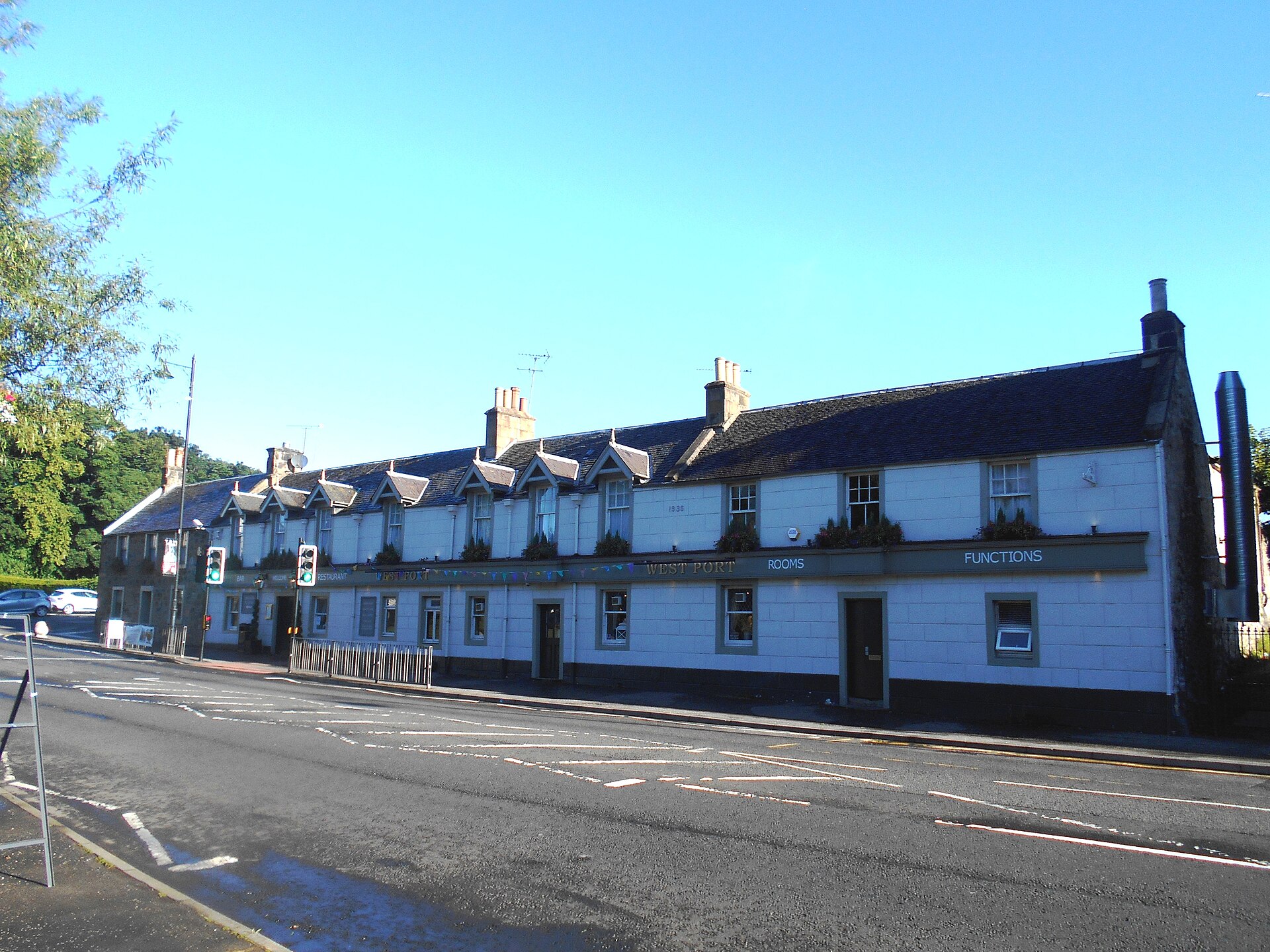
Ancient tree · Medieval
Katie Wearie's Tree
Perth and Kinross
A named, long-standing tree carried in local memory as a landmark — included for its place in the landscape, with age and superlative claims held f…
- Near Perth and Kinross
Tomb or burial place · Prehistoric
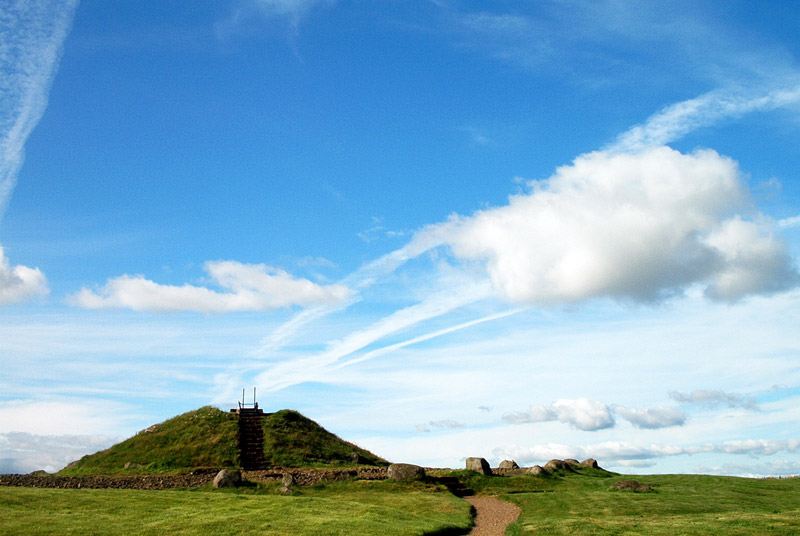
Cairnpapple Hill
West Lothian
Cairnpapple Hill, on a dominating summit 312 metres above sea level with views from coast to coast in central lowland Scotland, was used and re-use…
- Near Bathgate
- 264 metres from car park
- Easy path
The Ancient Codex, in your pocket
Get the Pocket Codex app
Carry the directory with you — Linlithgow Palace and thousands of ancient places across Britain and Ireland, offline, wherever you roam.