
Dumyat is a hill (418 metres) at the western extremity of the Ochil Hills in central Scotland, with two principal summits: Castle Law on the west and Dumyat proper on the east. On the summit of…
Castle Law, Dumyat is a fortified place near Blairlogie, Stirling, Scotland.
What follows is drawn from published sources, with each claim labelled by how firmly it is established.
The name
The name Dumyat (or Dunmyat; Scottish Gaelic 'Dùn Mhèad') is thought to originate from 'Dun' (hill fort) of the Maeatae — the Iron Age people associated with the fort.
History
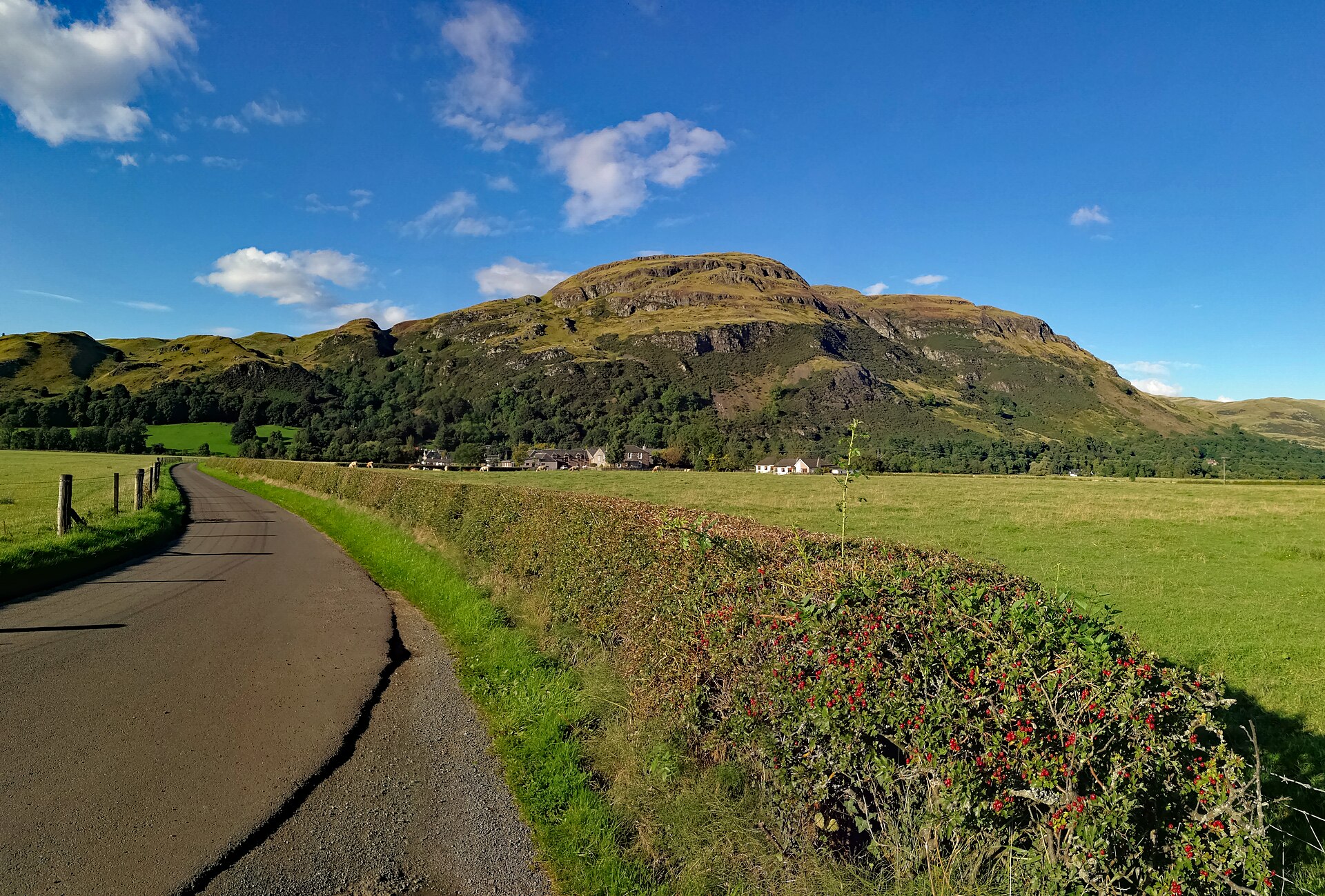
Dumyat is a hill (418 metres) at the western extremity of the Ochil Hills in central Scotland, with two principal summits: Castle Law on the west and Dumyat proper on the east. On the summit of Castle Law the remains of an ancient hill fort, originally occupied by the Maeatae, are still clearly discernible; the fort is a scheduled monument.
The fort has been excavated by Dr Murray Cook and Professor Gordon Noble of Aberdeen University. Radiocarbon dates from the site indicate at least two periods of use: c. 500 BC and the 5th to 7th century AD.
The hill's distinctive shape is an important part of the Stirling-area scenery and is often depicted, particularly in postcards and calendars, in combination with the nearby Abbey Craig. It is a popular climb for tourists, helped by the proximity of the Wallace Monument.
People
-
The Maeatae
Iron Age people who originally occupied the hill fort and from whom the hill takes its name
-
Dr Murray Cook
Archaeologist who excavated the fort (with Gordon Noble) for Aberdeen University
-
Professor Gordon Noble
Archaeologist (Aberdeen University) who excavated the fort
Cultural influences
-
The radiocarbon evidence for two phases of use — c. 500 BC and the 5th-7th century AD — points to occupation spanning the Iron Age and into the early medieval period.
Connections
-
Abbey Craig
Neighbouring hill frequently depicted together with Dumyat in views of the Stirling area
-
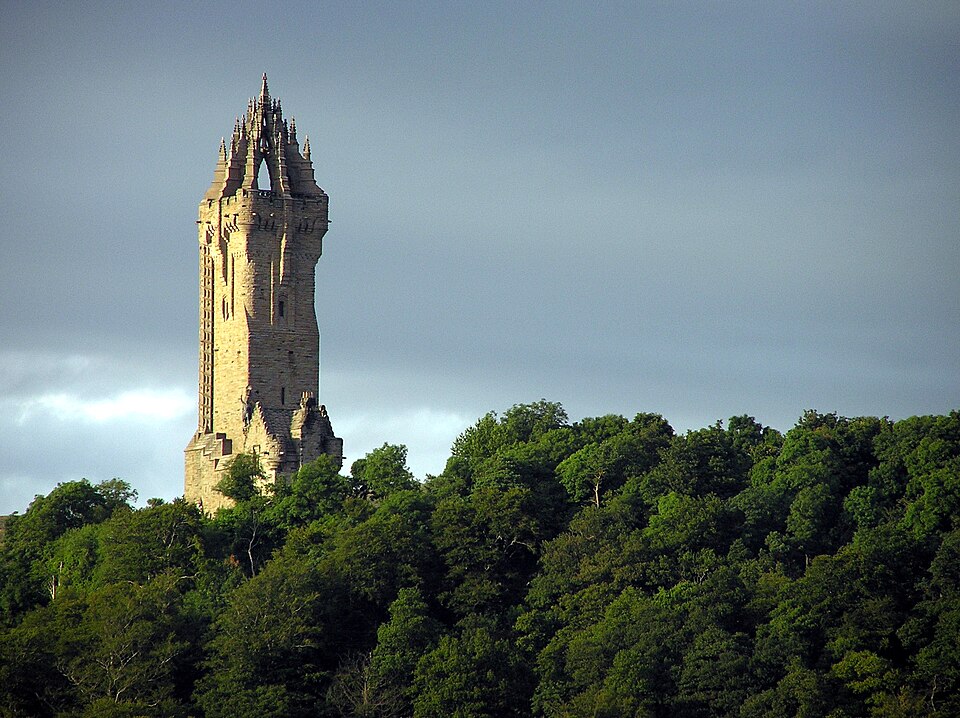
Photo: Finlay McWalter / Wikimedia Commons / CC BY-SA 3.0 Wallace Monument
Nearby landmark whose proximity helps make Dumyat a popular climb
Discovery & excavation
The hill fort on the summit of Castle Law has been subject to excavation by Dr Murray Cook and Professor Gordon Noble of Aberdeen University. Radiocarbon dates obtained from the site indicate at least two periods of use, c. 500 BC and the 5th to 7th century AD.
In culture
-
The hill's characteristic shape is often depicted in postcards and calendars of the Stirling area, frequently shown together with the nearby Abbey Craig.
What to look for
-
The clearly discernible remains of the Iron Age hill fort on the summit of Castle Law, the western of Dumyat's two summits.
-
At the top of Dumyat: a memorial to the Argyll and Sutherland Highlanders, a trig point, and a characteristic cairn with a beacon — commissioned for the Queen's Silver Jubilee in 1977 and erected by the Menstrie Scout Group — now filled with wish-stones.
-
The scree on the scarp face of Castle Law, a source of agates and occasionally smoky quartz, citrine, calcite, barytes and the copper ores malachite and azurite.
What is said
Folklore and tradition, recorded as what is said — not as established fact.
-
The stones placed in the summit beacon are said to be wishes that have been made by people climbing the hill. (local custom)
Plan your visit
- Location
- 56.1577°N · 3.8773°W
- Nearest settlement
- Blairlogie
- Access
- Reached on a public path
- Terrain
- Moderate walking
- Start point
- Blairlogie / Dumyat path parking — Roadside parking and information board near Blairlogie at the foot of the usual Dumyat ascent; the hillfort remains are a steep walk up onto the Castle Law summit. No official HES visitor parking exists for this open-hill site.
Nearby places
Fortified place · Medieval
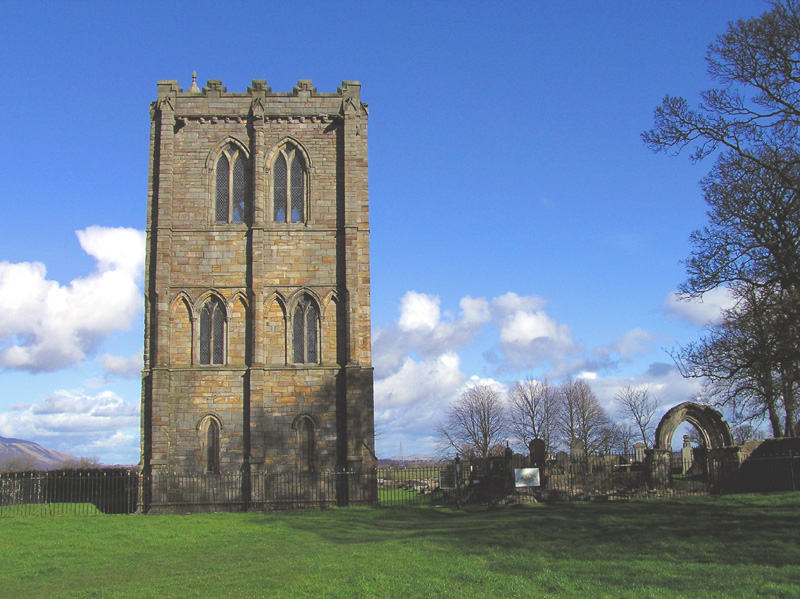
Cambuskenneth Abbey
Stirling
Cambuskenneth Abbey, a provostry of canons regular on land enclosed by a meander of the River Forth near Stirling, was founded by order of King Dav…
- Near Stirling
- 263 metres from car park
Fortified place · Medieval
Stirling Castle
Stirling
Stirling Castle holds the finest surviving Renaissance royal architecture in the British Isles, raised by the Stewart kings on a crag that commande…
Sources
- Canmore site record 47117 (accessed 2026-06-13)
- Trove (HES) record (accessed 2026-06-13)
- HES designation SM2182 (accessed 2026-06-13)
- Wikipedia: Dumyat (accessed 2026-06-13)
- Wikidata Q1265168 (accessed 2026-06-13)
Explore more: Fortified places · Iron Age · Stirling
The Ancient Codex, in your pocket
Get the Pocket Codex app
Carry the directory with you — Castle Law, Dumyat and thousands of ancient places across Britain and Ireland, offline, wherever you roam.