
Cambuskenneth Abbey, a provostry of canons regular on land enclosed by a meander of the River Forth near Stirling, was founded by order of King David I of Scotland around 1140. It was a daughter…
Cambuskenneth Abbey is a fortified place in Stirling, Stirling, Scotland.
What follows is drawn from published sources, with each claim labelled by how firmly it is established.
The name
Founded as the Abbey of St Mary, it was initially known as the Abbey of St Mary of Stirling (sometimes simply 'Stirling Abbey'); it becomes known as Cambuskenneth rather than Stirling from around 1207, as shown by papal bulls of the time. The neighbouring modern village of Cambuskenneth is named after the abbey.
History
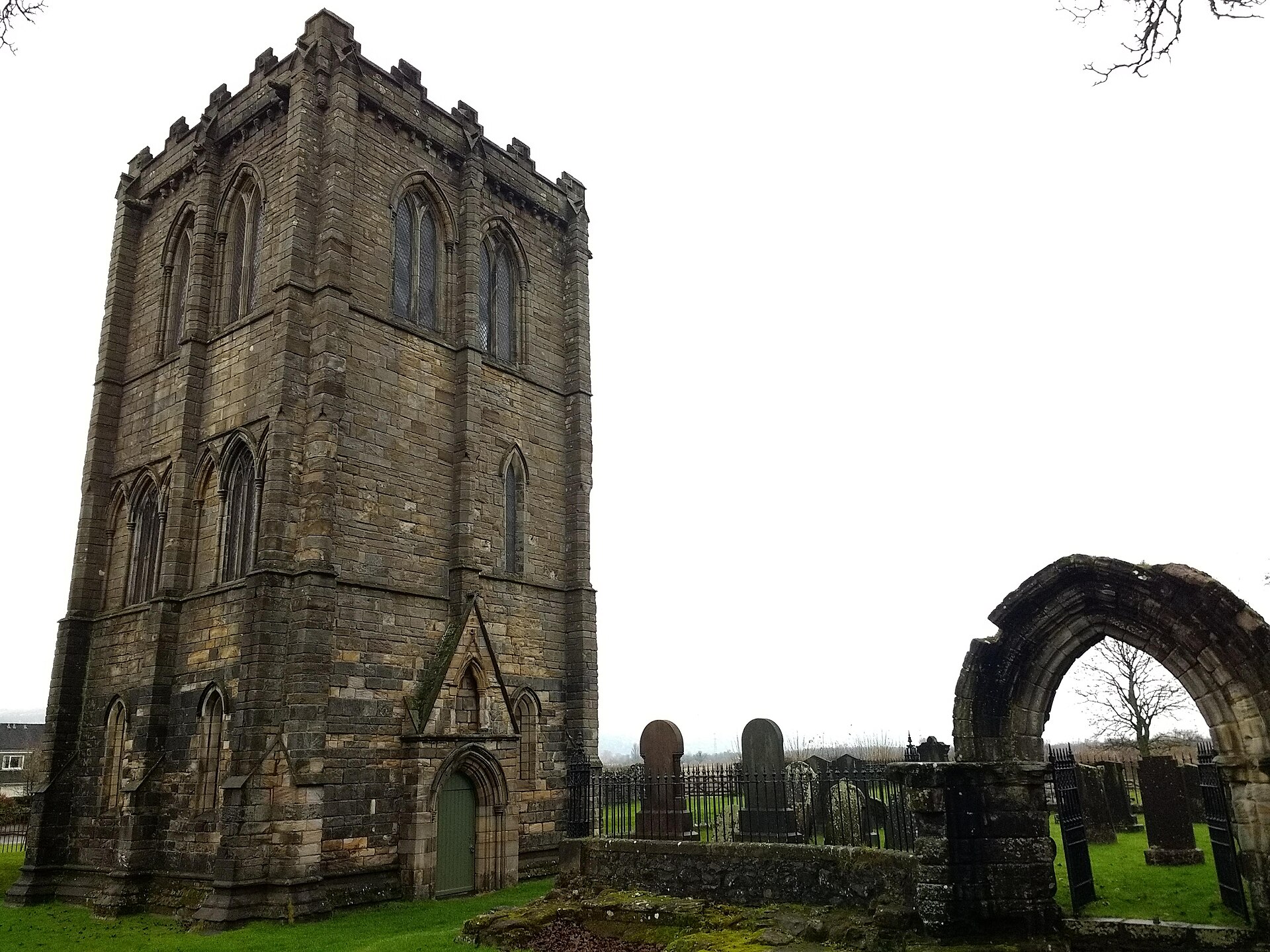
Cambuskenneth Abbey, a provostry of canons regular on land enclosed by a meander of the River Forth near Stirling, was founded by order of King David I of Scotland around 1140. It was a daughter house of the French Arrouaise Order — the only one in Scotland — known for a Cistercian-inspired severe way of life that the canons gradually relaxed. Pope Eugene III placed the abbey under his protection by papal bull in 1147, confirmed by Alexander III (1164) and Celestine III (1195).
As a royal abbey beside the leading burgh of Stirling, Cambuskenneth was closely tied to the crown. In 1303 Edward I of England prayed and received an oath of loyalty from Robert Wishart, Bishop of Glasgow, here; in 1308 nobles including Niall mac Cailein and Gilbert II de la Hay swore allegiance to Robert the Bruce.
Robert the Bruce held a parliament at the abbey in 1314, five months after the victory at Bannockburn, and the spoils of the battle were shared out on the abbey grounds; a further parliament in 1326 saw nobles and clergy swear to confirm the succession of his son David II. The abbey was used so often for parliaments in the 14th century that one connected building became known as 'Parliament Hall'.
Margaret of Denmark died at Stirling Castle in 1486 and was buried at the abbey; her husband James III, killed at the Battle of Sauchieburn in 1488, was also brought here for burial. His tomb, finished in 1502 and painted by David Pratt, was damaged after the abbey's dismantling and restored in 1865 with funding from Queen Victoria.
The abbey fell into disuse during the Scottish Reformation. In 1560 it was placed under the military governor of Stirling Castle, John Erskine, who had much of the stonework removed for building projects in the castle; his nephew Adam Erskine was made Commendator.
People
-
King David I of Scotland
Founded the abbey around 1140
-
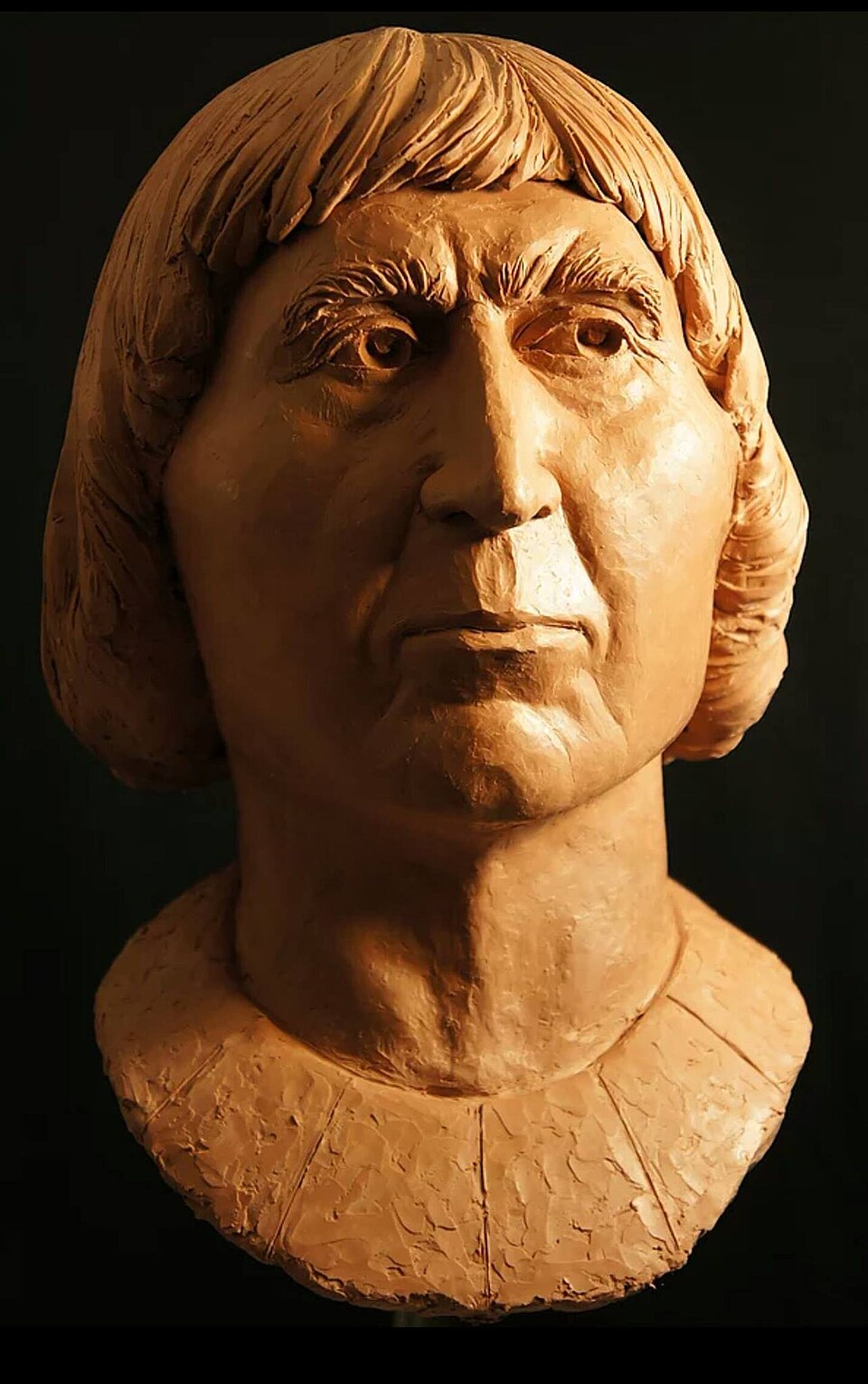
Portrait: S.A.Farabi / Wikimedia Commons / CC BY-SA 4.0 Robert the Bruce
Held parliaments at the abbey (1314, 1326); the spoils of Bannockburn were shared out on its grounds
-
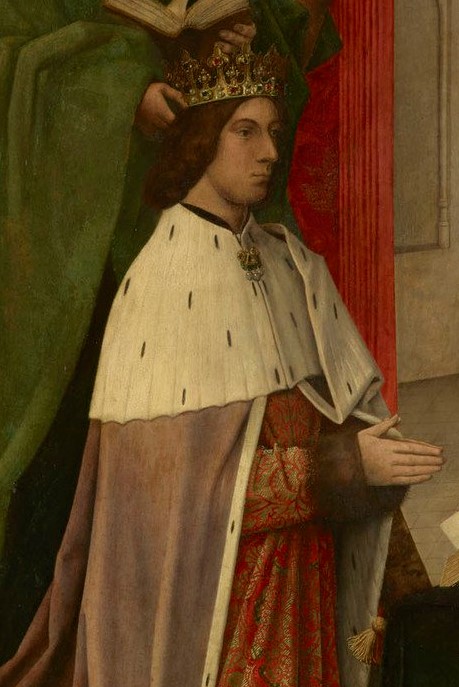
Portrait: Hugo van der Goes / Wikimedia Commons / Public domain James III of Scotland
King killed at the Battle of Sauchieburn (1488) and buried at the abbey; his restored tomb stands at the east end of the ruins
-
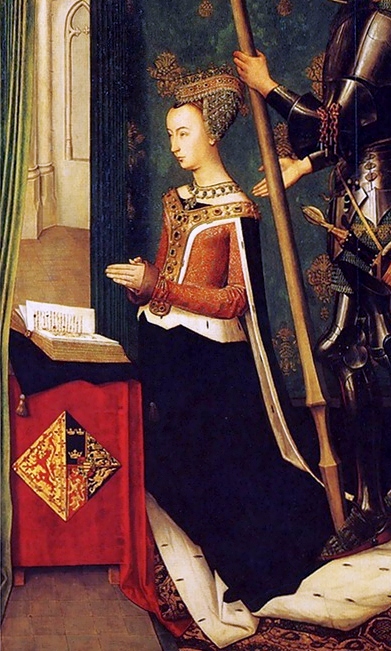
Portrait: Hugo van der Goes / Wikimedia Commons / Public domain Margaret of Denmark
Queen consort of James III; died at Stirling Castle in 1486 and buried at the abbey
-
Patrick Paniter
Became Abbot in 1513; also secretary to James V and fought at Flodden the same year
-
Alexander Myln
Abbot from 1517; later the inaugural president of the College of Justice
-
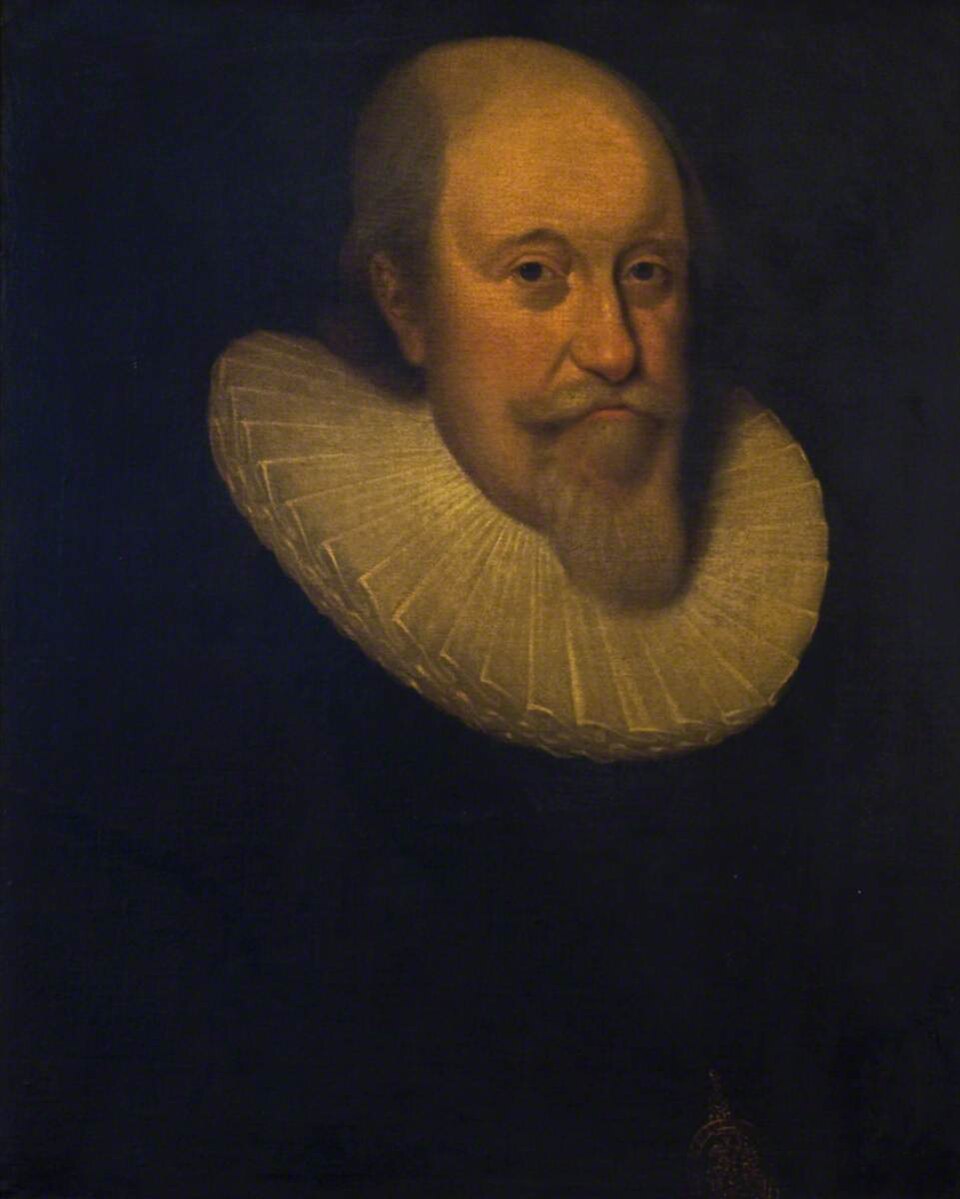
Portrait: Unknown artistUnknown artist / Wikimedia Commons / CC BY 4.0 John Erskine
Military governor of Stirling Castle who, from 1560, had much of the abbey's stonework removed for use in the castle
Cultural influences
-
As the only Scottish daughter house of the French Arrouaise Order, the abbey introduced that congregation's distinctive, Cistercian-inspired observance to Scotland.
-
The abbeys founded under David I, Cambuskenneth among them, supplied literate individuals for the royal court and administrative duties — a new influence in Scottish public life.
Connections
-
Stirling Castle / Royal Burgh of Stirling
The abbey's royal importance came in part from its proximity to Stirling; after 1560 its stone was reused in the castle
-
Holyrood Abbey
Compared in the sources — a royal abbey beside a national stronghold, as Cambuskenneth was to Stirling and Holyrood to Edinburgh
-
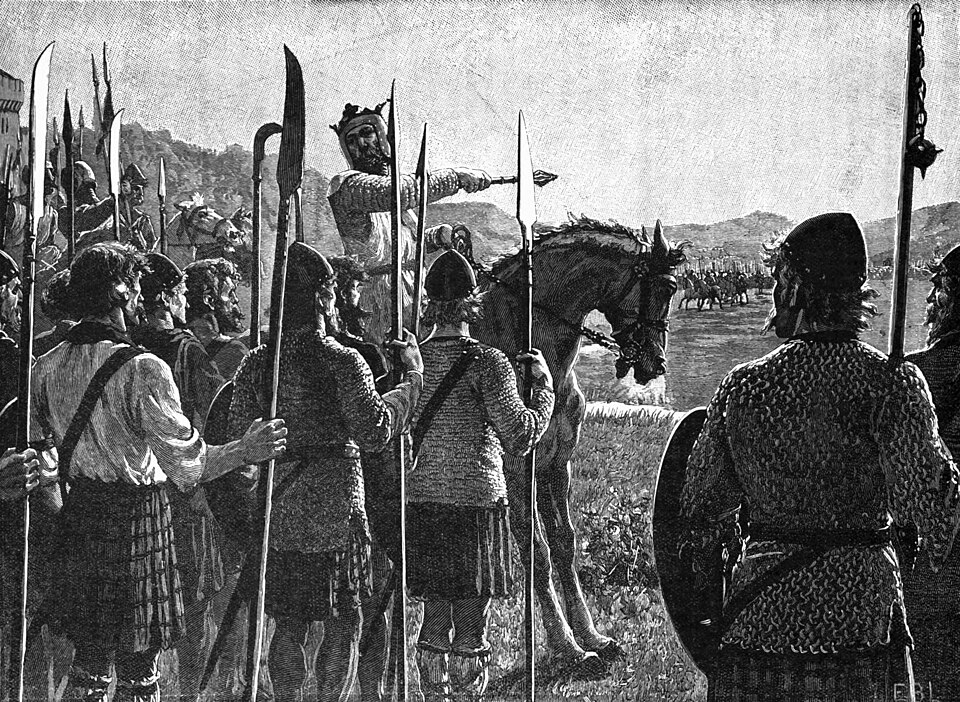
Photo: Edmund Blair Leighton / Wikimedia Commons / Public domain Battle of Bannockburn
Its spoils were divided on the abbey grounds, and a parliament was held here five months after the 1314 victory
-
Abbey Craig (Wallace Monument)
Named for its siting near Cambuskenneth Abbey
What to look for
-
The intact 13th-century campanile (bell tower) — the only part of the abbey still standing, following an extensive renovation in 1859.
-
The tomb of James III and Margaret of Denmark, within a railed enclosure at the east end of the ruins, restored in 1865 with funds from Queen Victoria.
-
The visible foundations of the abbey church and ancillary buildings, much of them dating from around the 13th century, set within a meander of the River Forth, alongside the historic graveyard that also holds many of the Abbots of Cambuskenneth.
Plan your visit
- Location
- 56.1232°N · 3.9177°W
- Nearest settlement
- Stirling
- Access
- Open access
- Start point
- 1m East of Stirling off the A907.
- Best time
- Cambuskenneth Abbey is free to visit. Open 1 April to 30 September: Daily, 9.30am to 5.30pm Last entry 5pm Access is over agricultural land, which can be muddy. Closed 1 October to 31 March Support us As a Scottish charity, it’s thanks to the generosity of people all over the world that we can go above and beyond to protect Scotland’s heritage.
- Start point
- Cambuskenneth village (parking unconfirmed) — The abbey sits within a meander of the River Forth and is reached on foot through Cambuskenneth village; HES notes access is over agricultural land which can be muddy. HES lists no dedicated car park, so park considerately in the village.
Opening & admission
Free entry
- Cambuskenneth Abbey is free to visit.
- Open 1 April to 30 September: Daily, 9.30am to 5.30pm Last entry 5pm Access is over agricultural land, which can be muddy.
- Closed 1 October to 31 March Support us As a Scottish charity, it’s thanks to the generosity of people all over the world that we can go above and beyond to protect Scotland’s heritage.
- The grounds and the ground floor of the abbey are open.
Nearby places
Sacred place · Medieval
Church of the Holy Rude
Stirling
It is one of very few churches in Britain to have witnessed a coronation, that of James VI in 1567, and preserves a rare medieval burgh church in n…
Fortified place · Medieval
Stirling Castle
Stirling
Stirling Castle holds the finest surviving Renaissance royal architecture in the British Isles, raised by the Stewart kings on a crag that commande…
Sources
- Canmore site record 47271 (accessed 2026-06-13)
- Trove (HES) record (accessed 2026-06-13)
- Wikipedia: Cambuskenneth Abbey (accessed 2026-06-13)
- Wikidata Q1028378 (accessed 2026-06-13)
Explore more: Fortified places · Medieval · Stirling
The Ancient Codex, in your pocket
Get the Pocket Codex app
Carry the directory with you — Cambuskenneth Abbey and thousands of ancient places across Britain and Ireland, offline, wherever you roam.