
Lanark Castle is gone above ground, but its site still marks the origin point of the royal burgh of Lanark. The town grew outside the castle walls, while the castle itself occupied a high position on the east bank of the River Clyde near the meeting with Mouse Water.
The place carries several layers of fortification. The pack says the Romans built a fortification on Castle Hill because of its strategic command over the Clyde Valley, and that later fortifications followed after Rome’s brief occupation of southern Scotland ended.
What follows is drawn from published sources, with each claim labelled by how firmly it is established.
History
During the Roman occupation of southern Scotland, a fortification was built on the high ground still known as Castle Hill, south-west of the modern town centre. The position overlooked the Clyde Valley and the confluence of the Clyde with Mouse Water.
After the Roman occupation ended, other fortifications were built on the same strategic site. The later castle became the origin and heart of the settlement that developed into Lanark.
Some records claim that Kenneth II held a parliament at Lanark Castle in 978, but the pack says this is most likely inaccurate because Lanark was then part of the Kingdom of Strathclyde.
Lanark Castle was probably built during the reign of David I. It was most likely complete by 1144, when Lanark became a royal burgh.
The castle was used as a royal residence by David I and William the Lion. Although the building has long since been demolished, the scheduled monument designation protects the castle site as the core around which the burgh grew.
People
-
David I
David I probably built Lanark Castle and used it as a royal residence.
-
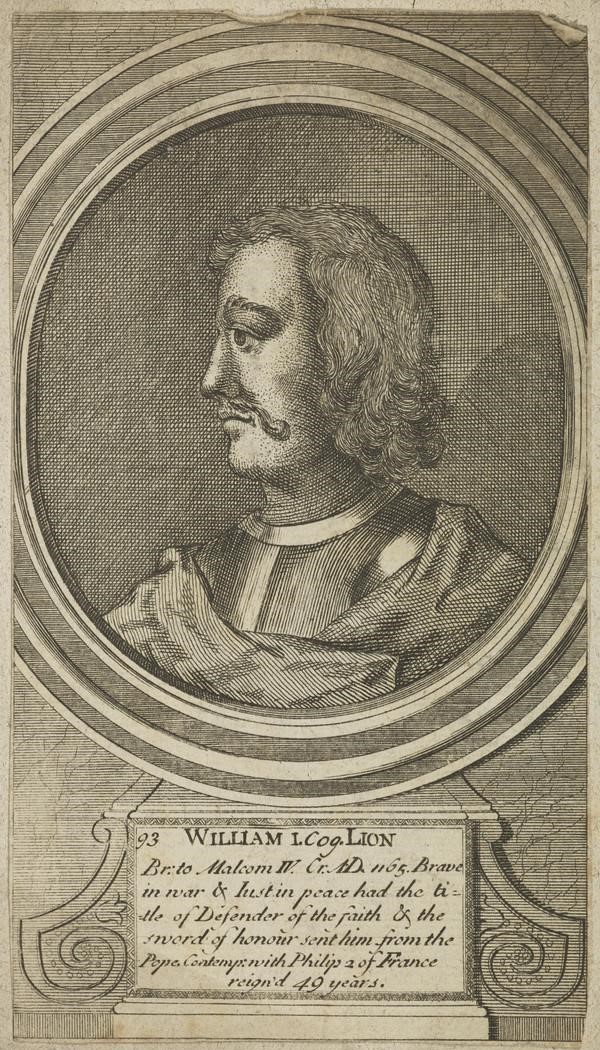
Portrait: Richard Cooper, the elder / Wikimedia Commons / Public domain William the Lion
William the Lion used Lanark Castle as a royal residence.
-
Kenneth II
Some records claim Kenneth II held a parliament at Lanark Castle in 978, but the pack says this is most likely inaccurate.
Cultural influences
-
Clyde Valley strategic high point
The site's height above the Clyde Valley explains both the Roman fortification and the later castle.
-
Royal burgh formation
Lanark grew outside the castle walls, making the castle site central to the town's origin.
Connections
-
River Clyde
The castle stood high on the east bank of the River Clyde.
-
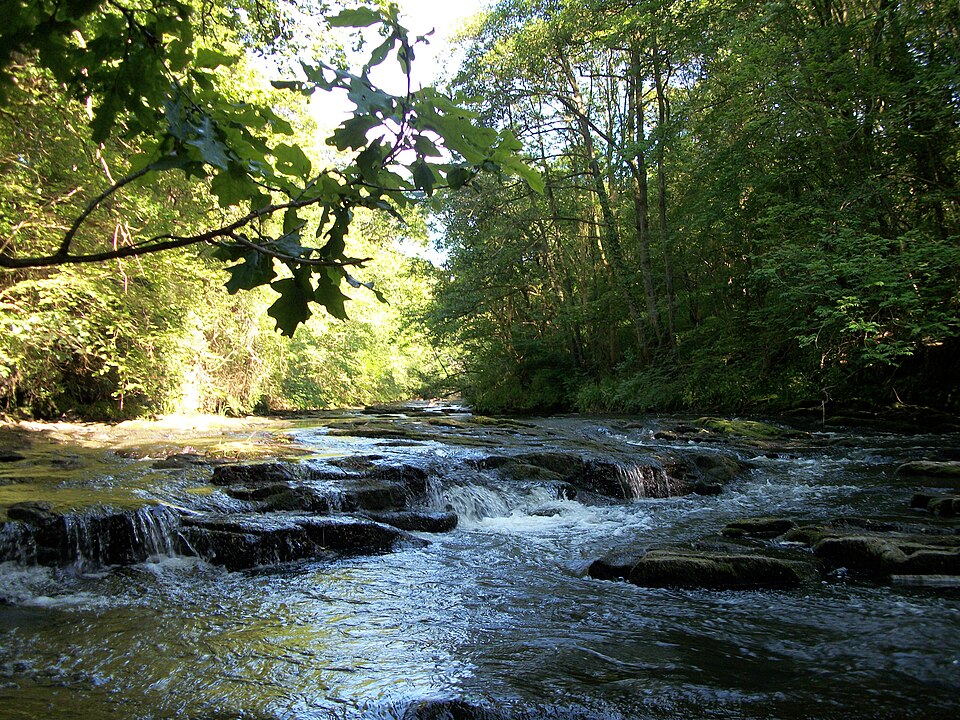
Photo: tb240904 / Wikimedia Commons / Public domain Mouse Water
The site lay near the confluence of the River Clyde and Mouse Water.
-
Kingdom of Strathclyde
Lanark was part of the Kingdom of Strathclyde at the time when the claimed 978 parliament is considered unlikely.
-
Royal burgh of Lanark
The town grew outside the castle walls and became a royal burgh by 1144.
In culture
-
The Scottish Chiefs
Lanark Castle features in Jane Porter's 1810 novel The Scottish Chiefs.
What to look for
-
Castle Hill setting
The scheduled site occupies high ground south-west of the modern town centre.
-
Clyde and Mouse Water landscape
The former castle site lies near the meeting of the River Clyde and Mouse Water.
-
Demolished castle footprint
The castle has long since been demolished, so the significance is in the protected site and landscape position rather than standing masonry.
Plan your visit
- Location
- 55.6703°N · 3.7837°W
- Access
- Open access
- Terrain
- Moderate walking
Opening & admission
The pack does not confirm admission or opening arrangements.
- The castle has long since been demolished.
- The scheduled site lies high on the east bank of the River Clyde near Mouse Water.
- The pack identifies Castle Hill as south-west of the modern town centre.
Nearby places
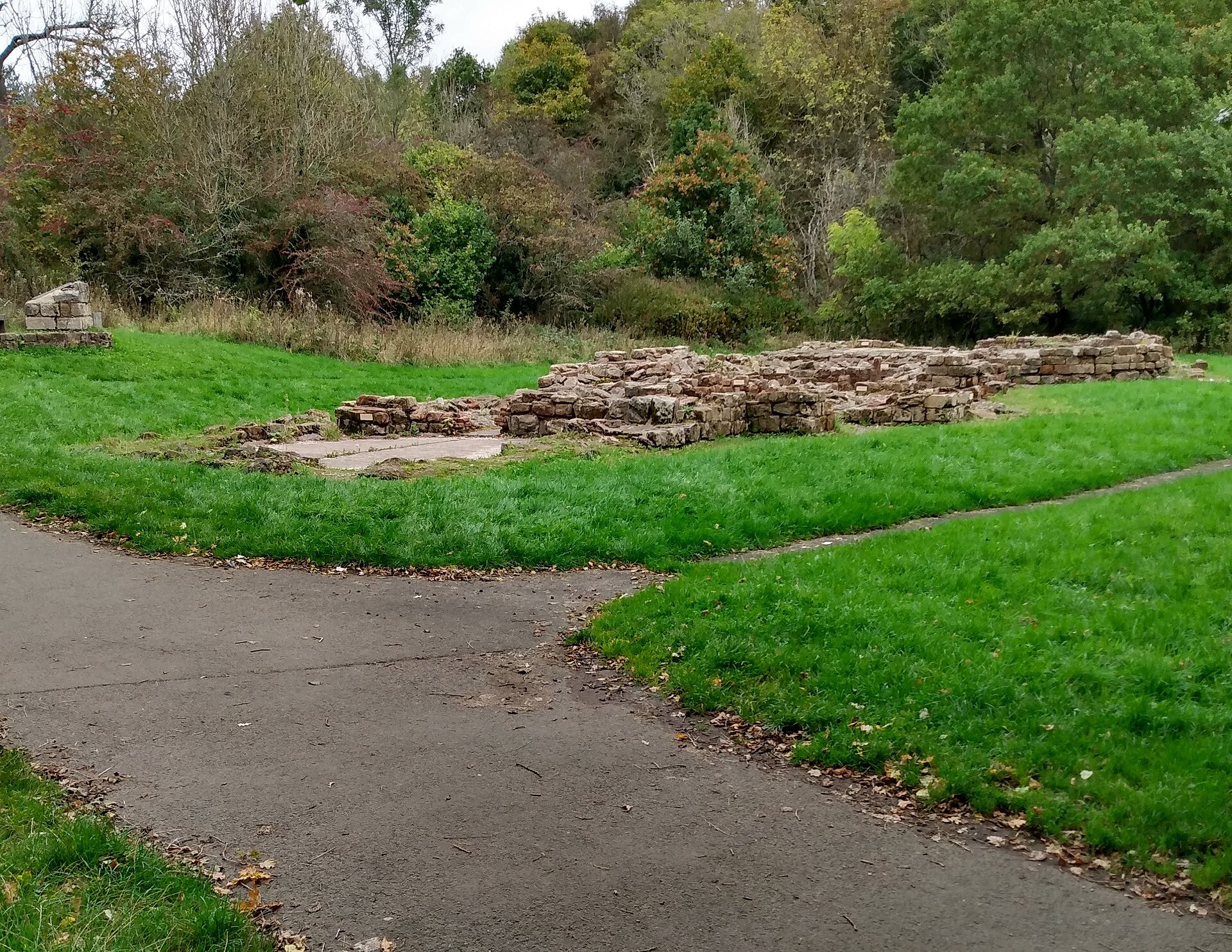
Fortified place · Medieval
Bothwell Castle
South Lanarkshire
Bothwell was among the most ambitious stone castles of thirteenth-century Scotland, and its ruins record a century of siege, slighting and rebuildi…
Questions people ask
- Where was Lanark Castle?
- It lay high on the east bank of the River Clyde near the confluence with Mouse Water, south-west of the modern town centre.
- Why is Lanark Castle important?
- It was the origin and heart of what later became the royal burgh of Lanark, with the town growing outside its walls.
- Was there a Roman fort at Lanark?
- The pack says the Romans built a fortification on Castle Hill because it was a strategic high point over the Clyde Valley.
- Did Kenneth II hold a parliament at Lanark Castle?
- Some records claim this happened in 978, but the pack says it is most likely not accurate because Lanark was then part of the Kingdom of Strathclyde.
- Does Lanark Castle still stand?
- No. The castle has long since been demolished, but the site is designated as a scheduled monument.
Sources
Explore more: Fortified places · Roman · South Lanarkshire
The Ancient Codex, in your pocket
Get the Pocket Codex app
Carry the directory with you — Lanark Castle and thousands of ancient places across Britain and Ireland, offline, wherever you roam.