
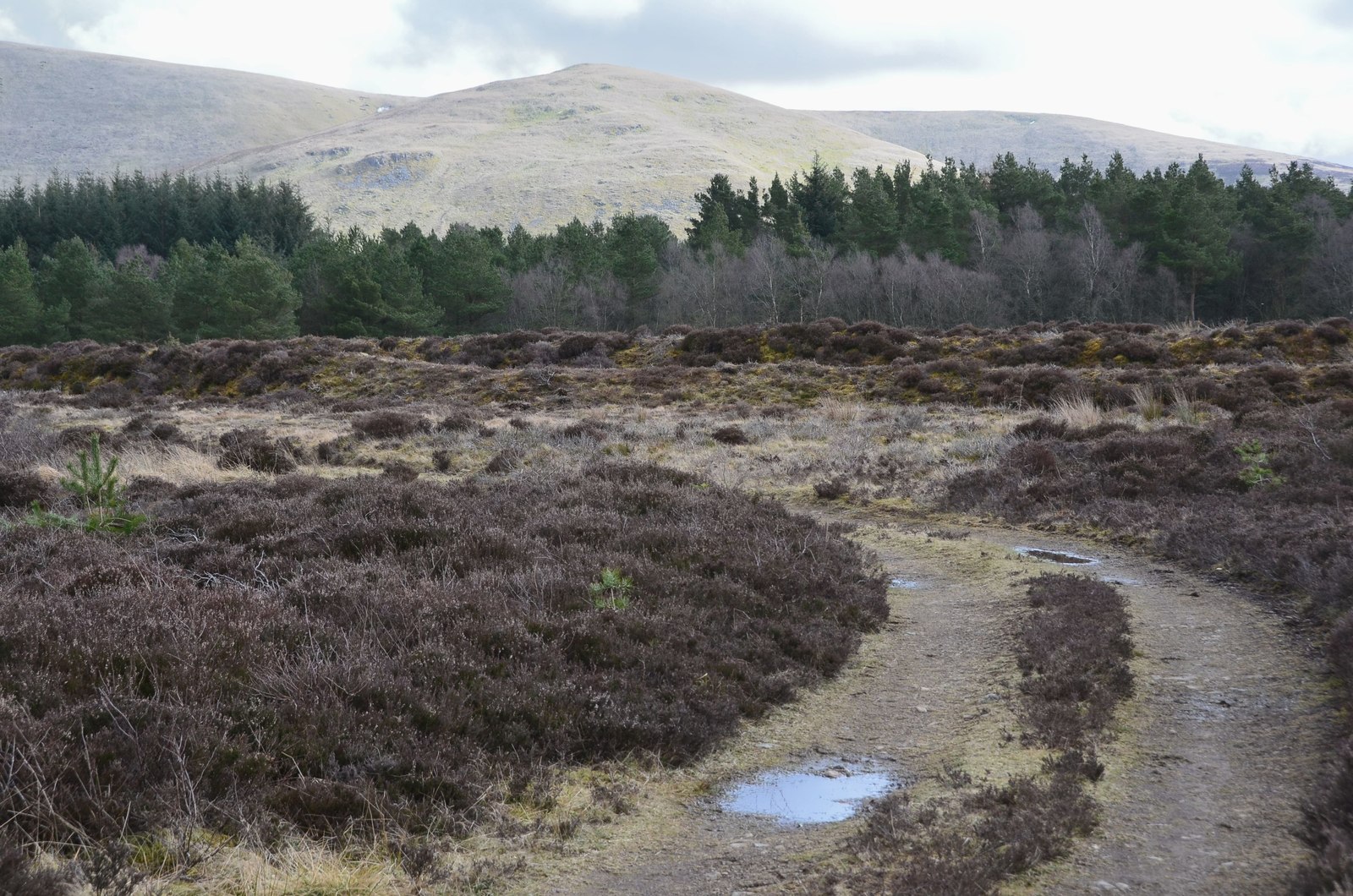
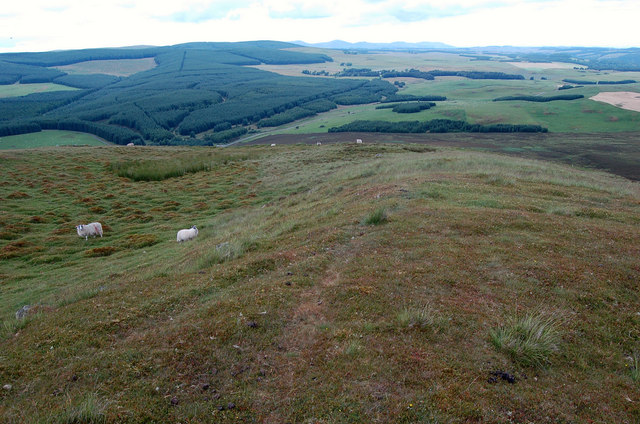
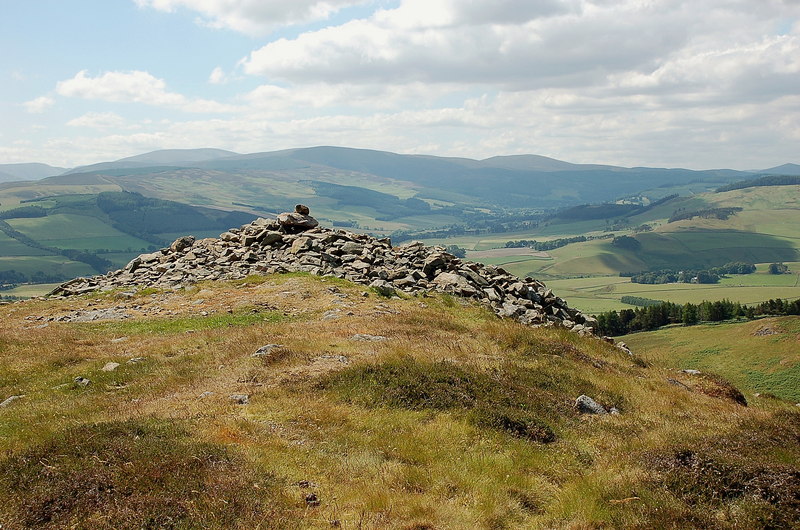
Low stony banks curve across the broad spur of Milkieston Hill. Milkieston Rings is a hillfort, a prehistoric hilltop enclosure built for defence and settlement, whose surviving earthworks have been complicated by quarrying and stone-robbing.
Milkieston Rings matters because it preserves traces of a multi-phase fort even after heavy damage. Inner banks, outer lines, and possible house platforms show how archaeologists read partial remains in a worked rural landscape.
The surviving plan is modest but useful. The damaged interior makes certainty difficult, yet the contrast between the central enclosure and the later surrounding works still hints at a place altered over time rather than built in one simple episode. Its position on a spur projecting from Cavarra Hill also explains why even fragmentary banks can still define a defensible place in the landscape.
What remains is not a dramatic stone ruin but a problem in field archaeology. The robbed banks, quarried interior, and faint house platforms ask the reader to notice changes in ground level, stone spread, and enclosure shape. That makes Milkieston Rings a good example of how damaged hillforts still hold evidence when their masonry has been reused elsewhere.
What follows is drawn from published sources, with each claim labelled by how firmly it is established.
History
The prehistoric fort was built on Milkieston Hill near Eddleston.
Quarrying and stone-robbing have damaged part of the site.
Two or three phases of construction have been suggested.
Two inner ramparts survive as low stony banks.
Three or four outer ramparts appear to have been added later.
The site is protected as a scheduled monument.
People
-
Historic Environment Scotland
Maintains the national record and protection status for Milkieston Rings.
Connections
-
Northshield Rings
Another hillfort near Eddleston with better-preserved defences.
-
Eddleston
Nearby village used to locate the hillfort.
-
Peebles
Nearest larger town in Tweeddale.
What to look for
-
Inner banks
The inner ramparts, defensive banks around the core, survive as low lines of stone.
-
Later outer lines
The outer works are additional defensive banks around the smaller inner enclosure.
-
Quarry damage
Part of the interior has been disturbed, making the layout harder to interpret.
-
House platforms
Possible house platforms mark former levelled building positions.
Plan your visit
- Location
- 55.7011°N · 3.1981°W
- Access
- Open access
- Terrain
- Rough ground — reasonable boots advised
Opening & admission
- Upland earthwork site on rough ground; follow responsible Scottish outdoor access.
Nearby places
Fortified place · Medieval
Neidpath Castle
Scottish Borders
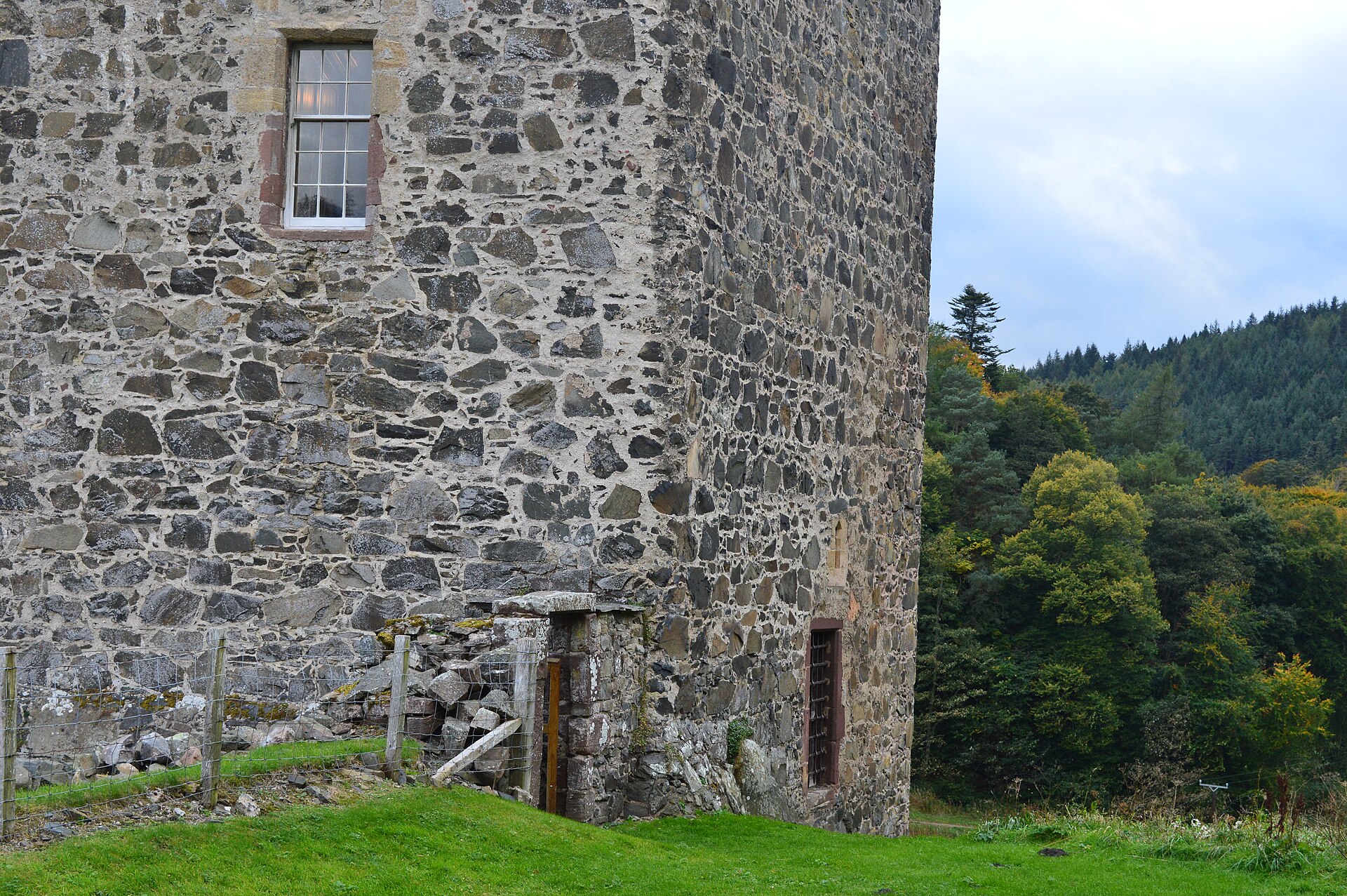
A well-preserved medieval L-plan tower house above the Tweed, Neidpath binds the Fraser and Hay families and carries centuries of Borders history,…
Questions people ask
- What is Milkieston Rings?
- It is a prehistoric fortified hilltop site on Milkieston Hill, close to Eddleston.
- What survives there?
- Low stony ramparts, outer defences, and possible house platforms survive, though quarrying has damaged the site.
- Why is interpretation difficult?
- Quarrying and stone-robbing have removed or disturbed parts of the fort.
- Is Milkieston Rings protected?
- Yes. It is a scheduled monument.
Sources
Explore more: Fortified places · Iron Age · Scottish Borders
The Ancient Codex, in your pocket
Get the Pocket Codex app
Carry the directory with you — Milkieston Rings and thousands of ancient places across Britain and Ireland, offline, wherever you roam.