
It is one of the finest and most complete artillery fortifications in Europe, built to secure the Highlands after the 1745 rising and still in military use today.
Fort George stands on a spit of land reaching into the Moray Firth, a vast artillery fortress raised by the Crown in the wake of the Jacobite rising of 1745. It replaced an earlier fort of the same name in Inverness that had been destroyed during that uprising, and was intended to hold the Highlands under military control should another rebellion break out. Work began in 1748 under Colonel William Skinner, the King’s Military Engineer for North Britain, with the Adam brothers as contractors; the principal defences were ready by 1757 and the whole was completed in 1769. Its design followed the principle of defence in depth, with projecting bastions, a free-standing ravelin at the entrance, a drawbridge crossing a wide ditch, and sloping grassy banks shaped to absorb the shock of artillery fire. The garrison it was built to repel never came, and the fort was never attacked. Remarkably little altered since it was finished, it remains an active army barracks to this day while also welcoming visitors. Historic Environment Scotland manages the visitor site, and the former Lieutenant Governor’s House now holds the Highlanders’ Museum, with its collection of uniforms, weapons and regimental regalia.
What follows is drawn from published sources, with each claim labelled by how firmly it is established.
What to look for
-
The projecting bastions and free-standing ravelin guarding the landward entrance
-
The drawbridge and wide defensive ditch crossing into the fort
-
The sloping grassy ramparts designed to absorb cannon fire
-
The Highlanders' Museum in the former Lieutenant Governor's House
Plan your visit
- Location
- 57.5837°N · 4.0701°W
Nearby places
Minor monument · Medieval
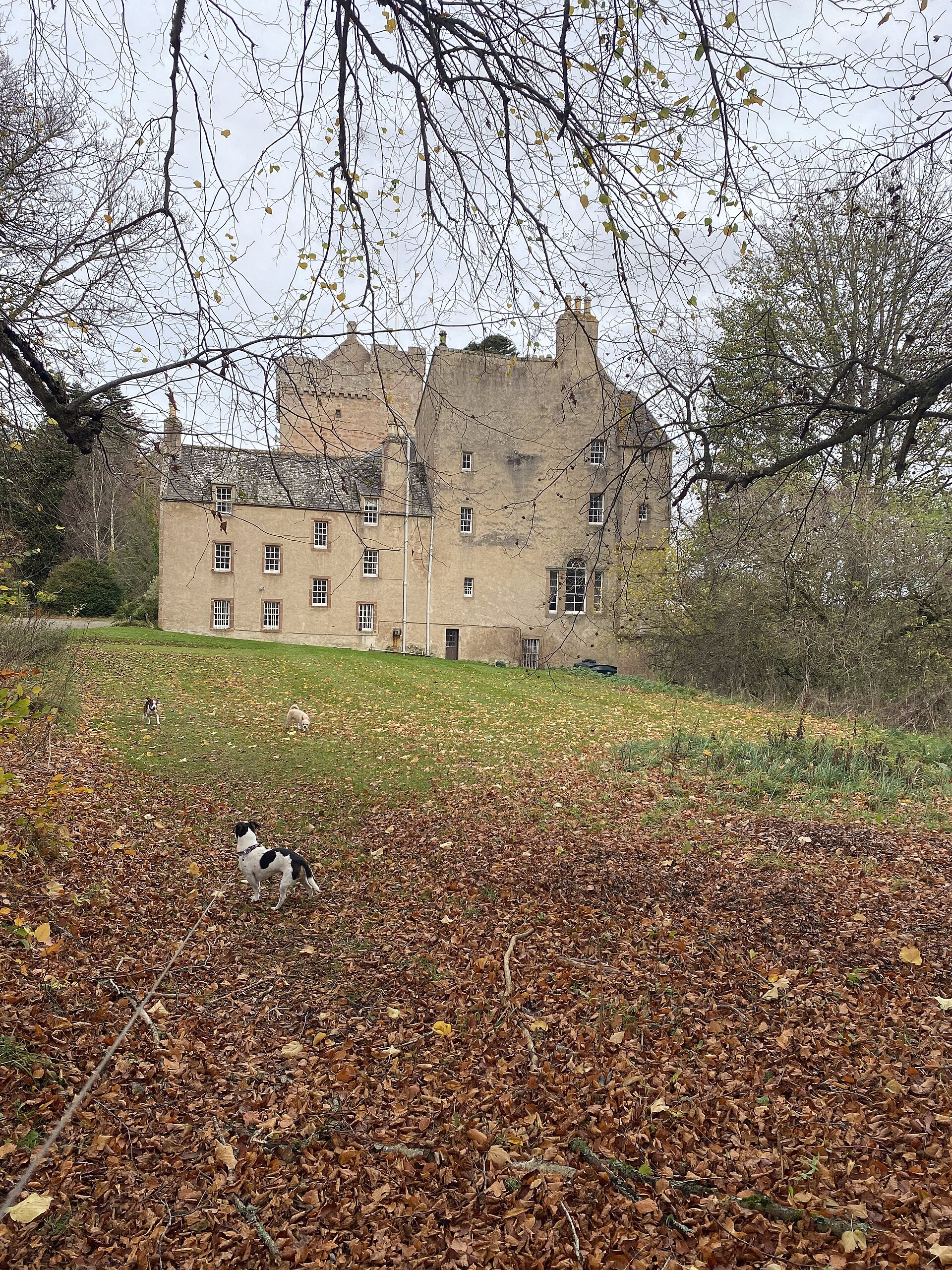
Dovecot, Kilravock Castle
Highland
Dovecote with HES-listed pre-1800 evidence (1460).
Fortified place · Medieval
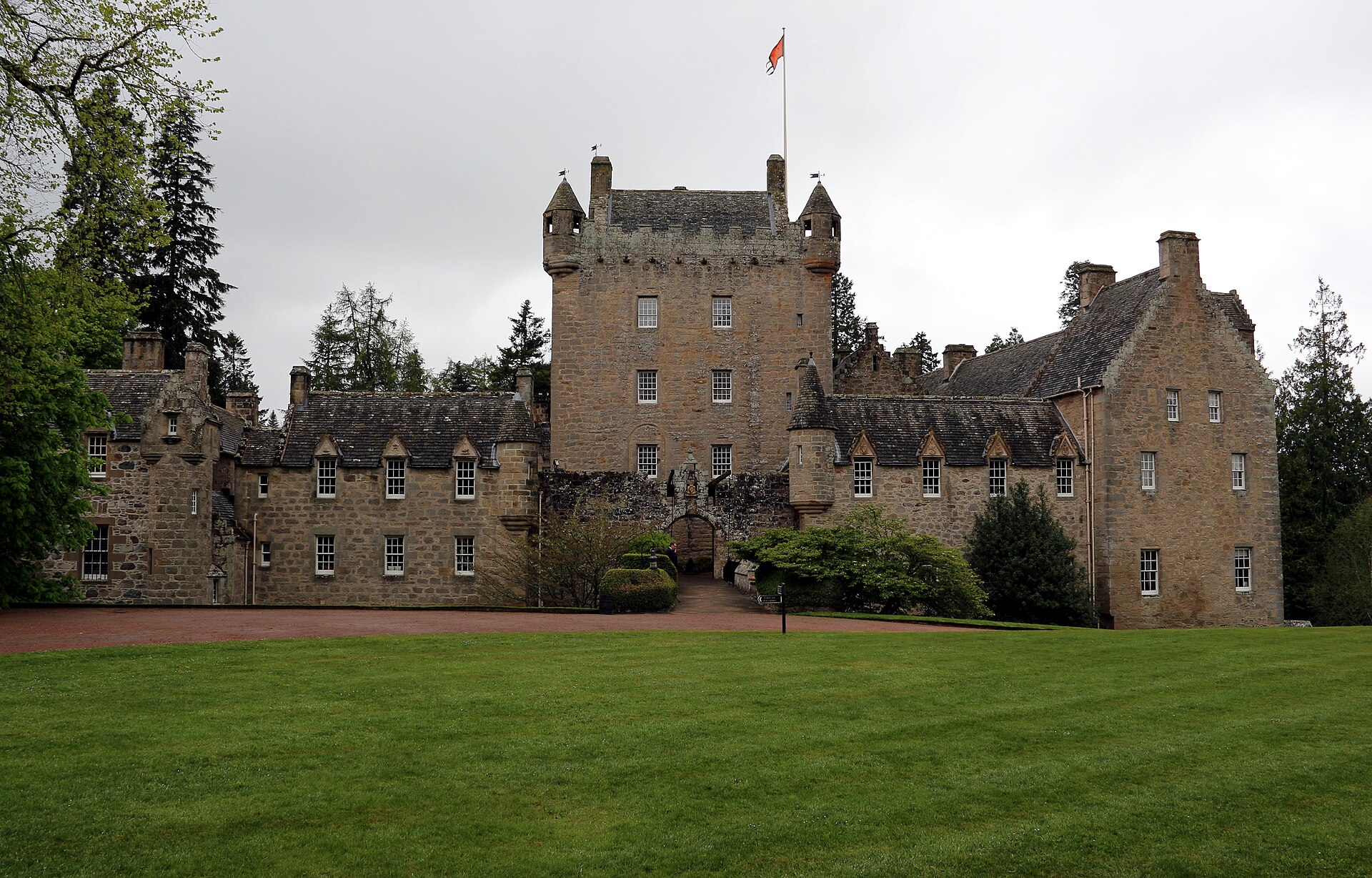
Cawdor Castle
Highland
One of Scotland's enduring inhabited castles, Cawdor grew from a medieval Highland tower into the seat of the Thanes of Cawdor and carries a litera…
The Ancient Codex, in your pocket
Get the Pocket Codex app
Carry the directory with you — Fort George and thousands of ancient places across Britain and Ireland, offline, wherever you roam.