
One of Scotland's enduring inhabited castles, Cawdor grew from a medieval Highland tower into the seat of the Thanes of Cawdor and carries a literary fame, as Macbeth's title, that history never actually granted it.
Cawdor Castle stands in the Highlands near Nairn, grown outward over centuries from a fifteenth-century tower house. A licence to fortify the site was granted in 1454 to William Calder, sixth Thane of Cawdor, though masonry in the oldest tower has been dated by architectural historians to around 1380, hinting that stone was raised here before the written record begins. Legend supplies its own account: a donkey laden with gold was set loose to wander, and where the beast finally lay down to rest, beneath a living tree, the family chose to build. That tree, a holly, still stands enclosed at the castle’s foundation. Later generations added a drawbridge, an enclosed courtyard, and extensive nineteenth-century remodelling by the architects Thomas Mackenzie and Alexander Ross. The property passed from the Calders to the Campbells in 1510, when the Calder heiress Muriel married Sir John Campbell, and it remains in Campbell hands today. Its wider fame owes much to Shakespeare, who made Macbeth Thane of Cawdor, yet the link is invention: the historical Macbeth reigned in the eleventh century, long before any stone was laid, and was never in truth thane here. Around the walls lie walled, flower, and wild gardens spanning several centuries.
What follows is drawn from published sources, with each claim labelled by how firmly it is established.
What to look for
-
The living holly tree enclosed at the foot of the oldest tower, bound up with the castle's founding legend
-
The fifteenth-century tower house at its core, with masonry dated by historians as early as around 1380
-
Nineteenth-century additions by architects Thomas Mackenzie and Alexander Ross, including the drawbridge and enclosed courtyard
-
The walled, flower, and wild gardens laid out across the seventeenth to twentieth centuries
Plan your visit
- Location
- 57.5243°N · 3.9266°W
Nearby places
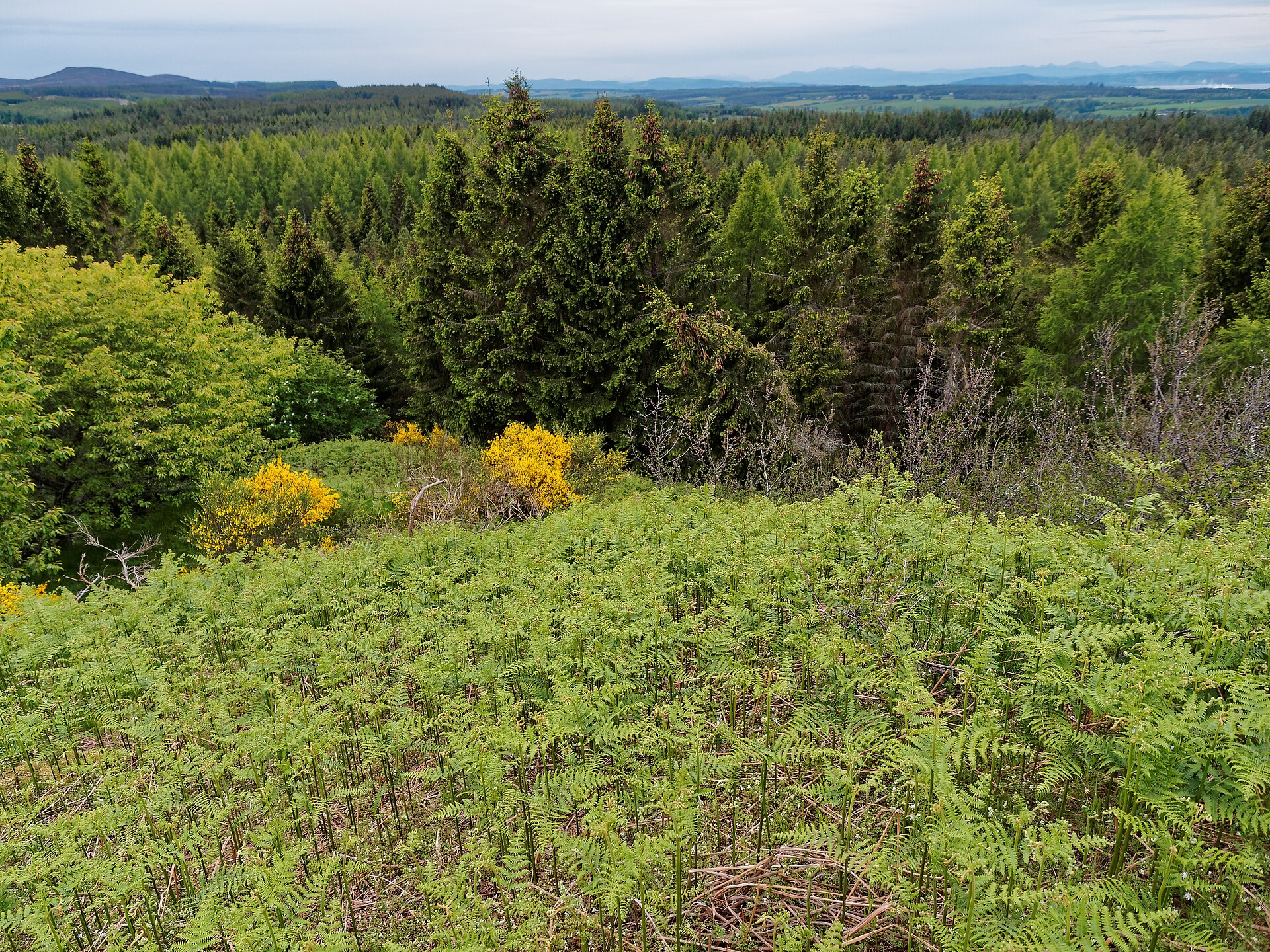
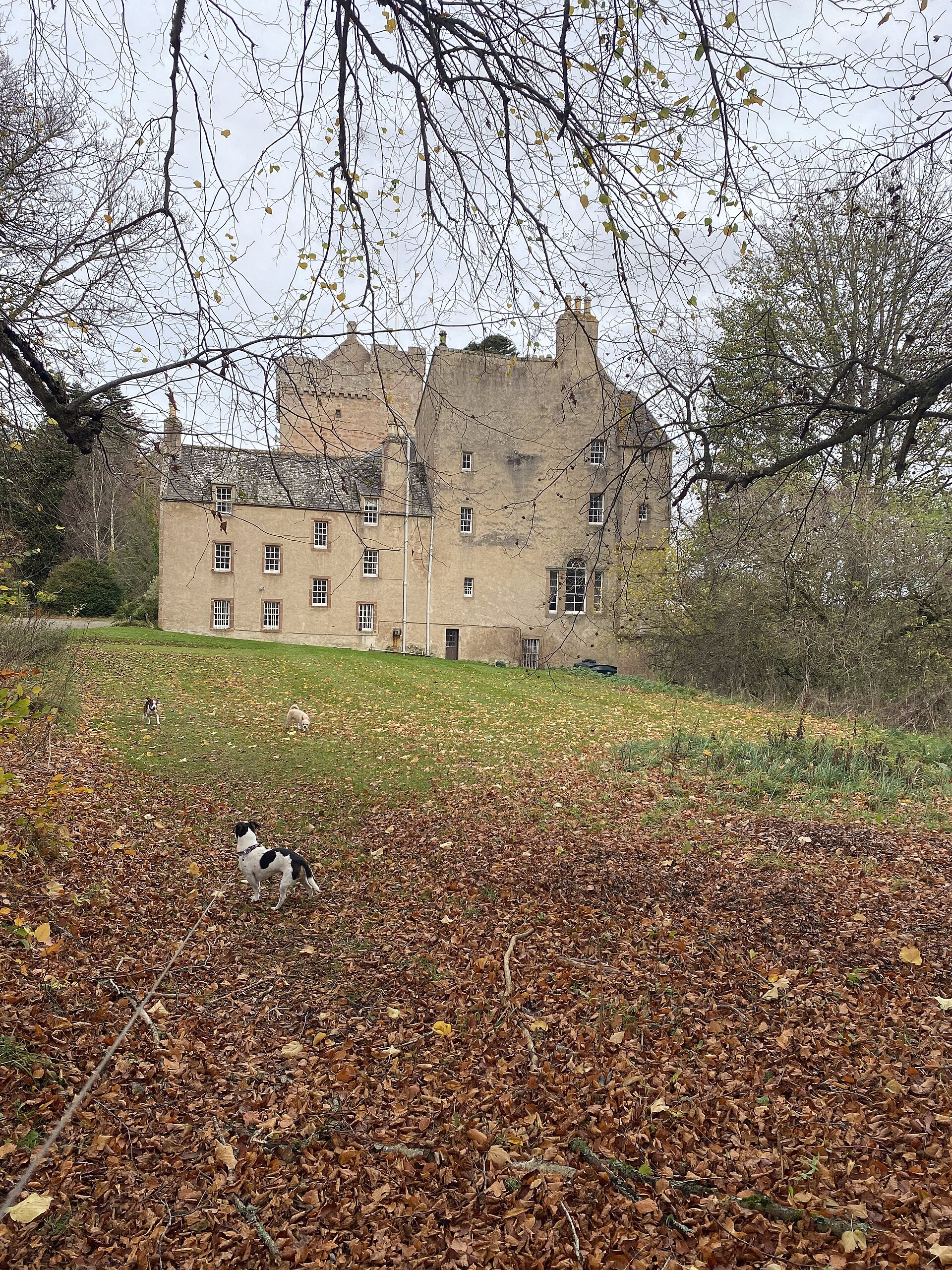
Minor monument · Medieval
Dovecot, Kilravock Castle
Highland
Dovecote with HES-listed pre-1800 evidence (1460).
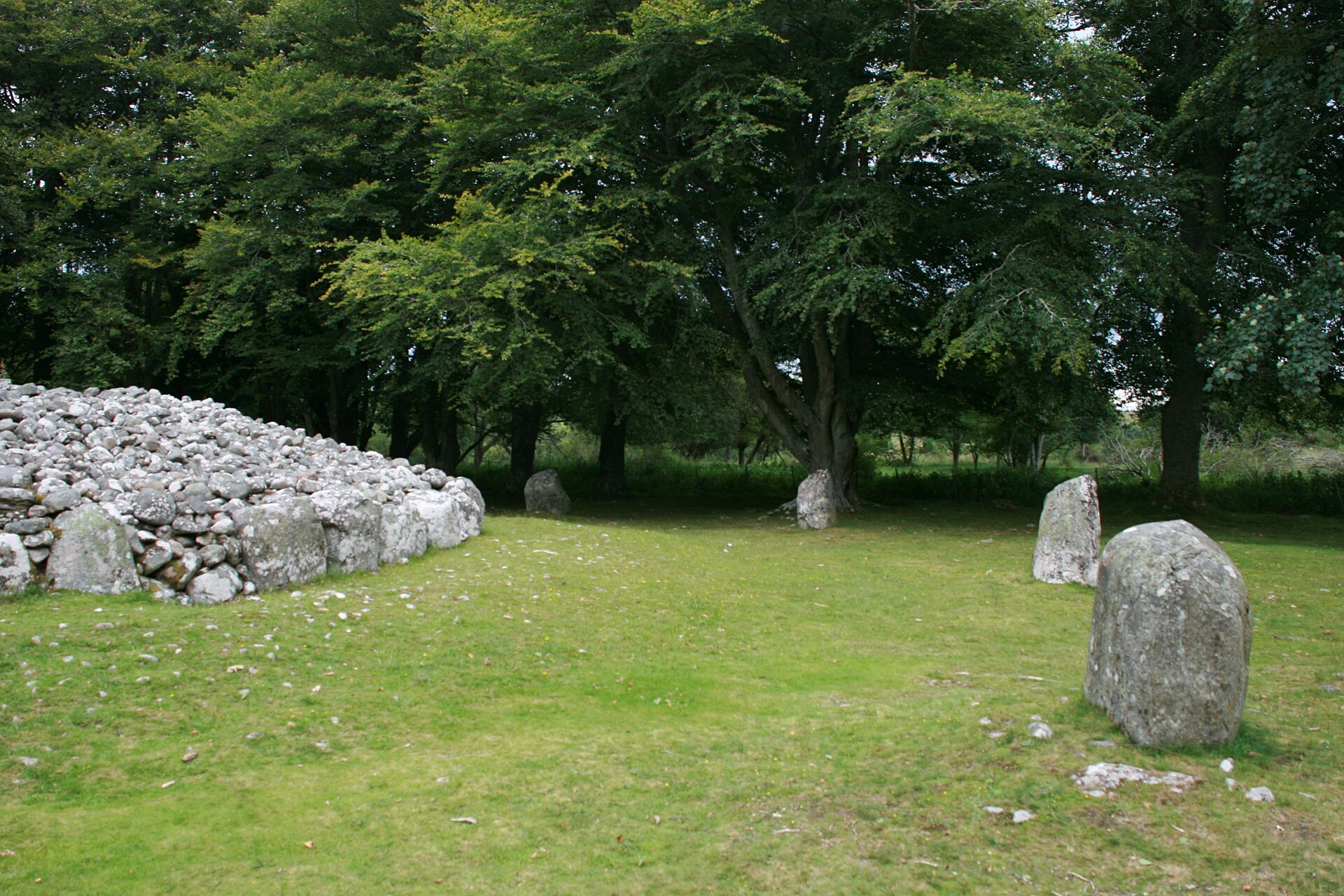
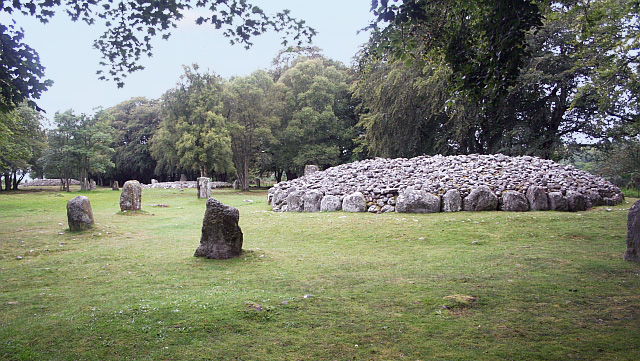
Tomb or burial place · Prehistoric
Clava Cairns
Highland
A Bronze Age funerary monument of the Inverness/Moray Firth communities; the three cairns and their stone circles appear to have been built as a si…
- Near Inverness
- 149 metres from car park
- Easy path
The Ancient Codex, in your pocket
Get the Pocket Codex app
Carry the directory with you — Cawdor Castle and thousands of ancient places across Britain and Ireland, offline, wherever you roam.